Activewear vs Athleisure Selector
Select your scenario to find out whether you need high-performance activewear or stylish athleisure for your Irish lifestyle.
Key Features Needed:
Fabric Advice:
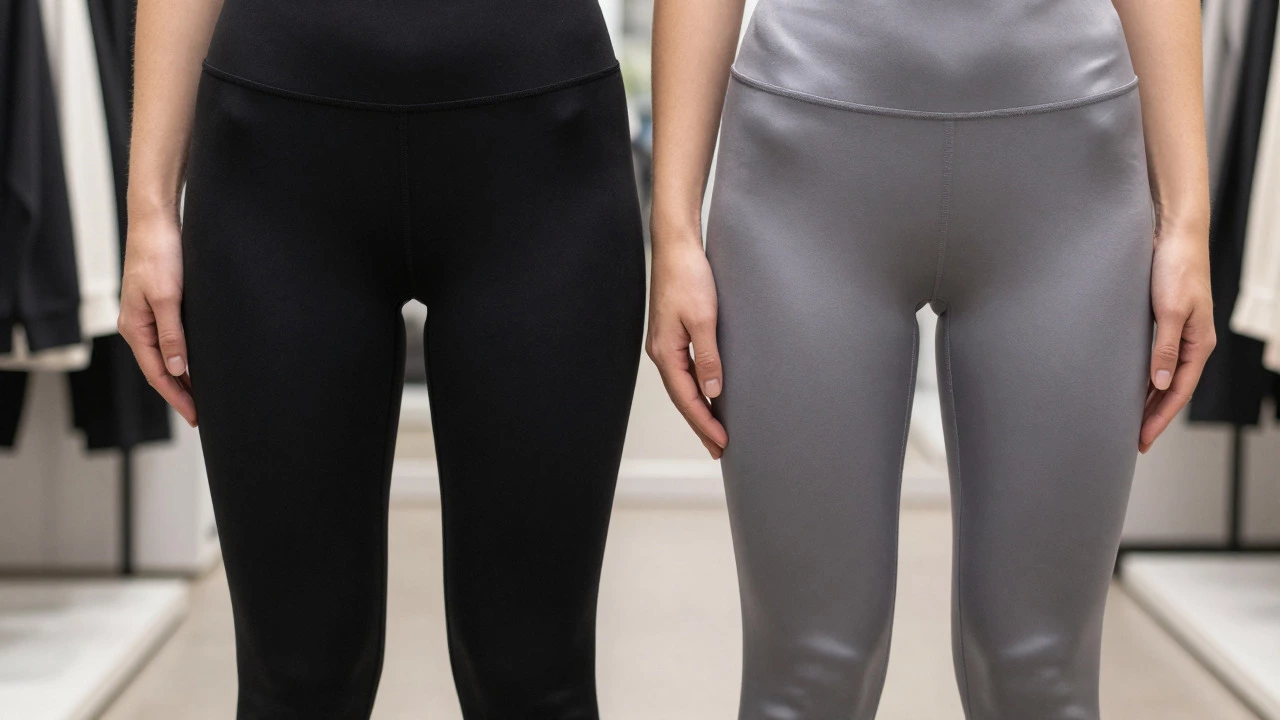
You’re standing in a fitting room in Grafton Street, Dublin, holding two pairs of leggings. One is thick, matte, and feels like it could survive a mud run on the Cliffs of Moher. The other is silky, slightly shiny, and looks perfect for grabbing a coffee in Temple Bar. Which one do you buy? If you’ve ever wondered why some gym clothes look out of place at a pub while others seem designed specifically for it, you’re not alone. This confusion stems from the blurry line between activewear and athleisure, two terms often used interchangeably but serving very different purposes in your wardrobe. Understanding the distinction isn’t just about fashion semantics; it’s about choosing the right gear for Ireland’s unpredictable weather and our unique blend of outdoor activity and casual social life.
The Core Purpose: Performance vs. Presentation
At its heart, activewear is functional clothing designed for physical exertion. It’s built to handle sweat, movement, and friction. Think of the technical fabrics used by runners training along the Liffey or hikers tackling the Wicklow Mountains. Activewear prioritizes moisture-wicking properties, breathability, and durability. When you buy activewear, you are investing in performance metrics: how quickly does the fabric dry? Does it chafe during long runs? Is it warm enough for a cold morning in Galway?
Athleisure, on the other hand, is a portmanteau of 'athletic' and 'leisure.' It borrows the aesthetic of sports clothing-leggings, hoodies, sneakers-but prioritizes comfort and style over high-performance features. You wear athleisure when you want to look put-together without the effort of formal attire. It’s what you might wear to a casual Friday meeting in a Cork tech office or to meet friends for drinks in Killarney. The fabric might be softer and more fashionable, but it likely won’t wick away sweat as effectively as true activewear.
Fabric and Material Differences
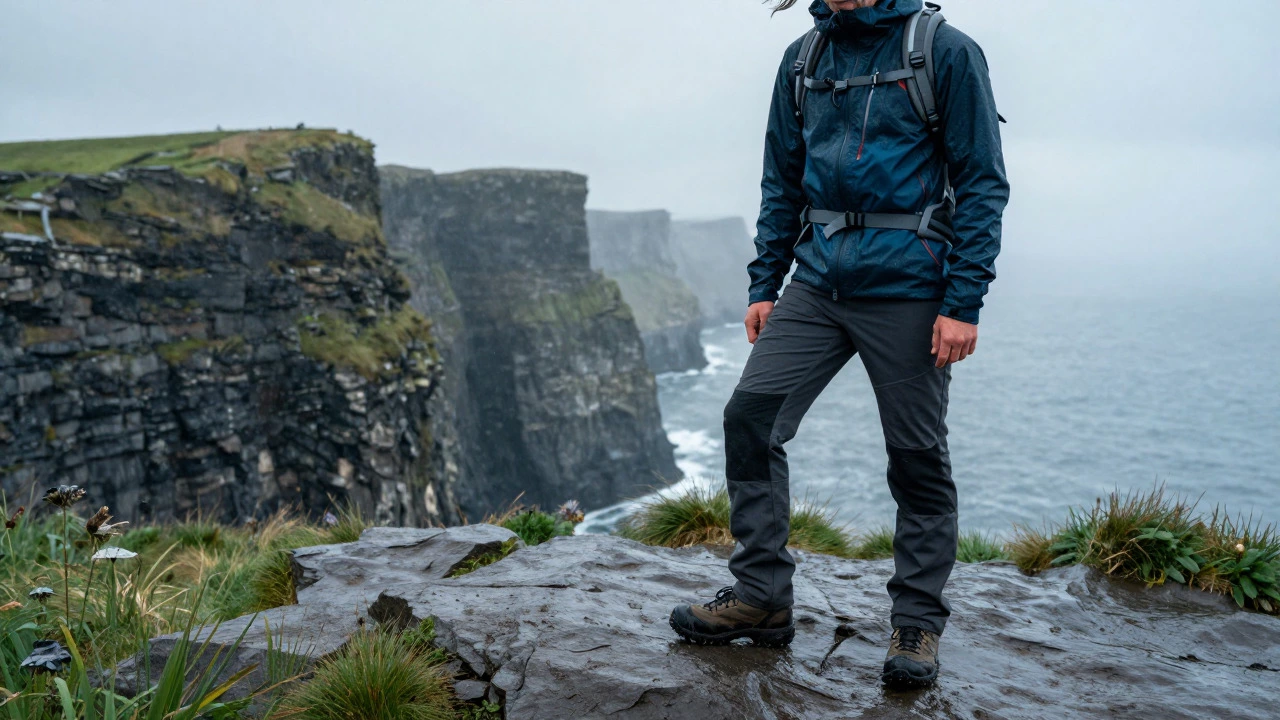
The most tangible difference lies in the materials. Activewear typically uses synthetic blends like polyester, nylon, and spandex. These materials are engineered for specific functions. For example, many Irish outdoor brands use recycled plastics to create durable, water-resistant fabrics that can handle the frequent rain we experience here. Look for terms like "moisture-wicking," "four-way stretch," and "quick-dry" on the label. These indicate that the garment is designed to keep you comfortable during intense activity.
Athleisure often incorporates natural fibers like cotton, bamboo, or modal, sometimes blended with synthetics for a softer feel. Cotton is breathable and comfortable for everyday wear, but it retains moisture. If you were to wear cotton-heavy athleisure leggings on a rainy hike in Connemara, they would become heavy and cold. In contrast, activewear leggings made from technical synthetics will shed water and dry rapidly. When shopping in stores across Ireland, check the composition tag. A high percentage of cotton suggests athleisure; a blend dominated by polyester or nylon points to activewear.
Design and Aesthetics
Visually, activewear tends to be more utilitarian. It features flatlock seams to prevent chafing, gusseted crotches for mobility, and pockets designed to hold phones securely during movement. The colors are often bold or neutral, focusing on visibility and practicality. Brands like Nike and Adidas dominate this space, offering designs that signal readiness for action.
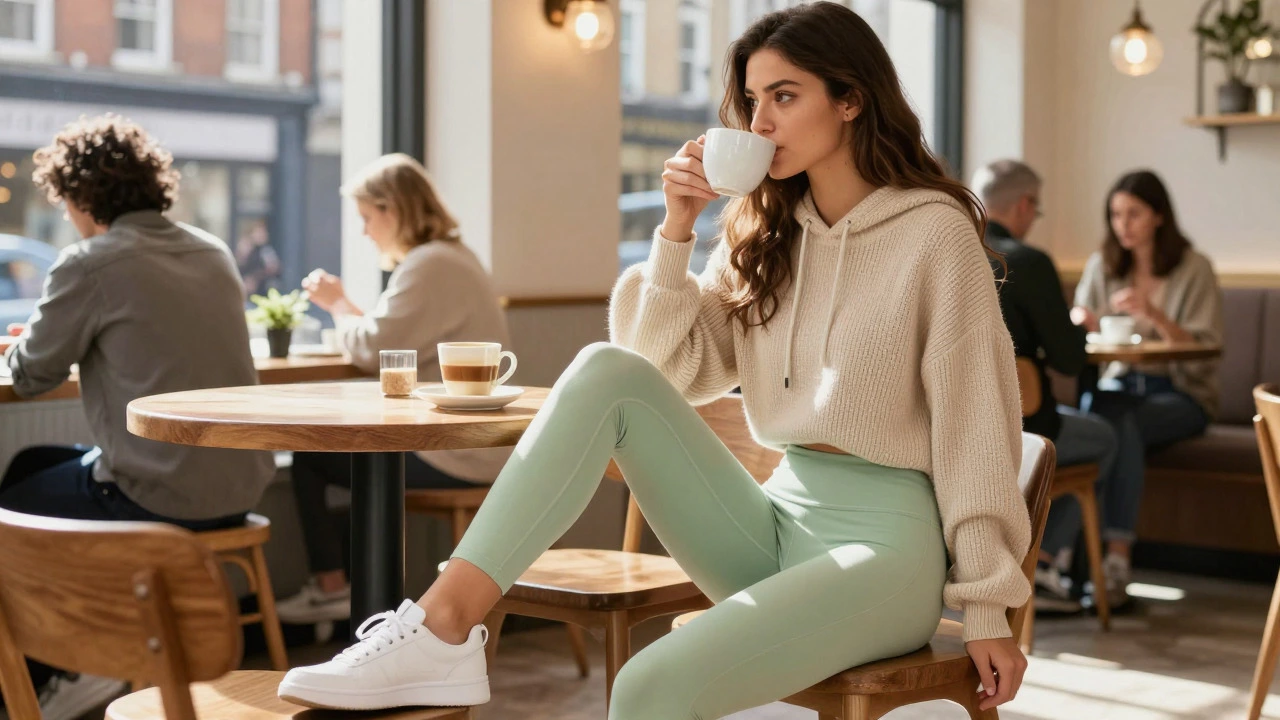
Athleisure leans towards fashion-forward designs. You’ll see more variety in cuts, such as high-waisted leggings with faux pockets, cropped tops, and oversized hoodies. The color palettes are often more subdued or trendy, featuring pastels, earth tones, or patterns that complement rather than distract. Local Irish brands have embraced this trend, creating pieces that reflect our love for nature-inspired hues. Think of the soft greens and blues found in the landscape around the Ring of Kerry, translated into stylish loungewear that looks great in photos but might not withstand a rigorous workout.
Price Points and Value
Generally, activewear commands a higher price due to the technology involved in its construction. Investing in quality activewear means paying for research and development in fabric engineering. However, this investment pays off in longevity and performance. A pair of technical running tights from a reputable brand can last for years of regular use.
Athleisure varies widely in price. Fast fashion retailers offer affordable options that mimic the look of premium brands, but these may lose shape after a few washes. Higher-end athleisure brands focus on luxury fabrics and design details, making them expensive for what is essentially casual wear. In Ireland, where cost-of-living concerns are prevalent, many consumers opt for versatile pieces that bridge the gap, allowing them to transition from a yoga class to a casual dinner without changing outfits.
Contextual Usage in Ireland
Ireland’s climate and culture dictate how we use these categories. Our weather is notoriously changeable, requiring layers that can adapt quickly. Activewear is essential for outdoor enthusiasts who engage in activities like surfing in Lahinch, hiking in the MacGillycuddy’s Reeks, or cycling through the Wild Atlantic Way. Here, functionality is non-negotiable. You need gear that protects you from wind, rain, and cold.
Athleisure fits seamlessly into our urban lifestyle. Cities like Dublin, Cork, and Galway have a relaxed dress code, especially in creative industries and among younger demographics. Wearing stylish athleisure to a café in Smithfield or a market in Temple Bar is socially acceptable and increasingly common. It reflects a shift towards comfort without sacrificing style. However, there are still contexts where athleisure falls short. You wouldn’t wear cotton joggers to a formal event in the RDS or to a business meeting in a traditional law firm. Knowing where the line is drawn helps avoid social faux pas.
Comparison Table: Activewear vs. Athleisure
| Feature | Activewear | Athleisure |
|---|---|---|
| Purpose | Physical activity, performance | Casual wear, comfort, style |
| Fabric | Synthetic (polyester, nylon), moisture-wicking | Cotton blends, soft knits, fashion-focused |
| Durability | High, resistant to wear and tear | Moderate, may pill or fade faster |
| Fit | Snug, supportive, functional | Relaxed, trendy, varied silhouettes |
| Price | Higher, value-driven by technology | Variable, from budget to luxury |
| Best For | Gym, running, hiking, sports | Running errands, casual outings, lounging |
How to Choose What’s Right for You
Start by identifying your primary need. Are you buying this item for a specific activity? If so, lean towards activewear. Check the product description for technical features relevant to your sport. For instance, if you’re planning to surf in Bundoran, look for neoprene or quick-drying rash guards. If you’re looking for something to wear while studying in Trinity College or walking the dog in Phoenix Park, athleisure offers greater comfort and style versatility.
Consider your local environment. Ireland’s damp climate means that breathability and warmth are crucial. Avoid thin, sheer fabrics in both categories unless layered properly. Invest in a good waterproof jacket that can be worn over either type of clothing. Many Irish shoppers find success in building a capsule wardrobe that includes a few key activewear pieces for exercise and several athleisure items for daily wear, ensuring they always have the right outfit for any situation.
Common Mistakes to Avoid
One common error is wearing cotton-heavy athleisure for intense workouts. As mentioned, cotton absorbs sweat, leading to discomfort and potential chafing. Another mistake is assuming all leggings are created equal. Some leggings marketed as activewear lack sufficient opacity or support, causing embarrassment during squats or lunges. Always check reviews and try items on before purchasing. Additionally, don’t overlook care instructions. Technical activewear often requires specific washing methods to maintain its properties, while athleisure may be easier to care for but prone to shrinking.
Local Brands and Shopping Tips
Ireland has a growing scene of local brands that excel in both categories. For activewear, look for companies specializing in outdoor gear that understand our weather conditions. They often use innovative fabrics that provide warmth without bulk. For athleisure, explore boutiques in cities like Dublin and Galway that offer unique designs inspired by Irish aesthetics. Supporting local businesses not only boosts the economy but also ensures you’re getting products tailored to our lifestyle. When shopping online, pay attention to return policies, as fit can vary significantly between brands.
Can I wear athleisure to the gym?
You can, but it depends on the intensity of your workout. For light activities like yoga or stretching, athleisure is fine. However, for high-intensity interval training (HIIT) or running, activewear is better because it manages sweat and supports your body more effectively. Cotton-based athleisure can become heavy and uncomfortable when wet with sweat.
Is activewear suitable for everyday wear in Ireland?
Yes, many people wear activewear casually, especially in informal settings. However, pure activewear might look too technical or sporty for certain social occasions. Blending activewear bottoms with a smart top or jacket can create a balanced look appropriate for various environments, from cafes to casual offices.
What fabric should I avoid for Irish weather?
Avoid thin, non-insulated fabrics that don’t block wind or rain. Pure cotton is problematic because it stays wet and cold. Instead, choose technical synthetics for activewear or insulated blends for athleisure. Layering is key in Ireland, so ensure your base layers are moisture-wicking regardless of the outer layer.
How do I care for activewear to make it last?
Wash activewear in cold water and avoid fabric softeners, which can clog the pores of technical fabrics. Turn garments inside out before washing to protect prints and seams. Air drying is preferable to tumble drying, as heat can degrade elastic fibers over time. Follow the care labels carefully to maintain performance and appearance.
Are there Irish brands that specialize in activewear or athleisure?
Yes, several Irish brands focus on outdoor and active wear, catering to our rugged landscapes. Others produce stylish athleisure inspired by local culture. Exploring these brands supports the local economy and provides products designed with our specific climate and lifestyle in mind. Check local boutiques and online platforms for emerging designers.