Irish Leather Shoe Matchmaker
Answer these questions to find the perfect leather match for your next pair of shoes.
Your Top Recommendations
If you’ve ever stood in a shoe shop on Grafton Street or browsed the racks at Brown Thomas wondering which pair will actually survive an Irish winter, you’re not alone. We all want that perfect pair of leather shoes that looks sharp at a wedding in Dublin but doesn’t fall apart after one week of rain in Galway. The truth is, there isn’t one single "best" animal skin for everyone. It depends entirely on what you need them to do. Are you commuting through puddles? Walking your dog along the Cliffs of Moher? Or just trying to look professional without spending a fortune on replacements every six months?
The market here has shifted. We aren’t just buying for style anymore; we’re buying for longevity against our notoriously damp climate. Let’s break down the main contenders-cowhide, calf, sheep, and exotic options-and see how they stack up when the Atlantic wind hits.
Cowhide: The Workhorse of Irish Footwear
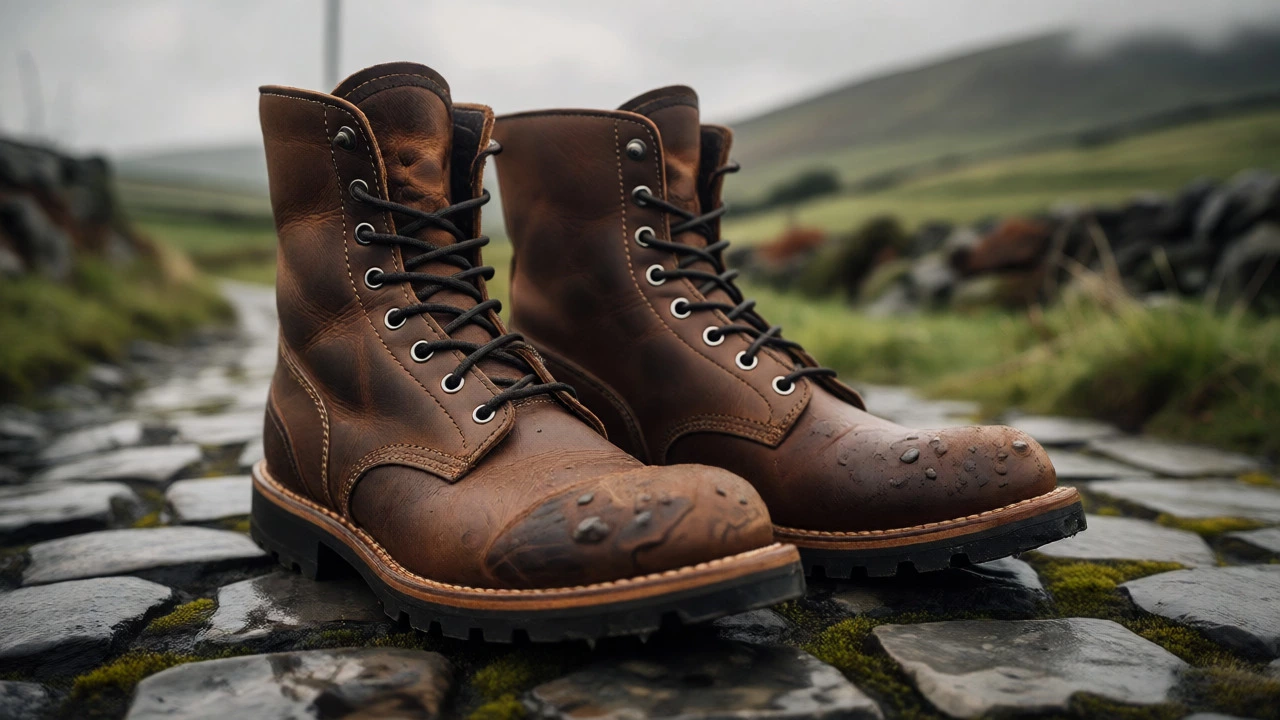
Cowhide is the most common type of leather used in footwear, known for its thickness, durability, and resistance to abrasion. When people ask for the toughest option, this is usually the answer. Think of the heavy-duty boots you see farmers wearing in Tipperary or Cork. That’s full-grain cowhide.
Why does it work so well here? Because Irish weather is wet. Cowhide has a dense fiber structure that resists water penetration better than thinner leathers. If you’re looking for something that can handle mud from a weekend hike in Wicklow Mountains National Park, this is your go-to. However, it’s stiff. New cowhide boots often require a breaking-in period that feels like punishment for your feet. You might feel like you’re walking on bricks for the first two weeks.
There are different grades, though. Full-grain is the top tier-it keeps the natural markings and gets stronger with age. Corrected grain is sanded down to hide imperfections, making it smoother but slightly less durable. For everyday city wear in Dublin or Cork, corrected grain is fine. For rural life or construction sites, stick to full-grain.
Calfskin: The Soft Touch for City Living
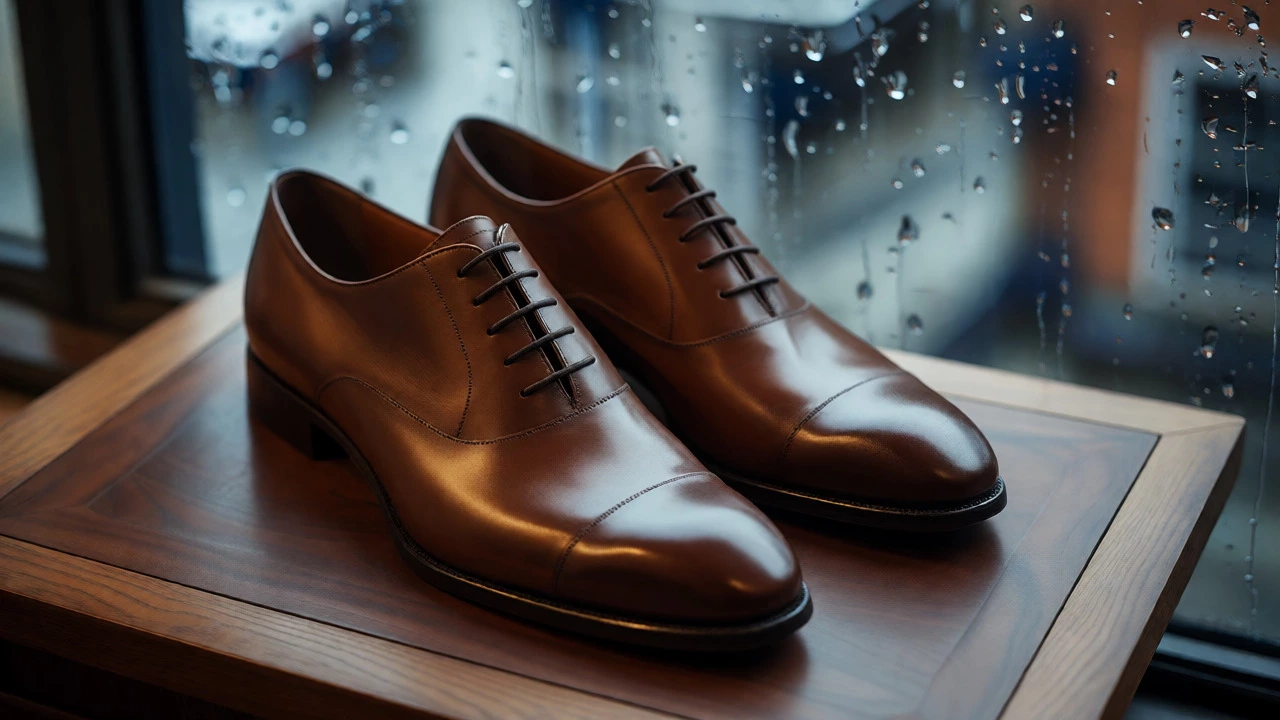
Calfskin is a premium leather derived from young cattle, prized for its softness, smooth texture, and lightweight feel. If cowhide is the farmer’s boot, calfskin is the accountant’s oxford. It’s incredibly comfortable right out of the box. No breaking-in nightmares here.
This is the standard for business attire across Ireland’s financial districts. Brands like Church’s or local artisans using Italian tanneries favor calfskin because it drapes beautifully over the foot. But here’s the catch: it hates water. If you step in a deep puddle outside Trinity College in November, calfskin can absorb moisture quickly, leading to warping or staining if not dried properly.
It’s also more expensive. You’re paying for the scarcity of young hides and the labor-intensive tanning process. In the Irish market, you’ll find calfskin shoes ranging from €150 for entry-level brands to over €400 for high-end bespoke makers. Is it worth it? Only if you have dry days or access to indoor transport. If you’re walking five miles a day in the rain, save your money.
Sheepskin and Suede: Style vs. Maintenance
Sheepskin is a soft, pliable leather made from sheep hides, often processed into suede or nubuck for a matte finish. You’ve seen those trendy Chelsea boots everyone wears in Temple Bar. Many are sheepskin suede.
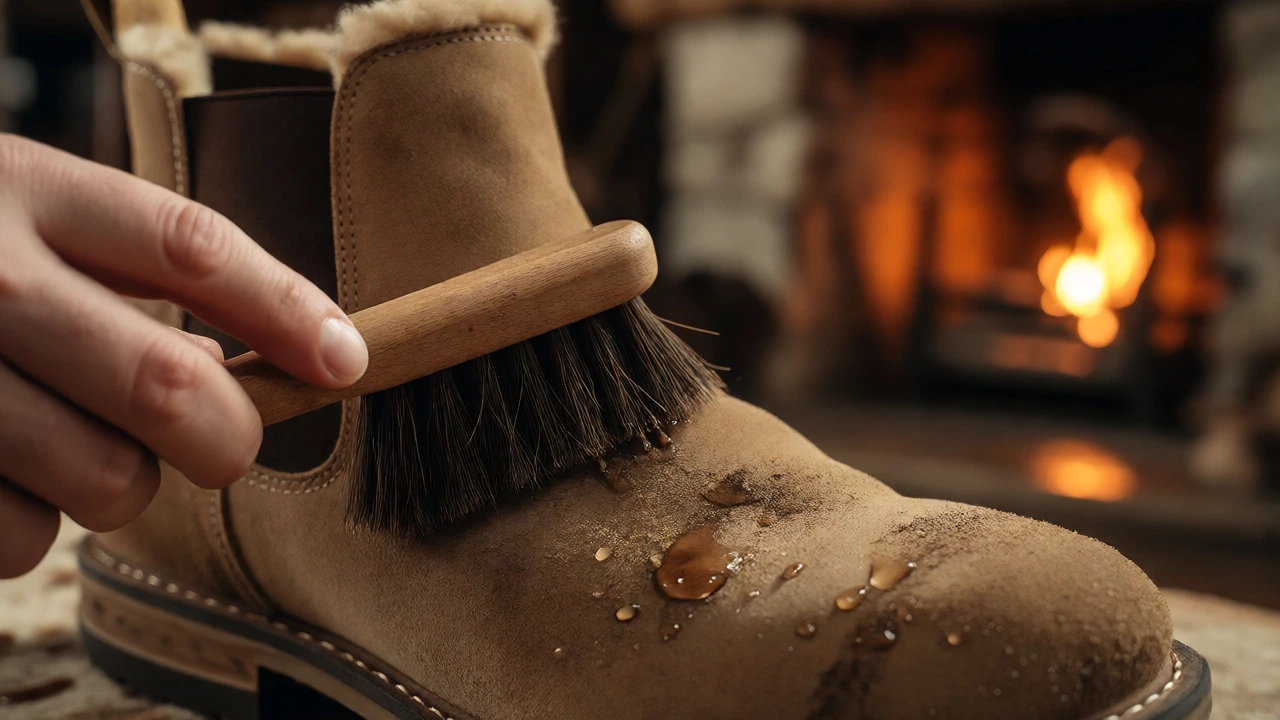
Suede looks fantastic. It has a casual, rugged charm that pairs well with jeans and wool coats. But maintaining suede in Ireland is a nightmare. Water spots are permanent unless you treat them immediately. Salt from de-icing roads (when they actually use it) eats suede alive. If you choose suede, you must buy a protective spray before you even take the shoes out of the box. Reapply it monthly during autumn and winter.
Sheepskin itself is very thin. It offers little protection against cold winds. While the lining might be warm, the outer layer won’t stop the chill from cutting through. It’s best for mild spring days or indoor events. Don’t expect these to last more than two winters if you wear them daily in wet conditions.
Exotic Leathers: Alligator, Ostrich, and Deer
For those wanting to stand out, exotic skins offer unique textures. Ostrich leather is a distinctive material characterized by raised quill follicles, offering exceptional durability and flexibility. It’s surprisingly tough and water-resistant compared to cowhide. Some luxury shoemakers in London and Paris use it, and you can find imported pairs in Dublin boutiques.
Deer leather is another option, popular in traditional Irish heritage wear. It’s softer than cowhide but tougher than sheep. However, sourcing ethical deer leather locally can be tricky due to hunting regulations and supply chain issues. Most "deer" leather sold in shops is actually farmed venison byproducts from Europe.
These exotics come with a hefty price tag. An ostrich boot might cost upwards of €600. They are investments, not utilities. Treat them as collector’s items rather than daily drivers.
| Leather Type | Durability | Water Resistance | Comfort Level | Avg. Price (EUR) | Best Use Case |
|---|---|---|---|---|---|
| Cowhide (Full-Grain) | High | Medium-High | Low (initially) | €180 - €350 | Rural work, hiking, rainy commutes |
| Calfskin | Medium | Low | High | €200 - €450 | Office wear, formal events, dry days |
| Sheepskin/Suede | Low-Medium | Very Low | High | €120 - €250 | Fashion, indoor use, mild weather |
| Ostrich | High | Medium | Medium-High | €500+ | Luxury statement, special occasions |
How to Spot Quality in Irish Shops
Walking into a store in Limerick or Belfast, how do you know if you’re getting good value? First, check the smell. Genuine leather smells rich and earthy. Synthetic materials smell like plastic or chemicals. Second, press your thumb into the leather. Good quality leather will wrinkle naturally around the pressure point. Cheap bonded leather will crack or bounce back unnaturally.
Look at the stitching. Hand-stitched Goodyear welt shoes are rare in mid-range prices but exist in specialist shops. Machine stitching should be tight and even. Loose threads mean poor quality control. Also, inspect the sole. Natural rubber soles grip better on wet cobblestones than hard plastic ones. Given our historic cities’ uneven pavements, traction matters.
Ask about the tanning method. Vegetable-tanned leather ages beautifully, developing a patina that tells a story. Chrome-tanned leather stays uniform but can feel artificial. Local Irish brands increasingly focus on sustainable vegetable tanning, aligning with eco-conscious values prevalent in urban centers like Dublin and Galway.
Maintenance Tips for Wet Winters
No matter which animal leather you choose, neglect kills shoes faster than rain. Here’s the routine that works in Ireland:
- Dry slowly: Never put wet shoes near a radiator. Heat cracks leather. Stuff them with newspaper to absorb moisture and let them air-dry overnight.
- Condition regularly: Apply a leather conditioner every 3-4 months. This replenishes oils lost to wind and rain. Beeswax-based conditioners work well for outdoor boots.
- Rotate your pairs: Give each pair 24 hours to rest between wears. This allows internal moisture to evaporate completely, preventing bacterial growth and odor.
- Use shoe trees: Cedar shoe trees maintain shape and absorb humidity. Essential for calfskin and expensive exotics.
For suede, keep a brush handy. A quick brush-down removes dirt before it sets. There are specialized suede erasers available in chemists across Ireland that remove scuffs effectively.
The Ethical Angle
Ireland has a strong agricultural heritage, and much of our leather comes from beef and dairy industries. This means using leather supports existing farming economies rather than creating new demand solely for skins. However, environmental concerns remain. Tanning processes involve chemicals that can pollute waterways if not managed correctly.
Some consumers prefer "upcycled" leather or plant-based alternatives like Piñatex (pineapple leaf fiber). While not animal leather, these options appeal to vegans and eco-aware buyers. Yet, for pure durability and biodegradability, traditional animal leather still holds an edge, provided it’s sourced responsibly.
When shopping, look for certifications like LWG (Leather Working Group) standards, which ensure environmentally friendly processing. Several Irish manufacturers participate in these schemes, offering transparency about their supply chains.
Final Verdict: Which One Should You Buy?
If you live in coastal areas like Kerry or Donegal where salt air and rain are constant, invest in full-grain cowhide boots. They’ll last years and protect your feet. If you work in a corporate office in Dublin and take the Luas or drive, calfskin oxfords provide unmatched comfort and elegance. Avoid suede for daily winter wear unless you enjoy maintenance.
Remember, the "best" leather is the one that fits your lifestyle. Don’t buy ostrich shoes if you walk through mud. Don’t buy cheap synthetic blends expecting them to breathe. Match the material to the mission, and your feet will thank you.
Is cowhide waterproof?
Cowhide is water-resistant, not fully waterproof. Its dense fibers repel light rain, but prolonged exposure to heavy Irish downpours requires treatment with wax or silicone-based sealants. Without treatment, water will eventually penetrate the seams and leather pores.
Why is calfskin more expensive than cowhide?
Calfskin comes from younger animals, resulting in finer, softer fibers with fewer scars. The supply is lower relative to adult cowhide, and the tanning process requires more precision to maintain its delicate texture. This scarcity and labor intensity drive up the cost.
Can I wear suede shoes in the rain in Ireland?
You can, but it’s risky. Suede absorbs water easily, leading to stains and stiffness. If you must wear them, apply a high-quality waterproofing spray beforehand. Carry a suede brush to clean off mud once dry. For frequent rainy days, leather alternatives are safer.
What is the difference between full-grain and corrected-grain leather?
Full-grain retains the original surface of the hide, including natural marks, making it stronger and more breathable. Corrected-grain is sanded to remove imperfections and coated with pigment for a uniform look. Full-grain develops a patina over time; corrected-grain tends to peel or crack eventually.
Are Irish-made leather shoes better quality?
Ireland has a strong tradition of craftsmanship, particularly in regions like Kilkenny and Clare. Many local brands source high-quality European hides and employ skilled artisans. While not all Irish shoes are handmade, many prioritize ethical sourcing and durable construction methods comparable to international luxury brands.