Irish Suit Negotiation Calculator
Enter your suit details below to calculate estimated savings and get tailored advice for your specific situation.
Your Situation
You just walked out of a high-street shop in Dublin or maybe you’re eyeing a sharp number at a local tailor in Galway. The tag says €450. Your gut says €380. So, can you negotiate suit prices in Ireland? The short answer is: it depends entirely on where you are and who you’re talking to. In the Irish market, haggling isn’t as automatic as it might be in a Marrakech souk, but it’s far from dead. It’s more about knowing which doors open when you ask politely.
Most people assume retail is fixed-price. And for big chains like Next, H&M, or even mid-tier menswear specialists, they’re right. Those systems are rigid. But step into an independent haberdasher or a bespoke tailor, and the dynamic shifts completely. This guide breaks down exactly how to approach price discussions for men’s suits across Ireland, from the bustling streets of Cork to the quieter boutiques in Kilkenny.
The Two Worlds of Irish Suit Retail
To understand if you can haggle, you first need to categorize the seller. Irish menswear generally splits into two distinct camps: mass-market retail and independent tailoring. Confusing these two will make you look out of touch, and worse, it won’t get you a discount.
High-Street Retailers operate on thin margins and high volume. Think brands like M&S, Next, or international chains like Hugo Boss. Their pricing is algorithmic. Store managers often don’t have the authority to drop a price by €50 on a single item unless there’s a specific promotion running. If you try to haggle here, you’ll likely get a polite smile and a pointer to the sale rack.
On the flip side, Independent Tailors and Boutiques run on relationships. These businesses rely on repeat customers and word-of-mouth referrals. For them, your loyalty is worth more than the immediate profit margin on one jacket. Whether it’s a family-run shop in Limerick or a modern studio in Belfast, these owners control their own stock and pricing. This is where the magic happens.
| Seller Type | Negotiation Likelihood | Best Time to Ask | Expected Discount |
|---|---|---|---|
| Major Chain Stores (Dublin/Galway) | Low | End of Season Sales | Fixed Promos Only |
| Independent Boutiques | Medium-High | Weekday Afternoons | 10-15% |
| Bespoke Tailors | High | Initial Consultation | Fabric Upgrades/Fitting Fees |
| Online Irish Brands | Low | Newsletter Sign-up | Code-based Discounts |
When to Make Your Move
Timing is everything. If you walk into a busy Saturday afternoon in Grafton Street, no one has time to chat through a discount. You want moments when the staff is bored or when the business needs cash flow.
Consider the end of January or late August. These are the traditional clearance periods in Ireland. Shops are desperate to clear space for new collections. Even if the item isn’t marked down yet, asking, "Is there any flexibility on this since it’s last season?" can work wonders. I’ve seen friends score 20% off a wool blend suit in a small town near Athlone simply because the owner wanted the stock gone before winter ended.
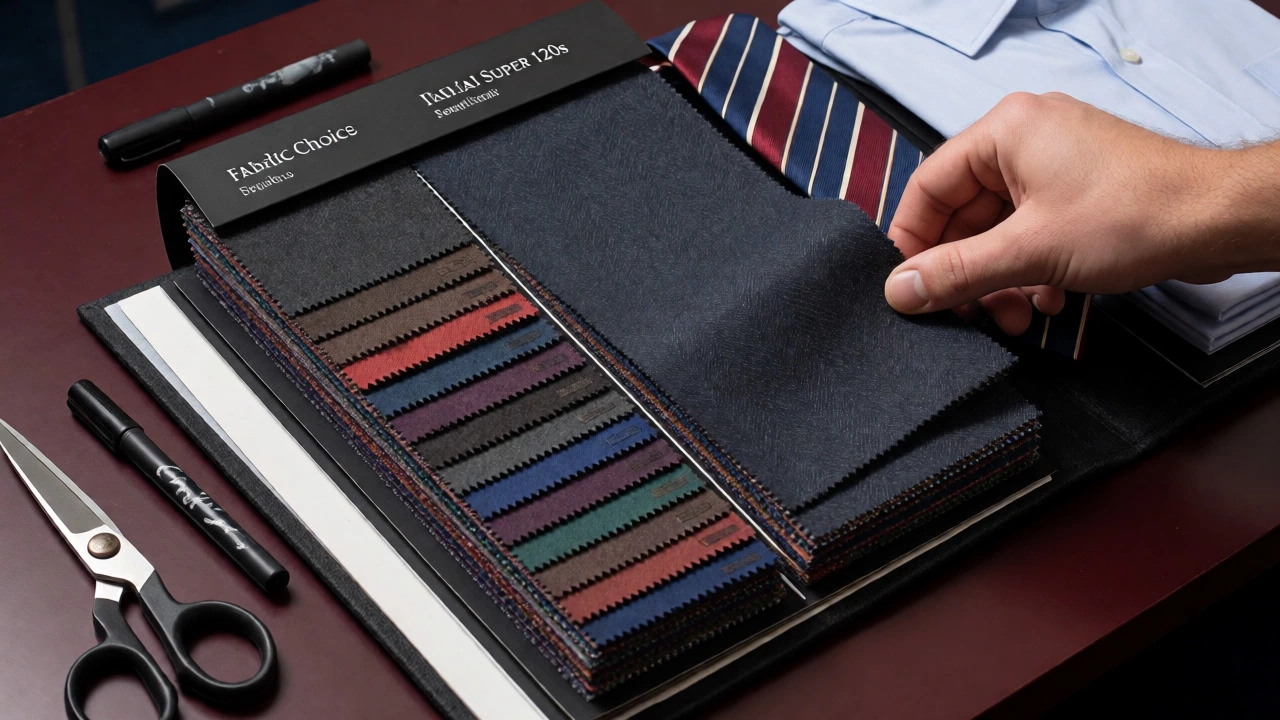
Another golden window is mid-week, specifically Tuesday or Wednesday mornings. Foot traffic is low. The tailor or shop owner has time to talk. They’re not rushing to serve the next customer. Use that quiet time to build rapport. Ask about the fabric origin-maybe it’s Italian Super 120s wool-and show genuine interest. People love explaining their craft. When they feel respected, they’re more willing to meet you halfway on price.
How to Ask Without Being Rude
Irish culture values politeness and understatement. Aggressive haggling feels wrong here. You don’t want to sound like you’re trying to cheat someone. Instead, frame your request as a question about value or budget.
Try phrases like:
- "I really love the cut, but it’s slightly over my budget. Is there any room for movement?"
- "If I took the trousers and jacket together, could we agree on a package price?"
- "Do you offer any discounts for students or young professionals?"
Notice the tone. It’s collaborative, not confrontational. You’re inviting them to solve a problem with you. Often, they’ll throw in a free alteration service instead of dropping the price. Alterations cost money, so getting them included is effectively a €30-€50 saving. Don’t underestimate the power of "free hemming." It adds up.
Bespoke vs. Made-to-Measure: Where the Real Savings Are
If you’re looking at custom suits, negotiation works differently. With Bespoke Suits, you’re paying for the tailor’s time and skill. The labor cost is fixed. However, the fabric cost is variable. Here’s where you can negotiate.
Tailors often have access to multiple mills. Some fabrics are premium imports; others are standard stock. Ask your tailor: "What’s the most cost-effective wool option that still looks professional?" They might steer you toward a British mill rather than an Italian one, saving you €100-€200 without compromising durability. In cities like Cork and Dublin, many tailors also have "off-cut" fabrics left over from larger commissions. Asking if they have any suitable remnants can land you a unique suit at a fraction of the price.
For Made-to-Measure services, where you adjust existing patterns, discounts are harder to get on the base price. But again, ask about bundling. Many Irish providers will waive fitting fees if you commit to buying shirts or ties from them later. It’s a long-game strategy, but it works.
The Power of Bundling and Loyalty
Never buy just one thing if you can avoid it. Retail psychology dictates that adding accessories increases perceived value. If you’re buying a suit, add a shirt, a tie, and pocket square to the table. Then ask for a total price.
In smaller Irish towns, shop owners often remember regulars. If you’re a student at NUI Galway or Trinity College Dublin, mention it. Many independent shops have unadvertised student rates. Similarly, if you’re buying for a wedding party, you have massive leverage. Buying five matching suits for groomsmen? That’s a bulk order. Tell them upfront: "We’re looking at five suits. What’s your best price for the group?" You might save €100 per person easily.
What Not to Do
Avoid comparing prices aggressively. Saying, "I saw this cheaper online," rarely works with independents. They know their quality differs from fast fashion. Insulting their product to lower the price is a quick way to lose the deal. Also, don’t wait until you’re already being measured to ask about price. Have the conversation early. Awkwardness kills deals.
Finally, don’t expect miracles. A €600 suit won’t become €400 overnight. Realistic expectations keep the interaction friendly. Aim for 5-10% off or added value (like free cleaning or alterations). That’s a win.
Key Takeaways for Irish Buyers
- Know your venue: Haggle at independents, not chains.
- Time it right: End of season or quiet weekdays.
- Bundle up: Buy accessories to unlock discounts.
- Ask for extras: Free alterations are better than small price cuts.
- Be polite: Irish retailers respond to respect, not aggression.
Is it rude to haggle in Irish clothing stores?
It’s not rude if done politely. In independent shops, it’s expected. In large chains, it’s unusual but harmless. Always use a friendly tone and accept "no" gracefully.
Can I negotiate price on a bespoke suit in Dublin?
Yes, but focus on fabric choices rather than labor costs. Ask for less expensive cloth options or inquire about leftover fabric remnants to reduce the total bill.
Do Irish tailors offer student discounts?
Many do, especially near universities like UCD, TCD, or NUI Galway. Always carry your student ID and ask directly, as it’s often not advertised.
Is it better to buy a suit during Black Friday in Ireland?
Black Friday offers deep discounts on mass-market suits, but selection is poor. For quality, end-of-season sales in January are often better for finding well-fitted garments at reduced prices.
Should I tip my tailor in Ireland?
Tipping isn’t mandatory, but rounding up the bill or leaving a small amount (€5-€10) for exceptional service or urgent alterations is appreciated and builds goodwill for future visits.