Leather Shoe Longevity & Cost Calculator
Shoe Profile
Analysis Results
Pending AnalysisEstimated Lifespan
-- Years
Total Cost Over Time
€0
Cost Per Wear
€0
Maintenance Summary:
- Enter details to see recommendations.
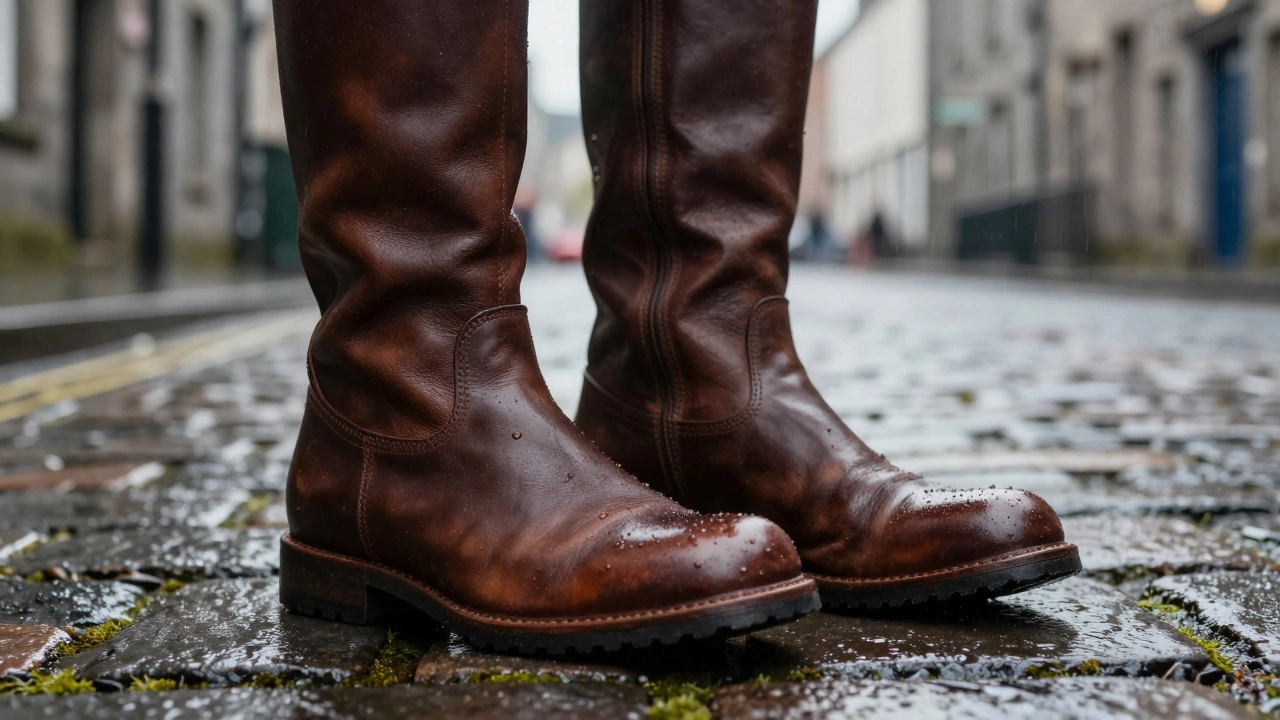
If you’ve ever walked through the cobbled streets of Galway or navigated a rainy commute in Dublin only to find your favourite pair of boots looking worse for wear, you know the struggle. The question isn’t just about fashion; it’s about survival against the elements. So, how many years do leather shoes last? In Ireland, where damp weather is practically a national sport, the answer depends less on the calendar and more on how you treat them. A well-made pair of full-grain leather shoes can easily last five to ten years, but that comes with a heavy asterisk: they need proper care, timely repairs, and a bit of luck with the rain.
Most people assume that if a sole wears out, the shoe is dead. That’s a costly mistake. With the right maintenance routine and access to local skilled tradespeople, your footwear can become a long-term investment rather than a disposable item. Let’s break down what actually determines the lifespan of your leather shoes and how to stretch that timeline significantly.
The Material Matters More Than You Think
Not all leather is created equal, and this distinction is crucial when predicting longevity. If you bought those stylish ankle boots from a high-street fast-fashion retailer, they likely use corrected grain leather or even synthetic materials marketed as 'genuine leather.' These materials might look good initially, but they lack the durability needed for long-term wear. They often crack within two to three years, especially under the stress of constant moisture exposure common in our climate.
In contrast, full-grain or top-grain leather retains the natural fiber structure of the hide. This makes it breathable and incredibly tough. When shopping in places like the Independent Retailers Association shops in Temple Bar or specialized boutiques in Grafton Street, look for these terms. Full-grain leather develops a patina over time-a rich, darkened sheen that actually improves the aesthetic appeal. It doesn’t peel; it ages. This type of material is the backbone of any shoe intended to last beyond the initial season.
| Leather Type | Avg. Lifespan (With Care) | Best For | Water Resistance |
|---|---|---|---|
| Full-Grain | 5-10+ Years | Daily wear, formal occasions | Moderate (with treatment) |
| Top-Grain | 3-7 Years | Casual office wear | Moderate |
| Corrected Grain | 1-3 Years | Budget-friendly options | Low |
| Synthetic/Faux | 1-2 Years | Trend-driven fashion | Variable |
Construction Quality: Glued vs. Stitched
The way the sole is attached to the upper part of the shoe is perhaps the single biggest factor in its lifespan. Most affordable shoes use cemented construction, where the sole is glued on. Once that glue fails-and it will, usually after 18 to 24 months of regular wear-the shoe is essentially trash. You can’t easily replace a glued sole without damaging the leather upper.
Look for Goodyear welted or Blake stitched constructions instead. These methods involve stitching the sole to the shoe’s upper using a strip of leather called a welt. This creates a barrier against water and allows the sole to be removed and replaced multiple times. In Ireland, brands like Clarks (which has deep roots here) or smaller artisan makers often offer these higher-quality constructions. While the upfront cost is higher-often €150 to €300 or more-the ability to resole means you’re not buying a new pair every two years. Over a decade, a resoleable shoe is significantly cheaper than three pairs of disposable ones.
The Irish Weather Factor
Let’s be honest: Ireland’s weather is hard on leather. We don’t get scorching heat that dries out hides, but we do get relentless dampness. Rain, mist, and puddles are daily companions. Water is the enemy of untreated leather because it causes the fibers to swell and then shrink as they dry, leading to cracks and stiffness.
To combat this, you need a proactive approach. Don’t wait until your shoes are soaked to act. Use a waterproofing spray specifically designed for leather before you start wearing them in autumn. Reapply this every few weeks during the wetter months. However, avoid silicone-based sprays if possible, as they can block the leather’s pores, preventing it from breathing. Natural wax-based conditioners, like those containing beeswax or mink oil, are better suited for our climate. They repel water while keeping the leather supple.
If your shoes do get wet, resist the urge to blast them with a radiator or hairdryer. Heat destroys leather fibers rapidly. Instead, stuff them with newspaper or shoe trees to absorb moisture and maintain shape, then let them air dry at room temperature away from direct sunlight.
The Role of the Cobbler in Ireland
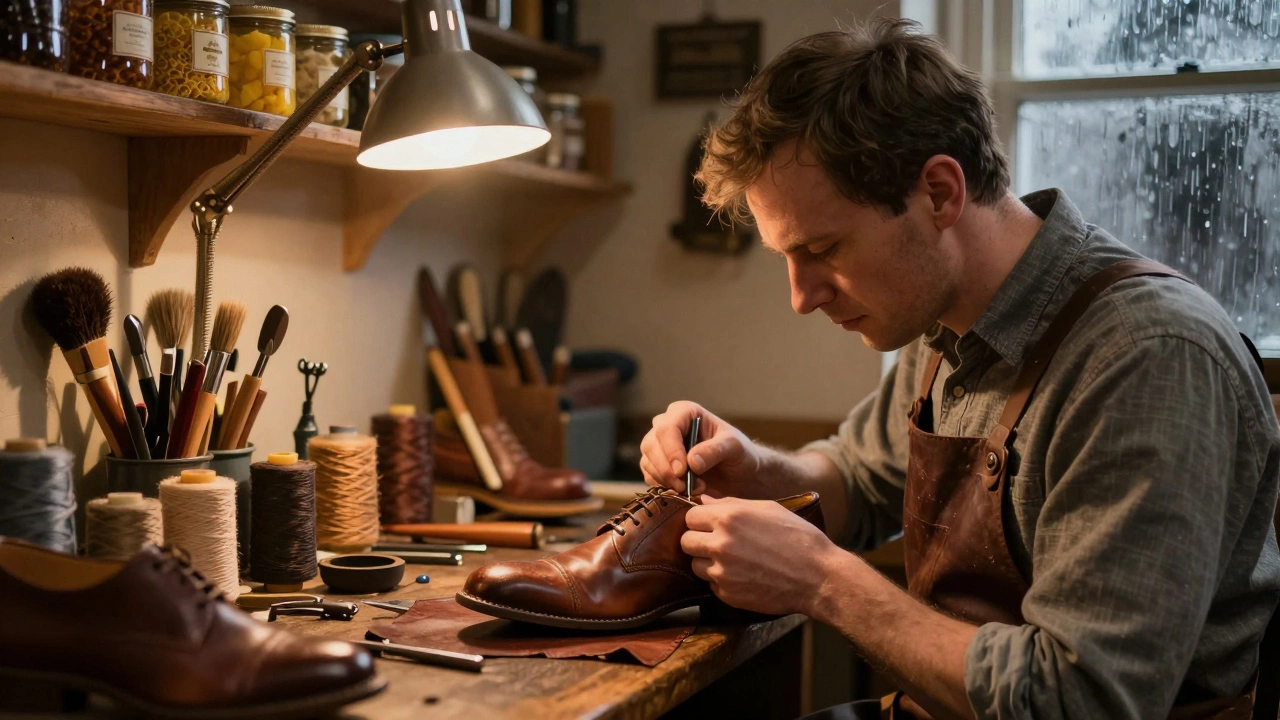
This is where the conversation shifts from passive ownership to active maintenance. In many parts of the world, cobblers are disappearing, but Ireland still has a strong tradition of skilled shoemakers. From the bustling markets in Limerick to independent workshops in Cork and Belfast, there are plenty of professionals who can extend the life of your shoes dramatically.
Think of a cobbler as a mechanic for your feet. Just as you service a car, your shoes need periodic check-ups. Here’s what you should ask for:
- Heel Replacement: Heels wear down faster than soles. Replacing them every 6-12 months prevents uneven walking patterns that can damage the rest of the shoe and your posture.
- Resoling: If you have a welted shoe, resoling is straightforward. Even some cemented shoes can be re-soled by an expert, though it’s riskier.
- Deep Cleaning and Conditioning: Cobblers have industrial-grade cleaners and conditioners that penetrate deeper than store-bought creams. An annual deep clean can restore faded colour and remove ingrained dirt.
- Stitch Repair: Loose threads or small tears in the leather can be fixed before they become gaping holes.
Finding a good cobbler is worth the effort. Ask for recommendations in local communities or check reviews for shops that emphasize "handcrafted" or "traditional repair." Avoid quick-fix kiosks that promise instant results; quality work takes time.
Daily Habits That Extend Shoe Life
Your daily routine plays a massive role in how long your shoes survive. One of the simplest yet most effective habits is rotating your shoes. Leather needs time to dry out and recover its shape after being worn. Wearing the same pair two days in a row traps moisture inside, accelerating degradation. Aim for at least two pairs of everyday shoes and alternate them.
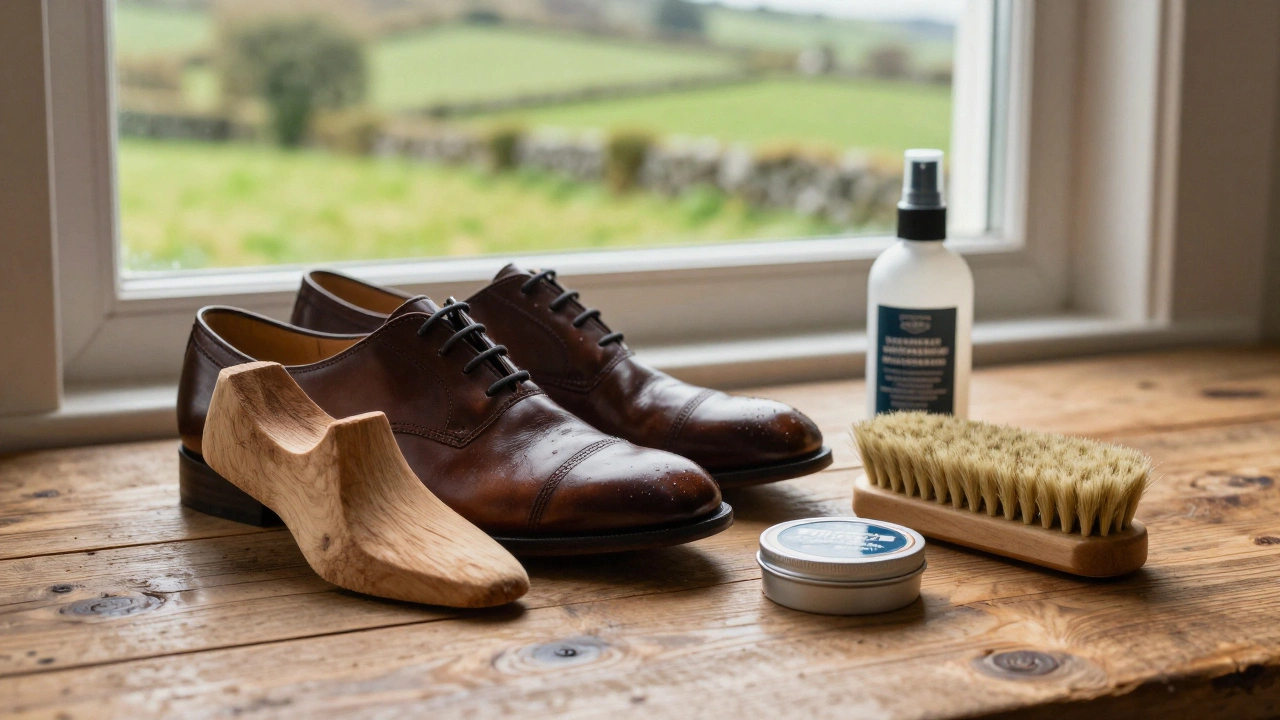
Shoe trees are another non-negotiable accessory. Cedar shoe trees absorb moisture and odours while maintaining the shoe’s structure. Without them, creases deepen into permanent cracks, particularly across the toe box. Insert them immediately after taking your shoes off, not before putting them on.
Regular cleaning is also essential. Brush off dirt and mud after every walk. Mud acts like sandpaper, grinding into the leather and causing micro-abrasions. Use a soft brush for dry dirt and a damp cloth for stains. Apply a matching leather cream every month or so to keep the material nourished. If you notice the colour fading, a light application of leather dye can refresh the look without needing a full replacement.
When Is It Time to Let Go?
Despite your best efforts, no shoe lasts forever. Knowing when to retire a pair is important for both comfort and safety. Here are the signs that your leather shoes have reached their end:
- Structural Failure: If the upper leather is splitting near the seams or the heel counter is collapsing, the shoe can no longer support your foot properly.
- Irreparable Damage: Large burns, severe chemical stains, or extensive mold growth cannot be fixed.
- Comfort Issues: If the insole has compressed completely and causes pain despite new inserts, the foundation is gone.
- Cost of Repair Exceeds Value: If a resole costs half the price of a new equivalent pair, it might be smarter to invest in a new one, unless the sentimental value is high.
For most high-quality leather shoes, hitting the 5-to-10-year mark is a realistic expectation. But with exceptional care, I’ve seen pairs last 15 years or more. The key is treating them as tools that require maintenance, not just accessories.
Local Brands and Where to Shop in Ireland
If you’re looking to invest in durable leather shoes, consider supporting local or Irish-rooted brands. Clarks, founded in Somerset but with a significant presence and manufacturing history linked to the UK and Ireland, offers reliable quality. For more bespoke options, explore independent cobblers in cities like Dublin, Cork, and Galway who make custom boots. These artisans often source high-quality leathers from European tanneries and construct shoes built to withstand the Irish terrain.
Second-hand markets can also be goldmines. Vintage leather shoes from the 1980s and 90s were often made with superior materials compared to today’s fast fashion. Check out charity shops in areas like Rathmines in Dublin or local vintage stores in Kinsale. With a little professional cleaning and resoling, these hidden gems can serve you for years.
How often should I resole my leather shoes?
If you wear your leather shoes daily, consider resoling every 2 to 3 years. For occasional wear, every 4 to 5 years may suffice. Regular inspections by a cobbler can help determine the exact timing based on sole thickness and wear patterns.
Can I waterproof leather shoes myself?
Yes, you can apply waterproofing sprays or waxes at home. Look for products containing beeswax or mink oil. Apply evenly, let it soak in, and buff off excess. Reapply every 3-6 months depending on usage and weather conditions.
Are expensive leather shoes worth the investment?
Generally, yes. Higher-priced shoes often feature Goodyear welting or Blake stitching, allowing for resoling. Over 5-10 years, the cost per wear is lower than replacing cheap shoes annually. Plus, they tend to look better as they age.
What should I do if my leather shoes smell?
Odours usually stem from moisture and bacteria. Use cedar shoe trees to absorb dampness. Sprinkle baking soda inside overnight, or use a specialized shoe deodorizer. Ensure shoes are fully dry before storing.
Where can I find a good cobbler in Ireland?
Major cities like Dublin, Cork, Limerick, and Galway have several reputable cobblers. Look for shops with "cobbler," "shoe repair," or "bootmaker" in their name. Online reviews and local community recommendations are excellent starting points. Avoid generic dry-cleaners offering shoe repair as a side service.