Leather Shoe Break-In Planner
Select your shoe characteristics below to generate a personalized break-in plan with estimated timeline and recommended methods.
Your Personalized Plan
EasyRecommended Methods:
What to Avoid:
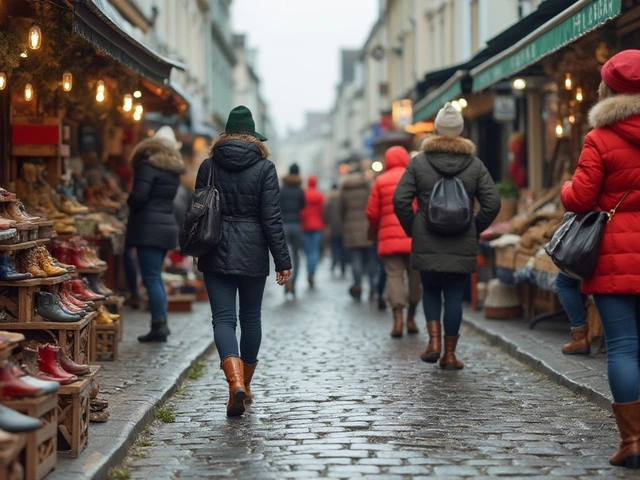
There is nothing quite as painful as the blister you get from a brand-new pair of boots while trying to navigate the uneven pavement outside Grafton Street or the slick, wet stones of a Galway pub crawl. You bought them because they looked sharp, maybe even because they were made by a local artisan in Kilkenny or Cork, but now they feel like torture devices. The question on every Irish person’s mind, especially when the rain starts lashing down and you need to be comfortable for a long day out, is simple: how long does it take to break in a pair of leather shoes?
The short answer is that it usually takes between two to four weeks of regular wear to fully soften stiff leather. However, if you are dealing with high-quality full-grain leather or heavy-duty work boots, that timeline can stretch to six weeks or more. In Ireland, where our weather turns on a dime and our terrain ranges from smooth city pavements to rugged rural tracks, getting this right matters. You don’t want to be limping through a wedding in County Mayo or struggling up the steps of the Guinness Storehouse with sore feet.
Why Leather Needs Breaking In
To understand the timeline, you first have to understand what you are wearing. Leather is not just plastic; it is a natural material made of collagen fibers. When you buy a new pair of shoes from a shop on Henry Street or online from an Irish retailer, those fibers are tight and rigid. They haven’t been molded to the unique shape of your foot yet.
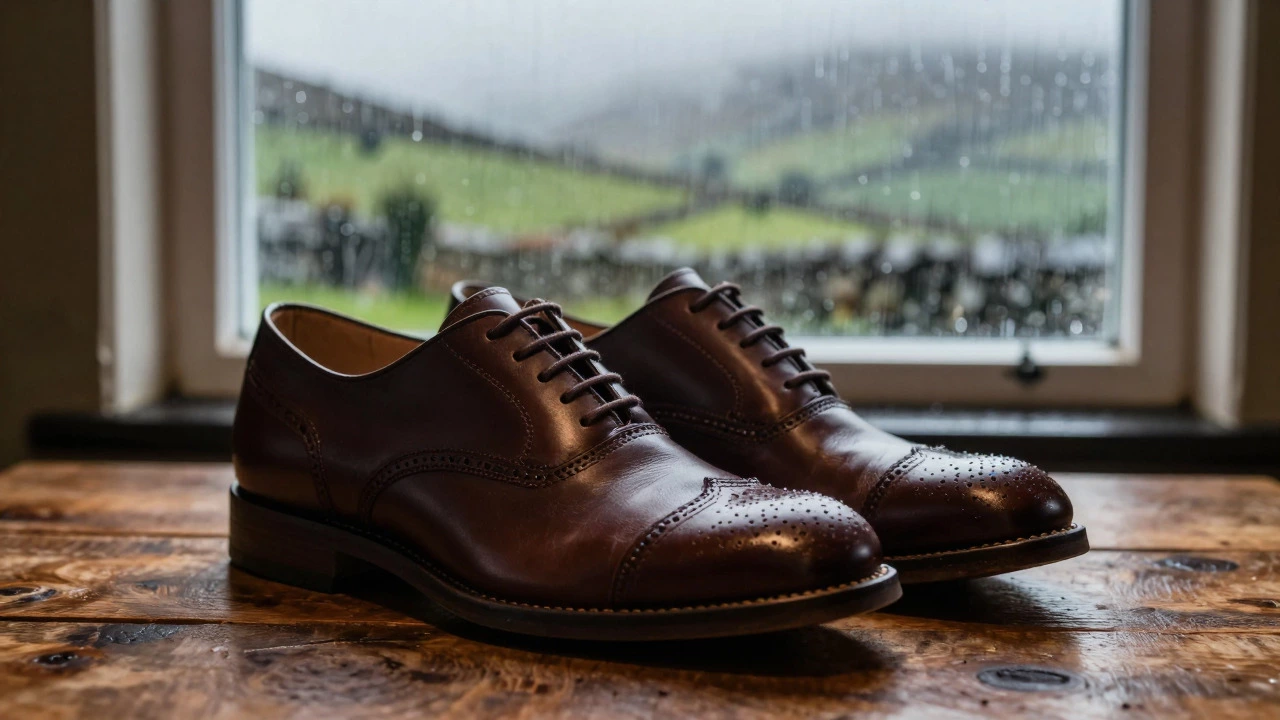
Breaking in leather is essentially the process of stretching these fibers and softening the material so it conforms to your toes, heels, and arches. This is why cheap synthetic materials often feel comfortable immediately-they lack the structural integrity of real leather but also lack the durability. If you invest in good quality footwear, whether it’s a classic brogue from a Dublin cobbler or sturdy hiking boots for the Wicklow Mountains, you are paying for that initial stiffness. That stiffness is what will eventually protect your feet for years to come.
In Ireland, we tend to favor durable goods because our climate is hard on materials. Moisture, mud, and salt from winter roads can degrade poor-quality leather quickly. High-quality leather, once broken in, becomes water-resistant and incredibly tough. But until then, it fights back.
Factors That Change the Timeline
Not all leather shoes are created equal, and several factors will dictate how fast yours become comfortable. Here is what you need to look at:
- Type of Leather: Soft calfskin or suede will break in much faster than thick cowhide or exotic skins like ostrich or crocodile. If you bought heavy-duty work boots from a place like Clarks’ original factory heritage lines or a specialized Irish bootmaker, expect a longer wait.
- Construction Method: Goodyear welted shoes, which are common in high-end Irish footwear, are built to last decades. They are stiffer initially because of the layers of leather and stitching. Cemented construction (glued soles) is softer but less repairable.
- Fit: If the shoes are too tight, no amount of breaking in will fix them. They should fit snugly but not pinch. If you have wide feet, common among many Irish folks due to genetic diversity, you might need to size up slightly or see a cobbler.
- Usage: Walking on concrete in Dublin City Centre breaks in shoes differently than walking on dirt paths in Connemara. Hard surfaces compress the sole faster, while rough terrain flexes the upper leather more.
Safe Ways to Speed Up the Process
You don’t have to suffer for a month. There are several tried-and-true methods to speed up the break-in period without ruining your investment. Many of these tricks are passed down from older generations who learned to care for their boots during harder times.
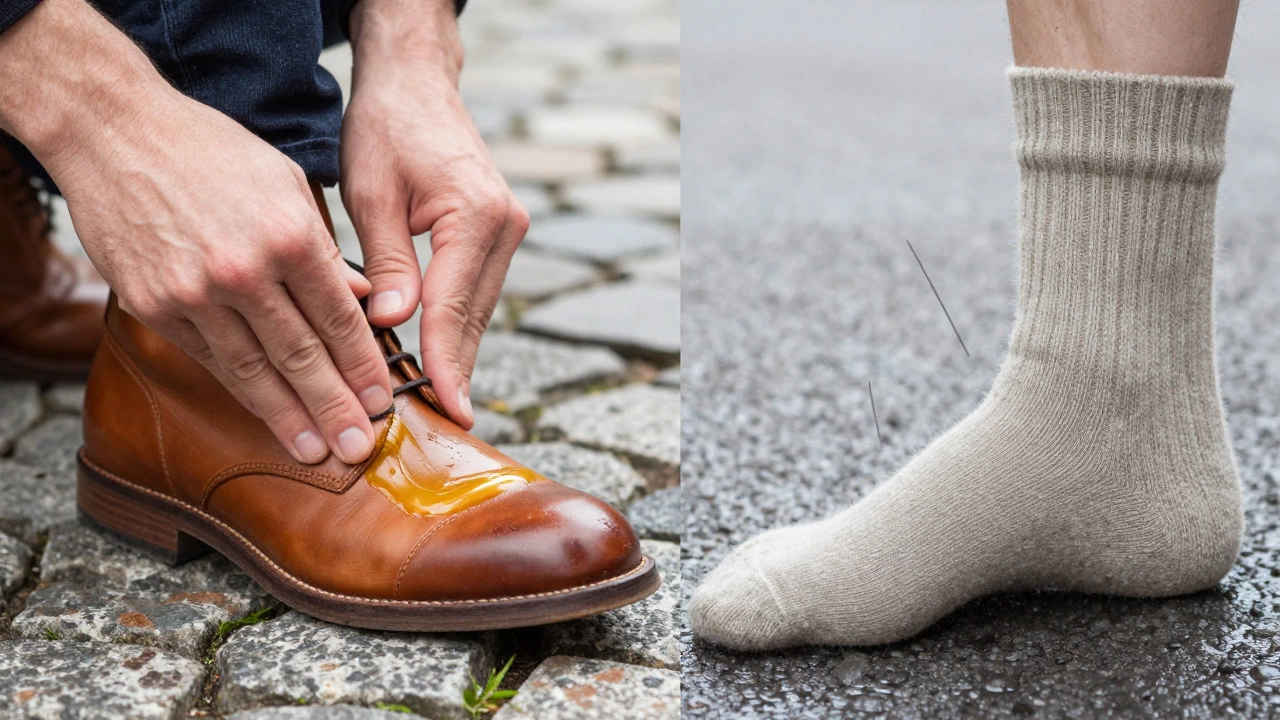
- The Wear Them Indoors Method: Start by wearing your new shoes around the house for 1-2 hours a day. Put on thick socks-wool blends are great for Ireland’s damp climate-and walk around your living room. This allows the leather to stretch gently without the impact of outdoor walking.
- Use a Shoe Stretcher: Invest in a wooden shoe stretcher. Insert it into your shoes and tighten it slightly overnight. This applies constant, gentle pressure to widen the toe box and lengthen the shoe. You can find these at most larger department stores in cities like Limerick or Waterford.
- Condition the Leather: Apply a high-quality leather conditioner. Products containing beeswax or lanolin help soften the fibers. In Ireland, brands like Saphir or local Irish leather care products are widely available. Massage the conditioner into the stiff areas, let it sit for an hour, then buff it off. Repeat this every few days.
- The Heat Method (With Caution): Wear thick socks and put your shoes on. Use a hairdryer on a medium setting to heat the tight spots for about 30 seconds. Keep moving the dryer to avoid burning the leather. Flex your feet and move your toes while the leather is warm. As it cools, it will retain the new shape. Be careful not to overheat, as this can crack the leather.
- The Newspaper Trick: Crumple up some newspaper and stuff it tightly into your shoes. Leave them for 24 hours. The paper absorbs moisture and expands slightly, helping to stretch the leather. This is an old-fashioned trick that still works wonders.
What to Avoid
In your eagerness to get comfortable, you might be tempted to take shortcuts. Some of these can ruin your shoes permanently.
- Don’t Soak Them: You might hear advice to soak your shoes in water. While this works for canvas sneakers, it can damage the glue and structure of leather shoes, especially if they have complex construction. In Ireland’s rainy weather, it’s easy to assume water helps, but controlled conditioning is better than soaking.
- Avoid Freezing: The myth that putting water-filled bags in shoes and freezing them stretches them is risky. Ice expands unpredictably and can burst seams or warp the leather. Given our cold winters, it’s tempting, but skip it.
- Don’t Walk Long Distances Immediately: Don’t try to break in new shoes by hiking the Slieve Bloom Mountains or attending a three-day festival in Killarney. Save those activities for when the shoes are already softened. Short trips to the local shops or a quick walk along the Liffey are better starting points.
When to See a Professional Cobbler
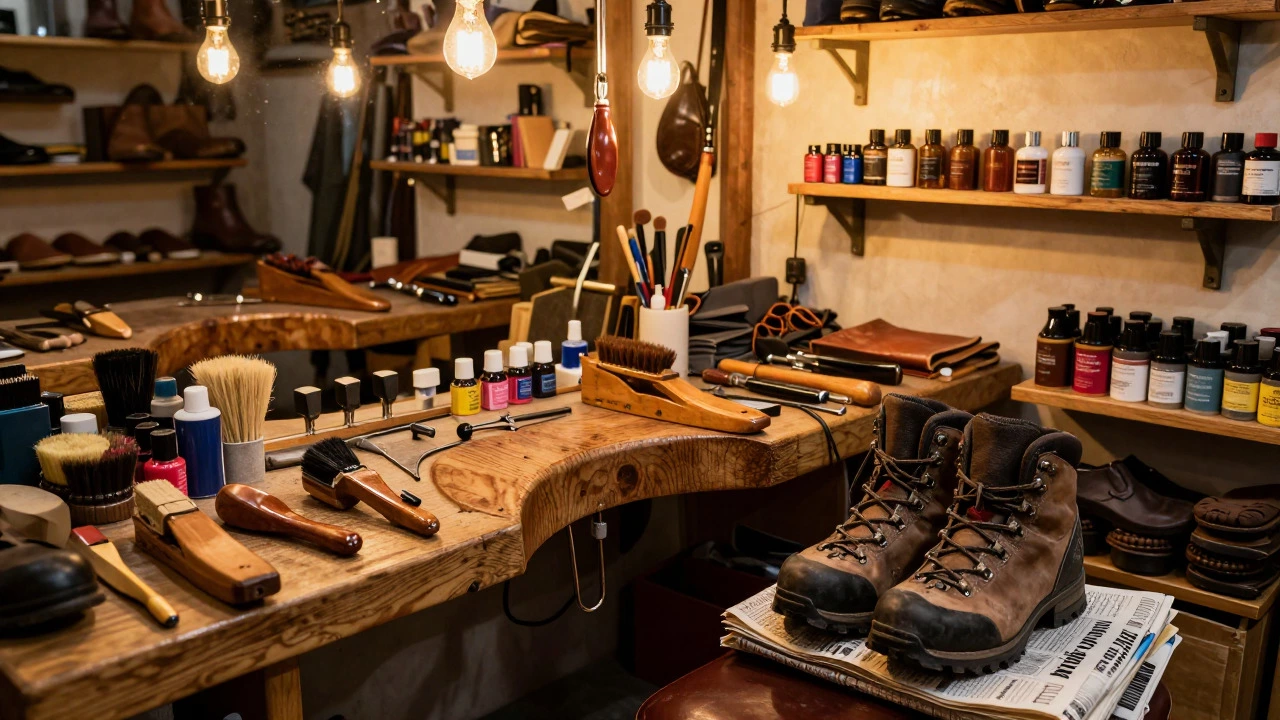
If you’ve tried everything and your shoes still hurt, it might be time to visit a professional. Ireland has a rich tradition of skilled cobblers. Places like Cobblers of Dublin or independent shops in Galway can stretch specific problem areas using professional machinery. They can also add padding or adjust the heel if the issue is structural rather than just stiffness.
A good cobbler can tell you if the shoes are simply the wrong shape for your foot. Sometimes, despite best efforts, a square-toe shoe won’t work for someone with narrow feet, or vice versa. It’s better to know early so you can exchange them while the return window is open.
Maintaining Comfort After Break-In
Once your shoes are broken in, the job isn’t done. To keep them comfortable and looking good in Ireland’s variable climate, regular maintenance is key.
- Dry Them Properly: If you get caught in a typical Irish downpour, don’t dry your shoes near a radiator or fire. Use shoe trees to maintain shape and let them air dry naturally. Heat cracks leather.
- Rotate Your Pairs: Don’t wear the same pair two days in a row. Leather needs time to breathe and recover its shape. Rotating pairs extends their life significantly.
- Recondition Regularly: Every few months, apply a fresh layer of conditioner. This keeps the leather supple and prevents it from drying out and cracking, especially during harsh winters.
Conclusion
Breaking in leather shoes is a small price to pay for long-term comfort and style. In Ireland, where we value quality and durability, taking the time to properly break in your footwear ensures they will serve you well through countless walks, festivals, and rainy days. By using safe methods like indoor wear, conditioning, and professional stretching, you can reduce the discomfort period and enjoy your new shoes sooner. Remember, patience pays off. Those blisters you avoid today mean miles of pain-free walking tomorrow.
How long does it take to break in leather shoes in Ireland?
Typically, it takes 2 to 4 weeks of regular wear to fully break in leather shoes. For heavy-duty boots or thick leather, it may take up to 6 weeks. Using methods like conditioning and indoor wear can speed this up.
Can I use alcohol to break in leather shoes?
Yes, spraying a mixture of water and rubbing alcohol inside the shoes can soften the leather quickly. However, use caution as alcohol can dry out the leather if overused. Always condition afterwards.
Where can I find a good cobbler in Dublin?
Dublin has several reputable cobblers, including shops on Grafton Street and in the Temple Bar area. Look for independent businesses with positive reviews for stretching and repair services.
Is it better to break in shoes indoors or outdoors?
Start indoors to minimize impact and allow for gradual stretching. Once the shoes are somewhat comfortable, transition to short outdoor walks on varied terrain to complete the process.
Does Irish weather affect leather shoe break-in?
Yes, humidity and rain can soften leather faster but also risk damage if not dried properly. Conditioning regularly is crucial in Ireland’s damp climate to prevent cracking and maintain flexibility.