Hoodie Quality & Fit Checker
Select the options that match your hoodie's label or feel.
Check the boxes for features you can verify on the garment.
- Flatlock stitching (smooth seams)
- Reinforced hood eyelets (drawstring holes)
- Bar-tacked stress points (pockets/hem)
- Functional hood coverage (not just decorative)
- Certified Organic (GOTS/OEKO-TEX)
- Made in Europe/Ireland (Lower Carbon Footprint)
- Durable/Repairable Design
Quality Score
Recommendation:
Fill out the sections to get a tailored recommendation for Irish conditions.
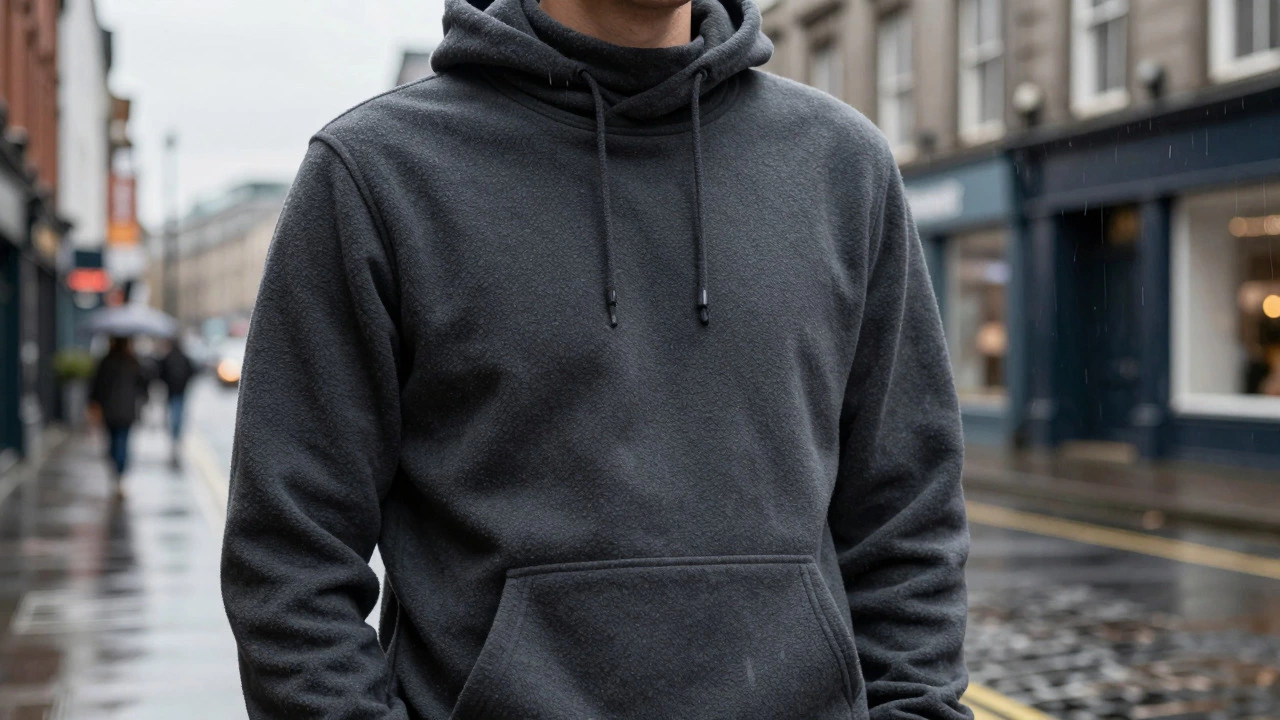
Walking down Grafton Street on a damp Tuesday morning, you know exactly what you need. Not just any warm layer, but a quality hoodie that can handle the unpredictable Irish climate without feeling like you're wearing a blanket. In Ireland, where the weather changes faster than your plans, selecting the right outerwear is less about style and more about survival. You want a garment that keeps out the chill from Galway Bay or the wind off the Cliffs of Moher, yet breathes well enough for a quick walk in Phoenix Park. This guide breaks down how to spot genuine quality in the local market, avoiding the fast-fashion traps that leave you with pilled fabric after one winter.
Understanding Fabric Weight and Composition
The first thing to check is the fabric label. In Ireland, the standard for a good everyday hoodie is a mid-to-heavyweight cotton fleece, typically ranging between 300gsm and 400gsm (grams per square meter). Lighter weights, under 250gsm, are great for summer evenings in Kilkenny but will offer zero protection against a November drizzle in Cork. Heavier weights, above 450gsm, are better suited for high-vis workwear or extreme cold, often found in industrial supplies rather than casual wear. Look for a blend of 80% cotton and 20% polyester. The cotton provides softness and breathability, while the polyester adds durability and helps the fabric retain its shape after multiple washes. Pure cotton hoods tend to shrink significantly if not pre-shrunk, a common issue with cheaper imports sold in high-street shops across Dublin and Belfast.
Construction Details That Matter
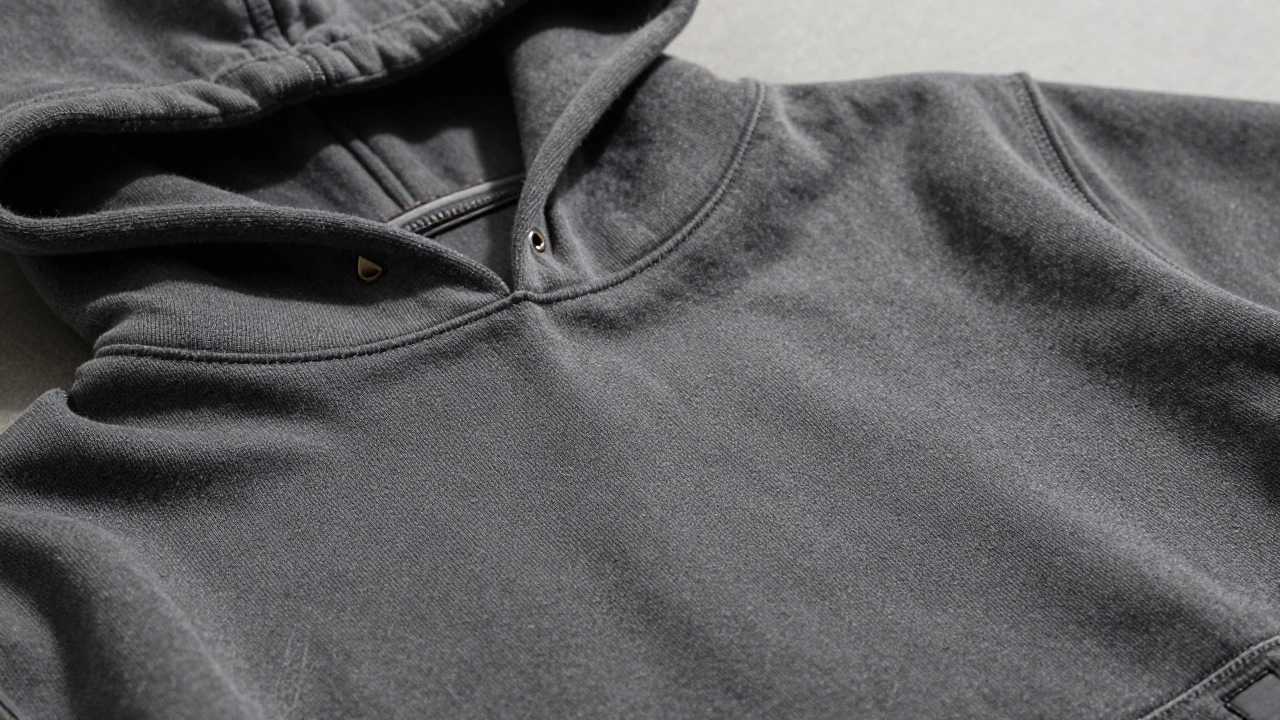
Quality isn't just about the material; it's about how the pieces are put together. Turn the hoodie inside out and inspect the stitching. High-quality garments use flatlock stitching, which lies flat against the skin and reduces irritation. If you see raised, thick seams, they may rub uncomfortably during long days. Check the hood specifically. A well-constructed hood has reinforced eyelets for the drawstring, preventing the cord from tearing through the fabric. Many budget hoodies sold online lack this reinforcement, leading to frayed edges within a few months. Also, look for bar-tacked stress points at the pocket corners and hem. These small triangular stitches prevent rips when you pull on the hoodie or lean against a railing on a pier in Howth.
| Weight (gsm) | Best For | Irish Weather Suitability |
|---|---|---|
| 200-250 | Summer layers, indoor wear | Poor for rain/wind, good for dry spring days |
| 300-350 | All-year round daily wear | Excellent balance of warmth and mobility |
| 400-450 | Cold winters, outdoor activities | High insulation, may overheat indoors |
Sizing and Fit for Local Preferences
Fit preferences in Ireland have shifted towards a relaxed, comfortable silhouette over the past decade. Unlike the skinny fit popular in the early 2010s, most locals now prefer a drop shoulder design that allows for layering underneath. When buying online, always check the specific brand's size chart, as sizing varies wildly between international brands and local Irish labels. A 'Medium' in a global chain might be tighter than a 'Medium' from a boutique in Temple Bar. If you plan to wear the hoodie over a t-shirt or light sweater, consider sizing up by one. Pay attention to sleeve length; sleeves should end at the wrist bone, not cover your hands, unless you prefer the oversized streetwear look. For those with broader shoulders, look for brands that specify 'athletic fit' or check reviews mentioning shoulder width, as many standard cuts can feel restrictive.
Durability and Care Instructions
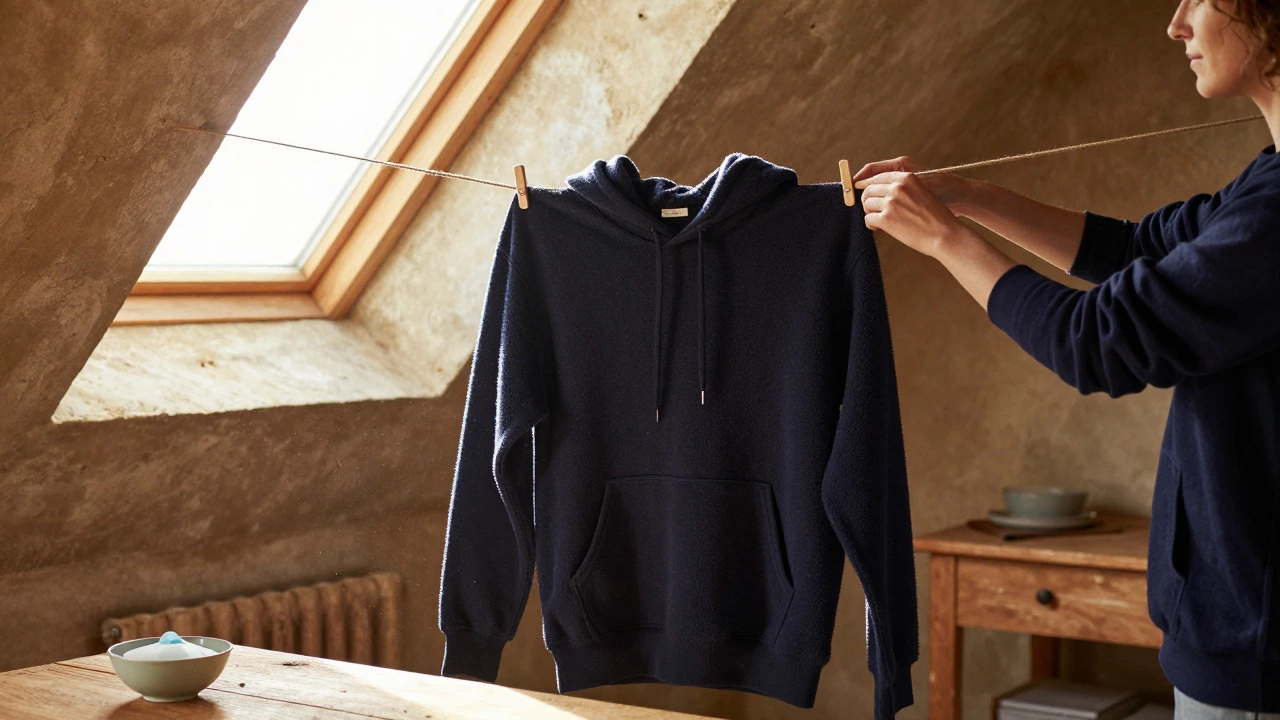
A quality hoodie should last several seasons, not just one. To ensure longevity, follow the care instructions printed on the tag. Most cotton-fleece blends should be washed inside out on a gentle cycle with cold water. Hot water causes shrinking and fading, especially on darker colors like navy or charcoal, which are staples in Irish wardrobes due to their versatility. Avoid using fabric softener, as it coats the fibers and reduces the fabric's ability to wick moisture. Instead, use a mild detergent designed for technical fabrics. Drying is another critical step. Tumble drying on low heat can help fluff the fleece, but high heat will break down the elastic in the cuffs and waistband. Air drying is the safest option for preserving the shape, though it takes longer. If you live in a humid area like the west coast, air drying might take an extra day, so plan accordingly before heading out.
Local Brands vs. International Chains
Ireland has a growing scene of local apparel brands that focus on sustainability and durability. Shopping locally supports the community and often results in higher quality control. Brands based in Dublin, Cork, and Galway frequently use organic cotton and fair-trade manufacturing processes. While international fast-fashion chains offer lower price points, their quality consistency can be hit-or-miss. You might find a gem, but you're also likely to encounter thinning fabric and poor stitching. If you choose to buy from a major retailer, stick to their premium lines rather than the basic essentials range. These premium lines usually feature heavier fabrics and better construction details. Alternatively, consider vintage shopping in areas like Smithfield Market in Dublin, where you can find well-made older garments that have already been tested by time. Just be sure to check for moth damage or weak seams before purchasing.
Evaluating Sustainability Claims
With increasing awareness of environmental impact, many shoppers in Ireland are looking for eco-friendly options. However, not all 'green' claims are created equal. Look for certifications like GOTS (Global Organic Textile Standard) or OEKO-TEX, which verify that the fabric is free from harmful chemicals. These certifications are particularly important if you have sensitive skin. Also, consider the production location. Garments made in Europe or nearby regions generally have a lower carbon footprint than those shipped from distant countries. Local Irish brands often highlight their supply chain transparency, allowing you to trace the journey of your hoodie from farm to shop. This level of detail is rarely available from mass-market retailers. Choosing a durable, repairable hoodie also contributes to sustainability by reducing waste. If a seam comes loose, a quality hoodie can be easily mended, extending its life by years.
Common Mistakes to Avoid
One of the biggest mistakes buyers make is prioritizing price over quality. A €30 hoodie might seem like a bargain, but if it pills after two washes, it's actually more expensive than a €60 hoodie that lasts three years. Another error is ignoring the hood's functionality. Some hoodies have decorative hoods that don't provide real coverage. Test the hood on yourself in-store if possible. Ensure it covers your head comfortably without pulling back. Also, beware of overly bright dyes that may bleed onto other clothes in the wash. Darker colors are safer and more practical for the muddy conditions often found in rural Ireland. Finally, don't skip the try-on process. Even if you've bought the same size before, different cuts feel different. Take a few minutes to move around, raise your arms, and sit down to ensure the hoodie moves with you.
What is the best fabric weight for a hoodie in Ireland?
A weight between 300gsm and 350gsm is ideal for most Irish conditions. It provides sufficient warmth for cool mornings and evenings while remaining breathable enough for indoor settings. Heavier weights are better for deep winter, but lighter ones suffice for spring and autumn.
How do I tell if a hoodie is high quality?
Check the stitching for flatlock seams, inspect the fabric density, and look for reinforced stress points like bar-tacks. The fabric should feel substantial, not thin or flimsy. Additionally, verify the presence of quality certifications like GOTS for organic materials.
Should I buy local Irish brands or international ones?
Local Irish brands often offer better sustainability practices and consistent quality control. They are also more likely to use durable materials suitable for the local climate. International chains can be affordable, but you must carefully select their premium lines to avoid low-quality basics.
How should I care for my hoodie to make it last?
Wash your hoodie inside out in cold water with a gentle detergent. Avoid fabric softeners and high-heat tumble drying. Air drying is the best method to preserve the shape and elasticity of the cuffs and waistband. Follow the specific care instructions on the garment's tag.
Is it worth paying more for a sustainable hoodie?
Yes, if you value longevity and environmental impact. Sustainable hoodies are typically made from higher-quality materials that last longer, reducing the frequency of replacement. The initial cost is higher, but the cost-per-wear is often lower over time compared to cheap fast-fashion alternatives.