Find Your Perfect Suit Size
Enter your measurements below to find your recommended UK and EU suit sizes, including length adjustments (Regular, Long, Short).
Standing in a fitting room at Brown Thomas or browsing the racks in Penneys, you’ve probably stared at a label that says suit size and felt completely lost. Is it 38 Regular? 40 Short? Why does one brand’s 42 feel like a tent while another’s feels like a straightjacket? Finding your correct suit size isn’t just about picking a number; it’s about understanding how fabric interacts with your body shape, especially given the diverse builds of men across Ireland.
Here is the truth: off-the-rack suits are designed for an average man who rarely exists. Whether you’re heading to a wedding in Cork, a business meeting in Dublin’s Docklands, or a funeral in Galway, getting the fit right changes everything. It’s not vanity; it’s respect for the occasion and confidence in your own skin. Let’s break down exactly how to measure yourself and navigate the Irish market without needing a tailor on speed dial immediately.
The Three Measurements That Actually Matter
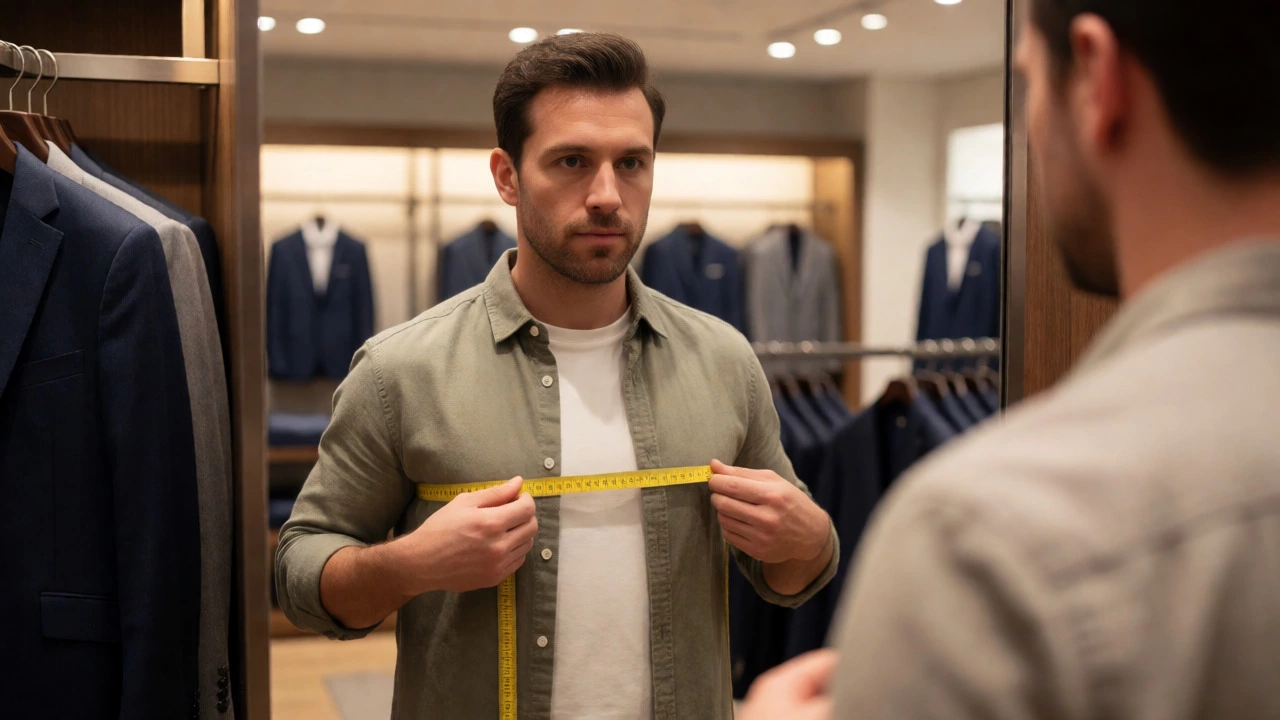
You don’t need to be a tailor to take accurate measurements. You only need a flexible tape measure (the kind you’d find in any haberdashery in Dublin’s Liffey Valley or online from Amazon UK) and a mirror. Ignore the complex charts for now. Focus on these three critical areas.
1. Chest Measurement: This is the anchor. Stand naturally, arms down. Wrap the tape around the fullest part of your chest, under your armpits, keeping it parallel to the floor. Don’t puff out your chest; breathe normally. If you get 40 inches, your base jacket size is likely 40. But wait-this is where most people mess up. If you wear a thick jumper underneath often (very common in Irish winters), add half an inch. If you’re slim, stick to the exact number.
2. Waist Measurement: Measure around your natural waistline, which is usually just above your belly button. For suit trousers, this is crucial. Many Irish men carry weight around their midsection due to our love of hearty food and beer. If your waist is 34 inches, you’ll need a 34-inch trouser waist, but remember that suit jackets have buttons that cinch slightly. The gap between the jacket’s buttoned closure should allow you to slip a flat hand inside comfortably. No more, no less.
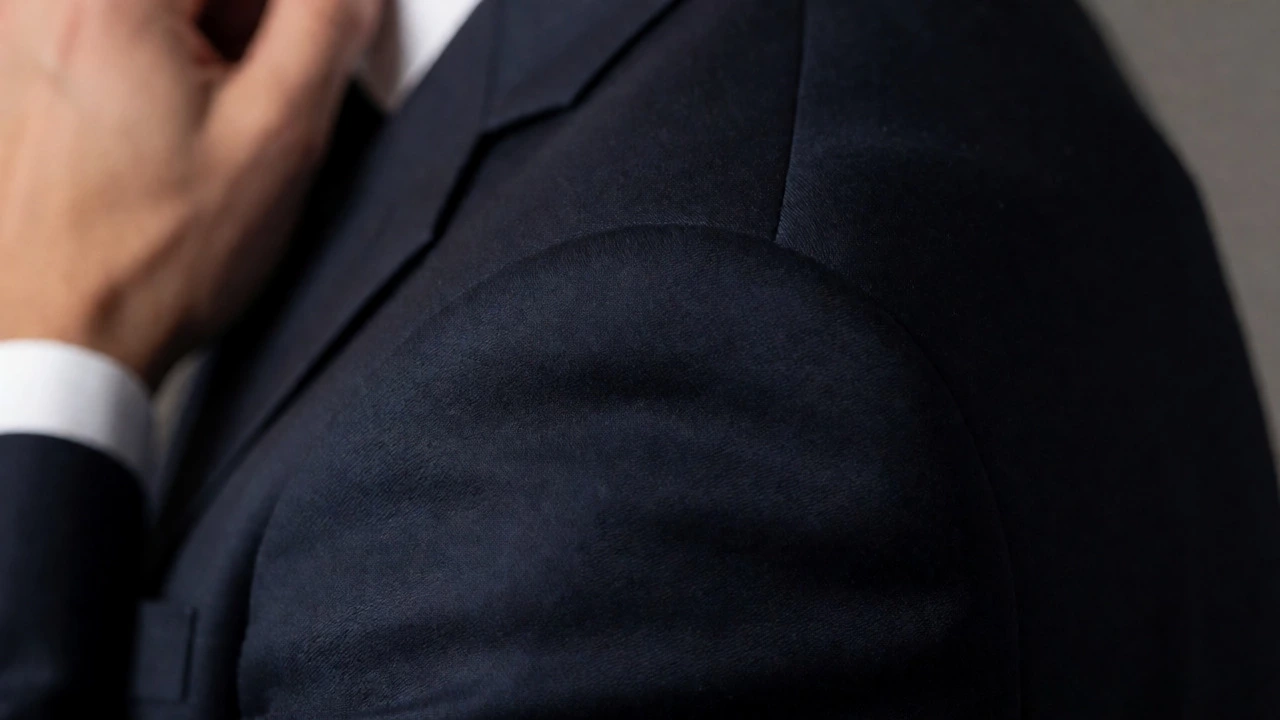
3. Shoulder Width: This is the hardest part to alter later. Have someone measure from the edge of one shoulder bone to the other, across your back. Or, look at a shirt that fits you perfectly. The seam should hit exactly where your shoulder ends. If the jacket shoulder extends past your actual shoulder, it looks sloppy. If it cuts into your arm, you’ll feel restricted when you raise your hands to shake someone’s at a networking event in Belfast.
| Suit Size (UK/EU) | Chest (Inches) | Waist (Inches) | Typical Height Range (ft/in) |
|---|---|---|---|
| 36R / 46EU | 36-37 | 30-31 | 5'7" - 5'9" |
| 38R / 48EU | 38-39 | 32-33 | 5'8" - 5'10" |
| 40R / 50EU | 40-41 | 34-35 | 5'9" - 6'0" |
| 42R / 52EU | 42-43 | 36-37 | 5'10" - 6'2" |
| 44R / 54EU | 44-45 | 38-39 | 6'0" - 6'3" |
Decoding the Letter Codes: R, S, L, and Long
You’ll see numbers followed by letters: 40R, 42L, 38S. These stand for Regular, Long, and Short. In Ireland, we tend to be a mix of tall lads and shorter guys, so this distinction matters more than you think.
Regular (R): Designed for men between 5’8” and 5’11”. Most high street brands like Next, M&S, and H&M stock mostly Regular sizes because they assume this is the majority. If you’re within this height range, start here.
Long (L): For men over 6 feet tall. The sleeves and torso are extended. If you buy a Regular size and the sleeves end at your wrist bones instead of showing half an inch of shirt cuff, you need a Long. Tall men in Dublin often struggle to find good options locally, sometimes resorting to ordering from ASOS or specialized retailers like Reiss.
Short (S): For men under 5’7”. The jacket is cut shorter in the body and sleeves. This prevents the "boy wearing dad’s suit" look. Brands like Ted Baker or specific lines from Marks & Spencer often cater better to shorter frames.
Athletic Fit: Some brands offer an athletic cut, which has a wider chest and narrower waist. If you lift weights regularly-common among the GAA crowd-you might find standard cuts too boxy in the waist despite fitting in the shoulders. Look for labels saying "Slim," "Athletic," or "Tailored Fit." Avoid "Classic" or "Traditional" if you want a modern silhouette.
Navigating Irish Retailers and Brand Quirks
Not all sizes are created equal, even within the same country. Here’s what to expect when shopping in Ireland.
Marks & Spencer (M&S): A staple for many Irish families. Their sizing is generally true to size but tends to run slightly generous in the waist. If you’re on the fence between two sizes, try the smaller one first. Their "Autograph" line offers sharper tailoring, while their mainline is more forgiving for comfort.
Brown Thomas & Arnotts: Higher-end retailers carrying brands like Hugo Boss, Armani, and local Irish designers. European brands often use EU sizing (e.g., 48, 50, 52). Remember: EU size minus 10 roughly equals UK size. So, a 50 EU is approximately a 40 UK. However, Italian cuts (like Zegna) are slimmer and shorter than British cuts (like Burberry). Always try before you buy.
Penneys & Dunnes Stores: Great for budget-friendly options. Be careful here. Quality control can vary. A size 40 in one batch might fit differently than a size 40 in another. Check the seams and lining quality. If the fabric feels thin or shiny, it might not hold its shape after a few wears. These are excellent for funerals or occasional wear but maybe not for daily office use.
Online Shopping: Ordering from UK sites like ASOS or Topman is popular due to fast shipping to Ireland. However, returns can be a hassle post-Brexit. Use their detailed size guides religiously. They often provide model stats (height, weight, size worn), which helps visualize the fit. If you order multiple sizes, tag them as "try-on" items and return the rest promptly to avoid customs headaches.
The Fit Test: What to Look For in the Mirror
You’ve tried it on. Now, ignore the salesperson telling you it looks great. Do these checks yourself.
- The Button Test: Button the top button of a two-button jacket. You should be able to slide a flat palm between the fabric and your stomach. If there’s an X-shaped strain across the buttons, it’s too tight. If there’s excess fabric flapping, it’s too loose.
- The Collar Gap: Turn sideways. There should be almost no gap between your neck and the jacket collar. A small gap (half an inch) is acceptable if you wear a thick shirt, but a large gap means the jacket is too big in the shoulders.
- Sleeve Length: With your arms hanging naturally, you should see about half an inch of your dress shirt cuff peeking out. If you see no shirt, the sleeves are too short. If you see two inches, they’re too long.
- Trouser Break: The hem of your trousers should lightly touch the top of your shoe. No pooling at the ankle (unless you’re going for a very trendy, wide-leg look), and no floating above the shoe. A slight crease is fine, but excessive bunching looks unkempt.
When to Alter and When to Walk Away
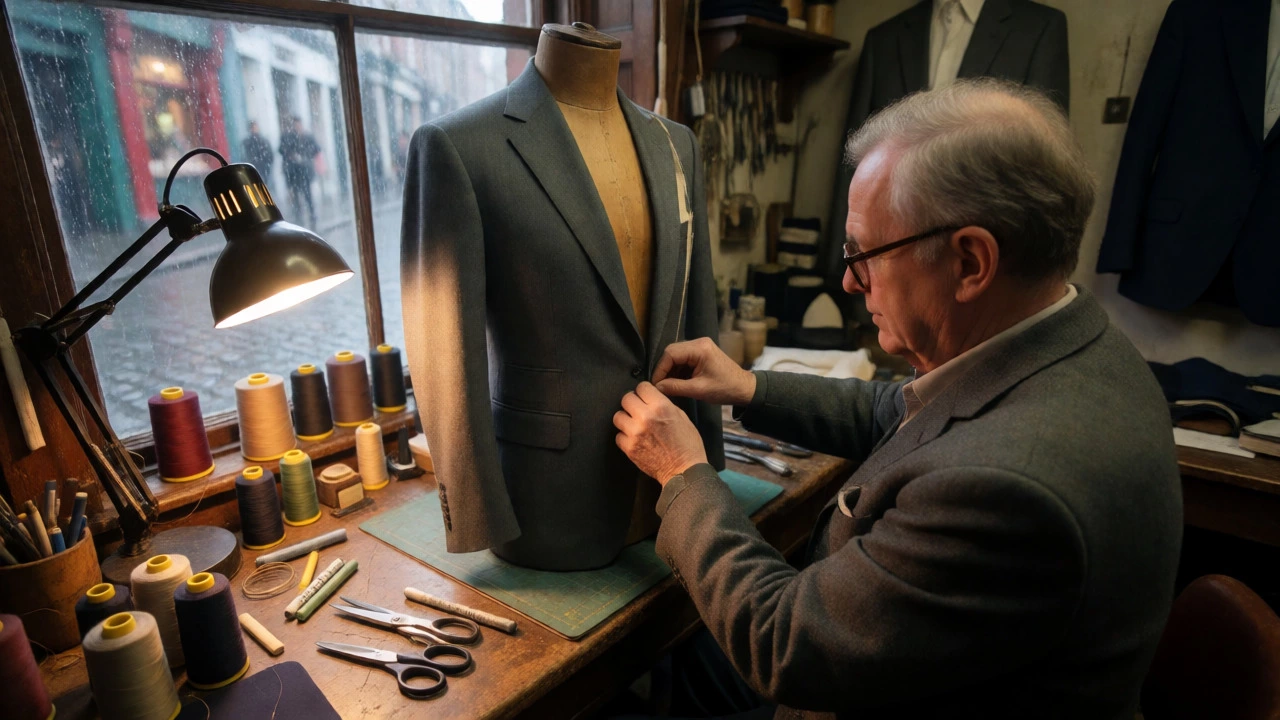
No off-the-rack suit fits perfectly. Tailoring is part of the process. In Ireland, finding a reliable tailor can take time. Places like O’Connell Street in Dublin or smaller shops in Limerick city often have skilled alterations specialists.
Easy Fixes: Sleeve length, trouser hemming, taking in the waist, and shortening the jacket body are standard adjustments. Budget €30-€60 for basic alterations. This is worth every cent.
Hard Fixes: Shoulders are difficult and expensive to alter. If the shoulders don’t fit, walk away. Moving the shoulder seam requires reconstructing the entire front panel, costing nearly as much as the suit itself. Similarly, widening the chest significantly is tricky.
If you’re buying a cheap suit from Penneys, spending €50 on tailoring might double the cost. Consider if a slightly more expensive suit from M&S with free or cheap alterations is a better investment. For weddings or major events, never skip the tailor. A €200 suit tailored well looks like €800. An €800 suit fitted poorly looks like €200.
Common Pitfalls for Irish Men
We live in a damp climate. Wool blends breathe better than polyester, which traps sweat and wrinkles easily. If you’re commuting on the Luas or driving in rain, synthetic suits can look disheveled quickly. Invest in natural fibers where possible.
Also, consider your posture. Many of us sit at desks all day, leading to rounded shoulders. A suit jacket might pull across the back if it’s not cut for a slight stoop. Ask the tailor to let out the back vents slightly if you feel restricted when reaching forward.
Finally, don’t ignore the shoes. Your suit size affects how your trousers drape over your footwear. Ensure your leather shoes are polished and clean. In Ireland, we value smart casual, but a suit demands attention to detail. Dirty scuffs on black oxfords ruin the effect faster than a slightly loose tie.
What if my chest and waist sizes differ significantly?
This is common. Buy the suit based on your chest and shoulder fit, as these are hard to alter. Then, have a tailor take in the waist of the jacket and adjust the trousers separately. Never buy a suit that fits your waist but is tight in the chest; you cannot easily expand the chest area without ruining the structure.
Can I wear a suit to a casual pub in Ireland?
Absolutely, but adapt it. Skip the tie and leave the top button undone. Wear dark jeans or chinos instead of matching suit trousers if you want a relaxed vibe. Just ensure the jacket still fits properly in the shoulders. A well-fitted blazer over a t-shirt is a classic Irish smart-casual look.
How do I know if a suit is too short?
The bottom of the jacket should cover your seat. If you bend forward and your buttocks are exposed, it’s too short. Also, check the sleeve length again; if your wrists show too much skin, the sleeves are short. Both indicate a "Short" or petite cut is needed, regardless of your width size.
Are Irish sizes different from American sizes?
Yes. US sizing is often larger in the waist relative to the chest compared to UK/Irish sizing. If you’re used to American brands, expect to go down a size in the waist when switching to Irish/UK brands. Always rely on measurements in inches rather than trusting the label alone.
How much should I budget for tailoring in Ireland?
Expect to pay between €25 and €60 for basic alterations like hemming trousers and adjusting sleeves. More complex work, like taking in the jacket sides or moving pockets, can cost €80+. Prices vary by location; Dublin tailors may charge more than those in rural towns. Always ask for a quote before handing over the garment.