Irish Evening Dress Selector
Planning an event in Ireland? Select your scenario below to get tailored advice on fabrics, lengths, and practical survival tips for our unpredictable climate.
Your Perfect Match
Recommended Fabric
Ideal Length & Style
Footwear Strategy
Color Palette
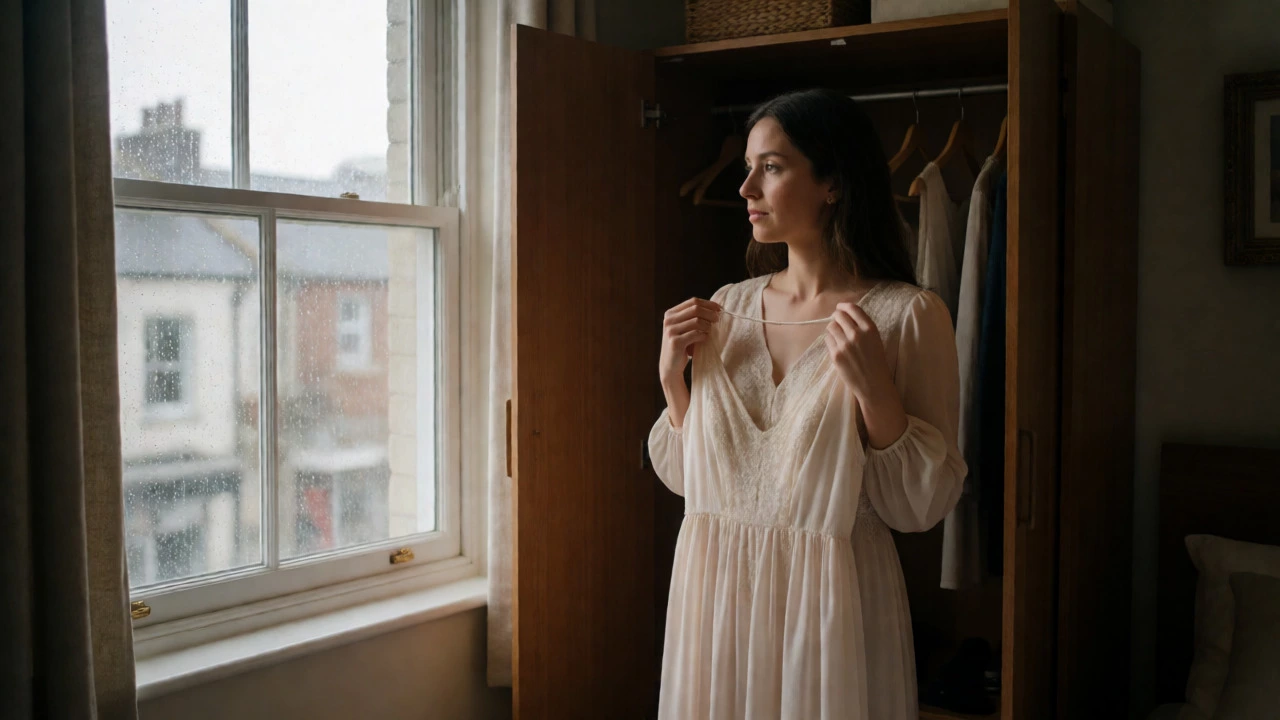
Standing in front of your wardrobe in Galway or Dublin, staring at a pile of clothes that just won't work for Saturday night, is a universal experience. But picking the right evening dress in Ireland comes with its own set of rules. It’s not just about looking good; it’s about surviving the wind off the Atlantic, navigating cobblestones in Cork, and staying warm when the heating cuts out in a drafty country house venue. Whether you’re heading to a wedding in Kildare or a corporate gala in Ballsbridge, getting this choice wrong can mean shivering through dinner or stepping on your hem every time you walk up stairs.
Ireland’s social calendar is packed with events that demand formal attire. From Debs and Proms in spring to the endless cycle of weddings and engagement parties through summer, and ending with festive office parties in December, there’s rarely a month without a reason to dress up. The challenge? Balancing elegance with practicality. You need something that photographs well under dim restaurant lighting but also keeps you comfortable while standing around holding a glass of wine for three hours. Let’s break down exactly how to choose a gown that works for the Irish climate and culture.
Know Your Venue and Weather Reality
Before you even look at a hanger, ask yourself one question: Where are we going? In Ireland, the difference between a city center hotel ballroom and a rural marquee can be twenty degrees. If you’re attending an event in a historic castle like Ashford Castle or Adare Manor, expect stone floors and high ceilings that suck the warmth right out of thin fabrics. Silk chiffon might look dreamy on Instagram, but if you’re outside in County Clare in October, you’ll be freezing within minutes.
Check the forecast. This sounds obvious, but Irish weather changes fast. If your event involves moving between locations-say, photos in a garden followed by dinner indoors-opt for layers. A structured blazer or a chic faux-fur wrap isn’t just an accessory; it’s survival gear. I’ve seen too many people regret wearing backless gowns to a September wedding in Wicklow because they didn’t account for the sudden drop in temperature after sunset.
Fabric Choices That Survive the Irish Climate
Not all fabrics are created equal, especially when humidity is involved. Ireland is damp. That moisture affects how certain materials hang and feel against your skin. Avoid cheap synthetics like polyester satin if you can help it. They don’t breathe, and combined with the heat from dancing or crowded rooms, you’ll end up sweaty and uncomfortable. Plus, static cling in dry indoor heating versus humid outdoors can make cheap dresses look messy by 9 PM.
Instead, look for natural fibers or high-quality blends. Wool crepe is a secret weapon for winter evenings. It drapes beautifully, resists wrinkles, and holds warmth better than silk. Velvet is another excellent choice for autumn and winter events. It has weight, which helps it stay put in windy conditions, and it looks luxurious under low light. For summer events, cotton-linen blends offer breathability, but beware-they wrinkle easily. If you choose linen, embrace the texture or plan to steam it before leaving the house.
| Season | Recommended Fabric | Why It Works in Ireland | Avoid |
|---|---|---|---|
| Winter (Nov-Feb) | Velvet, Heavy Satin, Wool Crepe | Retains heat, looks rich in dark months, withstands wind. | Chiffon, Lace alone |
| Spring (Mar-May) | Silk, High-Quality Rayon, Taffeta | Breathable for mild days, elegant structure for unpredictable rain. | Heavy Knits |
| Summer (Jun-Aug) | Cotton Poplin, Linen Blends, Georgette | Cooling effect for humid days, lightweight for outdoor marquees. | Thick Velvet, Polyester |
| Autumn (Sep-Oct) | Jersey, Faux Leather Accents, Brocade | Layer-friendly, durable against mud/grass, sophisticated tones. | Sheer Mesh |
Length Matters: Cobblestones and Grass
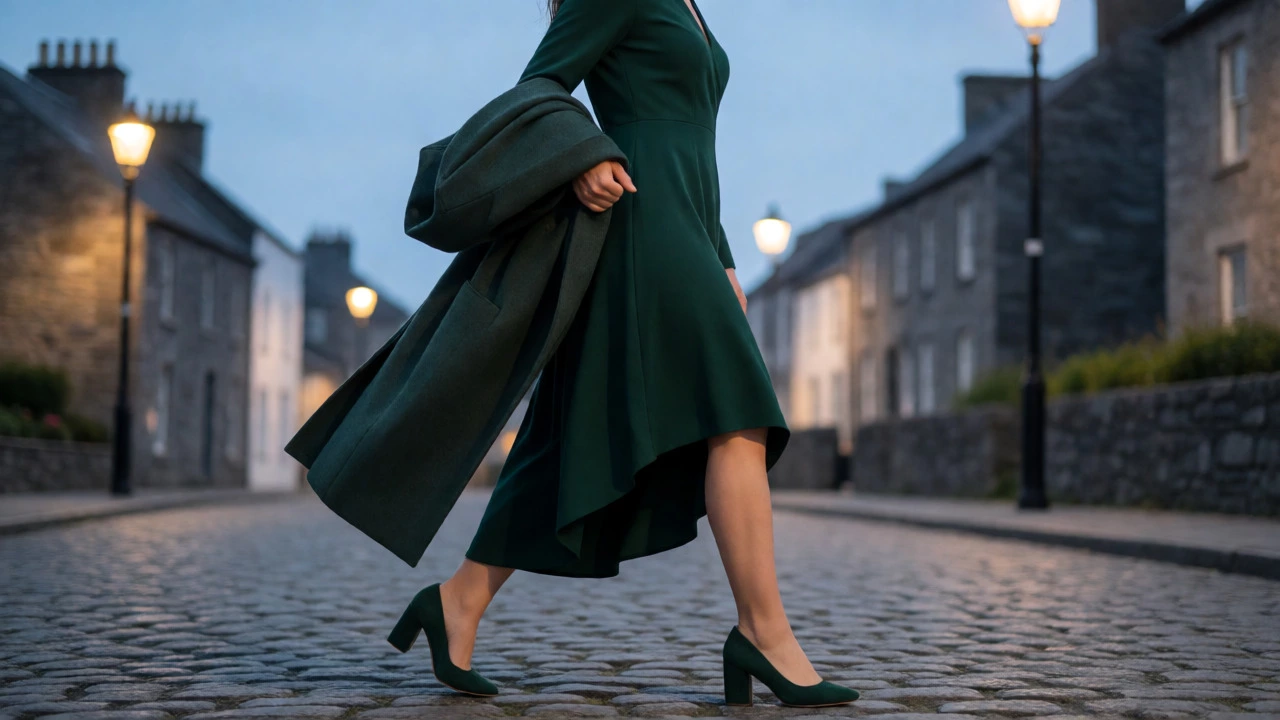
Here is where Irish geography really impacts your decision. If your event is in a city like Dublin, Cork, or Limerick, you will likely be walking on uneven pavement or cobblestones. A floor-length train is a disaster waiting to happen. It collects dirt, gets caught in taxi doors, and trips you up on wet stones. Midi lengths (below the knee but above the ankle) are incredibly popular here for a reason. They are chic, easier to manage, and allow you to wear stylish heels without worrying about tripping.
If you are attending a rural wedding or a festival event in Connemara or Kerry, you might be standing on grass. Heels sink into soft ground unless they have a wide base. Pairing a maxi dress with block heels or even chic flats is a smart move. Many Irish women now opt for 'high-low' hems or slit designs that allow for movement. This isn't just about fashion; it's about respecting the terrain. You want to be able to dance, not just stand still.
Color Palettes That Suit Irish Light and Skin Tones
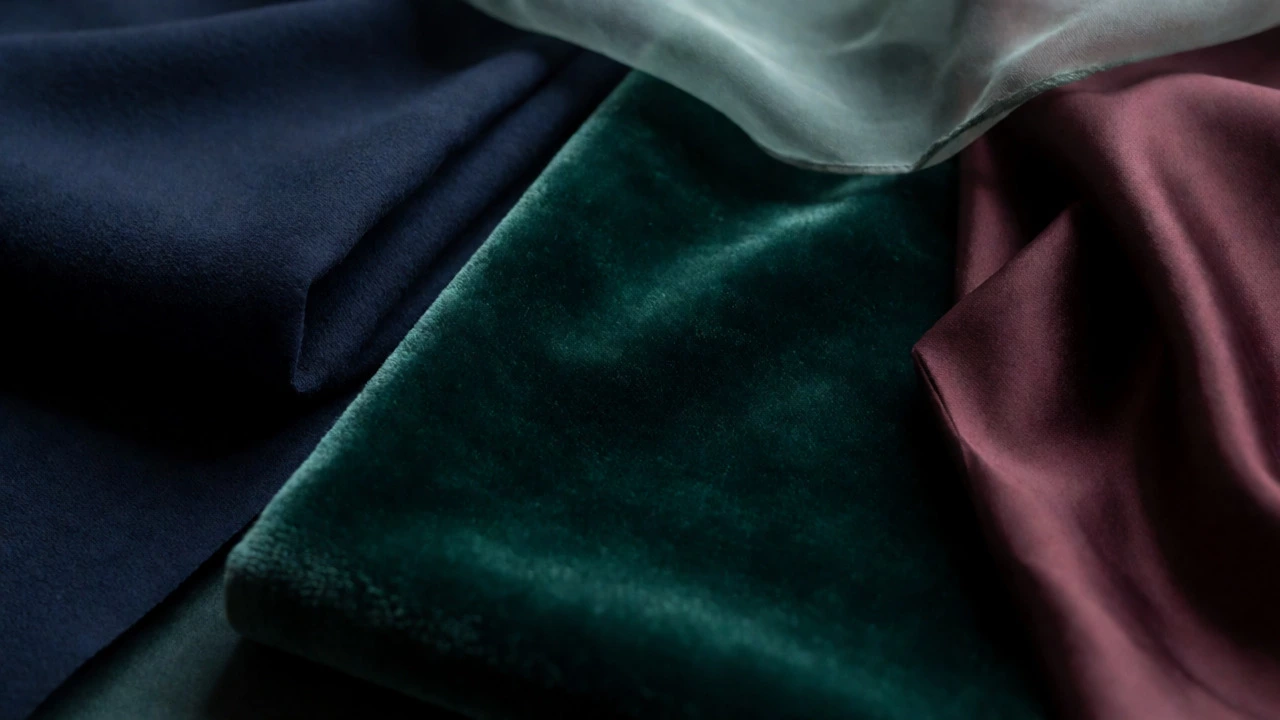
Irish light is unique. It’s often diffused and grey, which can wash out pale complexions if you wear the wrong colors. Pastels like baby pink or mint green can look lovely in bright sunshine, but in typical Irish overcast conditions, they might lack impact. Jewel tones are safer bets. Emerald green is a cliché for tourists, but deep forest green, burgundy, navy, and plum look stunning against fair hair and blue eyes, common traits among locals.
Consider your undertone. If you have cool undertones (veins appear blue), stick to blues, purples, and silvers. If you have warm undertones (veins appear green), go for golds, corals, and olive greens. Black is always appropriate for evening wear, but in Ireland, it can sometimes feel a bit funereal during the day. If you wear black, add texture-lace, sequins, or velvet-to keep it interesting. Metallic shades like bronze or copper reflect the ambient light of candlelit dinners beautifully.
Where to Shop: Local Boutiques vs. High Street
You don’t need to fly to London or Paris to find great options. Ireland has a robust retail scene for formal wear. On the high street, brands like Zara and H&M offer trendy pieces at accessible prices. However, quality control can vary. Always check seams and lining. If you have a bigger budget, local boutiques in Galway’s Latin Quarter or Dublin’s George’s Street Arcade often carry independent designers who understand the local market better than global chains.
Don’t overlook rental services. Companies like My Wardrobe HQ (which ships to Ireland) or local hire shops in major cities allow you to wear designer labels for a fraction of the cost. This is perfect if you attend multiple events a year. Why buy a £300 dress you’ll wear once when you can rent it for £50? It’s sustainable, saves closet space, and lets you try styles you’d never buy outright.
The Fit Test: Sit, Dance, and Walk
Never buy an evening dress without testing it in real-world scenarios. Try sitting down. Does the waistband dig in? Can you cross your legs comfortably? Most evening events involve long periods of sitting. Next, walk around. Take big strides. Climb a step. If you have to hold your skirt up to walk, it’s too long or too tight. Finally, do a 'dance test.' Raise your arms. Does the bodice shift excessively? Does the neckline gap open?
Alterations are non-negotiable for a perfect fit. Budget an extra €50-€100 for tailoring. Taking in the waist or shortening the hem transforms an off-the-rack dress into a custom-looking piece. In Ireland, alterations are standard practice, so don’t skip this step. A tailor in your local town can adjust the dress to fit your specific body shape, ensuring you feel confident rather than self-conscious.
Accessories and Footwear Strategy
Your shoes determine your ability to enjoy the night. In Ireland, you might spend part of the evening outside. Stilettos are risky on gravel or grass. Block heels, wedges, or embellished flats are safer and increasingly fashionable. Bring a backup pair of foldable ballet flats in your clutch just in case.
Jewelry should complement the neckline, not compete with it. A strapless dress loves statement earrings. A high-neck dress calls for bracelets or rings. Keep it simple if the dress is busy. And remember the coat. Your evening coat needs to cover the dress length. A long wool coat or a tailored trench works best. Avoid puffy jackets that ruin the silhouette unless you’re truly desperate for warmth.
What is the best color for an evening dress in Ireland?
Jewel tones like emerald, navy, burgundy, and plum tend to flatter the diverse range of skin tones found in Ireland and photograph well in lower-light conditions. Metallics like bronze and silver also reflect ambient light effectively.
Should I wear heels to an Irish wedding?
It depends on the venue. For city hotels, heels are fine. For rural venues with grass or gravel, block heels, wedges, or stylish flats are much more practical and safer.
Is renting an evening dress worth it in Ireland?
Yes, especially if you attend multiple formal events. Rental services offer access to designer brands at a lower cost, reduce waste, and save storage space in smaller Irish homes.
What fabric is best for cold Irish evenings?
Velvet, heavy satin, and wool crepe are ideal. They provide insulation, drape well, and maintain their structure in cooler temperatures and wind.
Do I need alterations for my evening dress?
Almost always. Standard sizing rarely fits perfectly. Budgeting for minor alterations ensures the dress sits correctly on your shoulders and waist, significantly improving comfort and appearance.