Vintage Classification Calculator
Not sure if that jacket you found is truly vintage? Enter the manufacturing year to see how it fits into industry standards.
Age: -- Years
--Category Definition:
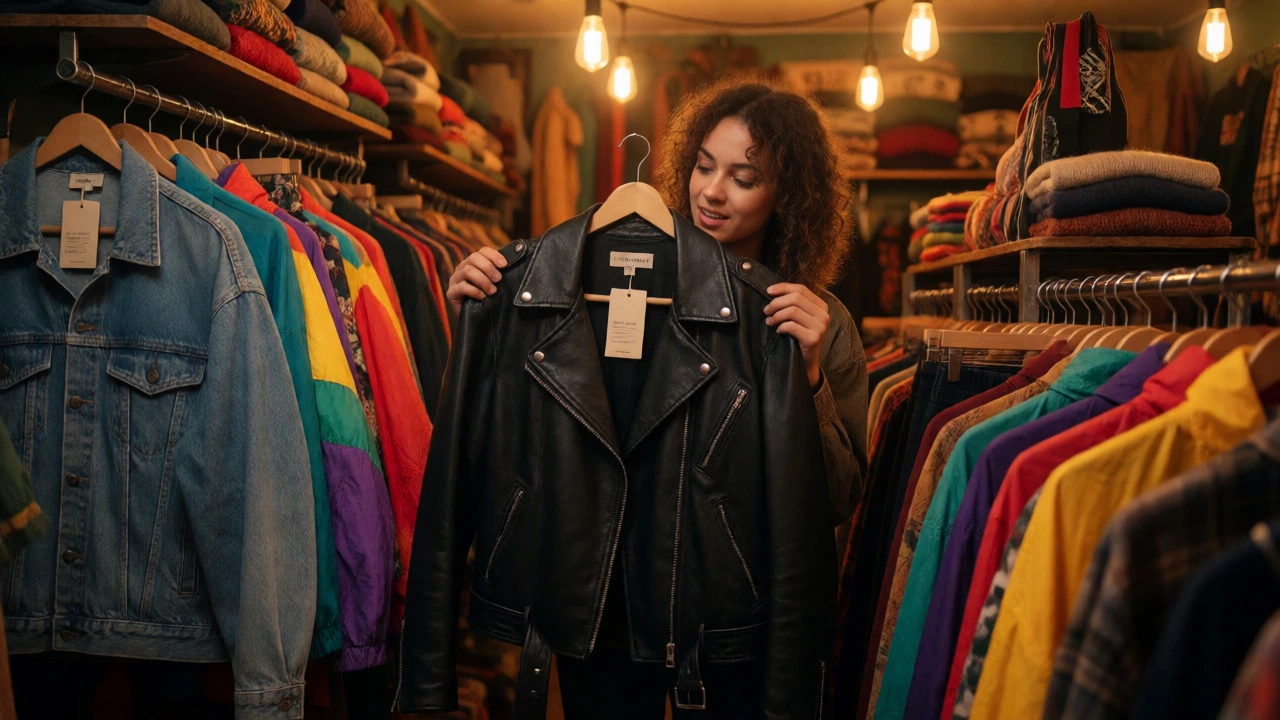
You’re rummaging through a charity shop in Dublin or a vintage stall at the Galway Market, and you spot a leather biker jacket with a tag that says 1999. You pause. Is this actually vintage, or is it just old stock? The answer isn’t as simple as checking the calendar. In the world of fashion resale, particularly here in Ireland where thrift culture has exploded from a necessity to a lifestyle choice, the line between "retro," "vintage," and "antique" gets blurry fast.
Here’s the hard truth most sellers won’t tell you: strictly speaking, no. A jacket made in 1999 is not yet considered true vintage by traditional industry standards. But does that mean it’s worthless? Absolutely not. In fact, right now, in 2026, that specific year sits in a fascinating sweet spot known as the "Y2K revival" era. Let’s break down why 1999 matters, how the Irish market treats these pieces, and whether you should pay full price or haggle.
The Official Definition vs. Street Reality
To understand if your find is special, you need to know what experts actually look for. Generally, the fashion industry divides older clothing into three distinct buckets based on age. If you’re trying to categorize that jacket hanging on the rail, use this breakdown:
- Antique: Items over 100 years old. This would be something from the early 1920s or earlier. Rare, fragile, and usually museum-grade.
- Vintage: Items typically aged between 20 and 100 years. This is the gold standard for collectors. It includes everything from 1940s workwear to 1990s grunge flannels.
- Retro or Second-Hand: Items under 20 years old. These are modern clothes that have been used but haven’t reached the threshold of historical significance required for the "vintage" label.
Since we are currently in September 2026, a garment from 1999 is exactly 27 years old. By the strictest definitions (often citing the 25-year mark), it technically crosses the threshold into vintage territory. However, many high-end vintage dealers still reserve the term for pre-2000s items, viewing anything post-1995 as "modern retro." Why the hesitation? Because mass production in the late 90s was so vast that supply is huge. True vintage implies scarcity; a 1999 Levi’s trucker jacket is everywhere, whereas a 1970s corduroy jacket from a small Irish manufacturer might be rare.
| Category | Age Range (in 2026) | Production Era | Market Value Trend |
|---|---|---|---|
| Antique | 100+ Years | Pre-1926 | High (Museum/Auction) |
| True Vintage | 50-99 Years | 1926-1975 | Very High (Collector Grade) |
| Standard Vintage | 25-49 Years | 1976-2000 | Moderate to High (Staple) |
| Retro / Modern | Under 25 Years | 2001-Present | Low to Moderate (Fast Fashion) |
Why 1999 Matters in Irish Fashion History
You might wonder why anyone cares about a jacket from nearly three decades ago. Context is everything. 1999 wasn’t just another year; it was the precipice of a cultural shift. In Ireland, this period coincided with the tail end of the Celtic Tiger boom. Money was flowing, global brands were flooding the streets of Grafton Street and Henry Street, and consumerism hit an all-time high.
For jackets specifically, 1999 represents the peak of certain iconic styles that are currently trending again. Think oversized denim, bright nylon windbreakers, and heavy leather biker jackets. If you find a jacket from this year in good condition, you aren’t just buying "old clothes." You’re buying a piece of the Y2K aesthetic that Gen Z and Millennials are desperately chasing today. Platforms like Depop and Vinted see thousands of searches for "Y2K jackets" monthly, and 1999 fits squarely into that search intent.
Moreover, quality control in 1999 was often superior to today’s fast fashion. Brands like Zara and H&M existed then, but their manufacturing processes weren’t as streamlined for disposability as they are now. A jacket bought in Penneys (Primark) in 1999 might outlast one bought in the same store in 2026. When assessing your find, check the stitching. Double-stitched seams and heavier fabric weights are common in late-90s garments, signaling durability that modern buyers appreciate.
Navigating the Irish Resale Market
If you’re looking to buy or sell, location changes the value. In major hubs like Dublin, Cork, and Galway, the demand for authentic 90s gear is intense. Stores like Lighthouse Vintage in Dublin or various stalls at the Galway Christmas Market during winter months often price late-90s items as "vintage" because customers expect it.
However, be wary of online listings. On Facebook Marketplace groups dedicated to Irish clothing swaps, sellers often slap the word "vintage" on anything older than five years to justify a higher price. If you see a 1999 Nike windbreaker listed as "Rare Vintage," question it. It’s likely just "Retro." The difference in price can be €20 versus €80. Here’s how to spot the difference:
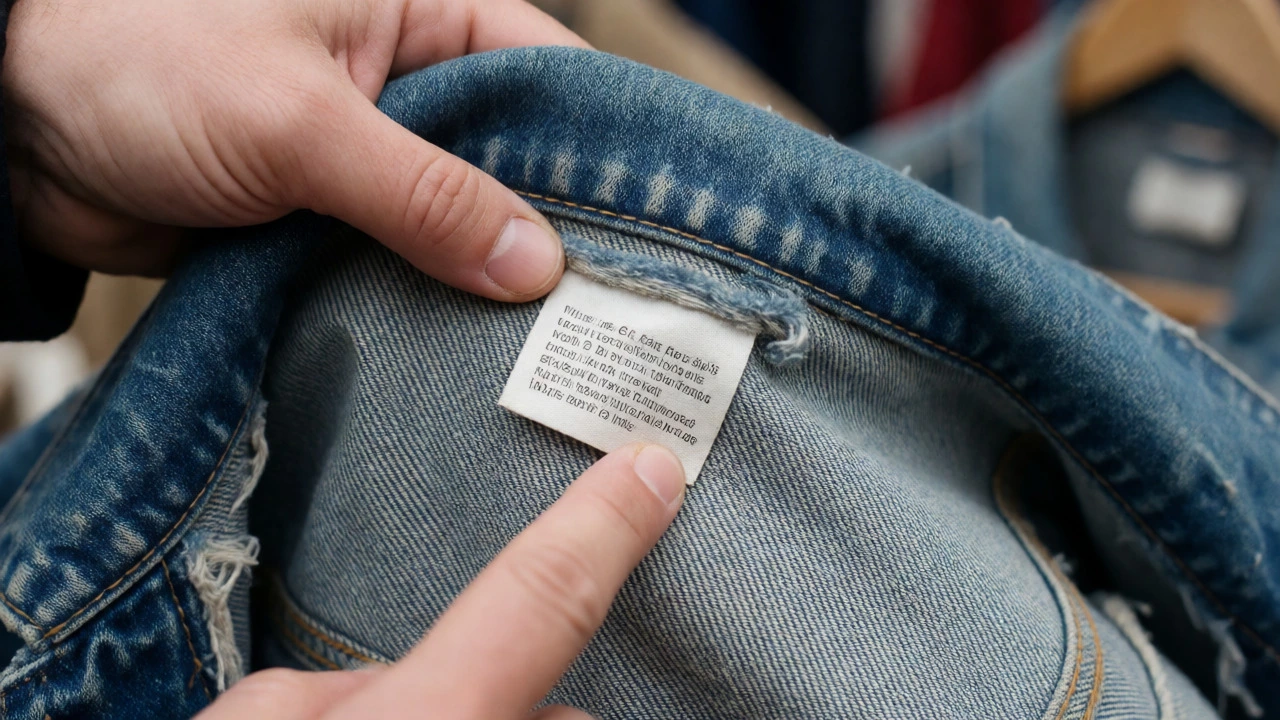
- Check the Tag: Look for copyright dates on care labels. Sometimes the brand name is printed without a date, but the washing instructions format changed significantly after 2005.
- Fabric Feel: Late 90s synthetics feel different from modern ones. They tend to be stiffer and less breathable.
- Brand Specifics: Was the brand popular in Ireland in 1999? Local brands or UK imports common in Irish shops carry more regional nostalgia value than obscure international labels.
The "Deadstock" Dilemma
One tricky scenario involves "deadstock" items-clothes that were manufactured in 1999 but never sold until recently. You might find a sealed box of 1999 Adidas tracksuits in a warehouse clearance in Limerick. Technically, these are 27 years old. Are they vintage? Most purists say no, because they lack the "lived-in" character associated with vintage wear. They are considered new-old-stock (NOS).
This distinction matters for pricing. A worn-in 1999 denim jacket tells a story. A pristine, unworn one feels like a time capsule, which some collectors love, but others find sterile. In the Irish market, practicality wins. People want clothes they can wear to a pub in Temple Bar or a walk along the Salthill promenade without worrying about damaging a museum piece. Therefore, lightly used 1999 jackets often fetch better prices than deadstock items unless the brand is extremely high-end, like Burberry or Gucci.

How to Care for Your Late-90s Find
If you’ve decided that your 1999 jacket is worth keeping, treat it with care. Even though it’s not "antique," materials degrade. Leather dries out, and cotton fades. Here’s a quick maintenance guide tailored to our damp Irish climate:
- Leather: Use a conditioner every six months. Our humidity helps keep leather supple, but indoor heating in winter dries it out. Store it on a padded hanger to maintain shoulder shape.
- Denim: Wash sparingly. Spot clean stains instead of throwing it in the machine. If you must wash, turn it inside out and use cold water to preserve the indigo dye.
- Synthetics/Nylon: Check zippers regularly. Metal zippers from 1999 can corrode if left wet. Dry them thoroughly after rain exposure-a frequent occurrence in Ireland!
By maintaining the item properly, you ensure it remains wearable for years. And who knows? In another decade, when 1999 is 37 years old, it will unquestionably be classified as solid vintage, potentially increasing in value if the Y2K trend continues its upward trajectory.
Verdict: Buy, Sell, or Ignore?
So, is a 1999 jacket vintage? Technically, yes, by the 25-year rule. Culturally, it’s a bridge between retro and vintage. For the average person in Ireland shopping for style rather than investment, the label matters less than the fit and the vibe. If it looks cool, fits well, and costs a fair price, buy it. Don’t get hung up on semantic debates. Fashion is subjective, and confidence is the best accessory you can add to any outfit.
What is the exact age cutoff for vintage clothing?
There is no single legal definition, but the general consensus among auction houses and vintage dealers is that an item must be at least 20 to 25 years old to be called vintage. Items under 20 years are typically classified as "retro" or "second-hand." Since we are in 2026, clothing from 2001 onwards is generally considered retro, while 1999 falls into the lower tier of vintage.
Are 1999 jackets valuable in Ireland?
Value depends heavily on the brand and condition. Mass-market brands like Gap or Next from 1999 have low monetary value, often selling for €10-€30 in charity shops. However, designer labels (e.g., Versace, Ralph Lauren) or iconic sportswear (Nike Air Force 1 era jackets) can sell for €100+ due to the current Y2K fashion revival driven by social media trends.
Where can I find authentic 90s jackets in Galway?
Galway has a vibrant secondhand scene. Check out stores like Flamingo or Boutique 2 for curated vintage. Additionally, the weekly markets and pop-up events in the Latin Quarter often feature independent sellers specializing in 90s streetwear. Always ask for the original receipt or tag if available to verify authenticity.
Is "Y2K" the same as "Vintage"?
Not exactly. "Y2K" refers specifically to the fashion aesthetic of the late 1990s and early 2000s (approx. 1997-2004). While Y2K items are becoming vintage due to their age, the term describes a style movement rather than an age category. All Y2K items from 1999 are technically vintage now, but not all vintage items are Y2K.
Can I wear a 1999 jacket in professional settings in Dublin?
It depends on the jacket type. A structured blazer or trench coat from 1999 can easily pass as classic and timeless in a corporate environment. However, flashy nylon windbreakers or oversized graphic tees may be seen as too casual. Stick to neutral colors and classic cuts if you plan to wear vintage to work.