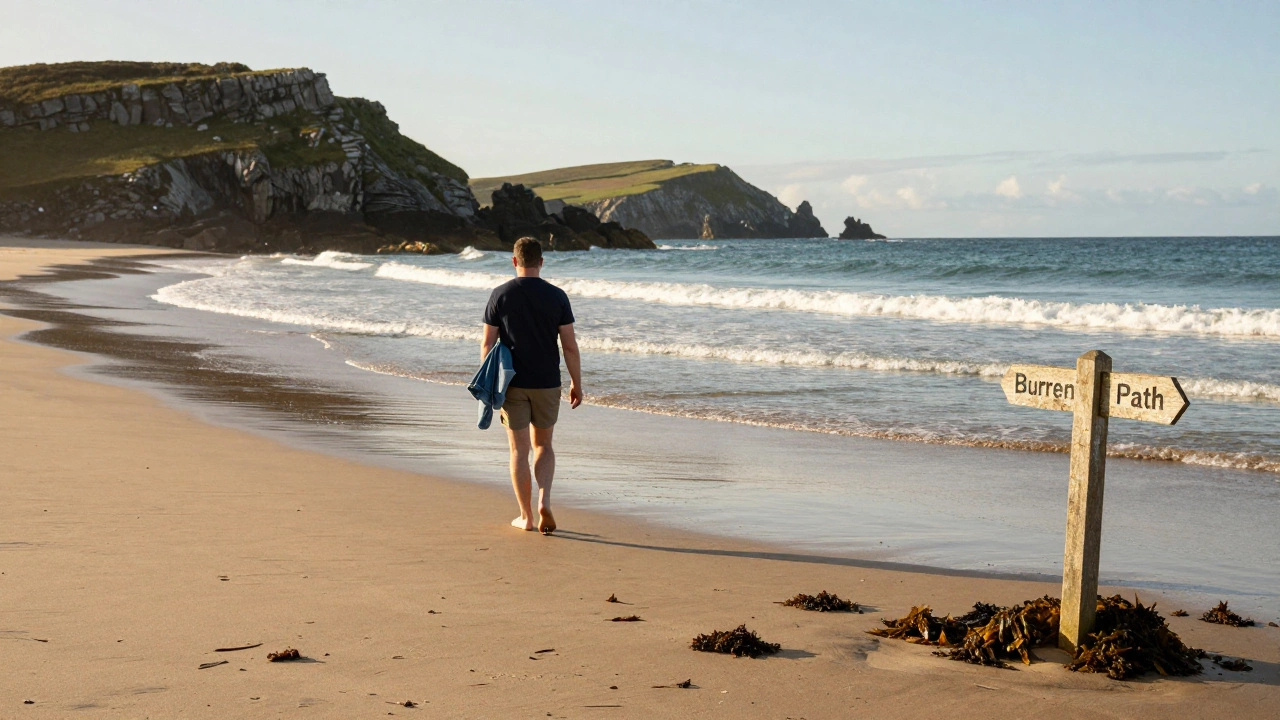
Walking barefoot on a sandy beach in County Clare or across the stone floor of a Dublin café might feel perfectly natural - especially after a long walk along the Wild Atlantic Way. But when it comes to stepping into a pub, a grocery store, or a workplace in Ireland, is going barefoot actually against the law? The short answer: no, it’s not a health code violation in Ireland. But there’s more to it than just legality.
What the Law Actually Says
Ireland doesn’t have a national law that bans bare feet in public spaces. Unlike some U.S. states where local health codes strictly require footwear, Ireland’s public health regulations focus on hygiene and safety - not the type of covering on your feet. The Health Service Executive (HSE) doesn’t list barefoot entry as a violation in its Food Safety Guidelines, nor does the Health and Safety Authority (HSA) mandate footwear for customers in retail or hospitality settings.
That means a tourist walking barefoot into a local bakery in Galway, or a student heading to a café in Limerick after a morning at the university, won’t be turned away for breaking a health code. There’s no official form, no fine, no inspector waiting to issue a notice.
Where the Real Rules Come From
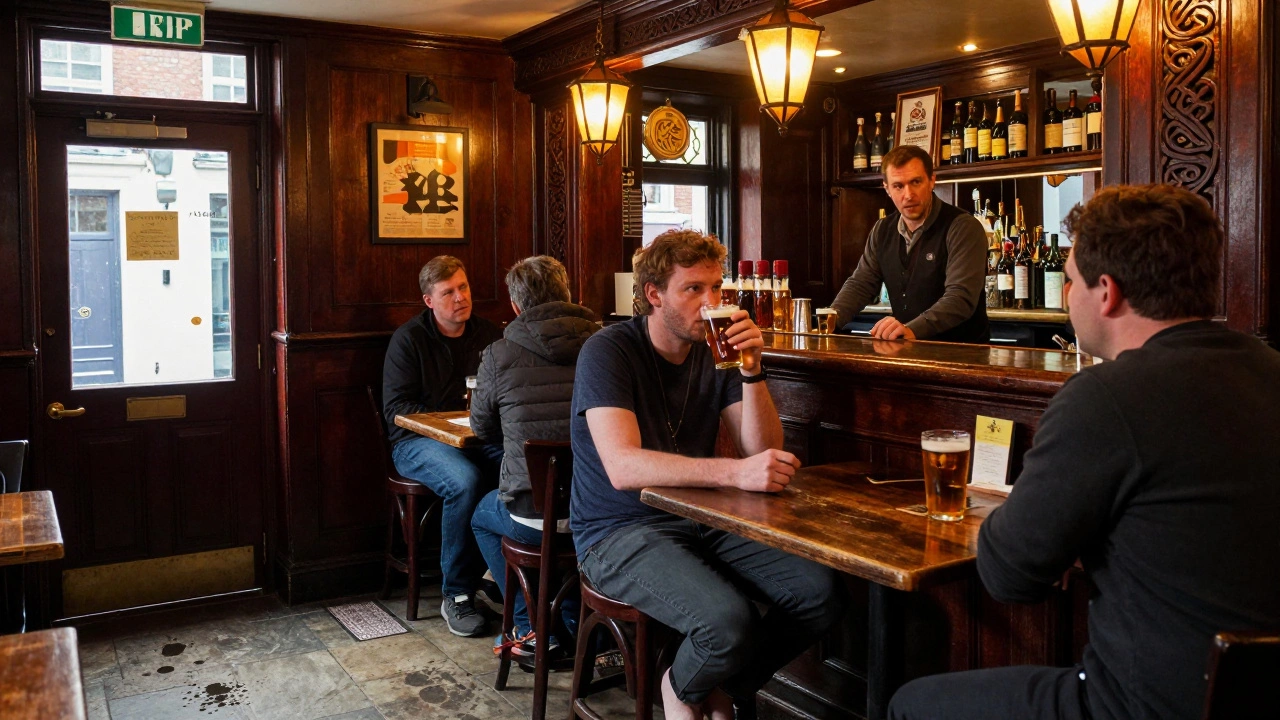
Just because it’s not illegal doesn’t mean it’s always welcome. The real rule-makers here aren’t government agencies - they’re business owners. Every pub, supermarket, or gym in Ireland operates under its own house policy. Some places, especially in tourist-heavy areas like Killarney or Doolin, are used to barefoot visitors and don’t mind. Others, particularly in more formal settings like a high-end restaurant in Dublin or a hospital outpatient clinic, will politely ask you to wear shoes.
Why? It’s not about germs. It’s about perception. In Ireland, where hospitality is deeply personal and rooted in tradition, appearance matters. A barefoot customer might be seen as disrespectful - not because of health risks, but because it breaks an unspoken social contract. Think of it this way: you wouldn’t walk into a church in Cork wearing flip-flops and a tank top. Barefoot isn’t the same as inappropriate dress - but in many Irish settings, it’s treated the same way.
Workplaces: A Different Story
If you’re working in Ireland, the rules change completely. The Health and Safety Authority (HSA) does require appropriate footwear in certain jobs - and for good reason. In factories, kitchens, warehouses, or construction sites, bare feet are a serious safety hazard. You’re not allowed to go barefoot in a Bord Bia-approved food processing plant in County Kildare, or on a building site in Cork. That’s not a health code - it’s a legal requirement under the Safety, Health and Welfare at Work Act 2005.
Employers must provide safety boots where needed. In fact, many Irish workplaces use brands like Clarks, Dr. Martens, or Steelite because they meet HSA standards. These aren’t fashion choices - they’re protective gear. If you’re working in a kitchen, a warehouse, or even a large hotel, you’ll be expected to wear non-slip, steel-toed, or closed-toe shoes. Failure to comply can lead to disciplinary action - or worse, injury.
Why the Confusion? A Global Mix-Up
Many people assume Ireland has strict footwear rules because they’ve seen it elsewhere. In the U.S., for example, health departments in states like California or New York explicitly require footwear in food service areas. But Ireland’s approach is different. It’s more flexible, more trusting. There’s no blanket ban because the system relies on common sense, not rigid rules.
Also, Ireland’s climate plays a role. Rain is common. Mud is everywhere. People here are used to wet boots, muddy soles, and damp floors. A barefoot customer isn’t seen as a sanitation threat - they’re seen as someone who just forgot their shoes after a beach walk. That’s not unusual here. In fact, you’ll often see locals rolling up their jeans after a walk along the Doolin cliffs or heading into a pub with sandy toes after a day at Ballybunion.
When Barefoot Might Cause Trouble
Even though it’s not illegal, there are moments when going barefoot in Ireland can backfire:
- Walking into a hospital - staff might ask you to wear slippers or shoes for infection control.
- Entering a food prep area in a restaurant - even if it’s just to grab a coffee, staff may ask you to stay out of the kitchen zone.
- Visiting a school or nursery - staff are legally required to ensure child safety, and bare feet might raise concerns.
- Working in a warehouse or factory - you’ll be stopped before you even get to the door.
One real example: A tourist in Galway walked barefoot into a local organic grocery store, The Green Grocer on Shop Street, after a morning at Salthill Beach. The manager didn’t say a word - but the other customers did. A woman in her 70s quietly asked if she could help the visitor find a pair of sandals. No one called the authorities. But the message was clear: this isn’t the place for it.

What Should You Do?
If you’re visiting Ireland and want to go barefoot:
- Stick to beaches, parks, and outdoor trails - they’re perfect for it.
- Carry a pair of flip-flops or sandals - they’re cheap, light, and widely available at shops like Dunnes Stores or Lidl.
- If you’re unsure, just ask: “Is it okay to go barefoot in here?” Most Irish people will smile and say, “No problem - just don’t go near the kitchen.”
- If you’re working, wear the right shoes. Your feet will thank you.
And if you’re a business owner in Ireland? You can set your own policy. Many pubs in County Mayo and County Donegal now have signs saying “Footwear Required Inside” - not because of the law, but because they’ve had too many complaints from customers who don’t like stepping over bare toes.
The Bigger Picture: Ireland’s Practical Spirit
Ireland doesn’t over-regulate. It trusts people to do the right thing. That’s why you won’t find a law banning barefoot walking - but you will find a culture that values respect, cleanliness, and common sense. You can go barefoot on the cliffs of Moher. You can walk barefoot through the ruins of Glendalough. But when you step into a shop, a pub, or a workplace, you’re not just entering a building - you’re entering a social space.
So while the law says you’re fine, the unwritten rules say: wear something. Not because you have to - but because you’re in Ireland.
Is it illegal to be barefoot in a pub in Ireland?
No, it’s not illegal. There’s no Irish law that bans bare feet in pubs. However, individual pubs can refuse entry or ask you to wear shoes based on their own house rules. Most pubs, especially in tourist areas, will allow it - but some may ask you to put on footwear if other customers complain or if you’re near the bar area.
Can you be barefoot in a supermarket in Ireland?
Yes, you can. Supermarkets like Tesco, Aldi, or Dunnes Stores don’t have policies against barefoot customers. But if you’re wearing muddy or sandy feet, staff may politely ask you to wear shoes - not because of health codes, but because it’s considered inconsiderate to track dirt onto food aisles. It’s about courtesy, not law.
Do Irish workplaces require footwear?
Yes, in most workplaces, footwear is legally required. Under the Health and Safety Authority (HSA) guidelines, employees in kitchens, factories, construction sites, and warehouses must wear protective shoes. This is not optional. Employers must provide or allow appropriate footwear - like steel-toed boots or non-slip soles - to prevent slips, cuts, and crush injuries.
Are there any places in Ireland where barefoot walking is encouraged?
Absolutely. Ireland’s beaches, coastal paths, and rural trails are perfect for barefoot walking. Places like Lahinch Beach in County Clare, Inchydoney Beach in County Cork, and the Burren in County Clare are popular spots for locals who walk barefoot for the therapeutic benefits. Some yoga retreats in County Wicklow even offer barefoot forest walks as part of their wellness programs.
What kind of shoes are recommended for Irish weather?
Given Ireland’s frequent rain and damp conditions, waterproof, non-slip shoes are best. Brands like Clarks, Timberland, and Aigle are popular for their durability. Many Irish commuters wear boots with rubber soles - especially in cities like Dublin, Galway, and Belfast. Avoid thin-soled shoes or sandals without grip. Wet cobbles and muddy paths can be dangerous without proper footwear.