Lululemon vs. Sportswear: The Irish Shopper's Verdict
How it works: Select one option from each category below to analyze whether Lululemon is the right investment for you compared to traditional sportswear brands like Nike or Decathlon.
High Intensity
HIIT, Running, Competitive Sports
Mindful Movement
Yoga, Pilates, Light Stretching
Daily Lifestyle
Office, Commuting, Coffee Runs
Indoors
Climate-controlled gym or studio
Mild Outdoors
Sunny Galway days, light breezes
Harsh Elements
Relentless rain, Cliffs of Moher winds
Budget First
Value & Function (€10-€30)
Balanced
Brand & Tech (€30-€80)
Premium Status
Investment Piece (€100+)
Your Personalized Verdict
Price Comparison Context
Relative cost per pair of leggings:
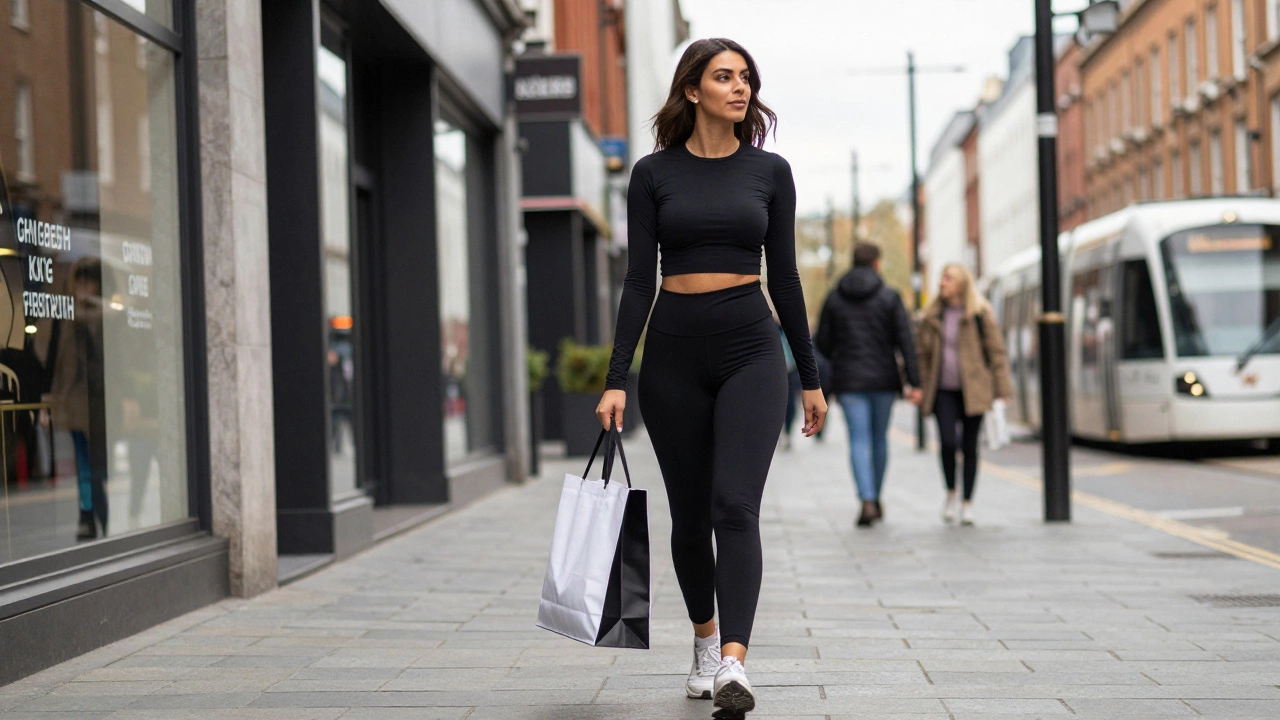
You walk past the Grafton Street flagship in Dublin or browse the new pop-up in Dundrum Town Centre, and you see those signature black-and-white bags. You spot someone wearing high-waisted leggings while commuting on the Luas or heading to a spin class in Cork. The question pops into your head: Is Lululemon actually a sportswear brand, or is it just expensive casual wear that has taken over our wardrobes?
If you are shopping in Ireland right now, this distinction matters more than ever. With the weather here swinging from sunny spells in Galway to relentless rain in Belfast, knowing what your clothes can actually do is crucial. This isn't just about branding; it's about whether you are buying gear that will survive a hike up the Cliffs of Moher or if you are paying a premium for something that looks good at a coffee shop in Temple Bar but falls apart after one wash.
The Origins: From Yoga Studio to Global Phenomenon
To understand if Lululemon fits the bill as a sportswear brand, we have to look at where it started. Founded in Vancouver, Canada, in 1998 by Chip Wilson, the company didn't begin with football kits or running shoes. It began with yoga pants. Specifically, they were trying to solve a problem: yoga practitioners needed pants that wouldn't become transparent when stretched out during a downward dog pose.
This focus on function first is the core argument for calling it a sportswear brand. In the early days, Lululemon employed 'brand ambassadors'-local yoga instructors who tested the gear and gave feedback. This community-driven approach built a reputation for technical performance. For the Irish market, which saw a massive boom in yoga and pilates studios post-2015, this heritage resonated. People weren't just buying fashion; they were buying into a lifestyle that prioritized movement and mindfulness.
However, as the brand exploded globally, its definition broadened. Today, Lululemon sells everything from men's tennis shirts to women's workwear blazers. This expansion has blurred the lines. When a brand sells suits, does it still qualify as strictly sportswear? Or has it evolved into something else entirely?
Athleisure: The Blurring Line Between Gym and Street
The term 'athleisure' describes exactly what happened to Lululemon. It combines 'athletic' and 'leisure.' This category of clothing is designed to be worn during workouts but is stylish enough for everyday activities. In Ireland, where the commute often involves walking through unpredictable weather, this versatility is highly valued.
Consider the typical day for a professional in Dublin. They might start with a quick run along the Liffey promenade, then head straight to an office in the Docklands, and finish with dinner in Smithfield. Traditional sportswear, like old-school polyester tracksuits, doesn't fit the office dress code. Traditional business wear doesn't handle the sweat or the damp chill. Lululemon fills this gap. Their Align pants, made with their proprietary Nulu fabric, feel like butter against the skin but lack the durability for intense gym sessions.
This creates a paradox. If the most popular item in the store isn't meant for high-intensity sports, can the brand be called sportswear? Technically, yes, because the intent is athletic readiness. But practically, for many Irish consumers, it functions as premium casual wear. You see Lululemon leggings paired with chunky boots in Derry or hoodies worn with jeans in Galway city centre. It’s no longer just gym gear; it’s a uniform for the modern, active urbanite.
Technical Fabric vs. Fashion Aesthetics
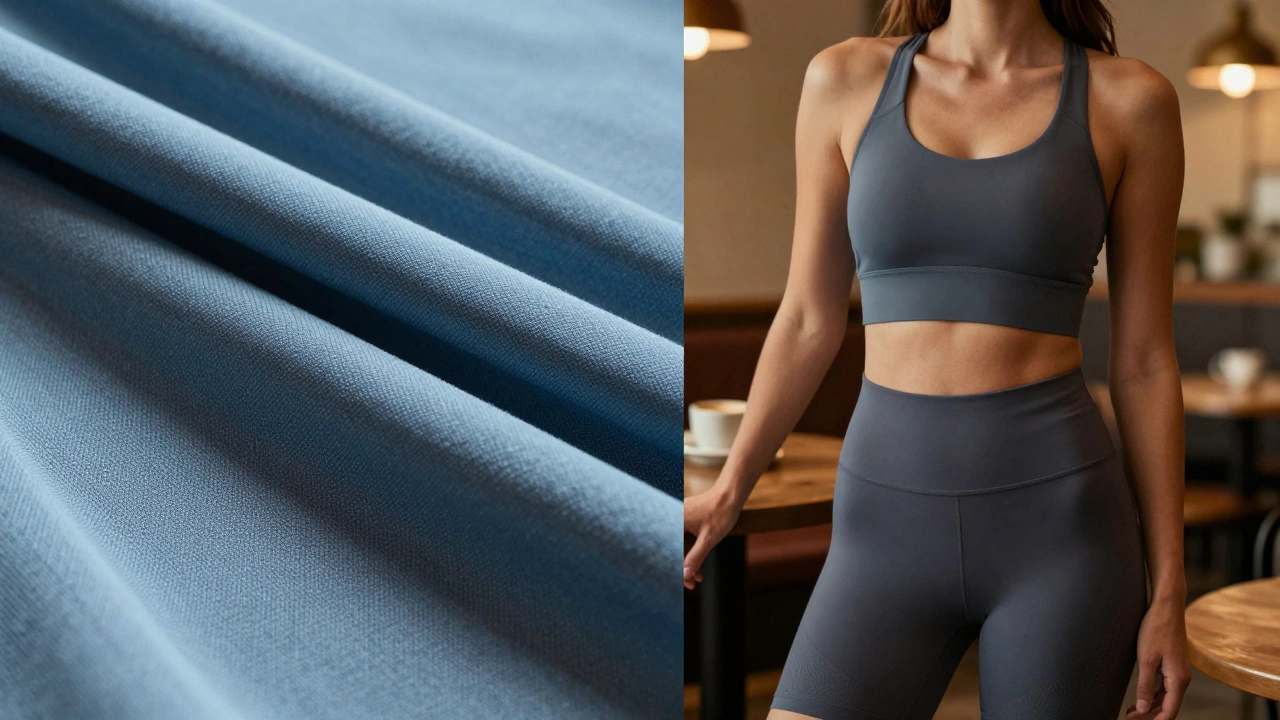
Let’s talk about the materials, because this is where the 'sportswear' claim holds up or falls flat. Lululemon invests heavily in textile innovation. Their fabrics are not generic cotton blends. They use moisture-wicking technologies, four-way stretch capabilities, and anti-odor treatments. These are hallmarks of performance sportswear.
For example, their Swiftly Tech line is designed specifically for running. It features reflective details for safety during those dark winter evenings in November and December, and the fabric dries quickly. If you are training for the Dublin Marathon, these shorts perform similarly to brands like Nike or Adidas. This technical proficiency anchors Lululemon firmly in the sportswear category.
However, other lines prioritize aesthetics over performance. The Everywhere Belt Bag, a viral hit across Ireland, serves no athletic purpose. It’s an accessory. Similarly, their men's 'ABC' (Anti-Ball Crushing) pants are marketed with humor and comfort in mind for daily wear, not for lifting weights. When you buy these items, you are paying for design and brand prestige, not athletic enhancement.
In the Irish context, where value for money is always scrutinized, this distinction is vital. Are you paying €128 for leggings because they will help you run faster, or because they look chic while you wait for the bus to Swords? For many, it’s the latter. This shift towards aesthetic dominance challenges the traditional definition of sportswear.
Price Point and Accessibility in the Irish Market
One cannot discuss Lululemon without addressing the price tag. In Ireland, where the cost of living has risen significantly, spending €100+ on a pair of tights is a significant decision. This places Lululemon in the premium segment of the market. Compare this to local favorites like Decathlon, which offers functional sportswear for a fraction of the cost, or even mid-range options from Sports Direct.
The high price point contributes to the perception of Lululemon as a luxury lifestyle brand rather than a utilitarian sportswear company. Luxury brands sell status; sportswear brands sell performance. Lululemon does both, but the balance has tipped. In affluent areas like Merrion Square or Sandyford, seeing Lululemon is common. In working-class neighborhoods, it might be seen as less accessible, reinforcing its image as exclusive fashion rather than essential sportswear.
Yet, the resale value remains high. Platforms like Vinted are flooded with second-hand Lululemon items in Ireland, often selling for near-original prices. This durability and desirability suggest that while the initial investment is steep, the product retains value-a trait more common in fashion than in disposable fast-fashion sportswear.
Sustainability and Ethical Production
Irish consumers are increasingly conscious of sustainability. With climate change affecting weather patterns across Europe, including more frequent storms in the west of Ireland, ethical consumption is a growing priority. Lululemon has faced scrutiny over its environmental impact, particularly regarding plastic waste from synthetic fabrics.
The brand has launched initiatives like 'Like New,' a resale program aimed at extending the life of their garments. They also publish sustainability reports detailing their carbon footprint reduction goals. However, critics argue that producing more clothing, even if sustainably, contributes to overconsumption. For the eco-conscious shopper in Cork or Limerick, this raises questions about whether buying Lululemon aligns with their values.
Compared to traditional sportswear giants who have been slower to adapt, Lululemon appears more proactive in marketing its green efforts. But is it enough? Many Irish shoppers now look for certified organic cotton or recycled materials. While Lululemon uses some recycled polyester, their core products remain largely synthetic. This disconnect between the 'active lifestyle' ethos and the environmental reality of synthetic production is a key consideration for today’s buyer.

Comparison: Lululemon vs. Traditional Sportswear Brands
| Feature | Lululemon | Nike/Adidas | Decathlon |
|---|---|---|---|
| Primary Focus | Athleisure & Lifestyle | Performance & Competition | Accessibility & Function |
| Price Range (Leggings) | €98 - €148 | €30 - €80 | €10 - €25 |
| Fabric Technology | Proprietary (Nulu, Luxtreme) | Dri-FIT, Climacool | Basic Moisture-Wicking |
| Best For | Yoga, Casual Wear, Office | Running, Team Sports, Gym | Budget Fitness, Outdoor Activities |
| Availability in Ireland | Dublin, Cork, Pop-ups | Nationwide Retailers | Nationwide Stores |
This table highlights the differences clearly. If your goal is to compete in a marathon, Nike or Adidas might offer better specialized gear. If you are on a tight budget, Decathlon is unbeatable. But if you want one pair of pants that works for a yoga class, a lunch meeting, and a walk home in the rain, Lululemon positions itself uniquely. It’s not just sportswear; it’s versatile apparel.
The Verdict: What Should You Buy?
So, is Lululemon a sportswear brand? Yes, but with caveats. It originated as a performance-focused yoga brand and maintains technical superiority in fabric quality. However, its current market position leans heavily into athleisure and lifestyle fashion. For the Irish consumer, this means you need to define your own needs.
If you are looking for dedicated gear for high-intensity interval training or competitive sports, you might find better value elsewhere. But if you want comfortable, durable, and stylish clothing that transitions seamlessly from workout to weekend in the Irish weather, Lululemon delivers. Just be aware that you are paying for the blend of performance and prestige, not just the athletic function.
Before you hand over your credit card in Dundrum or online, ask yourself: Will I wear this to the gym, or will I wear it to the pub? If it’s the latter, you’re buying fashion. If it’s the former, you’re investing in quality sportswear. Either way, make sure it fits your lifestyle-and your budget.
Where can I buy Lululemon in Ireland?
As of 2026, Lululemon has permanent stores in Dublin (Grafton Street and Dundrum Town Centre) and Cork (English Market). They also frequently operate pop-up shops in other major cities like Galway and Limerick during peak seasons. Online shopping via their official website is available nationwide with delivery to all Irish addresses.
Are Lululemon leggings worth the price in Ireland?
It depends on your usage. If you need versatile clothing for both exercise and casual wear, the durability and comfort justify the higher cost compared to cheaper alternatives. However, if you only need basic gym wear, brands like Decathlon offer similar functionality for a fraction of the price. Consider how often you will wear the item before deciding.
Is Lululemon suitable for rainy Irish weather?
Some Lululemon items, like their metal vent jackets or wind-resistant tops, are designed for outdoor activity in mild conditions. However, they are not waterproof. For heavy Irish rain, you should layer Lululemon base layers under a proper waterproof shell from a dedicated outdoor brand like Mountain Warehouse or Haglöfs.
Does Lululemon offer student discounts in Ireland?
Yes, Lululemon offers a student discount program called 'Student Discount' through UNiDAYS. Students in Ireland can verify their status and receive a percentage off their purchase, making the premium pricing slightly more accessible during term time.
How does Lululemon compare to Nike for yoga?
Lululemon is generally considered superior for yoga due to its focus on stretch, breathability, and non-slip features. Nike’s yoga line is improving, but Lululemon’s proprietary fabrics like Nulu are specifically engineered for the demands of yoga poses. If yoga is your primary activity, Lululemon is often the preferred choice among instructors in Ireland.