Irish Climate Sportswear Advisor
Select your current activity and the weather conditions to find the ideal gear configuration for the Emerald Isle.
Recommended Setup:
Quick Guide to Sportswear Essentials
- Moisture Management: Pulls sweat away from the skin to prevent chills.
- Thermal Regulation: Keeps you warm in winter and cool during summer hikes.
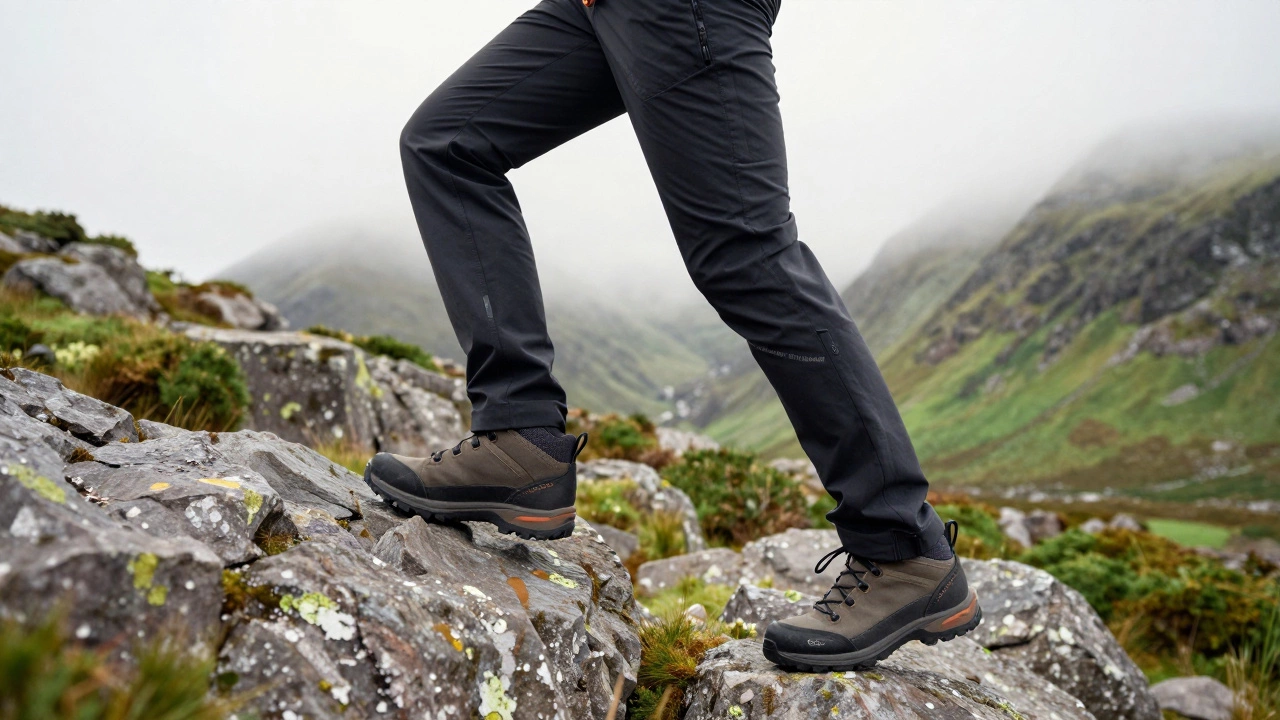
- Durability: Resists abrasions from rough terrains, like the rocky paths of the Wicklow Mountains.
- Weatherproofing: Repels rain and blocks wind to keep the core temperature stable.
- Stretch & Fit: Allows full range of motion for everything from Hurling to HIIT classes.
The Science of Sweat and Moisture Wicking
When we talk about the most basic trait of performance gear, we're talking about moisture-wicking. Moisture-wicking fabric is a synthetic or specially treated material designed to move sweat away from the body to the surface of the fabric where it can evaporate quickly. Unlike cotton, which acts like a sponge and holds onto water, these fabrics use capillary action to push liquid outward. For a gym-goer in Dublin or a runner in Cork, this means you don't end up with a heavy, sodden shirt clinging to your back after a hard session at the gym.
Most of this gear relies on Polyester, which is a durable synthetic polymer that doesn't absorb much water. When blended with Spandex (also known as Elastane), you get a garment that breathes and stretches. If you've ever worn a high-end compression shirt during a cold morning session at an athletics track, you've felt this tech in action. It keeps the skin dry, which is vital in the Irish climate because once you stop moving, any dampness on your skin will cause your body temperature to drop rapidly.
Weatherproofing for the Irish Elements
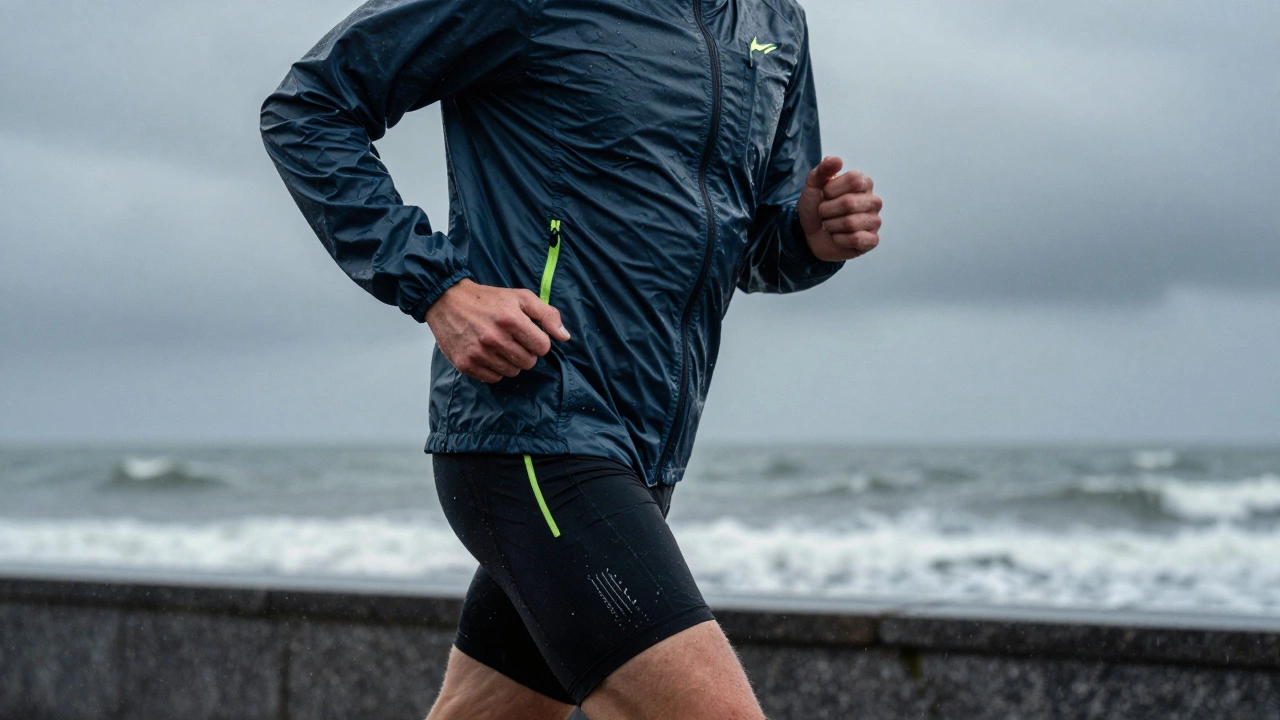
In the Irish market, "sportswear" often overlaps with "outdoor gear" because our environment demands it. A key characteristic is the use of Durable Water Repellent (DWR) coatings. This is a chemical finish applied to the outer layer of jackets and trousers that makes water bead up and roll off rather than soaking into the weave. It's the difference between staying dry during a brisk walk in Killarney National Park and feeling the damp seep into your bones.
Then there is the concept of breathability. A truly great sports jacket isn't just a plastic bag; it uses a semi-permeable membrane. This allows water vapor (your sweat) to escape from the inside while preventing liquid rain from entering from the outside. For those hiking the Ring of Kerry, this balance is crucial. If the gear isn't breathable, you'll experience "condensation rain" inside your jacket, leaving you just as wet as if you hadn't worn a coat at all.
| Material | Best Use Case | Breathability | Water Resistance | Warmth |
|---|---|---|---|---|
| Polyester Blend | Gym, Running, Training | High | Low | Low |
| Merino Wool | Hiking, Winter Sports | Medium | Moderate | High |
| Gore-Tex / Nylon | Outdoor Exploration, Rain | Medium | Very High | Low (Shell only) |
| Nylon Spandex | Yoga, Cycling, Leggings | Medium | Low | Low |
Thermal Management and the Layering System
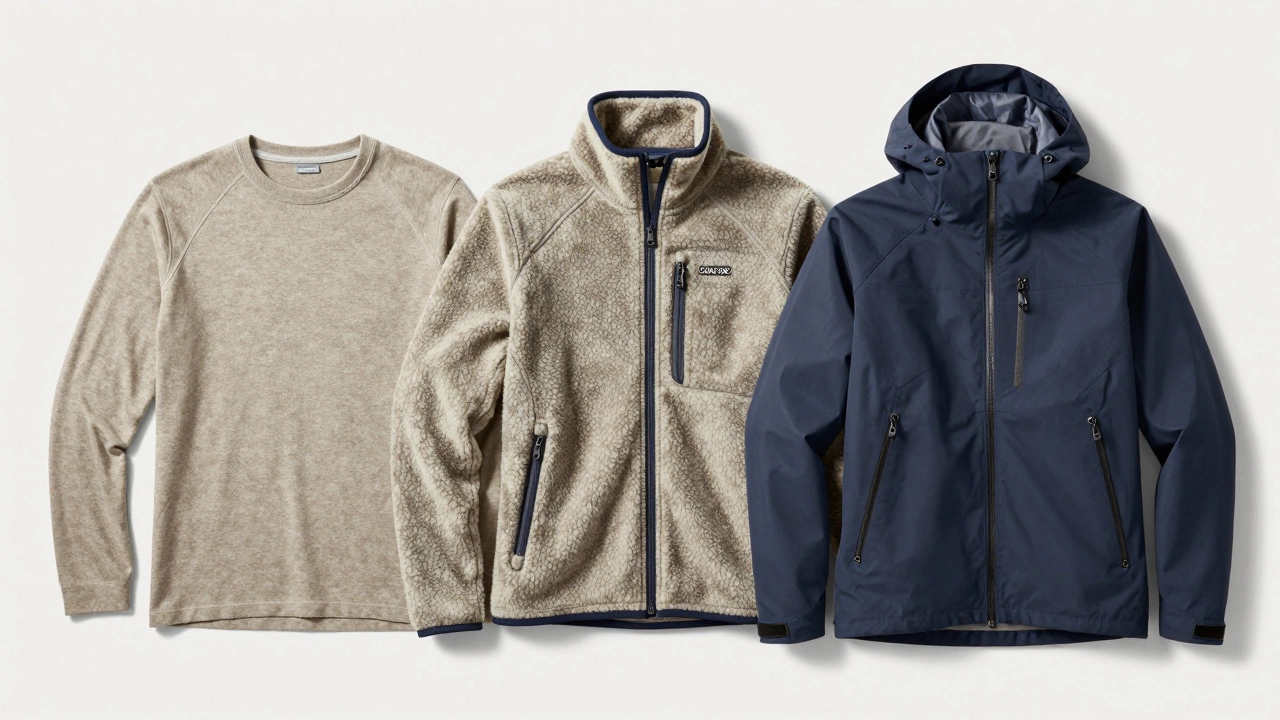
Because the weather in the Republic of Ireland can change four times in a single hour, sportswear is often designed to be used in a system. The first characteristic is the "base layer." Merino Wool is a gold standard here. It's a natural fiber that provides warmth even when wet and naturally resists odors, making it perfect for multi-day trekking in the Connemara region.
The second layer is the "mid-layer," often a Fleece or a light synthetic puffer. The goal here is insulation-trapping warm air close to the body. Finally, the "outer shell" provides the wind and rain protection mentioned earlier. This three-tier approach allows an athlete to strip down or bulk up as they move from a chilly morning breeze to the heat of a midday workout.
Ergonomics, Compression, and Fit
Modern sportswear isn't just about the fabric; it's about the architecture of the garment. One major characteristic is compression. Compression gear uses high percentages of Lycra or Spandex to apply pressure to specific muscle groups. For those playing high-intensity sports like Gaelic Football or Rugby, compression wear can help reduce muscle oscillation and potentially speed up recovery by improving blood flow.
Another essential trait is the "articulated fit." Look at the knees of a pair of high-quality hiking trousers or the elbows of a cycling jersey. They aren't straight lines; they are curved to match the natural bend of the human body. This prevents the fabric from bunching or pulling, which is a lifesaver when you're navigating a steep climb on Croagh Patrick. Without this ergonomic design, the clothes would actively fight against your movement, causing chafing and discomfort.
Sustainability and the Shift to Eco-Fabrics
There is a growing movement across the Irish athletic community toward sustainable materials. We're seeing a shift from virgin plastics to Recycled Polyester, often made from ocean plastic. As a country with a deep connection to the sea and the coast, this is becoming a priority. Brands are now implementing "circular" designs where gear can be returned and recycled into new yarn once it's worn out.
Many local enthusiasts are also returning to natural fibers like organic cotton for low-impact activities, though the trade-off is the lack of moisture-wicking. The current trend is the "hybrid" garment-mixing recycled synthetics with natural fibers to get the performance of a lab-made fabric with the footprint of a natural one.
Common Pitfalls to Avoid When Buying Gear
Many people make the mistake of buying based on aesthetics rather than the intended use. For example, wearing a "fashion" tracksuit to a high-intensity interval training (HIIT) class in a humid Dublin gym can lead to overheating and skin irritation. Fashion-led sportswear often lacks the ventilation zones-mesh panels under the arms or on the back-that genuine performance gear possesses.
Another common error is ignoring the "seam construction." In cheap sportswear, seams are often bulky and raised. When you're running 10 kilometers through the streets of Galway, those seams can act like sandpaper against your skin. Look for "flatlock seams," where the fabric is stitched flat against itself. This eliminates the ridge and prevents the dreaded "runner's chafe." Finally, don't overlook the importance of a proper gusset in leggings; without it, the fabric is more likely to shear or tear during deep squats or lunges.
Is cotton ever a good choice for sportswear in Ireland?
Generally, no. Cotton is "hydrophilic," meaning it loves water. In a damp environment like Ireland, cotton absorbs sweat and rain, becomes heavy, and takes a long time to dry. This can lead to hypothermia if you're outdoors in the wind. Stick to synthetics or Merino wool for active pursuits.
What does "breathability" actually mean in a jacket?
Breathability refers to the fabric's ability to let water vapor (gas) escape while blocking liquid water (rain). It's measured by how much moisture can pass through a square meter of fabric in 24 hours. Higher breathability means you won't feel "clammy" inside your jacket during a hike.
How do I tell if a garment has a good DWR coating?
The easiest way is the "bead test." Drop a few droplets of water on the surface. If the water forms tight beads and rolls off instantly, the coating is active. If the water flattens and soaks into the fabric, the DWR has worn off and needs to be reapplied with a spray-on treatment.
Are compression clothes actually beneficial for casual gym-goers?
While professional athletes use them for recovery and performance, casual users benefit mostly from the support and stability they provide. They can help you feel more "locked in" during lifts and prevent the fabric from shifting during dynamic movements, though they aren't a magic fix for muscle soreness.
What is the best way to wash performance sportswear to keep it effective?
Avoid fabric softeners at all costs. Softeners leave a waxy residue on the fibers that clogs the pores of moisture-wicking fabrics and destroys the DWR coating on jackets. Use a specialized sport-wash detergent and air-dry whenever possible to preserve the elasticity of Spandex.
Next Steps for Your Gear Upgrade
If you're just starting to build your athletic wardrobe, don't buy everything at once. Start with a high-quality moisture-wicking base layer-this is the most critical piece for health and comfort in the Irish climate. From there, invest in a versatile windbreaker or a light waterproof shell that you can throw over anything.
For those moving into more intense training, look at your footwear next. Ensure your shoes match your activity-don't use flat-soled gym shoes for trail running in the Comeragh Mountains, as you'll lack the necessary grip and ankle support. Finally, check your gear every six months for signs of wear, specifically looking for pilling in leggings or a loss of water repellency in your coats, so you aren't caught off guard by a sudden autumn downpour.