Pick Stitching Decision Calculator
Not sure if you should pay extra for pick stitching? Answer these three questions to get a tailored recommendation.
You’re standing in a fitting room in Dublin or browsing the racks at Brown Thomas, and the tailor asks if you want pick stitching. You nod because it sounds fancy. But do you actually know what it is? Or why your mate in Galway swears by it while his colleague in Cork thinks it’s a waste of money?
Here’s the thing: pick stitching isn’t just decoration. It’s a marker of how your suit was made. In the Irish market, where we value both durability and that subtle 'quiet luxury' aesthetic, knowing when to say yes or no matters. Let’s break down exactly what this detail does for your jacket, who needs it, and whether it’s worth the extra cash.
What Actually Is Pick Stitching?
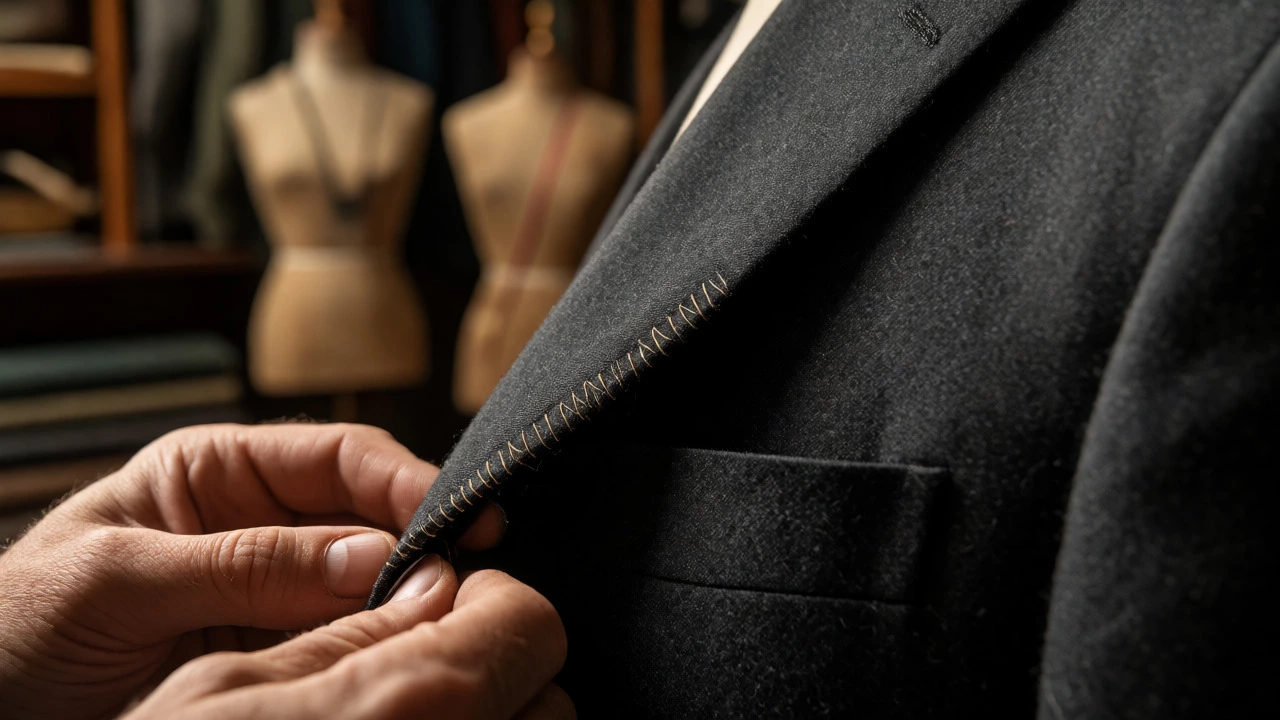
Pick stitching is a line of very fine, often slanted stitches along the edges of lapels, collars, and pocket welts. Unlike machine topstitching, which looks uniform and flat, pick stitching has a slight irregularity. That wobble? That’s the point. It signals human involvement.
Pick Stitching is a traditional hand-sewing technique used to secure lapel edges and collar roll, creating a soft, natural curve rather than a sharp, pressed look. Historically, it served a functional purpose: keeping the lapel from rolling out. Today, it’s mostly about aesthetics and signaling quality.
If you’ve ever seen a cheap suit from a high-street chain, the lapel edge is usually fused (glued) and pressed flat. It looks stiff. A hand-picked stitch allows the canvas inside the jacket to breathe and move with your body. This is crucial if you’re dealing with the damp, changeable weather we get here in Ireland. A fused lapel can bubble when it gets humid; a hand-picked one holds its shape better over time.
The Hand-Made vs. Machine Debate
Not all pick stitching is created equal. There are two main types, and the difference affects both price and appearance.
- Hand-Picked: Done by a skilled tailor using a needle and thread. The tension varies slightly with each stitch. This is expensive and time-consuming. You’ll find this on true bespoke suits from established houses like those in London’s Savile Row or specialized Irish tailors who train their staff extensively.
- Machine-Picked: A sewing machine mimics the look of hand stitching. It’s faster and cheaper. Many mid-range suits use this. It looks good from ten feet away but lacks the depth of real handwork.
Why does this matter in Ireland? Because our social culture often values authenticity. If you’re attending a wedding in a rural county or a business meeting in Dublin’s Docklands, people notice details. A genuine hand-picked stitch catches the light differently. It shows you invested in craft, not just brand labels.
When Should You Say Yes?
You don’t need pick stitching on every suit. Here’s a practical guide based on how you’ll wear it.
1. Bespoke and Made-to-Measure Suits
If you’re spending over €1,500 on a suit, say yes. At this level, you’re paying for labor. Skipping hand-finishing details defeats the purpose. In cities like Galway or Belfast, local tailors pride themselves on these touches. If you’re commissioning a suit, ask to see the interior construction. If there’s floating canvas, insist on hand-picking.
2. Wedding and Formal Wear
Irish weddings are big affairs. Whether it’s a church ceremony in Kerry or a reception in a hotel in Kildare, photos last forever. Pick stitching adds texture that photographs well under flash lighting. It prevents the lapel from looking like a flat piece of cardboard in close-ups. For a groom or best man, this small detail elevates the whole outfit without shouting for attention.
3. Business Attire for Client-Facing Roles
If you work in finance, law, or consulting in Dublin or Cork, your suit is part of your personal brand. Clients might not know what pick stitching is, but they subconsciously register quality. A soft, rolled lapel feels more approachable and confident than a rigid, fused one. It suggests you pay attention to details-a good trait to signal in negotiations.
When Can You Skip It?
Say no if:
- You’re buying off-the-rack: Most ready-to-wear suits from brands like H&M or Zara use fused interlinings. Adding pick stitching to a fused lapel doesn’t fix the underlying stiffness. It’s cosmetic only. Save your money for better fabric instead.
- You prefer a modern, minimalist look: Some contemporary styles favor clean, unadorned lines. If you’re wearing slim-fit suits to tech meetups in Dublin’s Silicon Docks, a plain edge might fit the vibe better.
- Budget is tight: Hand-picking can add €100-€200 to a bespoke order. If that pushes you into a lower-quality fabric tier, skip it. Good wool beats fancy stitching on bad cloth any day.
Irish Tailoring Traditions and Local Options
Ireland has a rich history of tailoring, though it’s often overshadowed by British names. Places like Donegal have long been associated with tweed and sturdy fabrics suited to our climate. When choosing a tailor, consider local expertise.
In Galway, for instance, several independent tailors offer half-bespoke services. They’ll adjust off-the-rack suits and may offer hand-finishing upgrades. Ask specifically about "lapel roll." If they can soften the lapel through steaming and hand-stitching, that’s a sign of skill. In Dublin, established houses on Grafton Street or Dawson Street often include pick stitching as standard on higher-end models. Check before you buy-some charge extra, others bundle it.
Don’t forget the cultural context. We’re a nation that appreciates understatement. Flashy branding screams insecurity; subtle craftsmanship whispers confidence. Pick stitching fits that ethos perfectly. It’s visible only to those who look closely-like your fellow attendees at a rugby match in Aviva Stadium or a networking event at a city hotel.
How to Spot Quality Pick Stitching
Before you commit, inspect the jacket. Here’s what to look for:
| Feature | Hand-Picked | Machine-Picked |
|---|---|---|
| Stitch Regularity | Slight variations in length and angle | Perfectly uniform spacing |
| Lapel Roll | Soft, natural curve | Often flatter or stiffer |
| Thread Tension | Visible tiny knots or loops | Tight, invisible tension points |
| Cost Impact | High (labor-intensive) | Low (mass-produced) |
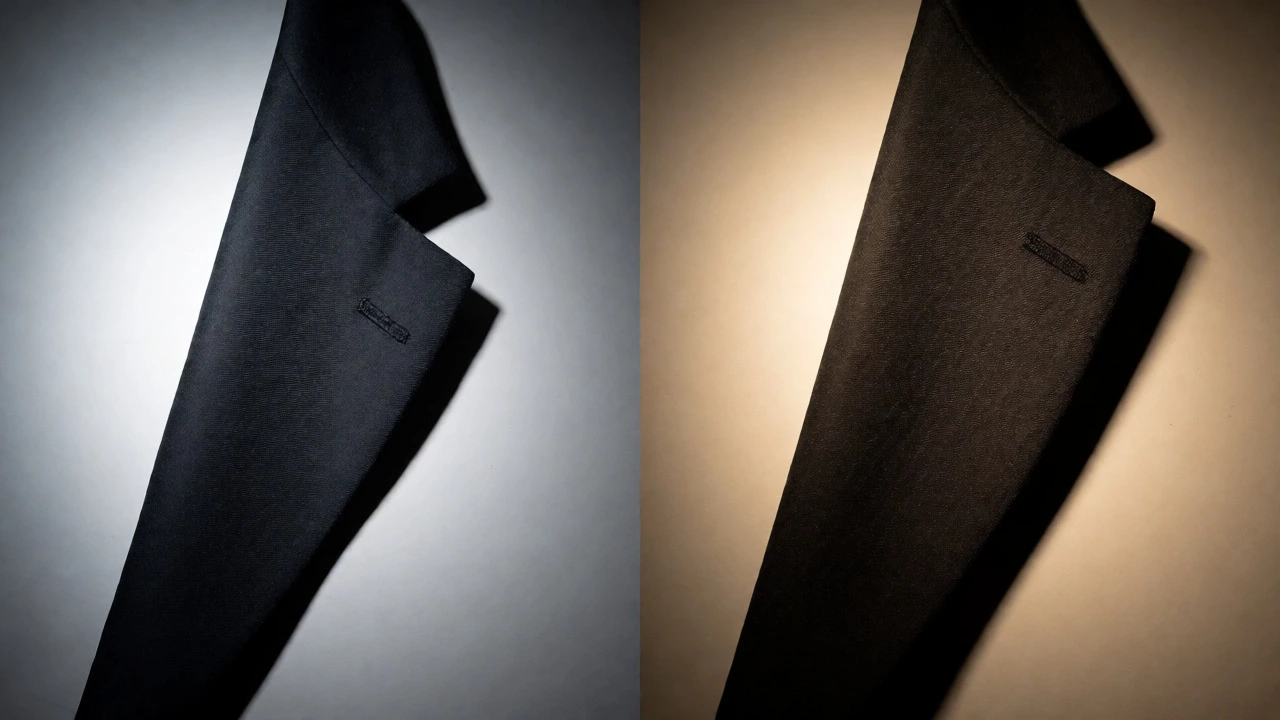
Run your finger along the lapel edge. If it feels smooth and integrated, it’s likely machine-done. If you feel slight bumps where the thread passes through, that’s handwork. Also, check the back of the lapel. Real hand-picking leaves a trail of thread on the underside. Machine stitching often hides this or uses a serger finish.
Maintenance Tips for Picked Lapels
Once you have pick stitching, care for it properly. Irish rain is notorious. Water spots can dull the fabric and weaken the thread over time.
- Dry naturally: Never put a wet suit near a heater. Hang it in a dry, airy space. Heat shrinks the wool and stresses the stitches.
- Brush regularly: Use a horsehair brush to remove dust. Dirt particles can abrade the thread at the lapel edge.
- Professional cleaning: Avoid frequent dry cleaning. Chemicals degrade hand-sewn threads faster than machine ones. Clean only when necessary, perhaps once a year unless stained.
If you live in coastal areas like Sligo or Clare, salt air can corrode metal buttons and affect thread integrity. Wipe down your suit after outdoor events near the sea.
Final Verdict: Is It Worth It?
For most Irish men investing in a quality wardrobe, yes-but selectively. Choose pick stitching for your core suits: the navy blazer, the charcoal business suit, and the wedding tuxedo. These pieces will last decades. The marginal cost per wear is negligible compared to the boost in perceived quality.
Think of it as insurance against looking generic. In a sea of mass-produced fashion, that tiny line of thread tells a story of patience and skill. And honestly, there’s something satisfying about owning something made by human hands, especially in a country that still values craftsmanship.
Is pick stitching the same as AMF stitching?
No. AMF (American Machine Fabricators) stitching is a specific type of machine-made decorative stitch, often found on classic American suits like Brooks Brothers. Pick stitching refers to the traditional hand-sewn method. While AMF mimics the look, it lacks the structural benefits and irregular charm of true hand-picking.
Does pick stitching make my suit look old-fashioned?
Not necessarily. On modern cuts, it adds texture without bulk. However, if paired with extremely wide peak lapels or heavy padding, it can lean towards a vintage aesthetic. On standard notch lapels with moderate padding, it simply looks refined and current.
Can I add pick stitching to an existing suit?
It’s difficult. Most tailors won’t recommend it because unpicking the original finish and re-laying the lapel roll risks damaging the fabric. It’s far easier and cheaper to request it during the initial custom order or purchase phase.
How much extra does hand-picking cost in Ireland?
Prices vary by tailor and location. In major cities like Dublin or Cork, expect to pay between €80 and €150 extra for full hand-picking on lapels and collars. Smaller towns may offer lower rates due to lower overheads, but always verify the tailor’s experience first.
Do all bespoke suits come with pick stitching?
Most reputable bespoke tailors include it as standard. However, some offer it as an optional upgrade to keep base prices competitive. Always confirm what’s included in the quote. If it’s not mentioned, ask explicitly.

