Sneakers vs Trainers: Regional Terminology Checker
Are you shopping online or talking to locals? Use this tool to find out which term—Sneakers or Trainers—is most appropriate for your specific region and situation.
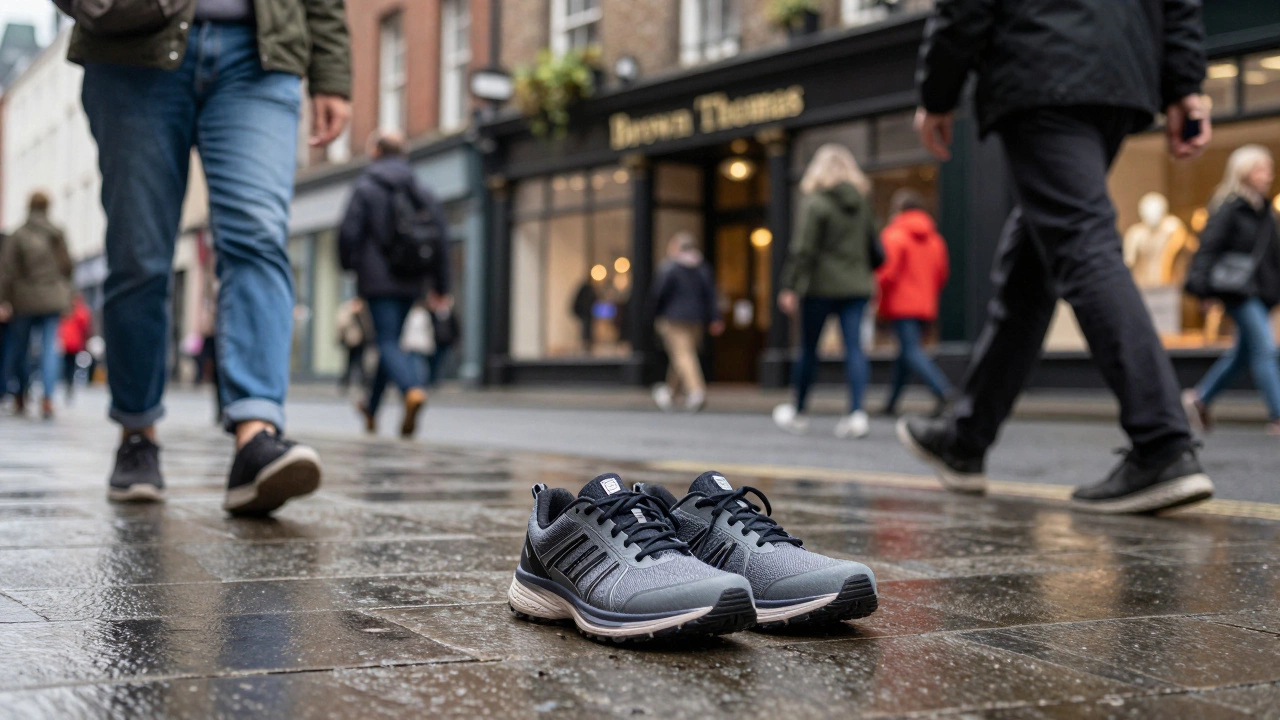
Walk down Grafton Street in Dublin or browse the racks at Brown Thomas, and you’ll hear both words tossed around. You might ask a shop assistant for "trainers" while scrolling through an American blog that insists on "sneakers." It’s enough to make your head spin. So, is there actually a difference between sneakers and trainers? Or are we just playing semantic games?
The short answer is no. The long answer involves a bit of history, geography, and why your mum in Cork probably calls them something else entirely.
The Core Definition: Same Shoe, Different Name
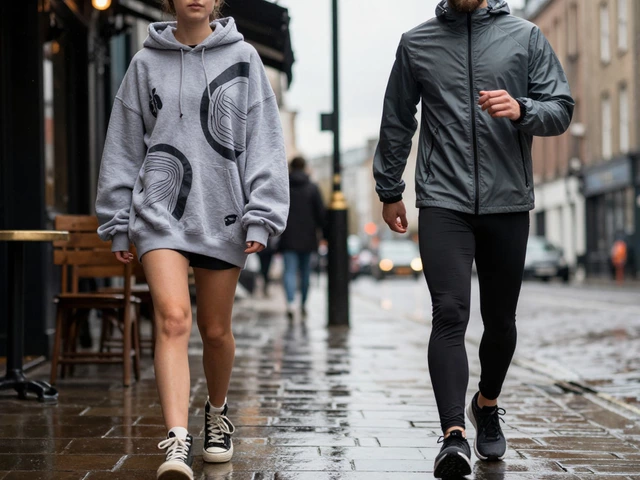
At their heart, sneakers and trainers are the exact same product. They are rubber-soled shoes designed originally for sports but now worn as everyday casual footwear. Whether you’re jogging along the River Lee in Cork, walking the Cliffs of Moher, or just grabbing a coffee in Galway city centre, the shoe on your foot serves the same purpose regardless of what you call it.
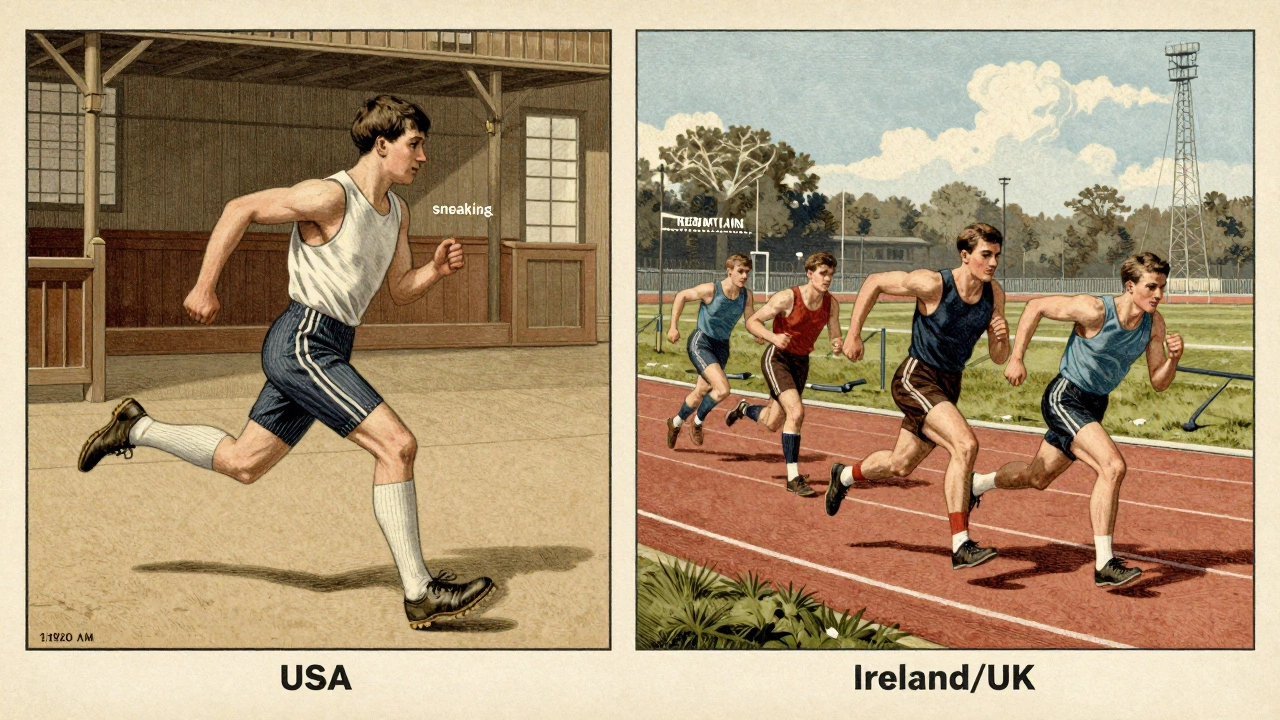
The confusion stems from regional dialects. In the United States, "sneakers" is the dominant term. This comes from the idea that the rubber soles allow you to "sneak" around quietly without the clacking sound of leather-soled dress shoes. In the UK, Ireland, Australia, and New Zealand, "trainers" (short for training shoes) is the standard term. We adopted this because these shoes were primarily used for physical training and athletics.
If you’re shopping online from US-based sites like Nike.com or Adidas.com, you’ll see "sneakers." If you’re browsing ASOS Ireland or local retailers like Jack Wills or Dunnes Stores, you’ll likely see "trainers." It’s purely a labeling convention based on where the website targets its audience.
Why the Terminology Matters in Ireland
In Ireland, using the wrong term can sometimes lead to mild social friction, though rarely anything serious. If you walk into a local gym in Limerick and ask for "sneakers," the staff will understand you perfectly, but they might raise an eyebrow. Conversely, if you’re talking to an American tourist in Kerry and call them "trainers," they’ll nod along, assuming you mean athletic gear.
This linguistic split isn’t just about pedantry; it affects how we search for products. When Irish consumers type "best running shoes" into Google, the results often mix global brands with local availability. Understanding that "sneaker culture" refers to the same hype-driven market as "trainer culture" helps you navigate resale markets like StockX or local Facebook groups where collectors trade limited editions.
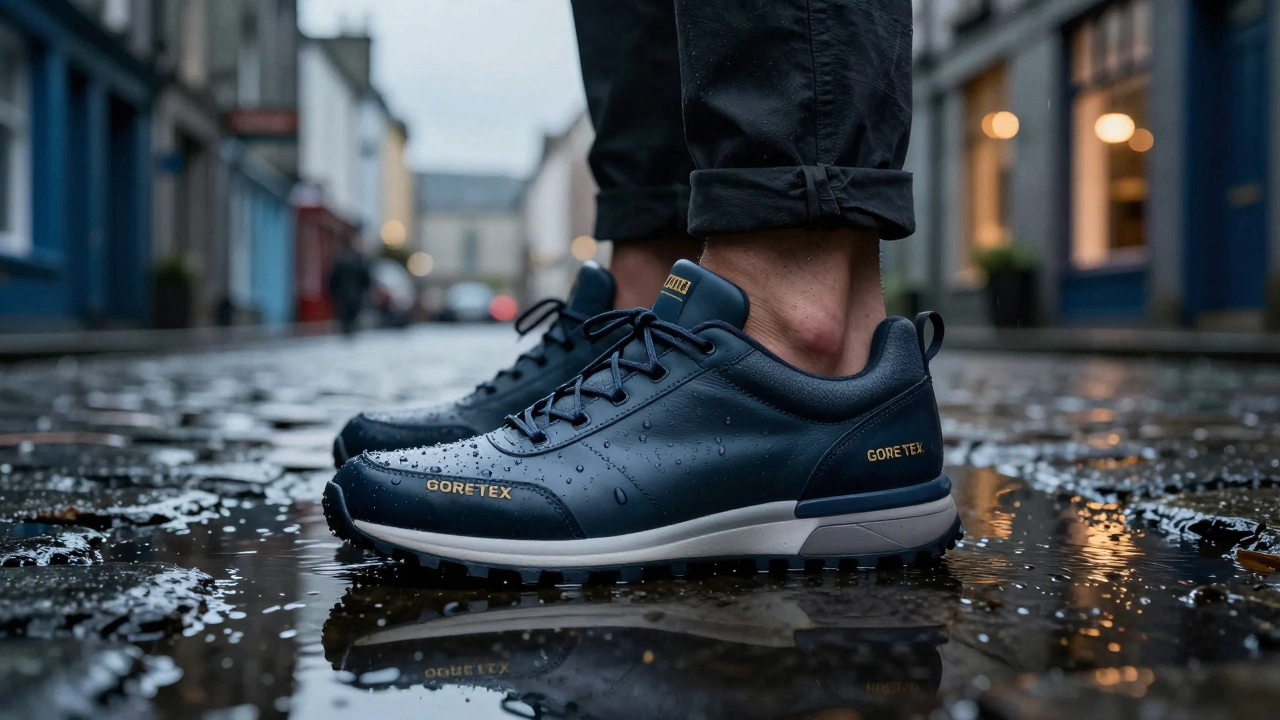
Consider the weather here. Ireland is notoriously damp. A significant part of choosing footwear involves deciding whether a canvas sneaker/ trainer will survive a Tuesday in November in Donegal. The material matters more than the name. Gore-Tex lined trainers are a staple for Irish winters, whereas low-top canvas sneakers are strictly summer fare, reserved for dry spells in July when we might finally get some sunshine.
Historical Context: How the Names Stuck
To understand the divide, we have to look back at the early 20th century. The Keds company introduced the first rubber-soled shoe in the US in 1916, marketing them as "Sneakers" because of their quiet tread. Meanwhile, in the British Empire, including Ireland, the focus was on athletic performance. Shoes were marketed as "training shoes" for track and field events.
As global brands expanded, they kept these regional distinctions. Nike, founded in Oregon, popularized "sneakers" globally through American media. However, in Europe, the term "trainers" remained entrenched. Today, even global giants adapt their language based on location. Visit the Irish version of the Adidas website, and you’ll see categories labeled "Trainers." Switch to the US domain, and those same categories become "Sneakers."
| Region | Common Term | Origin Meaning | Example Brands |
|---|---|---|---|
| USA / Canada | Sneakers | Quiet movement | Nike, Converse, Vans |
| UK / Ireland / Australia | Trainers | Athletic training | Adidas, New Balance, Asics |
| General Global | Running Shoes | Specific activity | All major brands |
Style vs. Function: Does the Name Change the Use?
While the names are interchangeable, the styles within the category vary wildly. In Ireland, the distinction often lies in intended use rather than terminology. You might buy "trainers" for the gym-specifically designed with cushioning and support for high-impact activities. These are often bulkier and less fashionable.
On the other hand, "lifestyle sneakers" (or fashion trainers) are designed for looks. Think of the classic white leather pair you’d wear with jeans and a jacket while walking through Temple Bar. These prioritize aesthetics over performance. Brands like Common Projects or local favorites like Blundstone (though technically boots, often grouped in casual footwear discussions) cater to this style-conscious crowd.
For the average Irish person, the line blurs. A pair of New Balance 574s might be used for a light jog in Phoenix Park one day and worn to a casual Friday office meeting the next. Versatility is key in our market due to the compact nature of our cities and the reliance on walking or public transport.
Shopping Tips for the Irish Market
If you’re looking to buy, knowing the terminology helps you find better deals. Here’s how to navigate the Irish footwear landscape:
- Local Retailers: Stores like Sports Direct, JD Sports, and Foot Locker use "trainers" in their signage and online menus. Searching for "trainers" on their Irish websites yields the most relevant results.
- Online Marketplaces: eBay Ireland and Amazon.co.uk often mix terms. Using synonyms like "athletic shoes" or "running shoes" can broaden your search if you’re not finding specific models under "trainers."
- Resale Markets: For limited edition drops, the global resale community uses "sneakers." If you’re trading rare pairs, you’ll need to use "sneaker" terminology to connect with international buyers on platforms like Grailed or StockX.
- Weather Considerations: Always check for water resistance. In Ireland, a non-waterproof trainer is a liability during autumn and winter. Look for keywords like "Gore-Tex," "water-resistant," or "leather upper" rather than just focusing on the name.
Cultural Nuances: What People Really Call Them
Beyond "sneakers" and "trainers," Ireland has its own colloquialisms. In some parts of the country, you might hear them referred to simply as "shoes" when context makes it clear. Among younger generations, influenced by global hip-hop culture, "kicks" is becoming more common, especially in urban centers like Dublin and Belfast.
There’s also the humorous "plimsolls," which refers specifically to the flat, canvas-soled shoes often issued in schools. While technically a type of sneaker/trainer, calling a high-end Air Jordan a "plimsoll" would likely result in a confused look.
Ultimately, the difference between sneakers and trainers is zero. It’s a linguistic artifact of transatlantic communication. Whether you’re standing in queue at a bakery in Derry or waiting for the Luas in Dublin, everyone understands what you mean. The real question isn’t what you call them, but whether they can handle the Irish rain.
Are sneakers and trainers exactly the same thing?
Yes, they are identical products. The difference is purely regional terminology. "Sneakers" is the American term, while "trainers" is the preferred term in Ireland, the UK, and Australia.
Why do Americans call them sneakers?
The term "sneakers" originated in the US because the rubber soles allowed wearers to move quietly, or "sneak," unlike traditional leather-soled shoes that made noise.
What should I search for when buying shoes online in Ireland?
For Irish retailers like Dunnes, Brown Thomas, or JD Sports, use "trainers." For global sites like Nike or Adidas, you may see "sneakers." Both terms will yield similar results, but "trainers" is more locally relevant.
Is there a difference in quality between sneakers and trainers?
No, quality depends on the brand and materials, not the name. A high-quality Nike Air Max is the same shoe whether called a sneaker or a trainer.
Can I wear my trainers for running?
Only if they are specifically designed for running. Fashion-oriented trainers lack the necessary support and cushioning for serious athletic activity. Look for "running shoes" or "performance trainers" instead.