Irish Weather & Activity Guide
Select your activity and conditions to find the right gear category.
1. What is your primary activity?
High Intensity
Running, Gym, Hiking, Sports Match
Low Intensity / Leisure
Walking, Pub, Office, Casual Outing
2. Current Conditions?
Recommendation
Key Material Tip:
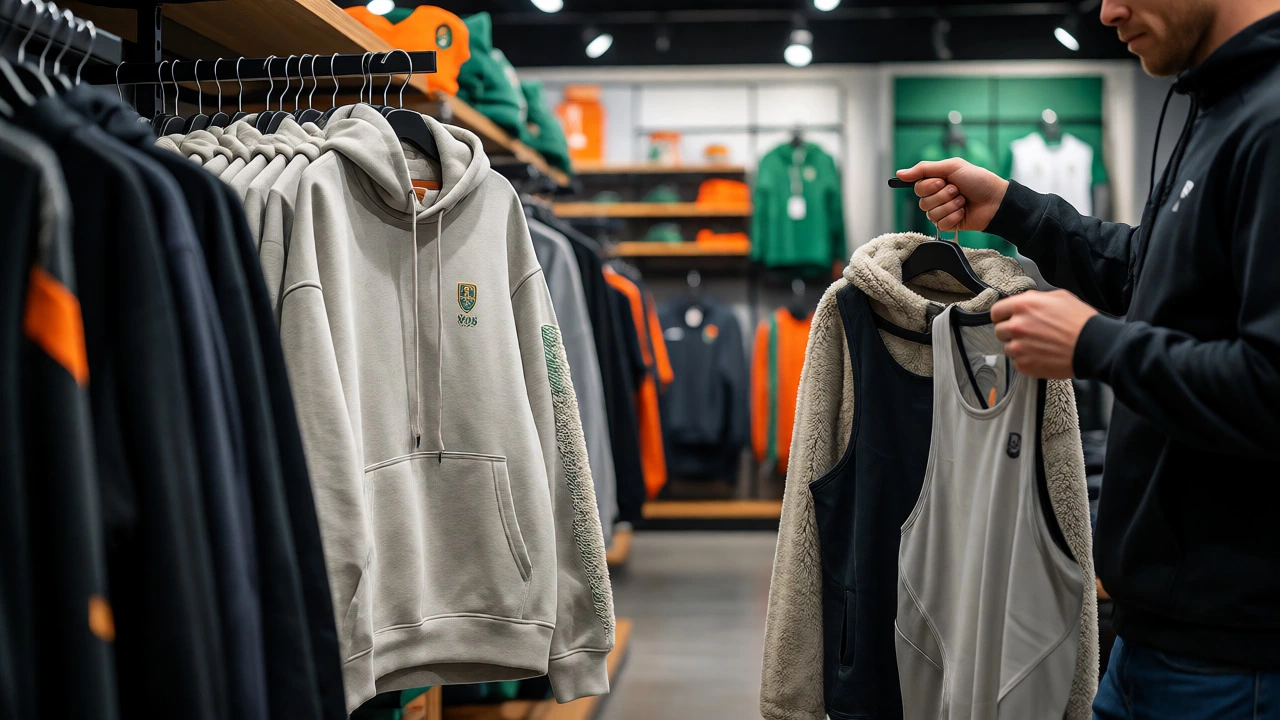
Walk into any Sportswear store in Dublin’s Dundrum Town Centre or browse the aisles of a local Intersport in Galway, and you’ll see racks labeled with terms that seem interchangeable. You might grab a hoodie marked "athletic" while eyeing a jersey labeled "sport." Confusing? Absolutely. But here is the truth: there is a distinct difference between sportswear and athletic wear, and knowing it can save you money and frustration, especially when dealing with the unpredictable Irish weather.
The confusion often stems from marketing teams using these words as synonyms to sell more units. However, for anyone serious about performance-whether you’re training for a marathon in Phoenix Park or just trying to survive a Tuesday night GAA session in a leaking community hall-the distinction matters. One category prioritizes function and protection; the other leans toward comfort, style, and casual use. Let’s break down exactly what separates them, so you don’t end up wearing cotton jeans on a rainy hike up Croagh Patrick.
Defining the Core Entities
To understand the difference, we first need to define what each term actually means in the context of modern clothing manufacturing and consumer use. While they overlap, their primary jobs are different.
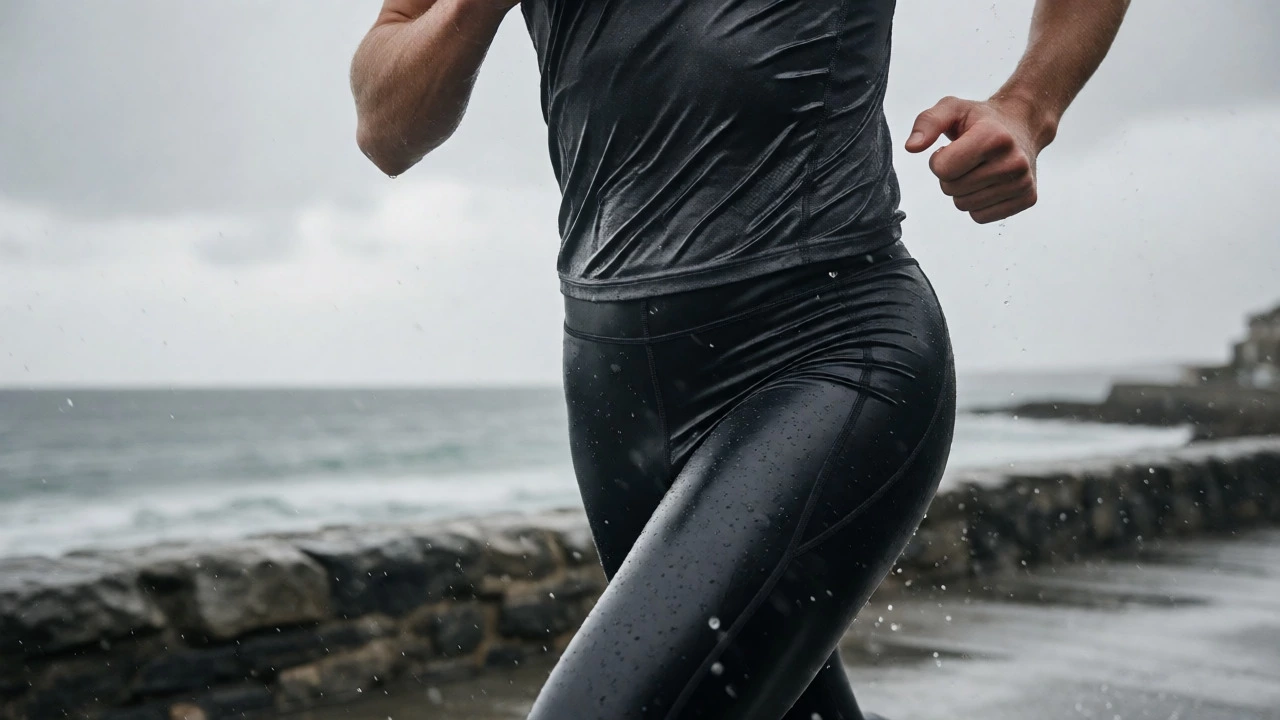
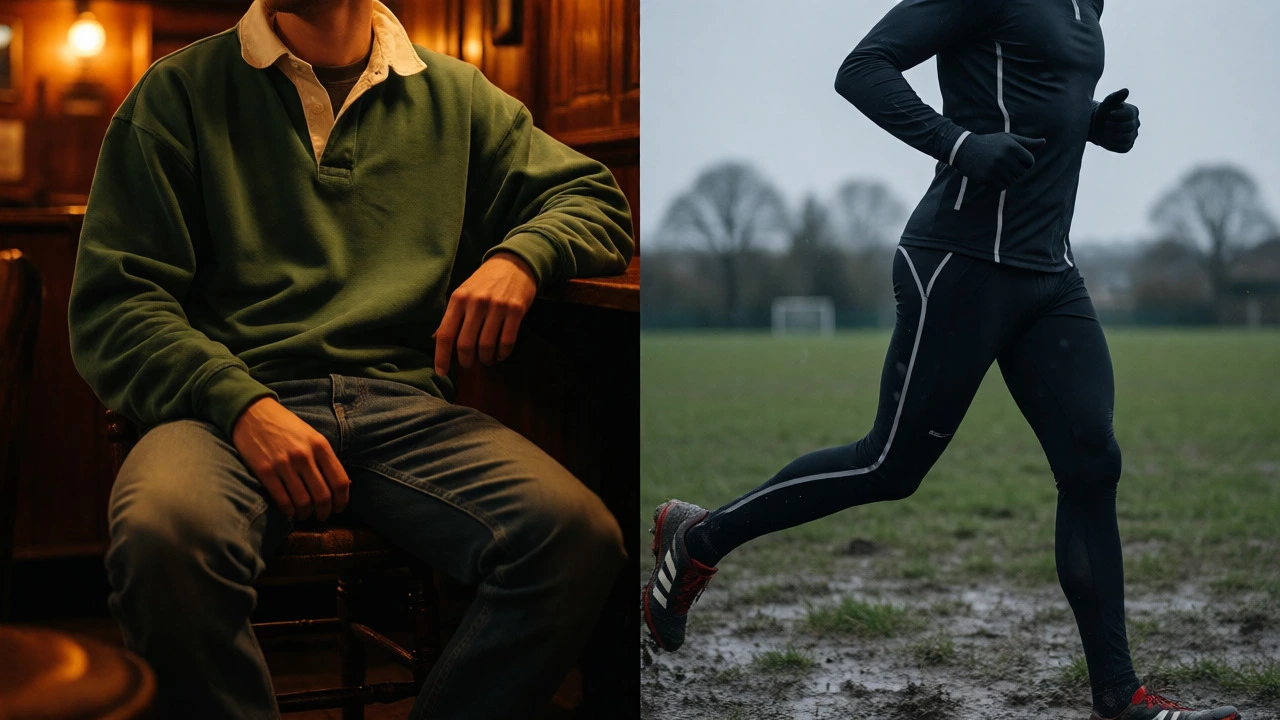
Athletic Wear (often called activewear) is designed specifically for physical activity. Its main job is to manage moisture, allow freedom of movement, and protect the body during exertion. Think of the compression tights you wear for CrossFit or the moisture-wicking singlet you’d wear for a run along the Salthill promenade. The materials are technical: polyester blends, elastane, nylon, and specialized knits that pull sweat away from your skin. If you stop moving, you might get cold quickly because these fabrics aren’t meant for insulation.
Sportswear is a broader category. It encompasses clothing inspired by sports but worn primarily for leisure, fashion, or low-impact activities. This includes tracksuits, branded jerseys, sneakers worn for walking, and hoodies. While some sportswear has athletic properties, much of it is made from cotton or heavy synthetics that look good but trap heat and sweat. In Ireland, this distinction is vital because our climate demands versatility. A thick cotton rugby shirt is sportswear-it looks the part and keeps you warm in a pub-but it will leave you shivering if you wear it for an actual game in the rain.
| Feature | Athletic Wear | Sportswear |
|---|---|---|
| Primary Purpose | Performance & Function | Style & Leisure |
| Common Materials | Polyester, Elastane, Nylon, Merino Wool | Cotton, Fleece, Heavy Synthetics, Denim |
| Moisture Management | High (Wicks sweat away) | Low to Medium (Absorbs sweat) |
| Durability | High abrasion resistance | Variable, often less durable under stress |
| Ideal Use Case | Gym, Running, Hiking, Sports | Walking, Pub, Casual Office, Travel |
Why Material Science Matters in the Irish Climate
If you live anywhere from Cork to Belfast, you know that "four seasons in one day" isn’t just a cliché-it’s a meteorological fact. This makes the choice between athletic wear and sportswear critical for comfort and health.
Athletic wear relies on synthetic fibers like polyester and nylon. These materials are hydrophobic, meaning they repel water. When you sweat during a high-intensity interval training (HIIT) class at a local gym in Limerick, the fabric pulls moisture off your skin to the outer surface where it evaporates. This keeps you dry. If you wear cotton sportswear instead, the fabric absorbs the sweat, becomes heavy, clings to your body, and cools down rapidly once you stop moving. In a drafty Irish wind, wet cotton is a recipe for hypothermia, even in summer.
Conversely, sportswear often uses heavier fabrics like fleece or thick cotton blends. These are excellent insulators. They trap body heat, which is great if you’re sitting in a stand watching hurling at Croke Park in November. But if you try to jog in a heavy fleece tracksuit, you’ll overheat within ten minutes. The key is matching the material to the intensity of the activity and the ambient temperature.
The Rise of Athleisure: Blurring the Lines
Here is where things get tricky. Over the last decade, a hybrid category called Athleisure has dominated the market. Brands like Nike, Adidas, and newer entrants like Gymshark have mastered the art of making athletic-looking clothes that feel comfortable enough for daily life.
Athleisure takes the aesthetic of athletic wear-slim fits, bold logos, technical cuts-and combines it with the comfort of sportswear. For example, yoga pants made from soft, brushed polyester might be technically athletic wear, but they are often marketed and sold as casual wear. In cities like Dublin, it’s common to see people wearing expensive running leggings to coffee shops. Is this bad? No. But be aware that these garments may not perform as well during intense exercise as dedicated athletic gear.
When shopping in Ireland, look for specific tags. If a pair of joggers says "moisture-wicking," "4-way stretch," or "quick-dry," it’s leaning towards athletic wear. If it says "cotton blend," "relaxed fit," or "fashion-forward," it’s likely sportswear intended for casual use. Don’t assume that because it looks like gym clothes, it functions like gym clothes.
Practical Buying Tips for Irish Consumers
So, how do you build a wardrobe that handles both the gym and the grocery run without breaking the bank? Here is a practical approach tailored to local needs.
- Invest in Base Layers: Always buy dedicated athletic base layers (tops and bottoms) for actual exercise. Look for merino wool options from brands like Icebreaker or Smartwool, which are available in outdoor stores across Ireland. Merino regulates temperature better than synthetics and doesn’t smell as bad after a long hike in Wicklow Mountains National Park.
- Choose Versatile Sportswear: For casual wear, opt for high-quality sportswear from heritage brands like O’Neills or international giants like Puma. These items are built to withstand frequent washing and casual wear. A good quality cotton-polyester blend hoodie is perfect for layering under a rain jacket.
- Check the Seam Construction: Athletic wear requires flatlock seams to prevent chafing during repetitive movements. Sportswear often has standard stitched seams. If you plan to run more than 5k, check the inside of the garment. Rough seams will cause blisters on long runs.
- Consider Visibility: Irish winters are dark. Athletic wear often incorporates reflective strips for safety. Sportswear rarely does. If you walk dogs early in the morning in rural areas outside Galway city, prioritize athletic-style jackets with reflectivity over purely stylish sportswear.
Local Context: GAA, Soccer, and Rugby
Ireland’s sporting culture heavily influences what we buy. The Gaelic Athletic Association (GAA) promotes a specific type of sportswear: durable, team-branded, and often made from heavy-duty synthetics or cotton blends. A standard GAA jersey is technically sportswear-it’s designed for durability and team identity rather than elite performance metrics.
However, the players themselves wear advanced athletic wear underneath. Compression shorts, grip socks, and moisture-managing undershirts are standard. As a spectator or amateur player, you might wear the jersey (sportswear) for pride and warmth, but if you’re playing a match in the mud of a county championship final, you need proper athletic base layers underneath to stay functional.
Similarly, with soccer and rugby, the line blurs. Replica kits sold in stores like JD Sports or Foot Locker are sportswear-they are fan merchandise. Authentic on-field kits are athletic wear-they feature lighter fabrics, ventilation zones, and tighter fits. Pay attention to which version you are buying. A replica kit might cost €60, while the authentic version could be €90+. The price difference reflects the technology embedded in the fabric.
Environmental Impact and Sustainability
Sustainability is becoming a major concern for Irish shoppers. Most athletic wear is made from plastics (polyester, nylon). Washing these items releases microplastics into waterways, a significant issue for coastal communities in Clare and Kerry. Some newer brands are using recycled ocean plastics, but the environmental footprint remains high.
Sportswear, particularly those made from natural fibers like organic cotton or hemp, biodegrades more easily. However, cotton requires vast amounts of water to produce. There is no perfect answer, but choosing durable items that last longer reduces waste. Buy fewer, higher-quality pieces. A cheap €15 t-shirt from a fast-fashion retailer might fall apart after five washes, ending up in landfill. A €35 technical tee from a reputable brand might last three years. That’s better for your wallet and the environment.
Also, consider the longevity of the item. Athletic wear loses elasticity over time. Once spandex breaks down, the garment sags and stops performing. Sportswear, being looser and less reliant on stretch, tends to age more gracefully. Rotate your wardrobe to extend the life of both categories.
Final Verdict: Which Do You Need?
You likely need both. The goal isn’t to choose one side but to understand the tool you’re holding. Use athletic wear when you’re sweating, moving fast, or exposed to elements where moisture management is critical. Use sportswear when you’re relaxing, socializing, or engaging in light activity where comfort and style take precedence.
In Ireland, the weather forces us to be pragmatic. We cannot afford to be wrong about our clothing choices. A wet cotton shirt is miserable; a breathable synthetic shell is a lifesaver. By distinguishing between sportswear and athletic wear, you make smarter purchases that serve their purpose. Next time you’re browsing online or in-store, ask yourself: Am I going to sweat in this? If yes, go athletic. If no, go sportswear. Your back-and your laundry routine-will thank you.
Is it okay to wear athletic wear casually?
Yes, absolutely. This trend is known as athleisure. Many people in Ireland wear leggings, joggers, and performance tees for everyday activities. Just be aware that some technical fabrics may not breathe as well in hot environments or may lack pockets compared to traditional sportswear.
Can I use sportswear for running?
For short, slow jogs, yes. However, for distances over 5km or in rainy conditions, cotton-based sportswear can become heavy and cause chafing. Synthetic athletic wear is superior for managing sweat and preventing discomfort during prolonged aerobic activity.
What is the best material for Irish winter workouts?
Merino wool is highly recommended for its temperature regulation and odor resistance. Pair a merino base layer with a lightweight synthetic mid-layer and a waterproof/windproof outer shell. Avoid pure cotton, as it retains moisture and leads to rapid cooling.
Are expensive athletic brands worth it in Ireland?
Often, yes. Premium brands invest in better seam construction, durable zippers, and effective moisture-wicking technologies. Given the damp climate, cheaper alternatives may fail faster due to mold, mildew, or fabric degradation. Check reviews for durability before purchasing.
How should I wash athletic wear?
Wash in cold water to preserve elasticity and prevent shrinking. Avoid fabric softeners, as they clog the pores of technical fabrics, reducing their moisture-wicking ability. Air drying is preferred over tumble drying to extend the lifespan of the garment.