Irish Summer Wardrobe Planner
Trip Details
Your Essential Kit
Weather Reality Check
Calculating advice...
Enter your trip details to see what you actually need.
Summer in Ireland is a bit of a trickster. One minute you are basking in the golden glow of a July afternoon in Dublin’s St. Stephen’s Green, and the next, a cold Atlantic breeze rolls in from Howth, turning that sunshine into a damp chill. If you pack or shop for summer here expecting Mediterranean heat, you will end up shivering at a pub in Galway or getting soaked on a hike along the Cliffs of Moher. The key isn’t just about what you wear; it is about how you adapt to our famously unpredictable climate.
We don't need heavy coats, but we certainly can't rely on tank tops alone. To stay comfortable while exploring the Wild Atlantic Way or navigating the city streets of Cork and Belfast, you need a versatile toolkit. Here are the five essential clothing items that form the backbone of an Irish summer wardrobe.
1. The Lightweight Waterproof Jacket
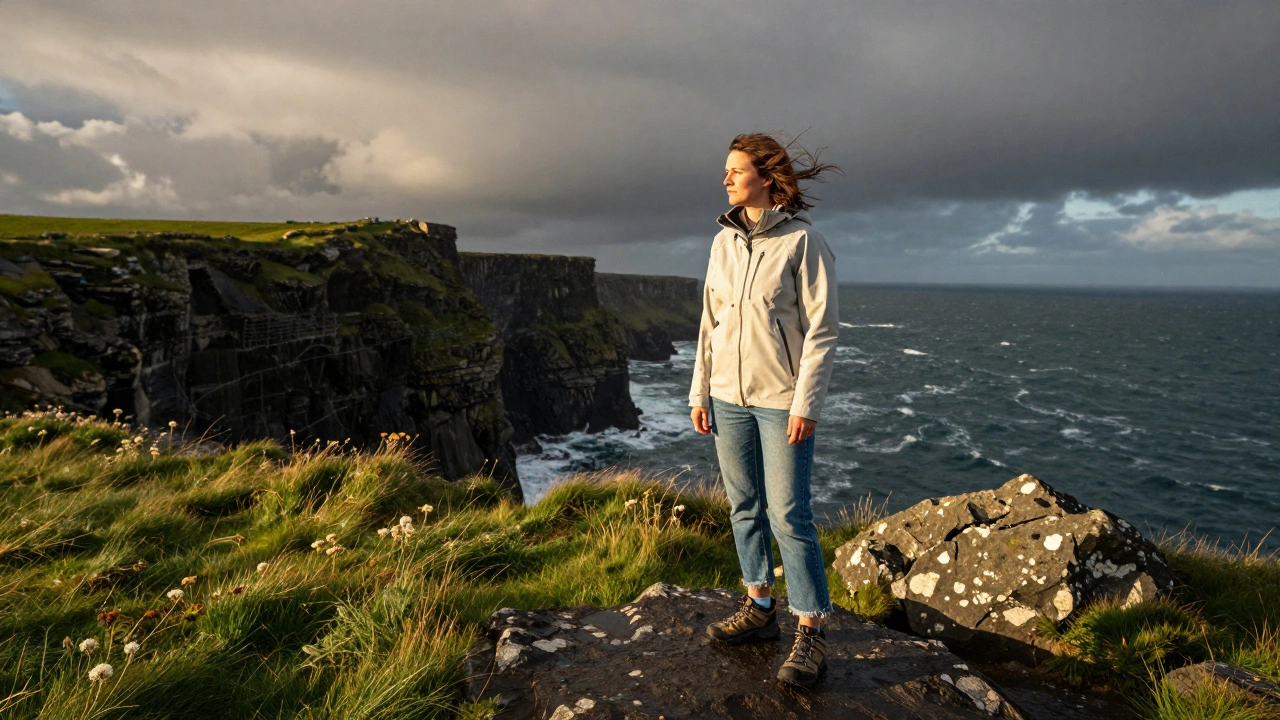
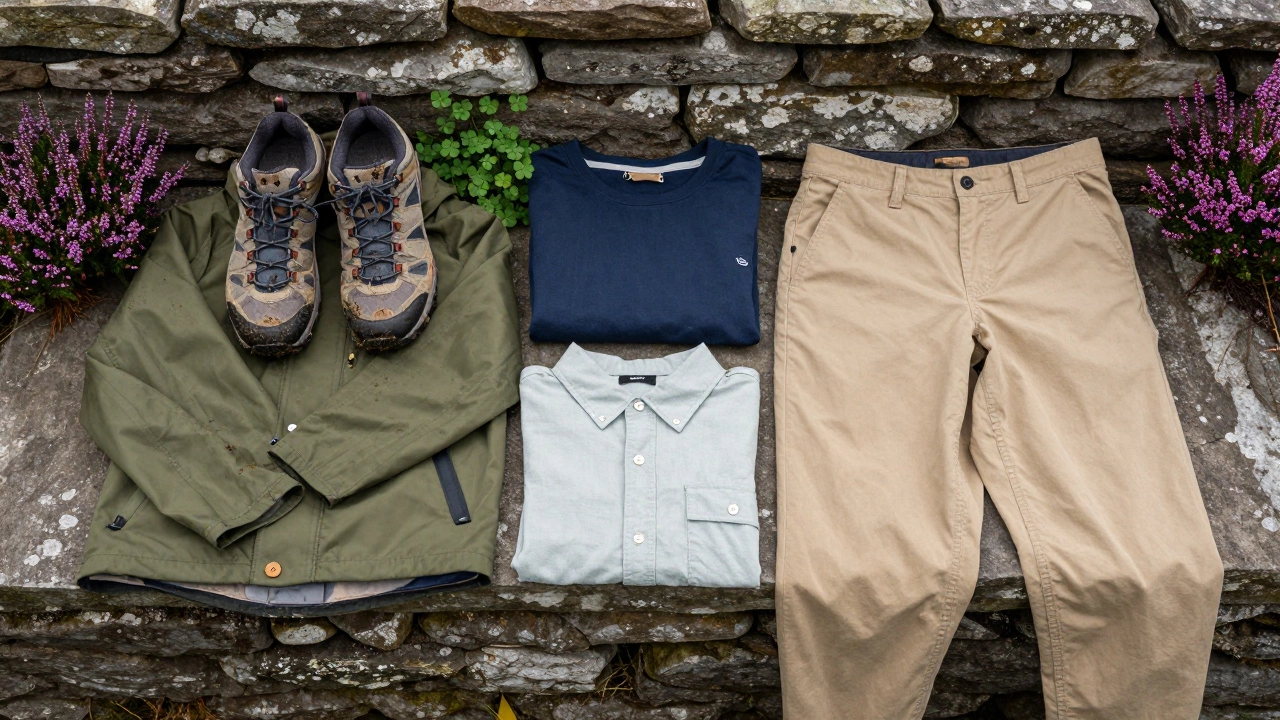
Let’s be honest: rain is part of the deal. Even in August, you might catch a shower. A bulky winter coat is overkill, but going without any protection is a mistake. You need a lightweight, packable waterproof jacket. Think of brands like Carrickmacross (for local heritage) or reliable outdoor gear from Decathlon or Jack Wolfskin. Look for something with a hood that doesn’t restrict your vision when you are squinting against the wind.
This jacket should be breathable. If you are walking up the steps of Kilmainham Gaol or hiking in the Wicklow Mountains, you will sweat. A non-breathable plastic shell will trap that moisture, making you feel clammy. A good option is a soft-shell jacket or a high-quality raincoat made from Gore-Tex or similar membranes. It packs down small enough to fit in a tote bag, so you can grab it when the sky turns that distinctive Irish grey.
- Feature: Packable and lightweight.
- Material: Breathable waterproof membrane.
- Use Case: Sudden showers, windy coastal walks.
2. Mid-Weight Denim Jeans or Chinos
Shorts are great for a day at Bray Head if the sun is out, but they leave you vulnerable to the temperature drops that happen quickly here. Mid-weight denim jeans or sturdy chinos are your best friend. They provide enough warmth to sit outside at a pub in Kilkenny or stroll through the markets in Temple Bar without freezing, yet they aren’t as stifling as thick winter wool trousers.
Avoid skinny fits if you plan on doing any active stuff; straight-leg or relaxed-fit cuts allow for better air circulation. In Ireland, style leans towards casual comfort. You want pants that look good with sneakers for a day trip to the Giant’s Causeway but can also pass for smart-casual if you decide to pop into a nice restaurant in Dún Laoghaire. Darker washes tend to hide the occasional mud splatter from a country lane better than light ones.
3. Breathable Summer Dresses
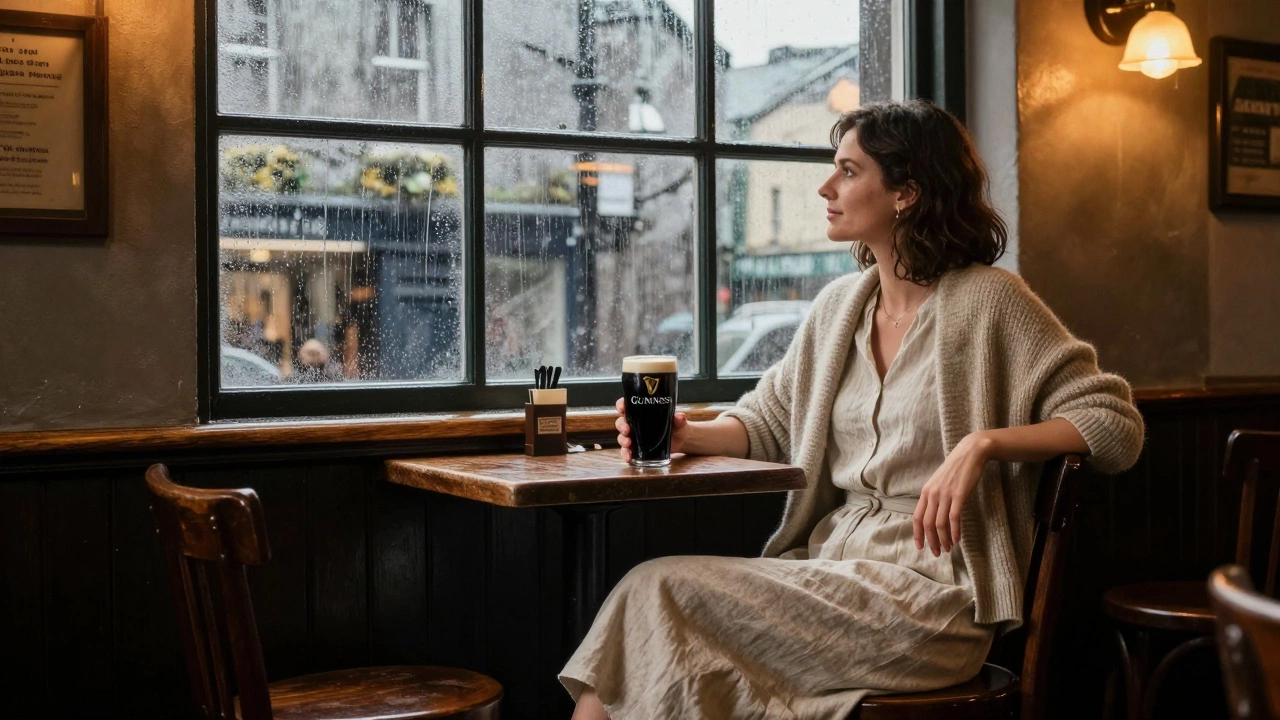
For women, summer dresses are essential for staying cool during the warmer parts of the day while maintaining a stylish appearance suitable for various social settings. However, not all dresses are created equal for the Irish climate. You want fabrics that breathe. Linen is fantastic because it dries quickly and wicks away moisture. Cotton is also a solid choice. Avoid synthetic materials like polyester if possible, as they trap heat and smell after a long day.
Consider midi-length dresses. They offer more coverage against sudden breezes and are generally more appropriate for diverse settings, from a church visit in Westport to a garden party in Dublin. A wrap dress is particularly versatile because you can adjust the fit and coverage depending on how windy it gets. Pair it with a cardigan, and you have a complete outfit ready for anything.
| Fabric | Breathability | Dry Time | Best For |
|---|---|---|---|
| Linen | High | Fast | Hot days, casual outings |
| Cotton | Medium-High | Medium | Everyday wear, dresses |
| Polyester | Low | Slow | Avoid unless technical sportswear |
| Merino Wool | High | Medium | Layering, temperature regulation |
4. A Versatile Layering Top
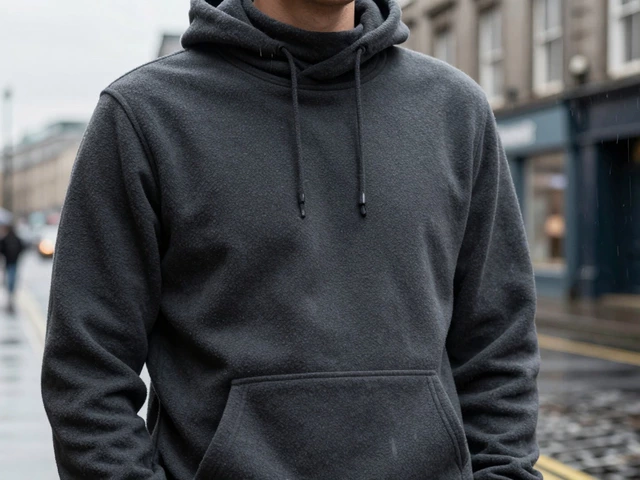
The concept of "onion dressing" applies perfectly here. You need layers you can add or remove easily. A simple t-shirt is rarely enough on its own. Instead, opt for a lightweight long-sleeve shirt or a thin merino wool base layer. Merino wool might sound counterintuitive for summer, but it is excellent at regulating body temperature. It keeps you warm when it’s cool and cool when it’s warm, plus it resists odors, which is handy if you are traveling for a few days.
A classic button-down shirt in cotton or linen works well too. You can wear it open over a t-shirt for a relaxed look or buttoned up for a smarter appearance. This piece bridges the gap between the morning chill and the afternoon warmth. When you are sitting by the Liffey watching the boats go by, that extra layer means the difference between being comfortable and needing to find a heater.
5. Comfortable Walking Shoes
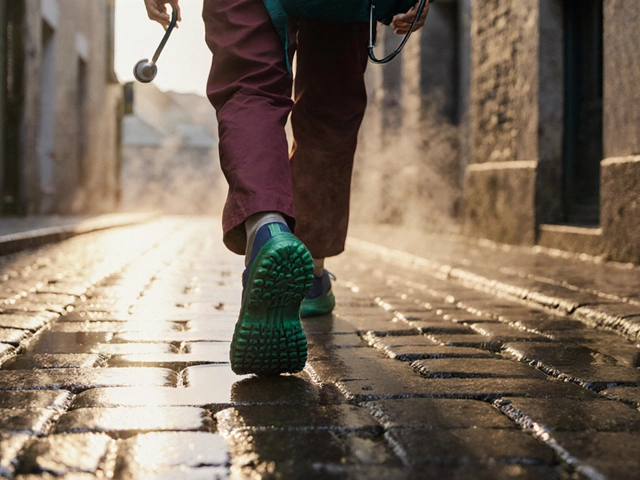
You cannot talk about clothes without mentioning footwear. Ireland’s terrain is uneven. Cobblestones in historic towns like Kinsale, muddy paths in Connemara, and steep hills in Donegal demand shoes that support your feet. Flip-flops are fine for the beach in Bundoran, but they are useless for exploring. Sneakers with good grip or lightweight hiking boots are ideal.
Make sure they are water-resistant. Even if your upper body is dry, wet socks ruin the day. Brands like Skechers or Clarks often have styles that balance comfort and durability. Break them in before you start your holiday. Blisters on the first day of visiting the Ring of Kerry are no fun.
Understanding the Irish Weather Pattern
To wear these items effectively, you need to understand why they work. Ireland has an oceanic climate. This means mild temperatures year-round, but high variability in short periods. The sun can shine brightly while it rains sideways. Humidity is often higher than you expect, making even mild temperatures feel heavier.
Local traditions reflect this. You will see people carrying umbrellas even when the sky is blue. It is not paranoia; it is experience. The phrase "four seasons in one day" is not just a cliché here; it is a practical reality. Your wardrobe must be modular. Each piece should work independently but also combine with others to create a protective system.
Where to Shop in Ireland
If you are looking to buy these essentials locally, there are plenty of options. For high-street fashion, check out Brown Thomas in Dublin or the main shopping centers in Cork and Limerick. For outdoor-specific gear, stores like Mountain Warehouse or local outfitters in tourist hubs like Killarney offer reliable choices. Supporting local designers is also a great way to get unique pieces. Brands like Rynne or Dervila offer high-quality fabrics that suit the climate and style.
Second-hand shops and charity stores are also treasure troves. You can find high-quality wool coats, leather jackets, and sturdy boots at a fraction of the price. It is sustainable and often yields better quality items than fast fashion.
Common Mistakes to Avoid
One big mistake tourists make is underestimating the evening drop in temperature. During the day, it might be 20°C (68°F), but by 8 PM, it can feel like 12°C (54°F). Always carry a layer. Another error is wearing white shoes. They get dirty fast on Irish streets and countryside paths. Stick to darker colors or materials that can handle a little grime.
Also, avoid relying solely on fashion over function. A beautiful dress is lovely, but if it offers no protection against the wind, you will regret it. Balance aesthetics with practicality. The goal is to enjoy the scenery, not spend your time checking the weather app every ten minutes.
What is the average temperature in Ireland in July?
The average high temperature in July ranges from 17°C to 20°C (63°F to 68°F), depending on the region. Coastal areas may be slightly cooler due to sea breezes, while inland areas can be a bit warmer. However, temperatures can occasionally spike above 25°C (77°F) during heatwaves.
Do I need a raincoat in summer in Ireland?
Yes, absolutely. Rain can occur at any time of the year in Ireland. A lightweight, packable raincoat is essential for staying dry and comfortable, especially if you plan on spending time outdoors or exploring rural areas.
Are shorts acceptable in Ireland?
Shorts are acceptable for casual activities, beaches, and sports. However, they are less common in urban settings or for dining out. Many locals prefer longer trousers or jeans even in summer due to the variable temperatures. If you wear shorts, consider bringing leggings or a light pair of trousers for later in the day.
What type of shoes are best for exploring Ireland?
Comfortable walking shoes with good grip are essential. Sneakers, trainers, or lightweight hiking boots are ideal. Avoid sandals or flip-flops for general exploration, as they offer little protection against uneven terrain and potential rain.
Can I wear a summer dress in Ireland?
Yes, but choose wisely. Opt for breathable fabrics like linen or cotton. Midi-length dresses are versatile and provide more coverage against wind. Always carry a cardigan or light jacket to layer over your dress when the temperature drops or if it becomes windy.