Irish Weather Outfit Matcher
Not sure what to wear? Adjust the sliders below to match your current or planned conditions in Ireland, and get a tailored recommendation for warmth without the bulk.
Current Conditions
Recommended Alternative
High ConfidenceMerino Knitwear
A high-quality merino wool jumper provides excellent thermal regulation. It's breathable enough for indoor transitions but warm enough for a breezy walk.
Expert Tip
Quick Comparison Guide
| Item | Best For | Water Resistance | Style Vibe |
|---|
If you live in Galway or anywhere else along the west coast of Ireland, you know the drill. One minute it’s sunny, and the next, a sideways rainstorm hits while you’re trying to walk down Shop Street. A traditional jacket can feel too bulky, too hot indoors, or just plain wrong for the vibe you’re going for. But what do you wear instead when you need warmth without the weight? The answer isn’t one single item; it’s about smart layering and choosing pieces that handle our unpredictable climate with style.
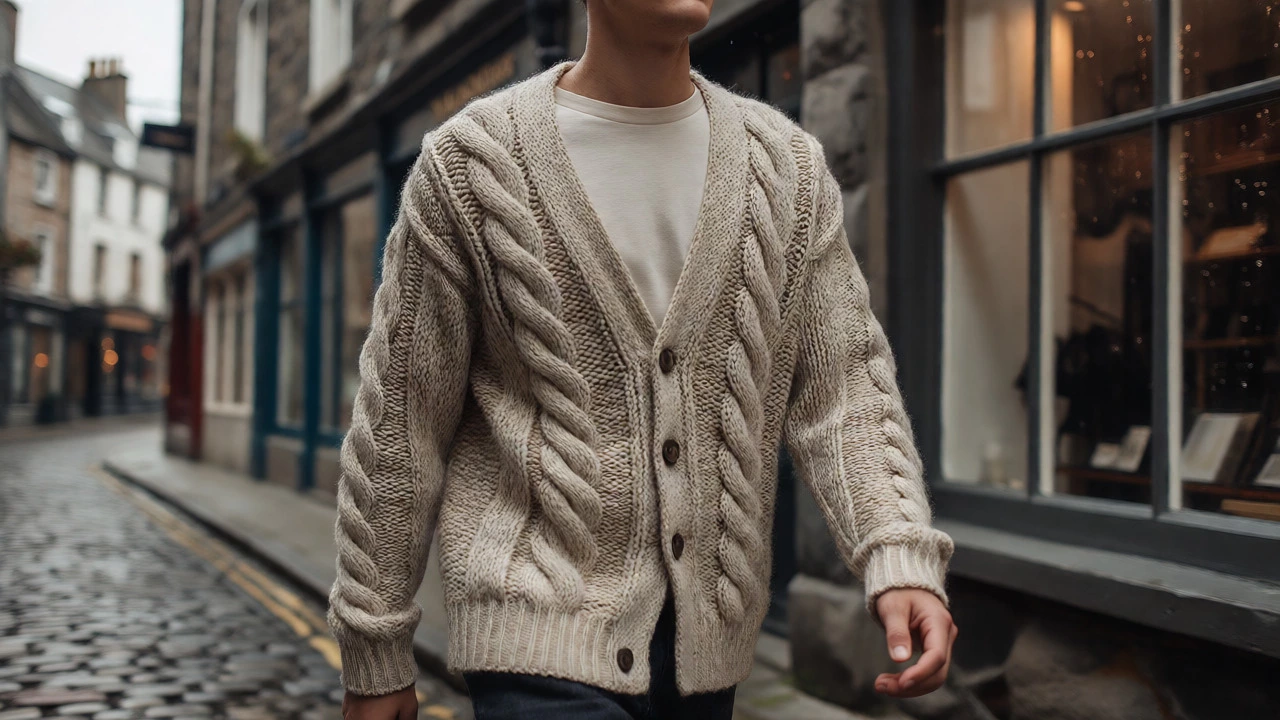
The most effective substitute for a jacket is often a high-quality knitwear piece. In Ireland, we have a deep cultural connection to wool. Knitwear refers to garments made from knitted yarns, such as sweaters, cardigans, and pullovers, which provide excellent thermal insulation while remaining breathable. Unlike synthetic jackets that trap sweat, natural fibers like merino or lambswool regulate your body temperature. If you step into a pub in Dublin or a café in Cork, you won’t overheat, but you’ll stay warm on the walk back.
The Power of the Cardigan and Pullover
Forget the stereotype of the itchy Aran sweater (though they are great for heavy weather). Modern knitwear has evolved. Brands like Harris Tweed Hebrides or local Irish labels offer fine-gauge merino wool that feels soft against the skin. A chunky cable-knit cardigan worn open over a t-shirt creates a relaxed silhouette that works for casual Fridays or weekend markets in Belfast.
Why does this work better than a light windbreaker? Because it adds texture and depth to your outfit. A grey hoodie might look sloppy under a blazer, but a textured wool jumper looks intentional. Plus, if the sun comes out in Killarney unexpectedly, you can easily tie the cardigan around your waist or shoulders without looking disheveled.
Overshirts: The Middle Layer Hero
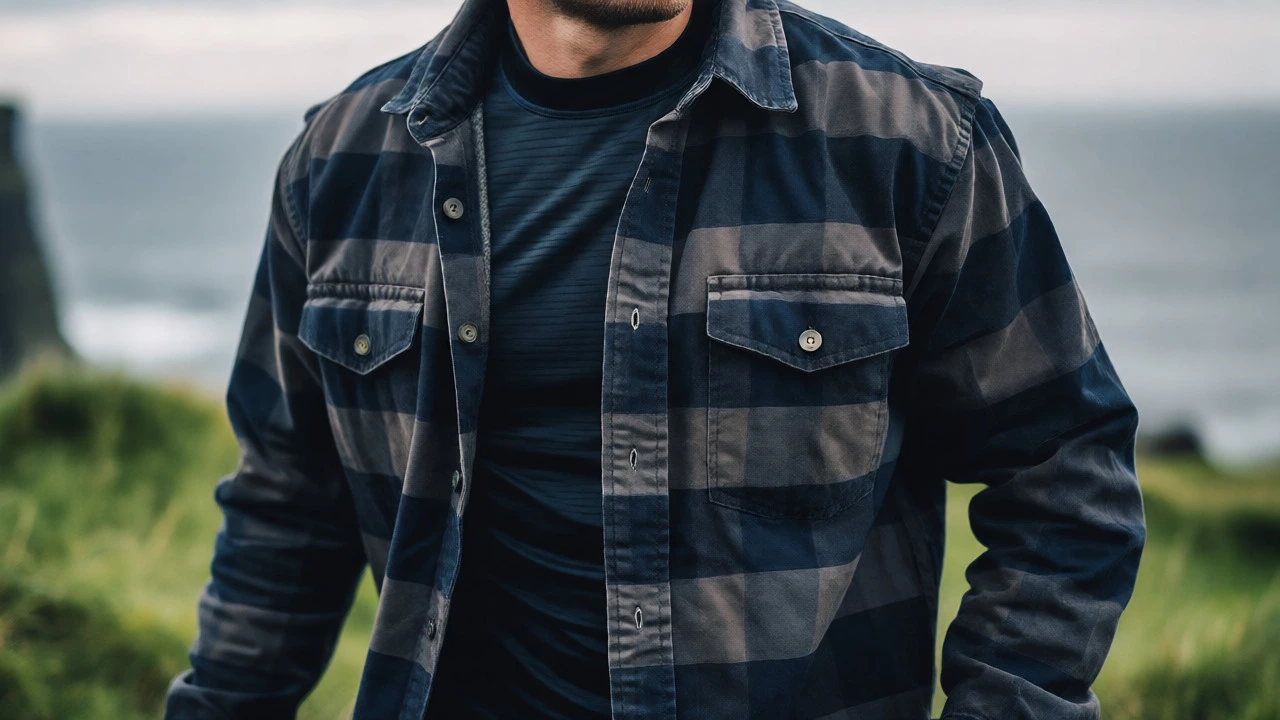
If knitwear feels too formal or too thick, consider the overshirt. Also known as a "shacket" (shirt-jacket), this garment sits comfortably between a button-down shirt and a lightweight jacket. It’s usually made from flannel, denim, or heavy cotton twill.
In the Irish market, the overshirt is gaining traction because it solves the "in-between seasons" problem. September in Ireland is tricky-it’s not cold enough for a winter coat, but too chilly for just a shirt. An oversized flannel overshirt provides that extra barrier against the wind coming off the Atlantic. It’s durable, machine washable, and pairs perfectly with jeans or chinos. Think of it as armor for your torso that doesn’t restrict movement.
Vests and Gilets for Core Warmth
Here’s a secret used by hikers in the Wicklow Mountains: keep your core warm, and your extremities follow. A puffer vest or gilet is an underrated alternative to a full jacket. By leaving your arms free, you maintain mobility, which is crucial if you’re cycling through Limerick or carrying shopping bags in Galway city center.
Look for vests with water-resistant shells. Since Ireland gets frequent drizzle rather than constant downpours, a non-bulky insulated vest keeps your chest and back warm without adding bulk to your arms. Underneath, wear a long-sleeve thermal or a thin fleece. This combo is lighter than a raincoat but warmer than a sweater alone.
Scarf and Shawl Strategy
Sometimes, you don’t need a new top at all-you just need to cover the right spots. Your neck and shoulders are major heat-loss zones. A large wool scarf or a structured shawl can replace a light jacket entirely on mild days.
In Irish culture, scarves aren’t just accessories; they’re survival tools. A thick, hand-knitted scarf from Donegal can be wrapped multiple times to create a makeshift collar that blocks the wind. For women, a large cashmere wrap can double as a blanket on a train journey from Dublin to Cork. It’s elegant, functional, and takes up almost no space in your bag compared to a folded jacket.
Comparing Your Options
To help you decide what to pack, here’s a breakdown of common jacket alternatives based on typical Irish scenarios.
| Item | Warmth Level | Water Resistance | Best For | Style Vibe |
|---|---|---|---|---|
| Merino Knitwear | Medium-High | Low (unless treated) | Office, Casual Dinners | Classic, Professional |
| Overshirt/Shacket | Medium | Medium | Casual Weekends, Commuting | Relaxed, Rugged |
| Puffer Vest | High (Core only) | Medium-High | Outdoor Activities, Cycling | Athletic, Practical |
| Heavy Scarf/Wrap | Variable | N/A | Mild Days, Indoor Transitions | Elegant, Minimalist |

Local Tips for Buying Smart
When shopping in Ireland, look for specific materials. Avoid cheap acrylic blends that pill after two wears. Instead, seek out:
- Lambswool: Soft, warm, and widely available in Irish heritage brands.
- Merino Wool: Temperature-regulating and odor-resistant, ideal for travel.
- Waxed Cotton: Often found in overshirts, this fabric repels light rain naturally.
Check out local boutiques in areas like Temple Bar in Dublin or the Latin Quarter in Galway. They often stock smaller runs of unique pieces that you won’t find on the high street. Supporting local designers also means you get advice tailored to our specific damp chill, not just generic fashion tips.
Common Mistakes to Avoid
One big mistake is wearing a cotton hoodie as your outer layer. Cotton absorbs moisture and stays wet. If you get caught in a shower near the Cliffs of Moher, a wet cotton hoodie will make you freeze. Always have a wool or synthetic base layer underneath if you choose cotton for the outer layer.
Another error is ignoring fit. Oversized knitwear can look messy if it’s too long. Aim for a hem that hits mid-hip. This allows you to tuck in part of the front for a modern look while keeping the back covered for warmth.
Frequently Asked Questions
Is a cardigan warm enough for winter in Ireland?
For mild winters, yes, especially if layered over a thermal top. However, during harsher spells with strong winds, you might still need a waterproof shell over it. Chunky knit cardigans offer more insulation than fine-gauge ones.
Can I wear an overshirt to the office?
Absolutely, provided it’s in a neutral color like navy, black, or charcoal and paired with tailored trousers. Many Irish workplaces have adopted a business-casual dress code where a crisp overshirt replaces the suit jacket.
What is the best material for rainy days?
Waxed cotton or treated wool are excellent choices. They shed water better than untreated fabrics. Synthetic fleece is also good for quick-drying properties, though it lacks the aesthetic appeal of natural fibers.
How do I stop my knitwear from shrinking?
Always check the care label. Most wool should be washed on a gentle cycle with cold water and laid flat to dry. Never tumble dry wool unless it’s specifically labeled as machine-washable superwash wool.
Are puffer vests suitable for formal events?
Generally, no. Puffer vests are considered casual or sportswear. For formal events, stick to a well-fitted blazer or a sophisticated wool coat. Save the vest for outdoor festivals or casual gatherings.