Personal Summer Color Palette Analyzer
Discover which dress shades illuminate your face and which ones add years.
Based on the "Jewelry Test" and "Vein Analysis" method.
Step 1: Identify Your Base
The Truth About Color and Aging
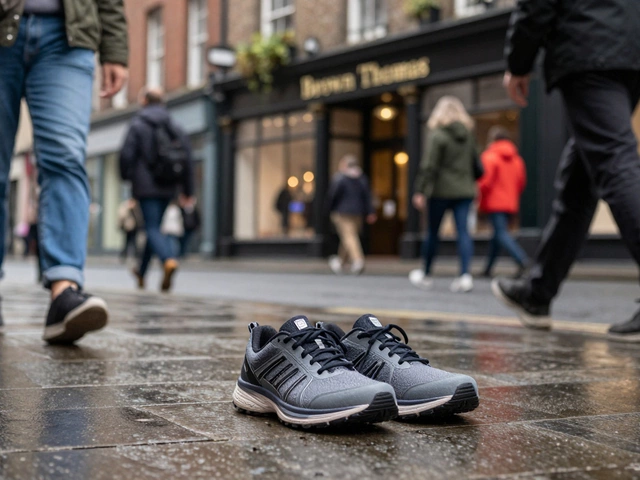
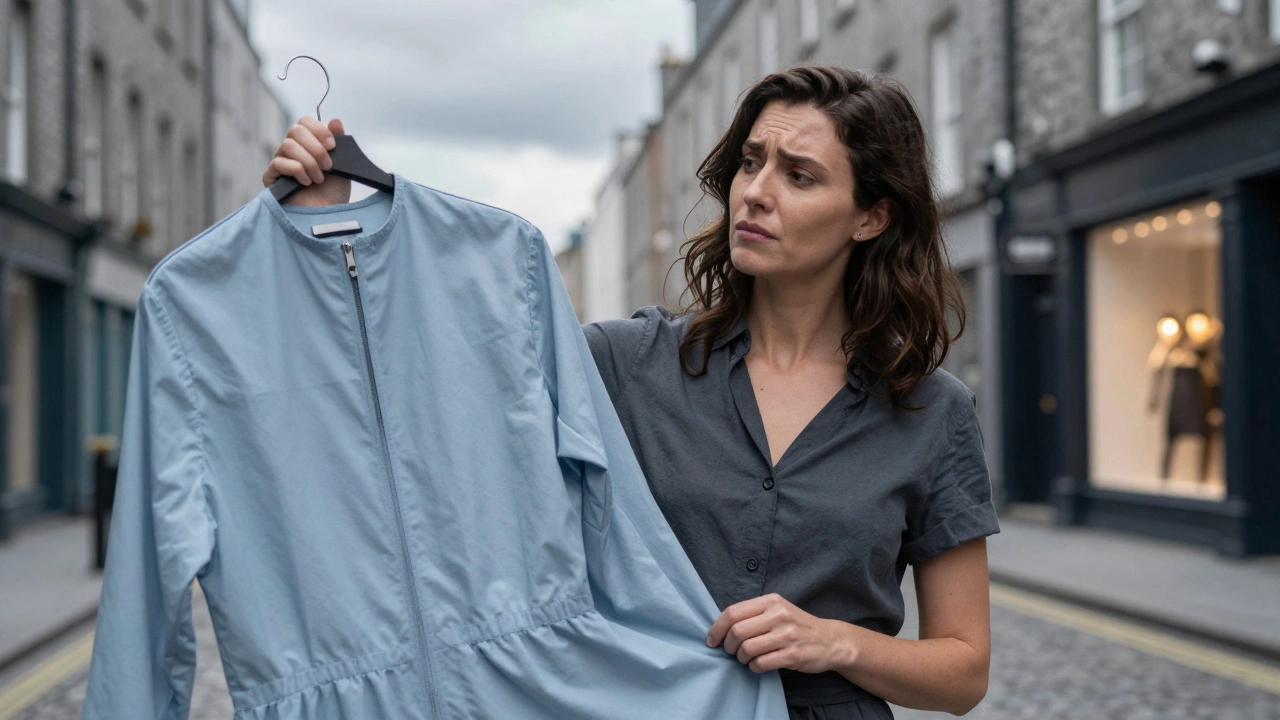
If you've ever stood outside Brown Thomas in Grafton Street, clutching a dress bag and wondering why the fabric looked perfect in the store but washed you out on the street, you aren't alone. The reality is simple but often misunderstood: wearing the wrong color doesn't just change your appearance; it can add years to your face. In Ireland, where our natural light shifts constantly between grey drizzle and sharp Atlantic sunshine, picking the right shade for a summer dressA lightweight, seasonal garment typically worn in warmer months, designed to provide coverage while allowing breathability. requires a bit more finesse than checking a trend chart.
When we ask "what color ages you," we aren't talking about magic. We're talking about optics and biology. Certain hues cast shadows on the skin that emphasize fatigue lines, dullness, or uneven pigmentation. Others bounce light back onto your complexion, hiding those signs of hard-earned experience. Let's cut through the fashion noise and get straight to what actually works for us down here.
Why Color Matters More Than You Think
Before you rush to swap out your wardrobe for Saint Patrick's weekend, understand the mechanics. Your body has its own color palette-your hair, your eyes, and yes, your skin. When clothing clashes with these intrinsic features, friction occurs. The brain registers this discord as visual "noise," which translates to tiredness.
Color Theory is the science behind how colors interact with each other and how they affect human perception.
In Ireland, a significant portion of the population has cool or neutral skin undertones due to genetics and limited UV exposure historically. When a person with naturally pink or pale skin wears a bright orange or a muddy mustard yellow, the reflection highlights the redness in their cheeks and dark circles under their eyes instantly. Conversely, a deep forest green or a slate blue reflects off the skin in a way that feels harmonious and restful. It’s not about being boring; it’s about reducing the workload on the viewer's eye.
The Irish Light Factor
You cannot separate style from location. If you live in sunny Los Angeles, everything looks slightly brighter. Here, under the typical Dublin sky, colors behave differently. Our overcast days act as giant softboxes, diffusing light evenly. However, when that rare burst of direct sun hits you on a trip to the Aran Islands, that same dress might turn opaque or neon.
| Color Category | Effect on Appearance | Best Setting |
|---|---|---|
| Jewel Tones (Emerald, Sapphire) | Adds vibrancy, covers dullness | Overcast Days |
| Warm Terracottas | Brightens cool-toned complexions | Golden Hour |
| Harsh Black | Creates shadowing under eyes (aging) | Avoid near face |
| Wash-Out White | Can look clinical and draining | Replace with Cream/Ivory |
If you live in Galway or Cork, you likely notice that stark black clothing disappears into the background against the stone architecture, sometimes making your face look grey by comparison. Switching to charcoal, dark grey, or mid-toned navy creates separation. This separation defines your jawline and neckline, preventing the "mushy" look that older fabrics or washing often create.
Skin Undertones: Finding Your Match
Finding the right skin undertoneThe subtle hue visible beneath the top layer of skin, determining whether colors look warm, cool, or neutral. is the single biggest step in avoiding aging colors. Most people think they don't have a defined tone because they don't tan well, but undertones are about vascular structure.
- Cool Undertones: Look at your veins in natural light near a window in your living room. If they appear blue or violet, you likely have cool undertones. Silver jewelry usually looks better than gold. Stick to berries, icy blues, crisp lilacs, and true reds.
- Warm Undertones: If veins look greenish and gold jewelry sets off your face, you lean warm. You thrive in earth tones like olive, rust, beige, peach, and gold-infused yellows.
- Neutral Undertones: Many of us here sit in the middle. You can usually pull off both spectrums, but be careful with extremes. Soft pastel pinks or muted teals work wonders.
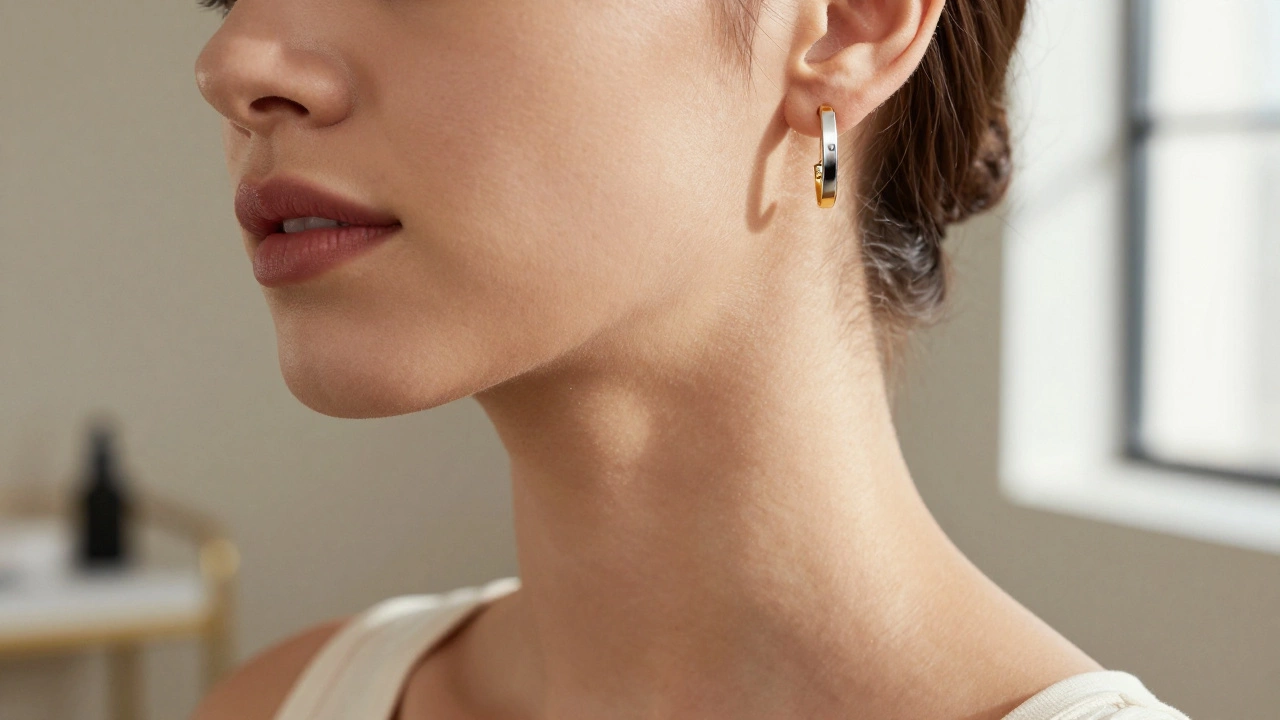
Here is a practical trick that applies specifically to Irish shoppers: The Jewelry Test. Put on your silver earrings, then switch to your gold hoops. Stand in front of a mirror in the changing room of a boutique on Quay Street. Which metal makes your skin glow while the other casts a shadow? The winning metal dictates your best color family. If silver wins, stay away from brassy oranges. If gold wins, skip the electric neons.
Common Traps: Colors That Add Years
We've all bought things on impulse. There are specific culprits that tend to drain life from the wearer, particularly in the current trends seen in Dublin fashion week displays.
- The All-Black Ensemble: While slimming, a total black outfit pulls light away from the face. Without accessories to break it up, it creates a void around your head. Break the block of black with a silk scarf or statement earrings near your collarbone.
- Neon Brights: These require youthful, bouncy skin texture to hold up. As skin loses elasticity, neon reflects directly into fine lines and wrinkles. Dye the saturation down. Think sage instead of lime, lavender instead of purple.
- Washed-Out White: Pure optical white acts like a camera flash on your face. Swap this for champagne, oyster, or oatmeal. These shades retain the freshness of white without the harsh contrast.
Choosing Fabric That Flatters
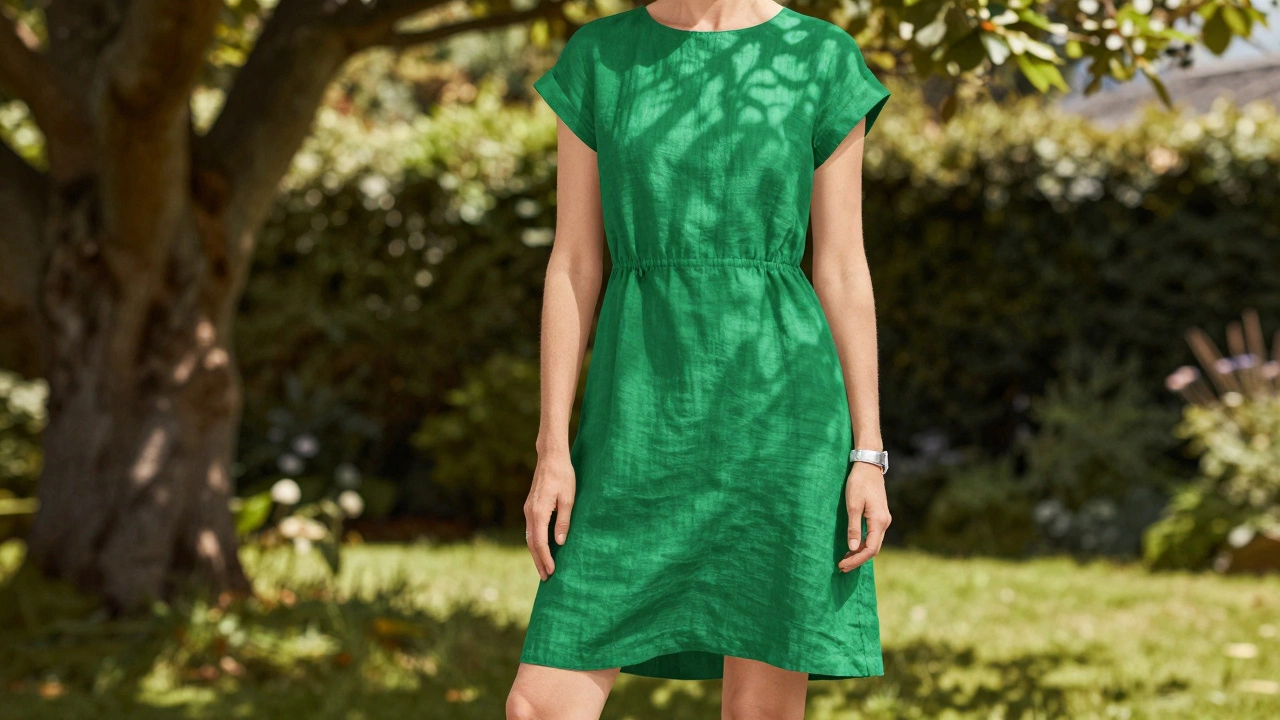
It isn't just pigment; it's surface. A cheap polyester maxi dressA long dress that reaches the ankles or floor, popular in casual and formal wear. traps heat and reflects light poorly, making you look sweaty even if you aren't. Irish summers are brief, but humidity can still happen.
Look for breathable textures. Linen blends, cotton sateen, and viscose allow your skin to breathe, keeping your complexion clear. If a dress sticks to your legs, the friction marks show in photos and public settings. When visiting places like Temple Bar for an evening event, textured fabrics like brocade or jacquard reflect light dynamically, creating a sense of movement that distracts the eye from static lines on the face.
Local Shopping Strategy
Wherever you shop, remember that store lighting is lying to you. High-street retailers use bright, cool-toned bulbs to make clothes pop. Try a dress on, then walk outside to the pavement of Henry Street or Parnell Square. Check yourself in a window reflection under the real sky. Is the color washing you out now? Does it harmonize with your lipstick?
Supporting local designers also pays off here. Designers like Orla Kiely have mastered botanical patterns and color palettes that suit Irish tastes perfectly-earthy, vibrant, yet grounded. Their prints generally work well with local heritage features.
Does black really age you?
Not necessarily. It depends on placement. Wearing black close to your face can drain warmth. Moving the color lower in your outfit (pants or skirt) and pairing it with a lighter top keeps you looking fresh.
How do I test colors without trying them on?
Take your credit card holder or a large scarf. Hold a sample card (swatch) right next to your chin. Do not put it on the fabric. If the area under your eye looks clearer, the color works.
Are there good colors for grey hair in Ireland?
Absolutely. Grey hair is essentially a cool tone. Jewel tones like royal blue, amethyst, and magenta provide excellent contrast. Warm earth tones can sometimes clash and make the grey look yellow.
Why do I look older in certain photos?
Photography captures contrast. If your clothing is low contrast with the background or your skin, the camera struggles to define edges, leading to a blurrier, older look. Increase contrast with solid blocks of color.