Irish Summer Dress Comfort Calculator
Select your outfit details and current weather conditions to find out how comfortable you'll be.
Your Comfort Analysis
--/100
Comfort ScoreYou’re standing on a windy headland in County Clare, maybe near the Cliffs of Moher or just trying to catch some rays in Phoenix Park. The sun is out, but it’s that tricky Irish sun-bright enough to burn your shoulders if you’re not careful, yet often accompanied by a chill breeze. You’ve got your favorite summer dress, but you’re wondering: does the color actually matter? Does wearing black make you hotter than wearing white? Or is there a specific shade that keeps you cooler while protecting your skin?
The short answer is yes, color matters, but not in the way most people think. It’s not just about heat absorption; it’s about how light interacts with fabric and skin. In Ireland, where our summers are unpredictable-shifting from drizzle to blazing sunshine in an hour-choosing the right hue for your dress isn’t just a style choice. It’s a comfort strategy. Let’s break down what really keeps you cool when the sun hits Galway Bay or the beaches of Donegal.
White vs. Black: The Heat Myth
For decades, we’ve been told to wear white in summer because it reflects sunlight, while black absorbs it. And technically, that’s true. Black fabrics absorb more visible light and convert it into heat. If you’re standing still in direct sunlight, a black cotton tee will feel warmer against your skin than a white one. But here’s the twist: this only applies to radiant heat from the sun.
Once you start moving, or if the wind picks up (and in Ireland, the wind always picks up), convection takes over. Your body generates heat, and that heat needs to escape. Darker colors can actually help radiate body heat away from you faster than lighter ones in certain conditions. However, for most casual summer activities-like sitting at a café in Dublin’s Temple Bar or walking along the Salthill promenade-the reflective power of light colors wins. White, pastels, and light neutrals reflect the majority of solar radiation, keeping the fabric itself cooler.
But there’s a catch with white. While it keeps the fabric cool, it doesn’t block UV rays well. Thin white linen lets a lot of ultraviolet light pass through to your skin. So, you might feel cool, but you could still get sunburned. This is crucial for anyone spending long hours outdoors in places like the Aran Islands, where the sun reflects off the Atlantic Ocean.
Why Light Colors Are Safer for UV Protection
If your goal is to stay cool and protect your skin, light colors are generally the best bet for summer dresses in Ireland. Pastel yellows, soft blues, mint greens, and pale pinks reflect a significant portion of the sun’s energy. They don’t heat up as quickly as dark shades, which means less thermal stress on your body.
However, not all light colors are created equal. Research suggests that while white reflects visible light, it transmits more UV radiation than other light colors. For example, a bright yellow or red dress might absorb more UV rays than a white one, offering better protection despite being slightly warmer. But for pure cooling, white remains king.
In the Irish context, consider the fabric. A thick white denim dress might be too hot for a July afternoon in Cork, whereas a thin white linen sundress is perfect. Linen allows air to circulate, wicking moisture away from your skin. This breathability is key when humidity rises, which happens frequently along the west coast. Pairing a light color with a breathable fabric creates a microclimate next to your skin that feels significantly cooler.
| Color Category | Heat Absorption | UV Protection | Best For |
|---|---|---|---|
| White | Low (Reflects most light) | Low (Transmits UV) | Short exposure, high wind areas |
| Pastels | Low-Medium | Medium | All-day wear, moderate sun |
| Bright Reds/Yellows | Medium-High | High (Absorbs UV) | Long exposure, beach days |
| Black/Navy | High (Absorbs light) | High (Blocks UV) | Windy days, evening events |
The Role of Fabric in Cooling
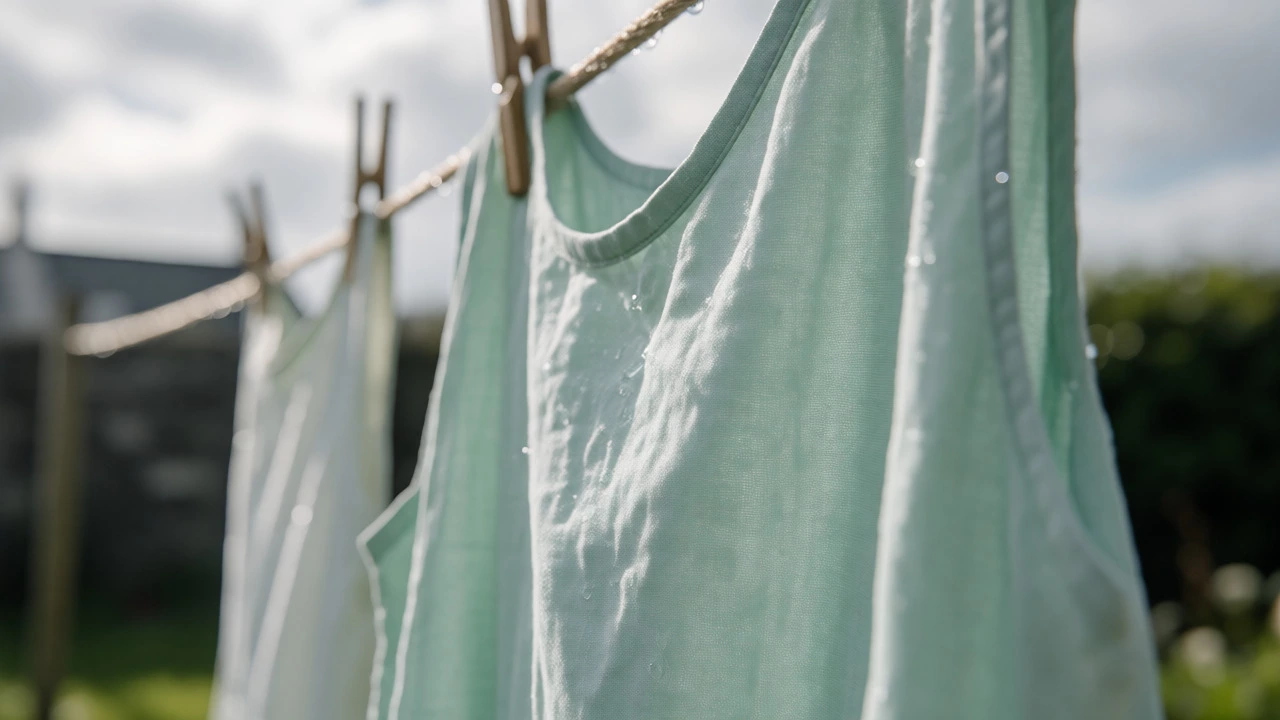
Color alone won’t save you from the heat. The material of your dress plays a massive role in how cool you feel. In Ireland, we have access to some fantastic natural fibers that are ideal for our variable climate. Linen, cotton, and hemp are top choices. These materials are porous, allowing sweat to evaporate quickly. Evaporation is your body’s primary cooling mechanism, so if your dress traps sweat, you’ll feel clammy regardless of the color.
Synthetics like polyester can be tricky. Some modern performance fabrics are engineered to wick moisture, but cheap polyester blends tend to trap heat. If you’re buying a dress from a high street store in Grafton Street, check the label. Aim for at least 80% natural fiber content. Linen is particularly good for Irish summers because it dries fast. If you get caught in a sudden shower near Connemara, a linen dress will dry in minutes, whereas a synthetic one might stay damp and cold.
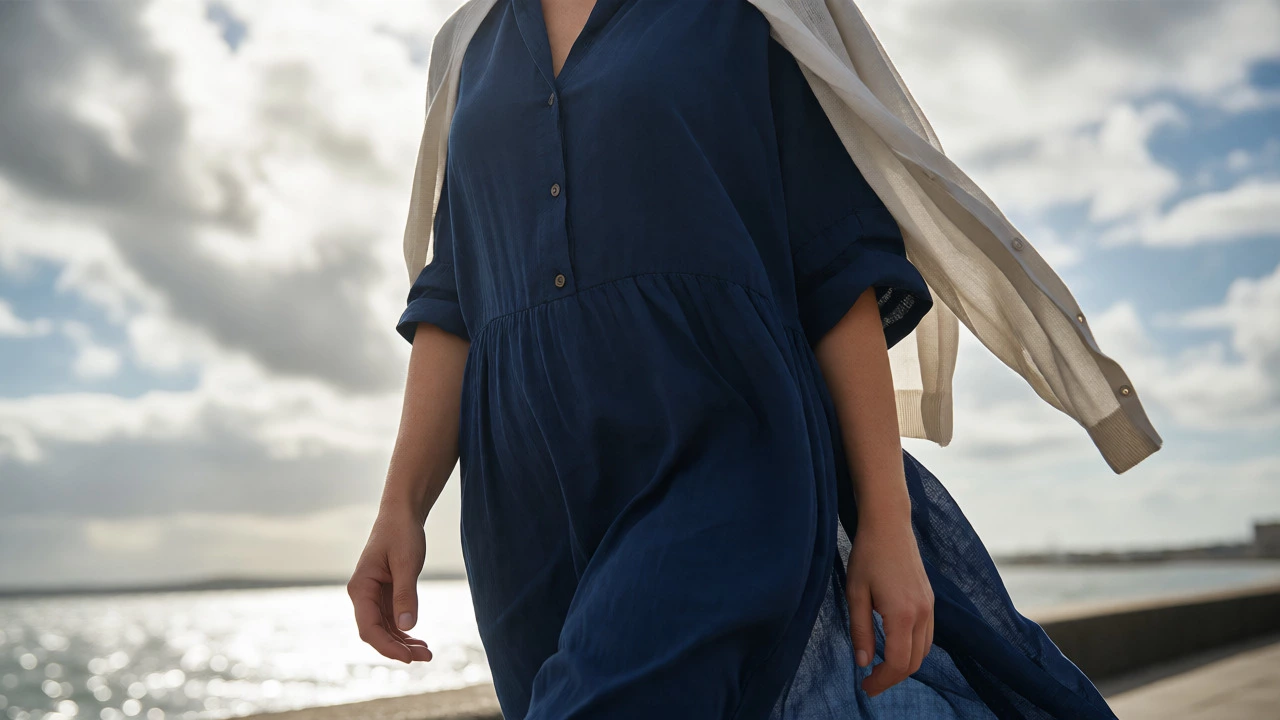
Loose fits also help. Tight dresses restrict airflow. A loose, flowy silhouette in a light color allows wind to pass through, creating a ventilation effect. Think of the traditional Irish fisherman’s smocks-they were loose and light-colored for a reason. Modern versions of this style are popular in boutiques across Dublin and Belfast, blending heritage with practicality.
Local Considerations: Wind, Humidity, and Rain
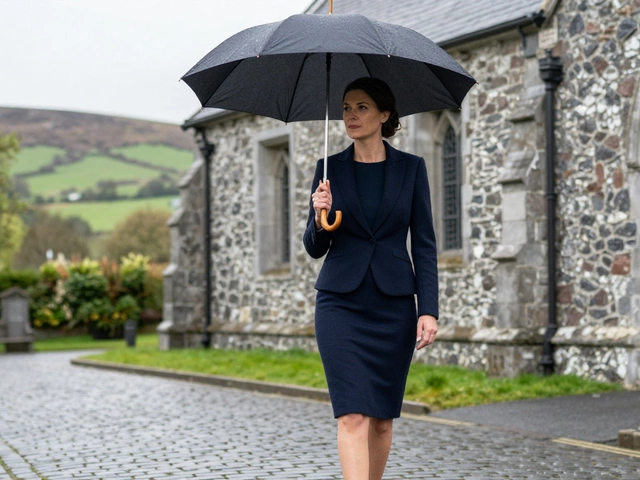
Ireland’s weather is rarely static. One minute you’re baking in the sun in Killarney, the next you’re dodging rain in Galway City. This variability affects color choice. Darker colors hide water stains better, which is a practical point if you’re commuting on public transport or walking to work. Navy blue or charcoal grey dresses can look polished even after a light drizzle, whereas white might show dirt or grass stains easily.
Humidity levels in coastal areas like Wexford or Kerry can make heavy fabrics feel oppressive. In these regions, stick to very light shades and ultra-thin fabrics. Pastel lavender or seafoam green not only reflect heat but also blend nicely with the natural landscape, making them popular choices for tourists and locals alike attending outdoor festivals like Electric Picnic or the Galway Races.
Also, consider the time of day. Morning sun is softer, so darker colors are fine. By midday, when UV index peaks, switch to lighter hues. If you’re planning a day trip to the Wild Atlantic Way, pack layers. A light-colored dress paired with a dark cardigan gives you flexibility. You can remove the cardigan when the sun comes out, revealing the cooling white underneath, and put it back on when the cloud cover returns.
Practical Tips for Choosing Your Next Summer Dress
When shopping for summer dresses in Ireland, keep these heuristics in mind:
- Check the weave: Hold the dress up to the light. If you can see through it easily, UV rays are likely passing through too. Opt for a tighter weave or add a slip if you choose a sheer light-colored dress.
- Prioritize natural fibers: Look for labels stating 100% linen, cotton, or bamboo. Avoid heavy satins or velvets unless they are specifically marketed as lightweight summer fabrics.
- Consider fit over color: A loose-fitting black dress might be cooler than a tight-fitting white one due to airflow. Don’t sacrifice comfort for color rules.
- Use accessories strategically: A wide-brimmed hat and sunglasses can reduce the need for heavy UV-blocking clothing. This allows you to wear lighter, cooler colors without worrying about sun damage.
Brands like Primark, Penneys, and independent designers in Dublin’s Fashion District offer a range of options. During sales seasons, such as the January or August discounts, you can find high-quality linen dresses at reasonable prices. Investing in a few versatile pieces in neutral tones ensures you’re prepared for any weather shift.
Frequently Asked Questions
Does wearing black really make you hotter in the sun?
It depends on the environment. In direct sunlight with no wind, black absorbs more heat and feels hotter. However, in windy conditions or shaded areas, black can radiate body heat effectively. For most Irish summer scenarios involving wind, the difference is minimal, but light colors remain safer for preventing overheating during peak sun hours.
Is white the best color for UV protection?
No, white is actually poor at blocking UV rays because it transmits much of the light. Darker colors or bright reds/yellows absorb UV radiation better. To use white safely, ensure the fabric is tightly woven or wear sunscreen underneath.
What fabric is coolest for summer dresses in Ireland?
Linen and lightweight cotton are the best choices. They are breathable, absorbent, and dry quickly, which is essential for Ireland's humid and rainy coastal climates. Bamboo viscose is another good option for its softness and moisture-wicking properties.
Can I wear dark colors in an Irish summer?
Yes, especially in the evenings or on windy days. Navy and dark grey are stylish and practical for hiding rain spots. Just ensure the cut is loose to allow airflow, and avoid heavy synthetics that trap heat.
How does humidity affect color choice?
High humidity reduces evaporation, making sweat less effective at cooling you. Light colors help by reflecting radiant heat, reducing the overall thermal load on your body. In humid coastal areas like Cork or Galway, prioritize light, breathable fabrics over dark, heavy ones.