Summer Fabric Suitability Checker
Linen
Highly breathable, dries fast.
Cotton
Breathable but absorbs water.
Merino Wool
Temp regulating, odor resistant.
Polyester
Traps sweat, non-breathable.
Heavy Denim
Slow drying, restrictive.
Acrylic/Knits
Static, retains heat.
Analysis Result
0/10 Comfort Rating
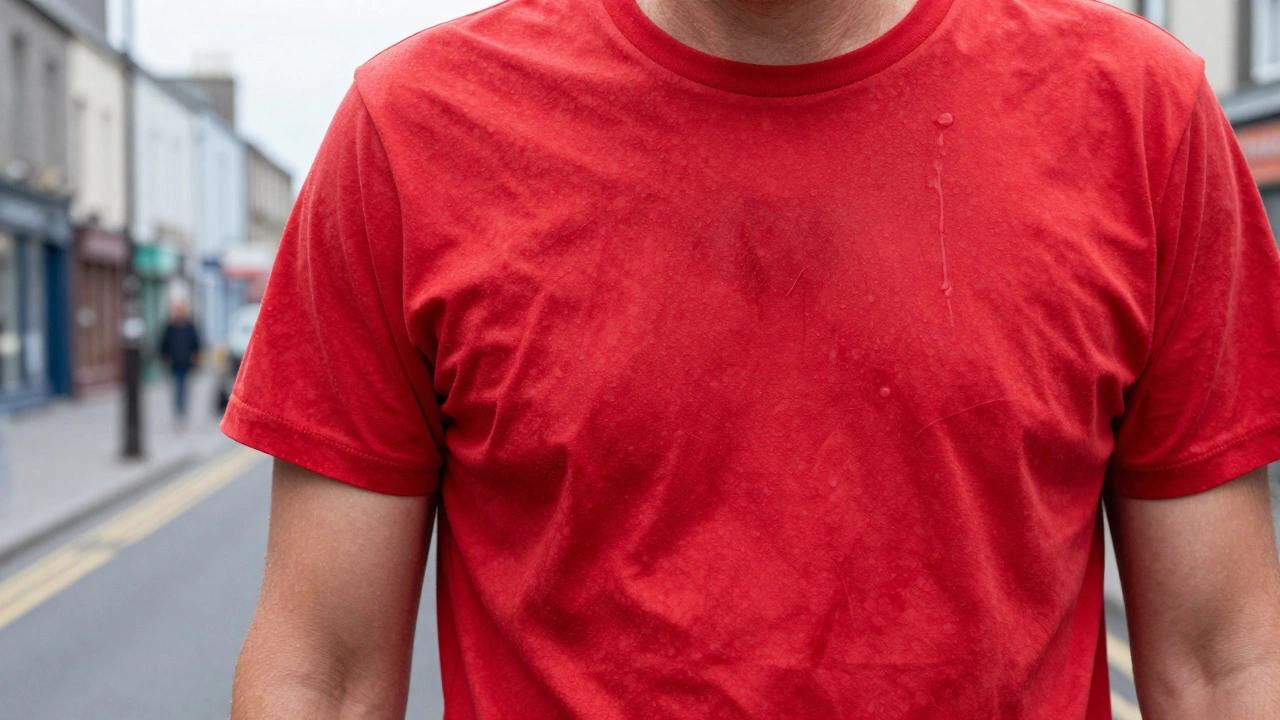
It is mid-July in Galway. The sun is actually shining, the temperature has climbed to a respectable 22°C, and you are standing outside The Latin Quarter with a pint of Guinness in hand. Within twenty minutes, you are sweating through your shirt, sticking to the bench, and wondering why it feels like you are wearing a plastic bag. This is not just bad luck; it is a fabric choice error. Summer fabrics matter more here than almost anywhere else because our weather is rarely consistent. One minute it is dry heat, the next it is a damp, humid drizzle that turns any non-breathable material into a sauna suit.
If you are packing for a trip to the Wild Atlantic Way or just trying to survive a city break in Dublin during the peak tourist season, knowing what to avoid is just as important as knowing what to wear. We often assume that if it looks light and airy, it will feel that way. But synthetic traps and heavy weaves can ruin your day faster than an unexpected shower. Let’s look at the materials you should leave in the drawer when the mercury rises in Ireland.
The Polyester Trap: Why Synthetics Fail in Humidity
Polyester is the villain of warm-weather dressing. It is cheap, durable, and widely available in high-street stores across Grafton Street or the Galway Shopping Centre. However, it is essentially plastic derived from petroleum. Its primary function is to repel water, which sounds great until you realize that sweat is mostly water. When you wear polyester in a humid Irish summer, the moisture cannot escape the fabric. Instead, it sits against your skin, creating a sticky, uncomfortable layer that takes hours to dry.
| Fabric Type | Breathability | Sweat Absorption | Drying Time |
|---|---|---|---|
| Polyester | Low | Poor | Slow (when wet) |
| Cotton | High | Good | Moderate |
| Linen | Very High | Moderate | Fast |
| Wool (Merino) | Medium-High | Excellent | Fast |
Imagine walking from the Cliffs of Moher back to your car after a sudden downpour. If you are wearing a polyester windbreaker or dress, you will remain damp and chilled long after the rain stops. In contrast, natural fibers allow air circulation. For those exploring the rugged coastlines of County Kerry or the Dingle Peninsula, breathability is not a luxury; it is a comfort necessity. Avoid 100% polyester blends for everyday summer wear unless they are specifically engineered for technical outdoor performance with moisture-wicking properties.
Heavy Denim and Thick Cottons
We love our jeans. They are a staple of Irish casual wear, from pubs in Cork to offices in Dublin. But thick, rigid denim is a terrible choice for hot days. Heavyweight cotton absorbs moisture but does not release it quickly. Once a pair of stiff jeans gets damp from humidity or a light spray from the sea, they become heavy, restrictive, and slow to dry. This leads to chafing and discomfort, especially if you are doing any amount of walking.
Instead of opting for dark, thick indigo denim, look for lighter washes or stretch blends that include elastane. These offer flexibility and better airflow. If you must wear trousers in July, consider chinos made from lightweight cotton twill or even linen-cotton blends. Brands like Jack Wills or local Irish retailers often stock these transitional pieces that handle the unpredictability of our climate better than rigid denim.
Vinyl, Leather, and Faux Fur
It might seem obvious, but fashion trends sometimes push us toward materials that have no place in summer. Vinyl jackets, leather pants, and faux fur accessories are designed to trap heat. In an Irish summer, where temperatures can spike unexpectedly, these materials act like insulation blankets. Even a thin layer of faux fur on a jacket collar can make your neck feel suffocating.
If you are attending a summer wedding in a country house hotel in Wicklow or a festival like Electric Picnic in Stradbally, resist the urge to layer up with non-breathable outerwear. Opt for structured blazers made from tropical wool or linen instead. These provide a polished look without the thermal penalty. Remember, Irish summers are short. Do not waste them feeling overheated because of a trend-driven material choice.
Acrylic and Cheap Knits
Acrylic is a synthetic fiber often used as a cheaper alternative to wool. While it mimics the texture of natural knits, it lacks the breathability and temperature regulation of its natural counterpart. Acrylic tends to generate static electricity and can feel scratchy against the skin when warm. More importantly, it does not wick moisture away effectively.
You might think a light acrylic cardigan is harmless for a breezy evening by the Shannon River, but if the humidity is high, it will cling to you and retain body heat. Stick to natural fibers like cotton, linen, or bamboo for knitwear in summer. Bamboo viscose, in particular, is becoming popular in sustainable fashion brands across Ireland due to its softness and excellent moisture-wicking capabilities.
The Right Choices: Linen, Cotton, and Merino Wool
So, if you are avoiding polyester, heavy denim, and synthetics, what should you wear? The answer lies in natural fibers that respect the body’s need to cool down.
- Linen: Made from the flax plant, linen is the king of summer fabrics. It is highly breathable, dries quickly, and has a relaxed drape that suits the informal vibe of Irish social life. Look for linen dresses, shirts, and trousers. Irish designer brands like Simone Rocha or smaller boutiques in Galway City often feature beautiful linen collections.
- Cotton: Specifically, lightweight cotton poplin, voile, or jersey. These weaves allow air to pass through easily. A crisp white cotton shirt or a floral cotton dress is perfect for a lunch in Temple Bar or a stroll along the Promenade.
- Merino Wool: Yes, wool in summer. Merino wool is fine, soft, and naturally temperature-regulating. It wicks moisture away from the skin and resists odors, making it ideal for travel. A lightweight merino sweater can be a lifesaver when the temperature drops suddenly in the evening, a common occurrence in Ireland even in July.
Layering for the Irish Climate
The key to surviving an Irish summer is layering. Our weather can shift from sunny to rainy in minutes. Instead of relying on one heavy garment, use multiple light layers made from breathable fabrics. Start with a moisture-wicking base layer (like bamboo or fine cotton), add a breathable mid-layer (like a linen shirt), and keep a lightweight, packable waterproof shell handy. This approach allows you to adjust your comfort level throughout the day without sacrificing style or breathability.
When shopping, check the label. If it says "100% Polyester" or "Acrylic," think twice. If it says "Linen," "Cotton," or "Merino Wool," you are on the right track. Your skin-and your enjoyment of Ireland’s beautiful summer months-will thank you.
Is cotton good for Irish summers?
Yes, lightweight cotton is excellent for Irish summers. It is breathable and absorbs sweat well. However, avoid heavy cottons like thick denim or terry cloth, as they take too long to dry if they get wet from rain or humidity.
Can I wear wool in the summer in Ireland?
Yes, but only fine Merino wool. Unlike coarse wools, Merino is lightweight, breathable, and regulates temperature effectively. It is perfect for layering when evenings get cool, which is common in Ireland even during summer.
Why is polyester bad for hot weather?
Polyester is a synthetic plastic-based fiber that does not breathe. It traps heat and moisture against the skin, leading to discomfort and stickiness, especially in humid conditions typical of some Irish summer days.
What is the best fabric for a summer dress in Ireland?
Linen is arguably the best fabric for a summer dress in Ireland. It is highly breathable, dries quickly, and handles both sun and sudden rain well. Lightweight cotton dresses are also a great alternative.
Should I avoid jeans in July?
You don't have to avoid them entirely, but choose wisely. Opt for lightweight, stretchy denim rather than thick, rigid pairs. If possible, switch to linen trousers or chinos for better comfort and breathability during hot spells.