Your Ideal Setup:
Select your preferences and click the button to see the perfect chore coat match for your day.
The Roots of the Bleu de Travail
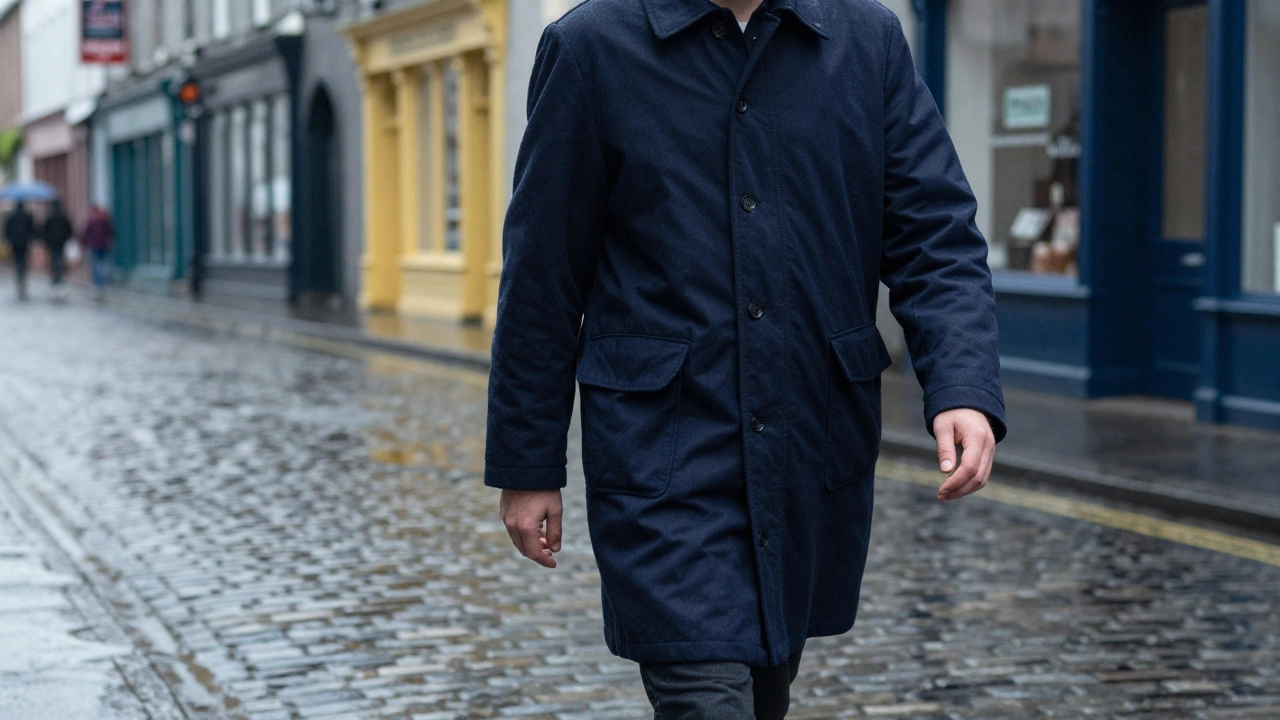
To understand the chore coat, you have to look at the Bleu de Travail. In French, this literally means "work blue." This wasn't a fashion statement; it was a tool. In the late 19th and early 20th centuries, French factory workers and artisans needed clothing that could withstand heavy friction, oil, and dirt. They turned to Moleskin, a heavy cotton fabric woven to mimic the softness and durability of mole fur, and Cotton Drill, a tough, diagonal-weave fabric. These jackets were designed for function. The boxy cut allowed for a layer of wool underneath-essential for cold mornings-while the deep patch pockets were meant to hold hammers, nails, or tobacco. Unlike the American work jacket, which often leans toward the heavy canvas of Carhartt, the French version is slightly more refined in its silhouette, making it easier to transition from a workshop to a pub without looking like you're still on the clock.Why the Chore Coat Works for the Irish Climate
Let's be honest: the weather in Ireland is a constant battle. We deal with horizontal rain in the West and damp chills in the East. The French chore coat fits into this environment because of its versatility. It isn't a waterproof raincoat, but a high-quality moleskin or heavy twill version acts as an incredible windbreaker and insulator when layered correctly. For those living in the Mid-West or along the Wild Atlantic Way, the chore coat serves as the perfect middle layer. Throw a heavy knit Aran sweater underneath and a waxed cotton jacket over the top, and you've got a system that handles everything from a crisp morning in Killarney to a breezy afternoon in Dingle. Because the fabric is so dense, it repels light mist and holds heat far better than a standard denim jacket or a light blazer.Key Features to Look For
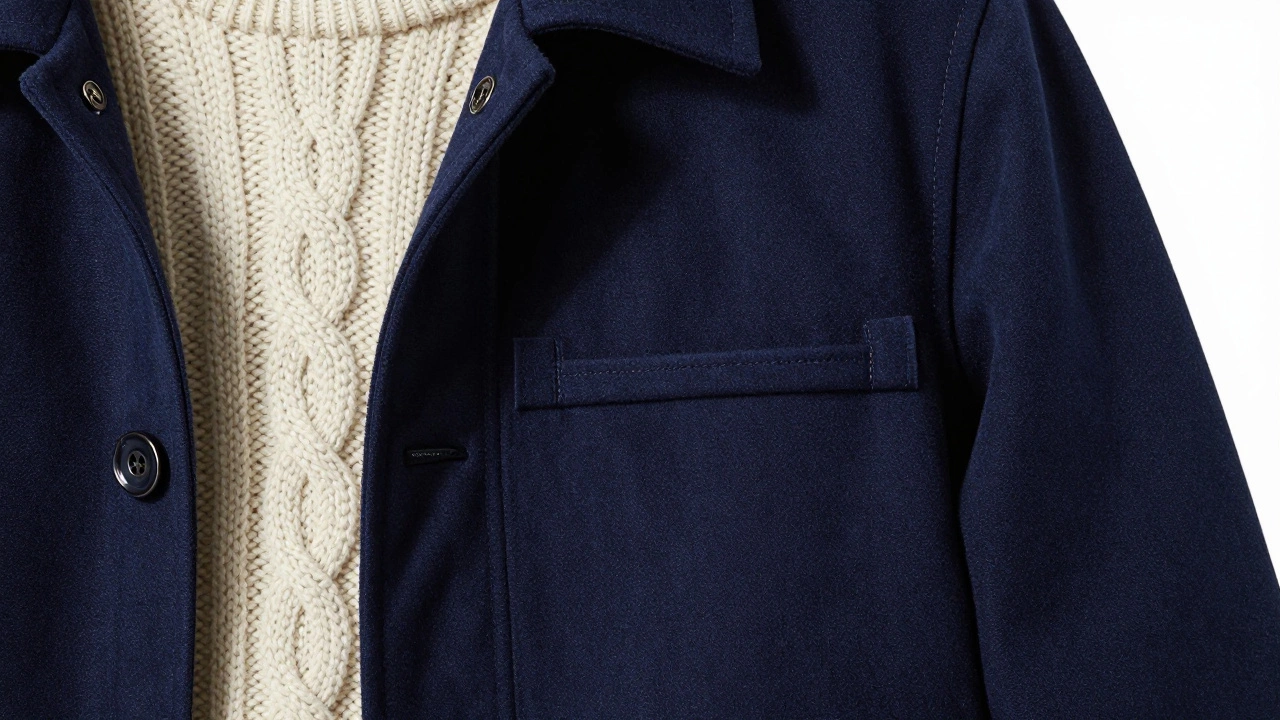
If you're shopping for your first one, don't just grab any blue jacket. There are a few hallmarks that separate a true chore coat from a generic utility jacket.- The Collar: Look for a flat, pointed collar. It's simple and doesn't get in the way of a scarf or a hood.
- The Pockets: A classic design usually has three to five patch pockets. These are sewn onto the outside of the garment rather than hidden inside. You should have a large chest pocket and two deep hip pockets.
- The Cut: It should be "boxy." If it's too slim, you can't fit a jumper under it. If it's too wide, you'll look like you're wearing a tent. Look for a straight drop from the shoulders.
- The Fabric: While cotton drill is the standard, Moleskin is the gold standard for Irish winters because of its thickness and warmth.
| Fabric Type | Durability | Warmth | Best Use Case |
|---|---|---|---|
| Cotton Drill | High | Medium | Spring/Autumn layering in Dublin or Belfast |
| Moleskin | Very High | High | Cold, windy days in Galway or Kerry |
| Linen Blend | Medium | Low | Warm July days at a seaside festival |
| Heavy Denim | High | Medium | General rugged outdoor activity |
How to Style a Chore Coat in Ireland
One of the best things about this jacket is that it doesn't try too hard. It avoids the "overdressed" look of a blazer but is far more polished than a hoodie. Here are a few ways to wear it based on where you're heading.The Casual Weekend: Pair a navy bleu de travail with a grey crew-neck sweatshirt and some dark selvedge denim. Finish the look with leather boots. This is your go-to for a trip to the local farmers market or a coffee run in St. Stephen's Green.
The Rural Rugged Look: If you're spending time in the countryside, swap the sweatshirt for a cream Aran Sweater. The texture of the wool against the smooth moleskin creates a great visual contrast. Pair this with brown corduroy trousers and sturdy boots. It's a look that respects tradition while staying functional.
The Urban Professional: Yes, you can wear a chore coat to the office if your workplace isn't strictly corporate. Try a tan or olive green version over a white Oxford button-down shirt and chinos. It replaces the blazer as a "smart-casual" piece, providing a structured shoulder without the stiffness of a suit jacket.
Where to Buy and What to Support
While you can find mass-produced versions in high-street stores, the real magic of the chore coat is in the heritage brands. In Ireland, there is a growing movement toward "slow fashion"-buying things that last a decade rather than a season. Look for brands that specialize in Heritage Workwear. Many independent boutiques in cities like Kilkenny or Galway stock labels that use authentic French construction methods. If you're looking for something more accessible, check out vintage shops in the Liberties of Dublin; you can often find authentic vintage French work jackets that have already been "broken in," meaning the fabric is softer and the fit is more natural. Another great option is supporting local Irish makers. There are small-scale garment producers across the country creating heavy cotton jackets inspired by the French style but tailored for the Irish frame. Buying local not only reduces the carbon footprint but ensures the garment is built for our specific climate.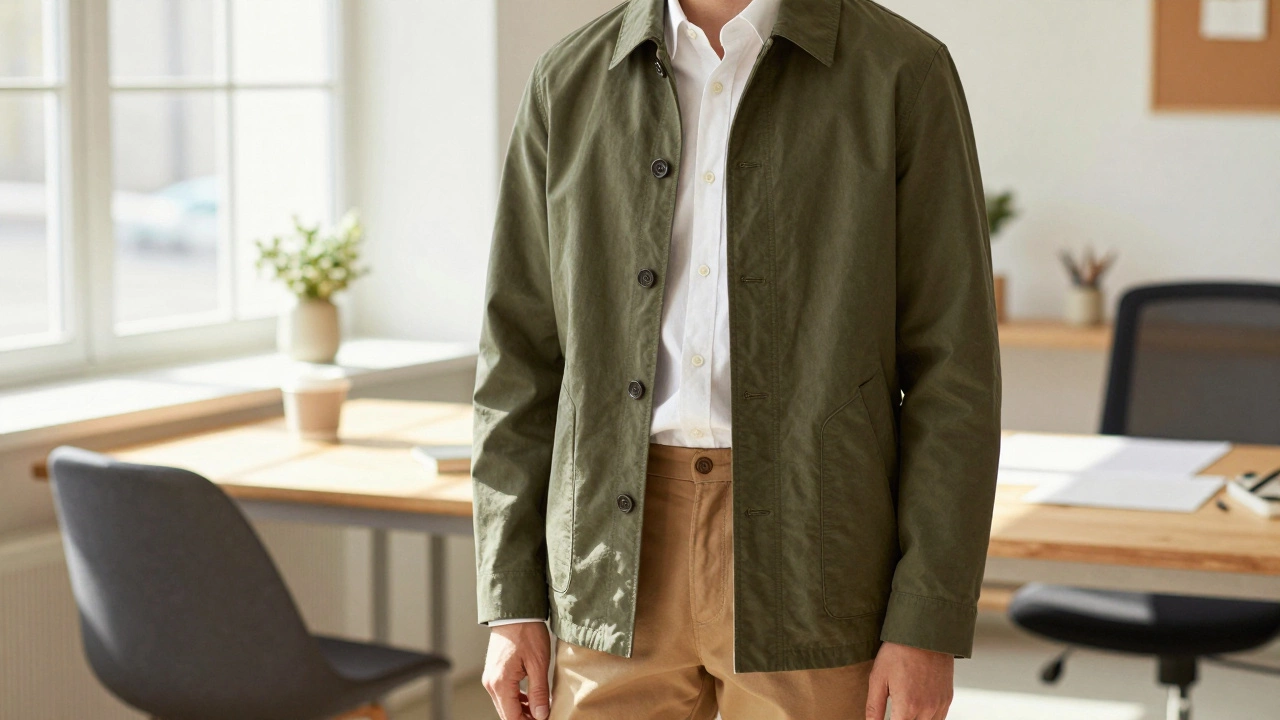
Common Pitfalls to Avoid
Because the chore coat is so simple, it's easy to get wrong if you aren't careful. Here are a few tips to keep in mind:- Avoid the "Costume" Look: If you wear a blue chore coat, blue jeans, and blue boots, you'll look like you're wearing a uniform. Contrast is key. Pair blue with tan, olive, or grey.
- Check the Length: The jacket should hit around the hip. If it's too long, it starts to look like a lab coat. If it's too short, it loses its boxy silhouette and looks like a cropped jacket.
- Don't Over-accessorize: The beauty of the chore coat is its minimalism. You don't need a dozen pins or patches. Let the fabric and the cut do the talking.
- Sizing for Layers: Always try the jacket on with the thickest sweater you plan to wear. If you can't move your arms comfortably, go up one size. The chore coat is meant to be slightly oversized, not tight.
The Sustainability Angle
In an era of fast fashion, the French chore coat is an antidote. It is built from the ground up to be repaired. Because it uses simple stitching and heavy fabrics, a rip in the pocket or a worn-out cuff can be easily fixed by a local tailor or even by hand with a needle and thread. This "buy less, buy better" philosophy is gaining a lot of traction in Ireland, especially among younger generations who are moving away from disposable clothing. When you buy a high-quality chore coat, you aren't just buying a jacket; you're investing in a piece of clothing that will actually look better as it ages. The way the fabric fades at the elbows and the pockets soften over time tells a story of where you've been and what you've done. It's a garment that celebrates utility over vanity.Is a French chore coat different from a trucker jacket?
Yes, quite different. A trucker jacket is usually made of denim, has a tighter fit, and often features button-down chest flaps. A French chore coat is boxier, typically made of cotton drill or moleskin, and features large, open patch pockets designed for carrying tools rather than just storing a phone.
Can I wear a chore coat in the winter in Ireland?
Absolutely, provided you choose the right fabric and layer. A moleskin chore coat is naturally warm. For the peak of winter, pair it with a heavy wool sweater underneath and a waterproof shell on top if it's raining. It's an ideal mid-layer for the damp Irish climate.
What colors are traditional for a chore coat?
The most traditional color is "Bleu de Travail" (a deep, faded navy). However, you will also find them in olive green, tan, cream, and black. Navy is the most versatile and is generally the best starting point for anyone new to the style.
How should I wash a moleskin chore coat?
Moleskin doesn't need frequent washing. To keep it fresh, spot clean stains or use a garment steamer. If you must machine wash it, use a cold cycle with a gentle detergent and hang it to air dry. Avoid the dryer, as high heat can shrink the heavy cotton and ruin the fabric's texture.
Is this style suitable for formal events?
Not for black-tie or strictly formal events. However, it is perfect for "smart-casual" settings. If you wear a crisp shirt and polished shoes, a chore coat in a neutral color like tan or olive can serve as a modern alternative to a sport coat at a dinner or a creative office environment.