Milkmaid Dress Style Matcher
Customize Your Look
Select your options and click Generate Outfit Plan to see how to style your milkmaid dress perfectly.
Have you noticed that every woman walking through the streets of Dublin, from Temple Bar to Merrion Square, seems to be wearing the same style of dress lately? It’s not a coincidence. The milkmaid dress is a vintage-inspired garment characterized by a square neckline, fitted bodice with ruching or smocking, and a flared skirt. This silhouette has taken over our wardrobes, appearing everywhere from casual coffee runs in Galway to garden parties in Kildare. But what exactly makes this dress so special, and why does it suit the Irish climate and culture so well?
If you’ve been scrolling through Instagram or browsing local boutiques in Cork or Limerick, you’ve seen them. They are romantic, flattering, and surprisingly versatile. In this guide, we’ll break down everything you need to know about this trend, from its historical roots to how to style it for an unpredictable Irish summer.
The Anatomy of the Milkmaid Silhouette
To understand why this dress works, you have to look at its construction. Unlike a standard shift dress or a bodycon number, the milkmaid cut is designed to accentuate specific features while hiding others. Here are the key components that define the style:
- Square Neckline: This is the most recognizable feature. It exposes the collarbone and shoulders, creating a balanced frame for the face. It’s modest yet elegant, perfect for transitioning from day to evening.
- Fitted Bodice with Ruching: The front usually features gathered fabric (ruching) or elasticated smocking. This isn’t just decorative; it allows the dress to stretch slightly over the stomach area, making it incredibly forgiving for post-pub meals or those extra pints at the pub.
- Empire Waist: The waistline sits just below the bust, high up on the torso. This elongates the legs and creates a classic hourglass shape without being restrictive.
- A-Line Skirt: The skirt flares out from the waist, offering plenty of room to move. Whether you’re dancing at a céilí in Donegal or walking along the Cliffs of Moher, the flowy bottom ensures comfort.
This combination of structure and ease is why the style has remained popular for decades. It bridges the gap between formal wear and casual comfort, a balance many of us strive for in our daily lives.
Historical Roots: From Farms to Fashion Runways
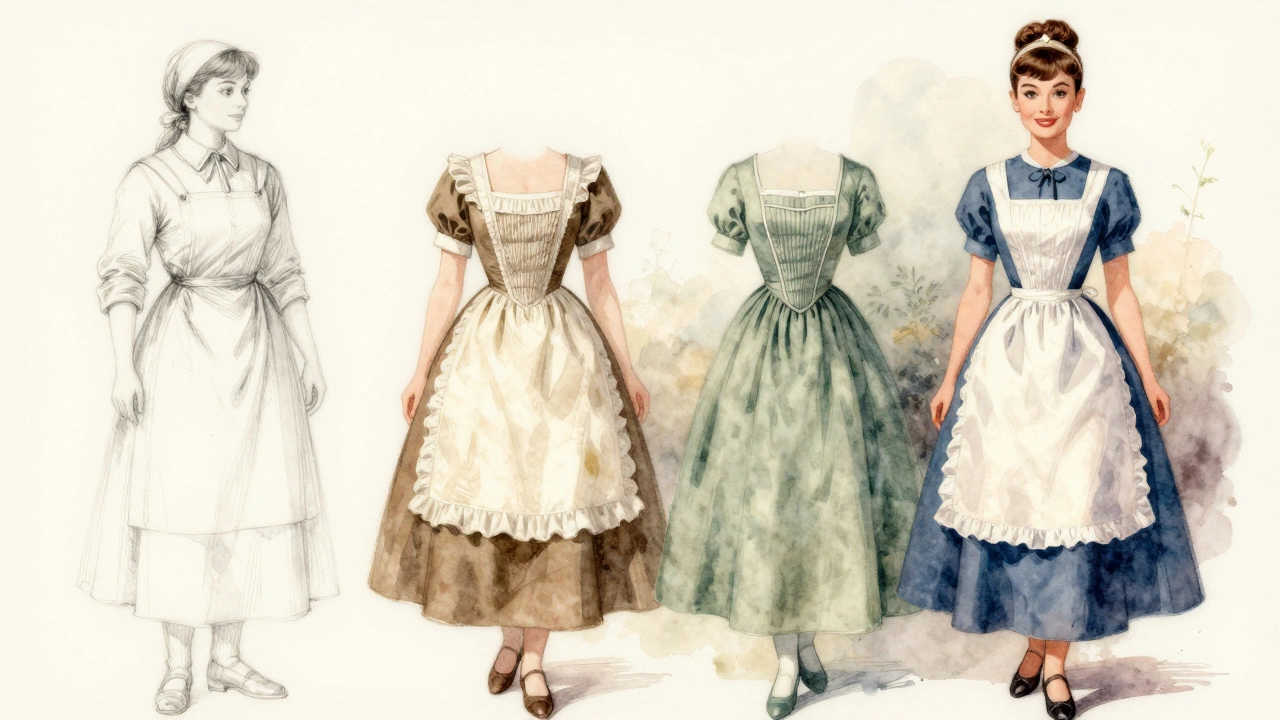
You might wonder why it’s called a "milkmaid" dress. The name comes from the practical clothing worn by dairy workers in the 19th and early 20th centuries. These women needed garments that allowed for movement while protecting their clothes from dirt and spills. The sturdy fabrics and simple cuts were functional first, fashionable second.
However, the modern version owes more to the 1950s than to Victorian farms. During the post-war era, designers like Christian Dior popularized the "New Look," which emphasized a cinched waist and full skirts. The milkmaid silhouette emerged as a softer, more romantic interpretation of this style. It was adopted by icons like Marilyn Monroe and Audrey Hepburn, cementing its status as a symbol of feminine grace.
In recent years, fast-fashion brands and independent designers alike have revived this look. Social media platforms, particularly TikTok and Pinterest, have accelerated its popularity, turning it into a global staple. For us here in Ireland, where traditional aesthetics often blend with modern sensibilities, the milkmaid dress feels both nostalgic and contemporary.
Why the Milkmaid Dress Works in Ireland
Ireland’s weather is famously changeable. One minute you’re basking in sunshine on the Wild Atlantic Way, and the next, you’re dodging rain showers in Kerry. The milkmaid dress adapts surprisingly well to these conditions when styled correctly.
First, consider the fabric. While delicate chiffon or silk might look beautiful, they aren’t ideal for damp Irish air. Opt for cotton, linen, or jersey blends. These materials breathe well, resist wrinkles, and can handle a bit of moisture without clinging uncomfortably. Linen, in particular, is a great choice for the warmer months, offering a relaxed, airy feel that suits our coastal towns perfectly.
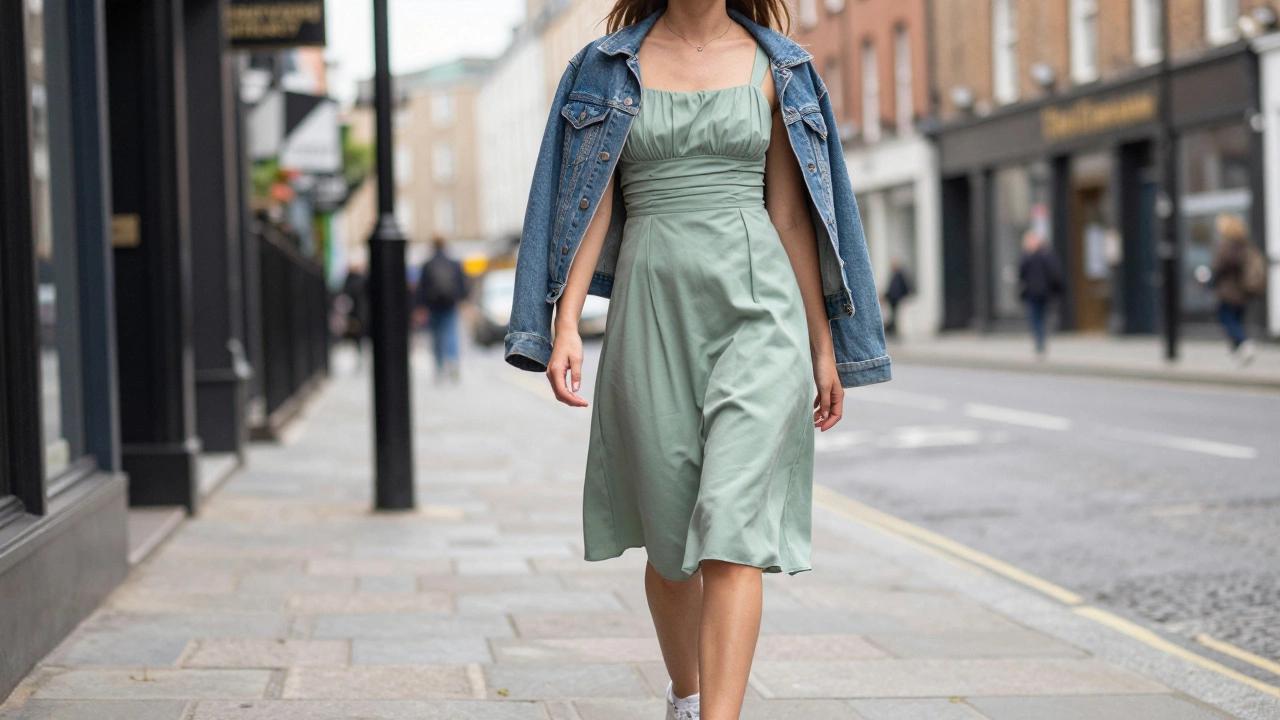
Second, think about layering. A milkmaid dress rarely needs to stand alone. Pair it with a denim jacket for a night out in Dublin’s Smithfield, or throw on a chunky knit cardigan for a chilly morning in Connemara. The square neckline provides a perfect canvas for scarves or statement necklaces, adding warmth and personality without compromising the silhouette.
Finally, the versatility of the style means you don’t need multiple outfits for different occasions. Wear it with sandals and a straw hat for a picnic in Phoenix Park. Swap the sandals for ankle boots and a leather belt for a dinner date in Belfast. It’s one dress that does it all.
How to Style Your Milkmaid Dress
Styling this dress depends largely on the occasion and your personal taste. Here are some practical ways to make it work for various scenarios:
| Occasion | Footwear | Accessories | Outerwear |
|---|---|---|---|
| Casual Day Out | White Sneakers or Espadrilles | Crossbody Bag, Minimal Jewelry | Denim Jacket or Trench Coat |
| Garden Party | Block Heels or Wedges | Wide-Brim Hat, Delicate Necklace | Light Blazer or Shawl |
| Date Night | Strappy Heels or Ankle Boots | Clutch, Statement Earrings | Leather Jacket or Faux Fur Stole |
| Wedding Guest | Nude Pumps | Structured Handbag, Pearl Earrings | Tailored Coat or Wrap |
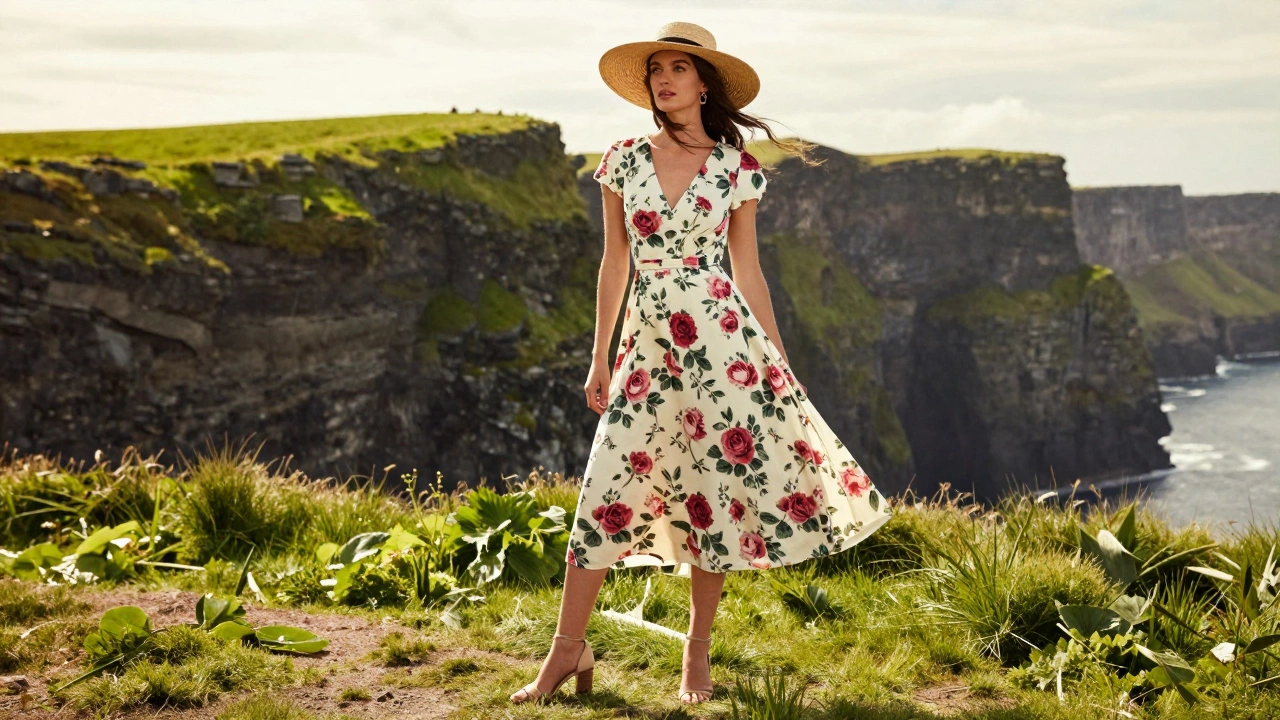
When choosing colors, remember that muted tones like sage green, dusty blue, and cream tend to photograph beautifully against Ireland’s lush landscapes. However, don’t shy away from bold prints if they reflect your personality. Floral patterns, especially those inspired by native flora like shamrocks or wild roses, add a charming local touch.
Where to Buy Milkmaid Dresses in Ireland
Finding the right fit can be tricky, but Ireland offers a variety of options for every budget. Here are some places to start your search:
- Local Boutiques: Shops in cities like Dublin, Cork, and Galway often carry unique pieces from independent designers. Stores such as Brown Thomas or smaller concept stores in Temple Bar offer high-quality fabrics and exclusive designs.
- High Street Brands: Chains like Zara, Mango, and H&M frequently stock milkmaid-style dresses. Check their online catalogs for new arrivals, as stock varies by location.
- Online Retailers: If you prefer shopping from home, websites like ASOS, & Other Stories, and Reformation offer extensive collections. Look for customer reviews and size guides to ensure a good fit.
- Vintage Shops: For a truly authentic experience, visit vintage stores in areas like Dublin’s George’s Street or Cork’s English Market area. You might find original 1950s pieces that tell a story.
Remember to check return policies, especially when buying online. Sizing can vary significantly between brands, and trying things on at home helps you decide what works best for your body type.
Caring for Your Dress
To keep your milkmaid dress looking fresh, proper care is essential. Most styles require gentle handling due to the delicate fabrics and intricate detailing.
- Washing: Hand wash in cold water using a mild detergent. Avoid wringing the fabric, as this can distort the shape. If machine washing, use a delicate cycle and place the dress in a mesh bag.
- Drying: Air dry flat to prevent stretching. Hanging wet dresses can cause the shoulders to lose their shape, especially with the square neckline.
- Ironing: Use a low heat setting and iron inside out to protect any prints or embellishments. Steam is often safer than direct contact with the iron.
- Storage: Store folded rather than hung to maintain the bodice’s structure. Use acid-free tissue paper to prevent creases.
Treating your dress with care will extend its life, allowing you to enjoy it season after season. Sustainable fashion isn’t just about buying less; it’s about making what you buy last longer.
Is a milkmaid dress suitable for all body types?
Yes, the milkmaid silhouette is generally flattering for most body types. The square neckline balances wider hips, while the ruched bodice accommodates varying midsections. Petite frames benefit from the empire waist, which elongates the legs. Plus-size individuals should look for structured fabrics that hold their shape without adding bulk.
Can I wear a milkmaid dress in winter?
Absolutely. Layering is key. Pair a long-sleeved milkmaid dress with tights, knee-high boots, and a wool coat. Choose heavier fabrics like velvet or thick cotton for colder months. The square neckline also pairs nicely with turtlenecks underneath for added warmth.
What shoes go best with a milkmaid dress?
It depends on the occasion. For casual outings, white sneakers or espadrilles work well. For formal events, block heels or nude pumps elongate the leg. Ankle boots add an edgy twist, perfect for urban settings like Dublin or Cork.
Are milkmaid dresses appropriate for weddings?
Yes, they are a popular choice for wedding guests. Opt for elegant fabrics like satin or lace and choose colors that complement the season. Avoid white or ivory to respect the bride. Add a clutch and delicate jewelry to elevate the look.
How do I find the right size?
Measure your bust, waist, and hips accurately. Compare these measurements to the brand’s size chart. Since ruching adds flexibility, focus on the bust measurement for the best fit. If unsure, size up for comfort, especially if the fabric lacks stretch.