Irish Sportswear Classifier
Confused about whether your leggings are for the gym or the pub? Use this tool to classify your wardrobe staples based on the article's guidelines for Irish climate and culture.
Suitability Check
- ✓ Gym/Exercise:
- ✓ Irish Rain/Wind:
- ✓ Casual/Public:
Expert Advice
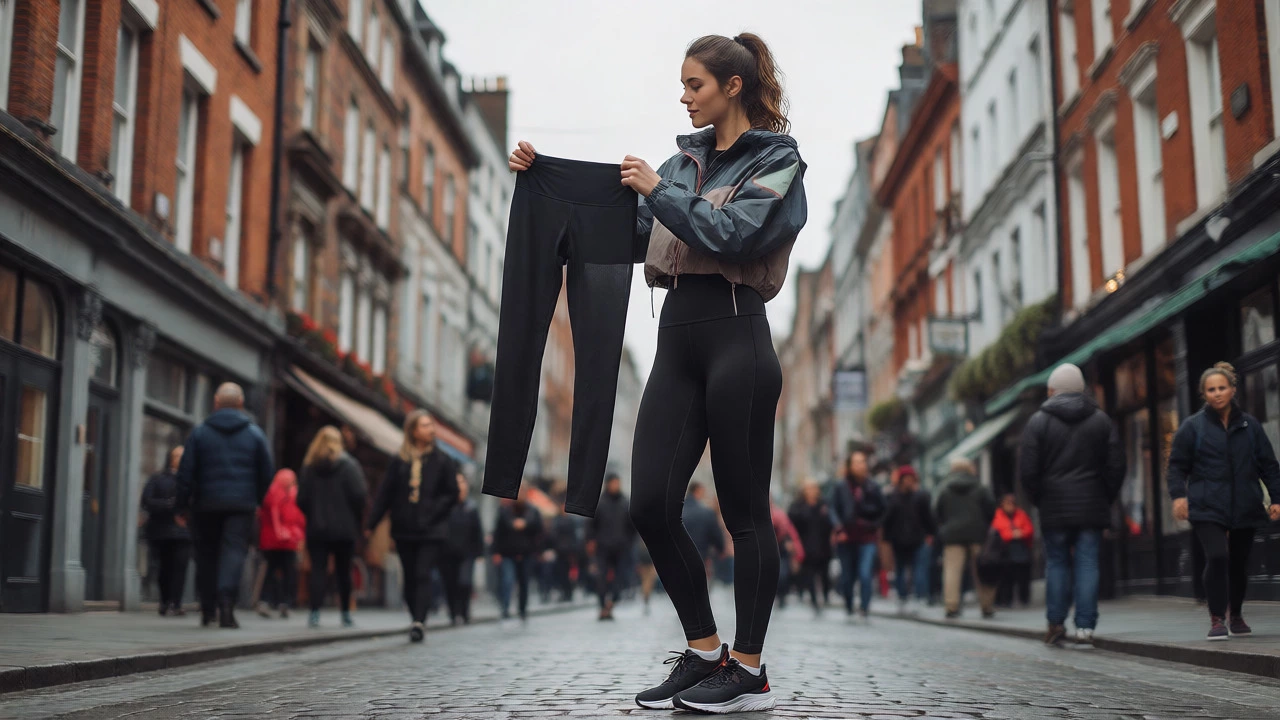
You’re standing in a shop on Grafton Street or scrolling through an online store, staring at a pair of leggings. Are they gym clothes? Are they casual wear? Or are they something else entirely? The line between sportswear and everyday fashion has blurred significantly, especially here in Ireland, where unpredictable weather demands versatile clothing. If you’ve ever wondered whether your joggers count as sportswear or if your hiking boots belong in the athletic category, you aren’t alone. This confusion is real, but the answer lies in function, fabric, and context.
The Core Definition: Function Over Fashion
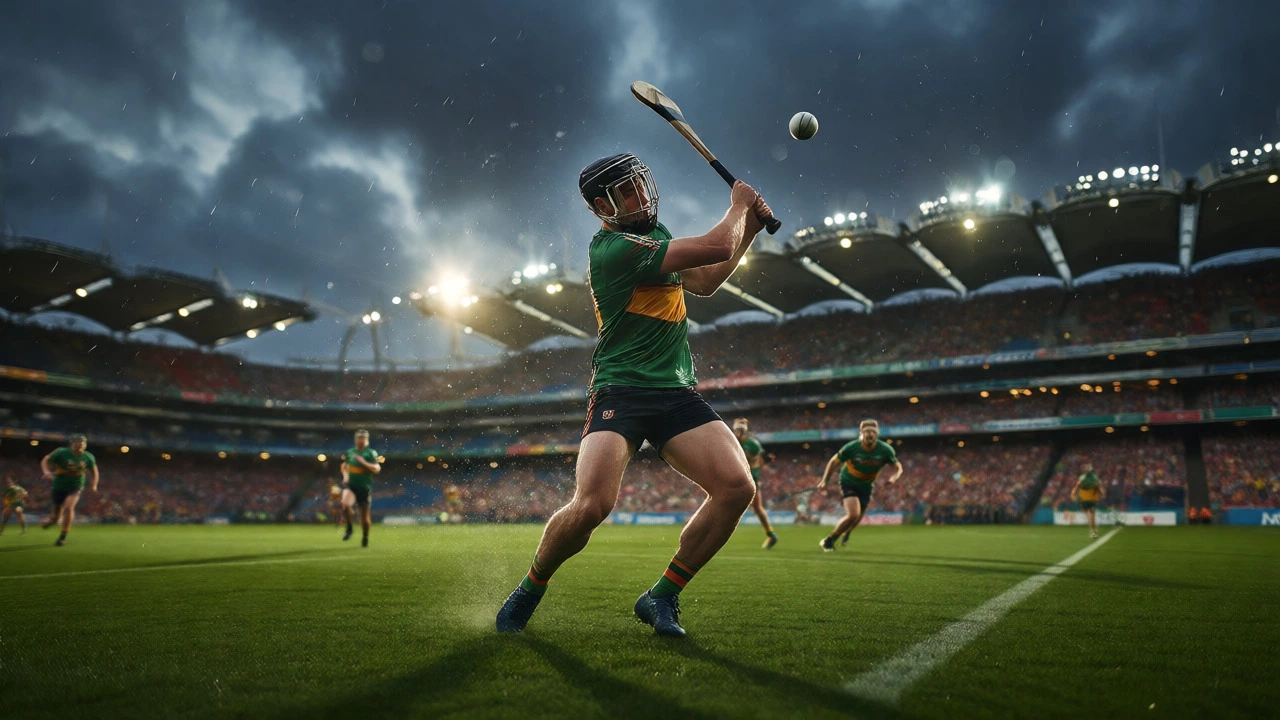
At its most basic level, sportswear is clothing designed specifically for physical activity. It’s not just about looking like you’re ready to run; it’s about performing while you run. In the Irish market, this definition gets tricky because our climate forces us to layer up even during light exercise. True sportswear prioritizes performance metrics: moisture-wicking capabilities, breathability, flexibility, and durability. Think of the kit worn by players at Croke Park during a hurling match. That jersey isn’t just colorful; it’s engineered to handle sweat and rain without becoming heavy. If your hoodie makes you feel sticky after ten minutes of jogging in Phoenix Park, it might be loungewear, not sportswear.
However, the modern consumer doesn’t always need high-performance gear for low-intensity movement. This is where the distinction becomes practical rather than theoretical. Sportswear includes everything from compression tights used by marathon runners preparing for the Dublin Marathon to the breathable shorts worn by someone doing yoga in their living room. The key differentiator is intent and engineering. Did the manufacturer design this item to move with your body and manage heat? If yes, it’s sportswear. If it was designed primarily for comfort on the sofa, it’s leisurewear.
Athleisure: The Grey Area in Irish Cities
Walk through any city center in Ireland-Dublin, Cork, Galway-and you’ll see people wearing what looks like gym clothes but isn’t necessarily going to the gym. This is athleisure, a hybrid category that blends athletic functionality with casual style. For many Irish residents, athleisure has become the default uniform for weekends, shopping trips, or even casual office environments in tech hubs like Dublin’s Docklands. Is athleisure considered sportswear? Technically, yes, because it often uses technical fabrics. But socially, it’s treated as casual wear.
| Category | Primary Purpose | Fabric Technology | Ideal Use Case in Ireland |
|---|---|---|---|
| Performance Sportswear | High-intensity exercise | Moisture-wicking, anti-odor, stretch panels | GAA matches, running clubs, gym sessions |
| Athleisure | Comfort & Style | Soft-touch synthetics, cotton blends, minimal tech | Coffee runs, commuting, casual Fridays |
| Outdoor Activewear | Weather protection | Waterproof membranes (Gore-Tex), windproof layers | Hiking Wicklow Mountains, coastal walks |
| Loungewear | Relaxation | Cotton, fleece, wool | Home relaxation, short local errands |
This table highlights why the definition matters. If you buy athleisure for a serious hike in Connemara, you’ll likely get soaked and cold because those soft leggings don’t repel water like dedicated outdoor activewear does. Conversely, wearing full compression gear to a pub in Temple Bar might make you look like you’re heading straight to a triathlon, which could be awkward unless you’re actually training for one.
Local Context: How Irish Culture Shapes Sportswear Needs
Ireland’s cultural landscape heavily influences what we consider essential sportswear. Unlike countries with stable warm climates, Irish consumers prioritize versatility and weather resistance. You rarely see shorts and tank tops being the primary choice for general public fitness activities outside of summer months. Instead, the “Irish sportswear standard” leans heavily toward layered systems. Base layers, mid-layers, and waterproof shells form the backbone of active wardrobes across the country.
Consider the popularity of Gaelic games. Hurling and football kits are iconic pieces of sportswear in Ireland. Brands like O’Neills have dominated this space for decades, providing jerseys that are lightweight yet durable enough for contact sports. These garments are strictly sportswear-they aren’t meant for casual wear due to their specific fit and branding. However, the influence spills over into mainstream fashion. Seeing a county jersey on a person walking their dog is common, blurring the lines again. But remember, a replica jersey bought for fandom is technically merchandise, whereas the actual playing kit is sportswear. The difference is subtle but significant for collectors and athletes alike.
Another factor is the rise of outdoor recreation. With the Wild Atlantic Way drawing tourists and locals alike, hiking has surged in popularity. This has boosted demand for technical footwear and jackets. In towns like Killarney or Sligo, shops stock specialized gear for walkers who tackle rugged terrain. Here, “sportswear” expands to include trail shoes with aggressive grip and waterproof trousers. If you’re buying generic sneakers for a muddy walk in West Clare, you’re using the wrong type of sportswear for the job.
Identifying Genuine Sportswear: What to Look For
So, how do you tell if an item qualifies as proper sportswear when you’re shopping? Ignore the brand name for a second and check the label. Real sportswear usually features synthetic fibers like polyester, nylon, or elastane. These materials dry quickly and allow air circulation. Cotton, while comfortable, absorbs sweat and stays wet, making it poor choice for intense workouts in damp Irish conditions. If you’re sweating through a cotton t-shirt during a spin class, you’re fighting against physics.
- Seam Construction: Flatlock seams reduce chafing. This is crucial for runners logging miles along the Grand Canal.
- Elasticity: Four-way stretch allows freedom of movement. Test this by squatting in the fitting room. If you feel restricted, it’s not true sportswear.
- Reflective Elements: Given our early sunsets in winter, reflective strips on jackets or shoes are a safety feature common in quality Irish sportswear.
- Fit: Performance gear fits closely to the body to minimize drag and weight. Loose-fitting items are often lifestyle-oriented rather than performance-driven.
Don’t forget footwear. Running shoes are a critical component of sportswear. In Ireland, where pavements can be uneven and rain is frequent, choosing shoes with adequate traction and water resistance is vital. Brands like Brooks or Asics offer models suited for these conditions. Wearing flat-soled canvas shoes for a long run can lead to injuries, proving that not all “sneakers” are created equal in the world of sportswear.

Common Misconceptions About Sportswear
Many people assume that anything branded as “active” is suitable for all types of exercise. This is false. Yoga pants are designed for flexibility and modesty, not for supporting muscles during sprinting. Similarly, basketball shorts are loose for ease of movement on the court but may flap annoyingly in the wind during a coastal cycle. Understanding the specific discipline helps narrow down what counts as appropriate sportswear for your needs.
Another myth is that expensive equals better. While premium brands often use advanced fabrics, budget options from retailers like Penneys or Aldi have improved significantly. Many Irish shoppers find excellent value in own-brand sportswear lines that meet basic performance standards. The key is matching the item’s capability to your activity level. A beginner walker doesn’t need a €300 jacket; a seasoned mountaineer tackling Croagh Patrick might regret skimping on quality.
Practical Advice for Building an Irish Sportswear Wardrobe
If you’re building a functional wardrobe in Ireland, focus on adaptability. Start with a solid base layer set-preferably merino wool or synthetic-that regulates temperature. Add a versatile mid-layer like a fleece or lightweight insulated vest. Finish with a waterproof outer shell that packs easily into a bag. This three-piece system covers 90% of outdoor activities in Ireland, from morning jogs to weekend hikes.
For gym-goers, invest in breathable tops and supportive bottoms. Women should pay attention to sports bra support levels, as inadequate support can cause discomfort during high-impact exercises. Men might benefit from compression shorts under loose trunks for added muscle stability. Always wash sportswear according to instructions to maintain fabric integrity. Fabric softeners, for example, can clog the pores of moisture-wicking materials, reducing their effectiveness over time.
Finally, consider sustainability. The Irish consumer is increasingly eco-conscious. Look for brands using recycled polyester or organic cotton. Local initiatives and global movements converge here, encouraging buyers to choose durable, ethically made sportswear that lasts longer and reduces waste. Buying fewer, higher-quality items is often more cost-effective and environmentally friendly than chasing fast-fashion trends that fall apart after a few washes.
Is denim considered sportswear?
Generally, no. Traditional denim lacks the elasticity and moisture-wicking properties required for physical activity. However, some modern jeans incorporate elastane for stretch, making them suitable for light movement or casual settings, but they still don't qualify as true sportswear for exercise.
Can I wear running shoes for walking?
Yes, running shoes are excellent for walking because they provide cushioning and support. However, dedicated walking shoes may offer more flexibility in the forefoot. For most people in Ireland, a good pair of running shoes will serve both purposes well, provided they have good grip for wet surfaces.
What is the difference between sportswear and activewear?
The terms are often used interchangeably, but "sportswear" typically refers to clothing designed for specific sports (e.g., tennis skirts, football jerseys), while "activewear" is a broader term encompassing any clothing suitable for physical activity, including gym classes and casual movement. Activewear often prioritizes style alongside function.
Why is cotton bad for sportswear?
Cotton absorbs sweat and holds onto moisture, which makes it heavy and slow to dry. In Ireland's humid climate, wearing wet cotton can lead to chilling and discomfort. Synthetic fabrics wick moisture away from the skin, keeping you drier and warmer.
Are tracksuits considered sportswear?
Tracksuits originated as sportswear for warming up and cooling down. Today, they are largely classified as athleisure or casual wear. While you can exercise in them, they are often too warm for intense cardio and lack the technical features of modern performance gear.