T-Shirt Quality & GSM Estimator
Configuration
Quality Score
Tip: Configure the settings above to see an analysis of your T-shirt's potential longevity and comfort.
Walking down Grafton Street in Dublin or browsing the independent boutiques in Galway’s Latin Quarter, you’ve likely noticed a shift. The era of buying five cheap tees that pill after two washes is fading. In Ireland, where our weather swings from bright sunshine to driving rain within an hour, we need clothes that actually last. So, what is the highest quality of T-shirts? It isn’t just about the price tag at Brown Thomas or the label on a high-street rack. It’s about the fiber, the weave, and how it holds up against our damp climate.
The Fabric: Why Cotton Still Reigns Supreme
If you want a tee that feels good against your skin and survives the Irish laundromat, you’re looking for natural fibers. Synthetic blends might wick sweat during a hike on the Cliffs of Moher, but they trap odors and degrade faster. For everyday wear, cotton is king, but not all cotton is created equal.
The gold standard is Pima Cotton, also known as Supima. This isn't your average farm-grown stuff. It comes from extra-long staple (ELS) fibers. Think of it this way: regular cotton fibers are like short strands of spaghetti; Pima fibers are like long linguine. Because they’re longer, they can be spun into a finer, stronger thread. The result? A shirt that feels silky smooth, resists pilling, and doesn’t shrink into a child’s size after one hot wash.
In Ireland, where humidity is a constant companion, breathability matters. Linen blends are rising in popularity here, especially for summer festivals like the Galway Arts Festival. A linen-cotton mix offers that airy feel without being see-through. However, pure linen wrinkles aggressively-something to consider if you’re commuting on the Luas and don’t have time to iron.
| Fabric Type | Durability | Comfort | Best For |
|---|---|---|---|
| Standard Cotton | Moderate | Good | Budget-friendly basics |
| Pima/Supima Cotton | High | Excellent | Premium everyday wear |
| Linen Blend | High | Very Good (Breathable) | Hot weather, smart-casual |
| Merino Wool | Medium | Warm | Winter layers, odor resistance |
Understanding GSM: The Weight Matters
You won’t find this number on most tags in Primark or Penneys, but it’s crucial. GSM stands for grams per square meter. It tells you how heavy-and therefore thick-the fabric is.
- 120-150 GSM: These are thin, lightweight tees. They’re great for layering under a jumper in a chilly Cork office, but they often show everything underneath and tend to wear out quickly.
- 160-180 GSM: The sweet spot for most people. Thick enough to be opaque, soft enough to be comfortable. This is where you’ll find many mid-range brands.
- 200+ GSM: Heavyweight tees. These hold their shape incredibly well and look more substantial. Brands like Uniqlo’s U line or local Irish labels often aim for this range. Just be warned: they take longer to dry in our damp climate.
If you’re hunting for quality in Ireland, check the care label. If it lists the weight, you’re dealing with a brand that cares about construction. If not, ask the staff. Most independent shops in areas like Temple Bar or Kinsale will know their stock inside out.
Construction Details That Signal Quality
Fabric is only half the battle. How the shirt is put together determines whether it lasts six months or six years. Look for these specific details:
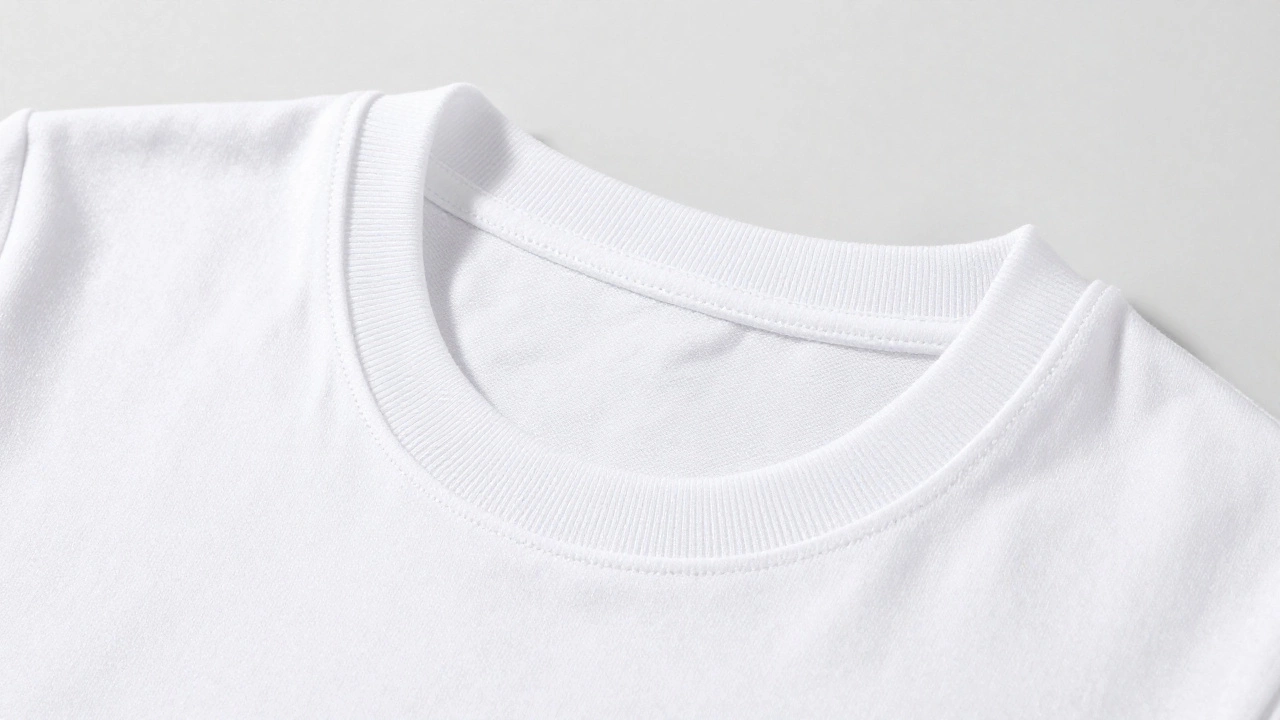
- Shoulder Seams: High-quality tees use flat-felled seams. These are double-stitched and lie flat against the shoulder. Cheap shirts use overlock stitching, which can chafe and unravel.
- The Collar: Nothing ruins a tee faster than a stretched-out neck hole. Look for reinforced collars with ribbing that has a small amount of elastane (spandex). This allows it to stretch when you put it on but snap back into shape afterward.
- Hem Stitching: Check the bottom hem. It should be even and tight. Loose threads here mean the whole garment was rushed through production.
In Ireland, we support local craftsmanship where we can. Brands like Irish Designers such as local labels based in Dublin or Galway often prioritize these construction details because they produce smaller batches with higher attention to detail.
Sustainability: The Irish Ethos
Ireland has a strong tradition of valuing durability over disposability. We buy things to last. This mindset aligns perfectly with sustainable fashion. When asking for the highest quality, you’re also asking for eco-friendly options.
Look for certifications like GOTS (Global Organic Textile Standard). This ensures the cotton was grown without harmful pesticides and processed under strict social and environmental criteria. Many Irish consumers now prefer brands that are transparent about their supply chain. Stores like Secondhand Shops in cities like Limerick and Waterford are booming, offering high-quality vintage tees that are already broken in and durable.
Supporting local Irish brands also reduces carbon footprint. Instead of shipping goods halfway across the world, buying from a maker in the Republic means less travel for your clothes. Plus, you get pieces designed for our specific lifestyle-think layers that work for unpredictable weather.
Where to Find Premium Tees in Ireland
You don’t need to fly to Milan to find a great tee. Here’s where to look in Ireland:
- Independent Boutiques: In Galway, Dublin, and Cork, small shops curate collections from ethical European brands. You pay more, but you get advice and quality.
- Department Stores: Brown Thomas in Dublin and Arnotts in Cork carry premium lines like Ralph Lauren, Massimo Dutti, and luxury basics. Watch for sales in January and July.
- Online Irish Retailers: Websites like Irish Fashion Platforms often feature local designers who use high-quality fabrics. Check reviews for fit and fabric feel.
- Vintage Markets: The Vintage Market in Dublin or similar events in other towns offer unique, high-quality cotton tees from decades past. Pre-loved cotton gets softer with every wash.
Caring for Your Investment
Even the best Pima cotton tee will fail if you treat it poorly. In Ireland, water hardness varies by region. Hard water can make fabrics feel stiff and dull colors over time. Use a water softener if you live in areas like parts of Munster or Leinster where water is harder.
Wash your tees inside out on a cold cycle. Hot water breaks down fibers and causes shrinking. Avoid tumble drying whenever possible. Line drying in the fresh Irish air is free, gentle on clothes, and smells amazing. If you must iron, do it inside out on a low setting to protect any prints or delicate fibers.
Investing in fewer, better-quality tees saves money in the long run. It’s better to own three excellent shirts than ten mediocre ones. As we move towards more conscious consumption in Ireland, choosing quality is both a personal and planetary choice.
What is the best fabric for a high-quality T-shirt?
Pima or Supima cotton is widely considered the best due to its extra-long staple fibers, which create a smoother, stronger, and more durable fabric compared to standard cotton.
Is expensive always better for T-shirts?
Not necessarily. Price can reflect branding rather than quality. Look for specific attributes like fabric weight (GSM), stitch type, and fiber origin instead of just the price tag.
How do I prevent my T-shirts from shrinking in Ireland?
Wash in cold water and avoid tumble drying. Line drying is ideal, especially given Ireland's humid climate, which helps maintain the shape and integrity of the fibers.
Are there sustainable T-shirt brands available in Ireland?
Yes, many local Irish designers and international brands sold in Irish boutiques offer GOTS-certified organic cotton or recycled materials. Supporting local also reduces carbon footprint.
What does GSM mean in T-shirts?
GSM stands for grams per square meter. It indicates the thickness and weight of the fabric. Higher GSM (200+) means a heavier, more durable shirt, while lower GSM (120-150) is lighter and thinner.