Evening Dress Suitability Checker
Select your options to see if your outfit fits the Irish evening standard.
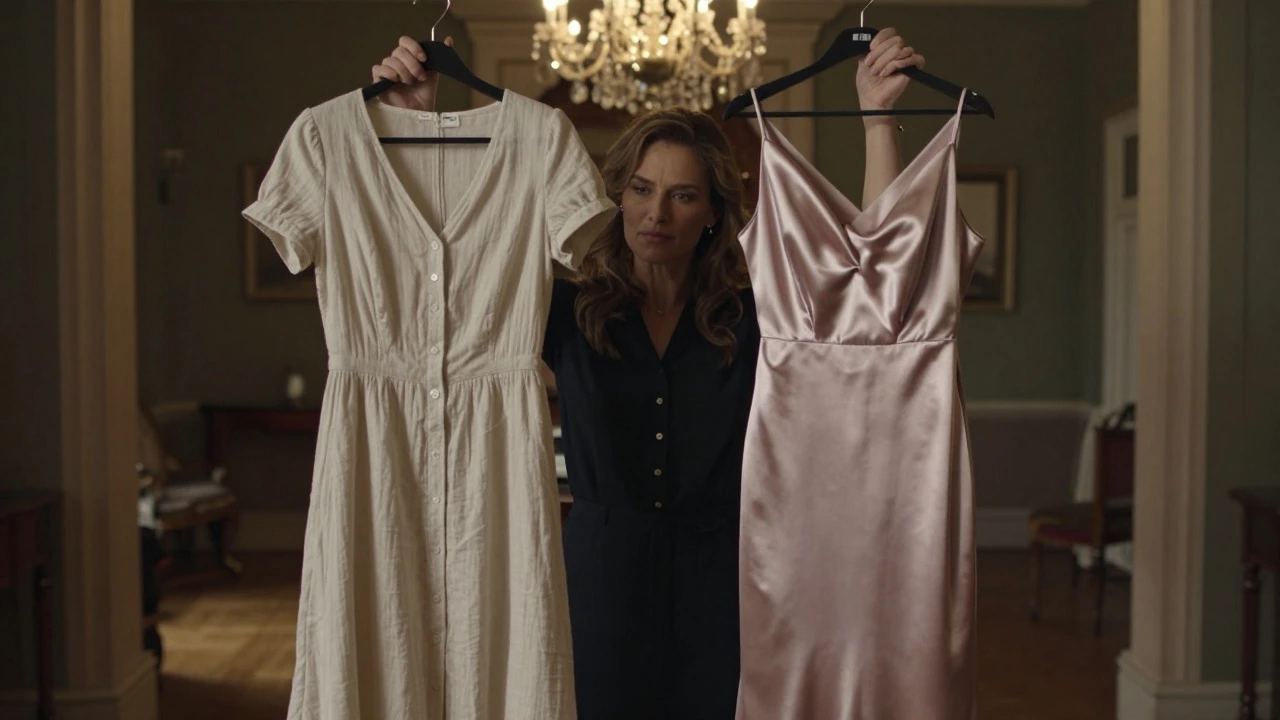
Picture this: you’ve just been invited to a wedding at Ashford Castle or a black-tie gala in Dublin. You stand in front of your wardrobe, staring at that one dress you bought three years ago. Does it count? Is it formal enough? This is the exact moment most of us freeze. The line between a nice dinner outfit and a true evening dress can be blurry, especially when you’re trying to balance style with the unpredictable Irish weather.
In Ireland, we don’t have a single rigid rulebook for formal wear, but there are unwritten codes that everyone follows. Whether you’re heading to a fundraiser in Cork, a debutante ball in Galway, or a state banquet in Dublin Castle, knowing what separates an evening gown from a day dress saves you from awkward moments and wardrobe malfunctions. Let’s break down exactly what makes a dress "evening" appropriate, keeping our local context and climate in mind.
The Fabric Factor: Why Material Matters More Than Length
If you want to know if a dress is evening-appropriate, look at the fabric first. Daytime dresses are usually made of cotton, linen, or lightweight synthetics. They breathe well, which is great for a summer stroll through the Phoenix Park, but they lack the weight and sheen required for evening events.
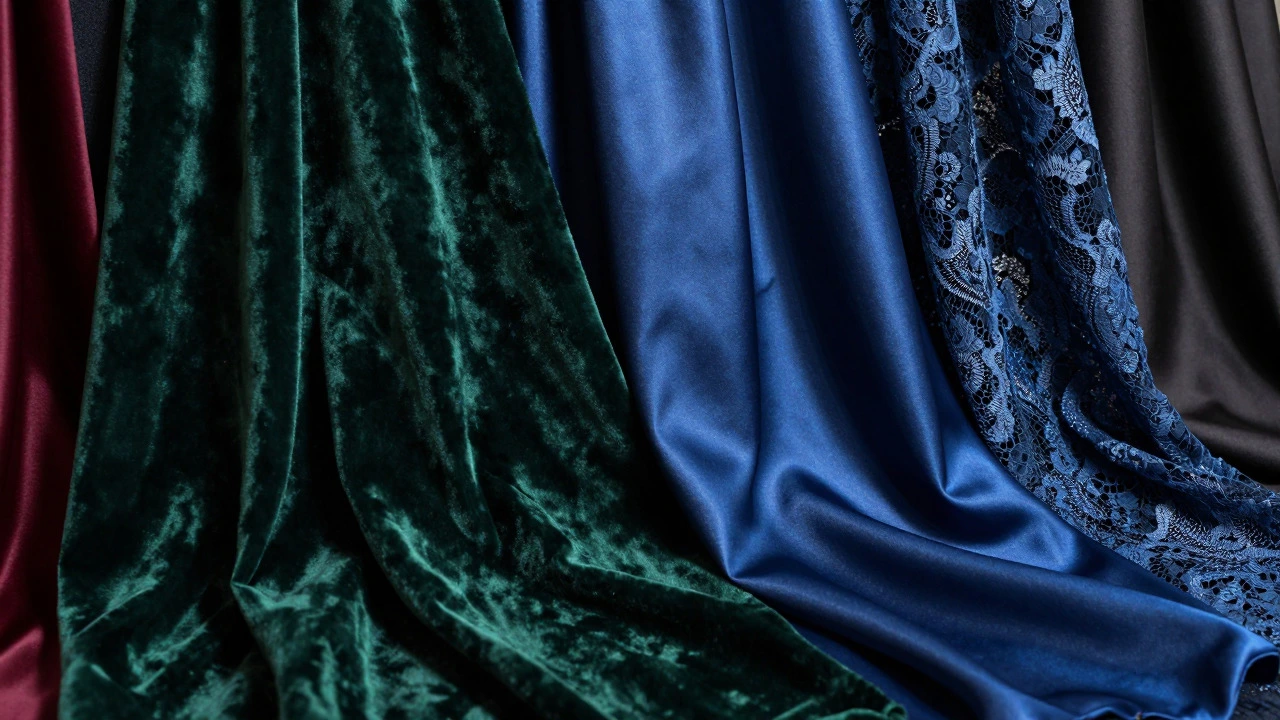
An evening dress demands luxury materials. Think silk, satin, velvet, chiffon, or lace. These fabrics catch the light differently. When you walk into a dimly lit venue like The Shelbourne Hotel, a silk slip dress reflects the ambient lighting, creating a silhouette that looks intentional and expensive. Velvet, on the other hand, is perfect for winter weddings in Ireland. It adds warmth and richness, making it ideal for those chilly December nights when you’re traveling from Kerry to attend a reception in Dublin.
- Silk/Satin: Best for spring and autumn events. Offers a sleek, modern look.
- Velvet: Ideal for winter. Provides warmth and a regal appearance.
- Chiffon/Georgette: Great for layering or flowy summer gowns.
- Lace: Adds texture and formality, often used in overlays.
Avoid anything that looks like it belongs in an office or a garden party. If the fabric wrinkles easily or looks matte and flat, it’s likely too casual for a black-tie event.
Length and Silhouette: Navigating Irish Traditions
Length is the second biggest indicator. In general, floor-length gowns are the safest bet for "black tie" events. However, Ireland has a unique relationship with hemlines. We love a good midi dress, but for strict formal occasions, a midi might fall short unless it’s exceptionally elegant.
Cocktail attire, which is common for evening receptions after 6 PM, allows for knee-length or tea-length dresses. But here’s the trick: the shorter the dress, the more luxurious the fabric needs to be. A simple cotton mini-dress won’t cut it, but a sequined satin mini-dress works perfectly for a trendy rooftop bar event in Temple Bar.
Silhouette also plays a role. Evening dresses tend to have structured shapes-mermaid cuts, A-lines, or empire waists. They are designed to move gracefully. In Ireland, where many formal events involve dancing (and let’s be honest, plenty of pints), you need a dress that allows movement without riding up uncomfortably. A flowing skirt is often more practical than a tight pencil skirt if you plan on hitting the dance floor at a rural wedding in County Mayo.
Color Codes: Beyond Black
There’s a myth that evening means black. While little black dresses are staples in any Irish woman’s closet, evening wear embraces a broader palette. Jewel tones-emerald green, sapphire blue, deep purple-are incredibly popular in Ireland. They complement the natural landscape and look stunning under artificial light.
For winter events, darker shades dominate. Think midnight blue, burgundy, or charcoal. For summer galas, lighter pastels or metallics work well. However, avoid white unless you’re the bride. In Ireland, wearing white to a wedding is still considered a faux pas, even if the dress is ivory or champagne-colored. Stick to colors that make you feel confident and fit the season.
| Event Type | Dress Length | Fabric Suggestions | Color Palette |
|---|---|---|---|
| Black Tie Gala | Floor-length | Silk, Satin, Velvet | Jewel tones, Black, Metallics |
| Cocktail Party | Knee to Tea-length | Sequins, Lace, Chiffon | Bold colors, Prints |
| Winter Wedding | Midi to Floor-length | Velvet, Heavy Silk | Burgundy, Navy, Emerald |
| Summer Garden Party | Knee-length | Lightweight Silk, Linen blends | Pastels, Florals |
Irish Weather: The Practical Reality
Let’s talk about the elephant in the room: the rain. Ireland’s weather is notorious for changing quickly. An evening dress isn’t just about looking good; it’s about surviving the elements. If you’re attending an outdoor ceremony in Derry followed by an indoor reception, you need a strategy.
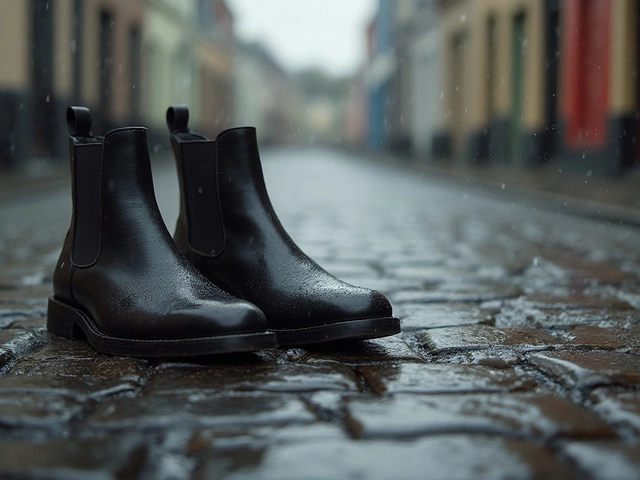
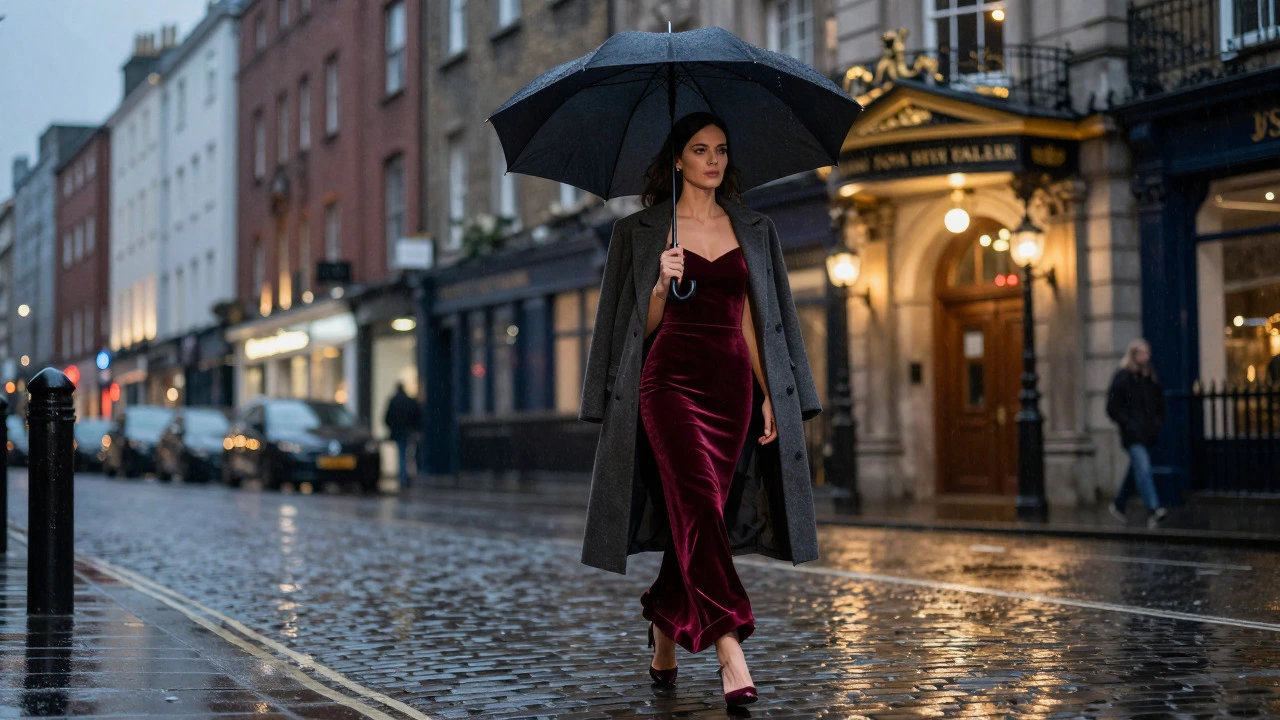
First, consider footwear. High heels sink into grass and get soaked in puddles. Opt for block heels or wedges, or keep a pair of stylish flats in your clutch. Second, layering is key. A tailored wool coat or a chic trench coat is essential. Don’t underestimate the power of a high-quality umbrella. Brands like Burberry, available in Brown Thomas in Dublin, offer timeless options that protect your dress without sacrificing style.
Also, think about temperature drops. Evenings in Ireland can get cold, especially near the coast. A shawl or pashmina made of cashmere or wool adds elegance and warmth. It’s better to overdress slightly than to shiver through a speech.
Where to Find Evening Dresses in Ireland
Shopping for an evening dress in Ireland offers a mix of high-street convenience and boutique charm. In Dublin, Brown Thomas and Dundrum Town Centre provide extensive selections from international brands like Reiss, Whistles, and Monsoon. These stores carry reliable options for both cocktail and black-tie events.
For something more unique, explore local boutiques. In Galway, shops like Mimi’s Boutique offer curated pieces that blend contemporary design with Irish craftsmanship. Cork’s English Market area also hosts several independent designers who create bespoke evening wear. Supporting local businesses not only gives you a one-of-a-kind piece but also contributes to the vibrant Irish fashion scene.
Online shopping is another option, but be cautious with sizing. Irish brands like Sézane or local labels often run smaller than US sizes. Always check return policies before buying online, especially if you’re ordering from abroad.
Accessories: Finishing the Look
An evening dress is only as good as its accessories. Jewelry should complement, not overwhelm. Simple diamond studs or pearl earrings add sophistication without distracting from the dress. Avoid overly flashy pieces unless the event calls for it.
A small clutch is essential. Large bags look out of place at formal events. Choose a clutch in a neutral color or one that matches your jewelry. Finally, don’t forget hair and makeup. Professional styling can elevate your look significantly. Many salons in cities like Limerick and Waterford offer package deals for bridesmaids and guests.
Common Mistakes to Avoid
Even experienced shoppers make mistakes. Here are a few pitfalls to watch out for:
- Ignoring the dress code: If the invitation says "black tie," don’t show up in a cocktail dress. When in doubt, ask the host.
- Wearing daytime fabrics: Cotton and denim are rarely appropriate for evening events.
- Over-accessorizing: Less is more. Let the dress speak for itself.
- Forgetting comfort: If you can’t sit, dance, or walk comfortably, it’s not the right dress.
Understanding what makes an evening dress is about balancing aesthetics with practicality. In Ireland, where tradition meets modernity, having a versatile wardrobe ensures you’re always ready for whatever life throws your way. Whether it’s a rainy night in Belfast or a sunny afternoon in Kinsale, the right dress makes all the difference.
What is the difference between a cocktail dress and an evening gown?
A cocktail dress is typically knee-length or tea-length, suitable for semi-formal events. An evening gown is floor-length and made from more luxurious fabrics like silk or velvet, reserved for black-tie or very formal occasions.
Can I wear a midi dress to a formal event in Ireland?
Yes, but it depends on the event. For cocktail parties, a midi dress is acceptable. For black-tie events, floor-length is preferred. Ensure the fabric is luxurious and the cut is elegant to compensate for the shorter length.
What should I wear over my evening dress in Irish weather?
A tailored wool coat or a chic trench coat is ideal. Add a cashmere shawl or pashmina for extra warmth. Choose waterproof options if rain is forecasted.
Where can I buy evening dresses in Dublin?
Brown Thomas and Dundrum Town Centre offer wide selections from brands like Reiss and Whistles. Independent boutiques in areas like Merrion Square also provide unique options.
Is it okay to wear white to an evening event in Ireland?
Generally, no, unless you are the bride. White is traditionally reserved for weddings. Opt for ivory, champagne, or other light colors instead.