Senior Wardrobe Readiness Checklist
Stretch Denim or Trousers
Look for elastic waists, high-rise cuts, or magnetic closures.
Soft Base Layer
Merino wool or soft cotton with no rough seams to protect sensitive skin.
Easy-Open Middle Layer
Cardigan or fleece with large buttons, zippers, or Velcro.
Waterproof Outer Layer
Windproof jacket or trench coat, preferably with a hood.
Safe Footwear
Non-slip rubber soles, wide base, and slip-on design (no loose laces).
Seamless Socks
Wool-blend socks with seamless toes to prevent blisters.
High Contrast Colors
Dark top/light bottom combinations to aid depth perception.
Tagless Labels
Ensure no itchy tags behind neck or sides irritate aging skin.
Readiness Score
Start checking items to see your score.
Why this matters:
- Comfort: Reduces pain and irritation.
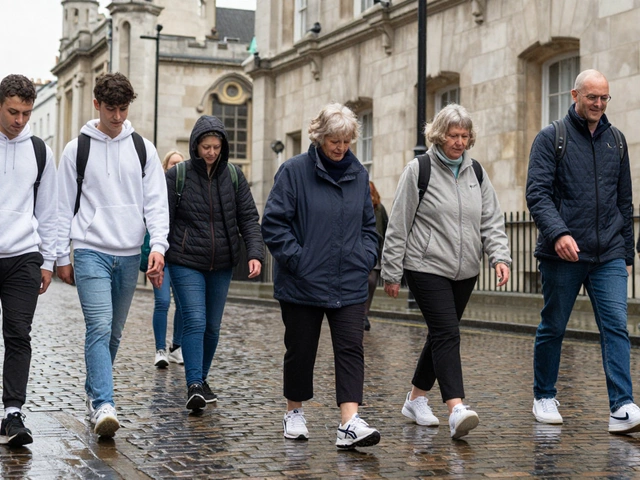
- Safety: Prevents falls on cobblestones.
- Dignity: Promotes independence in dressing.
Walking down O'Connell Street in Dublin or browsing the markets in Galway, you might notice that style doesn't stop at a certain age. But when it comes to dressing a 90-year-old woman, the conversation shifts from pure aesthetics to comfort, safety, and practicality. In Ireland, where the weather can turn on a dime and our streets often feature uneven cobblestones, choosing the right outfit is about more than just looking good. It’s about staying warm, dry, and mobile.
If you are caring for an elderly relative or simply updating your own wardrobe in your nineties, the goal is balance. You want clothes that respect their dignity and personal taste while accommodating physical changes like reduced mobility, thinner skin, or difficulty with buttons and zippers. Let's look at how to build a wardrobe that works for life in Ireland, focusing on specific items like jeans, layers, and footwear that handle our unique climate.
The Truth About Jeans for Seniors
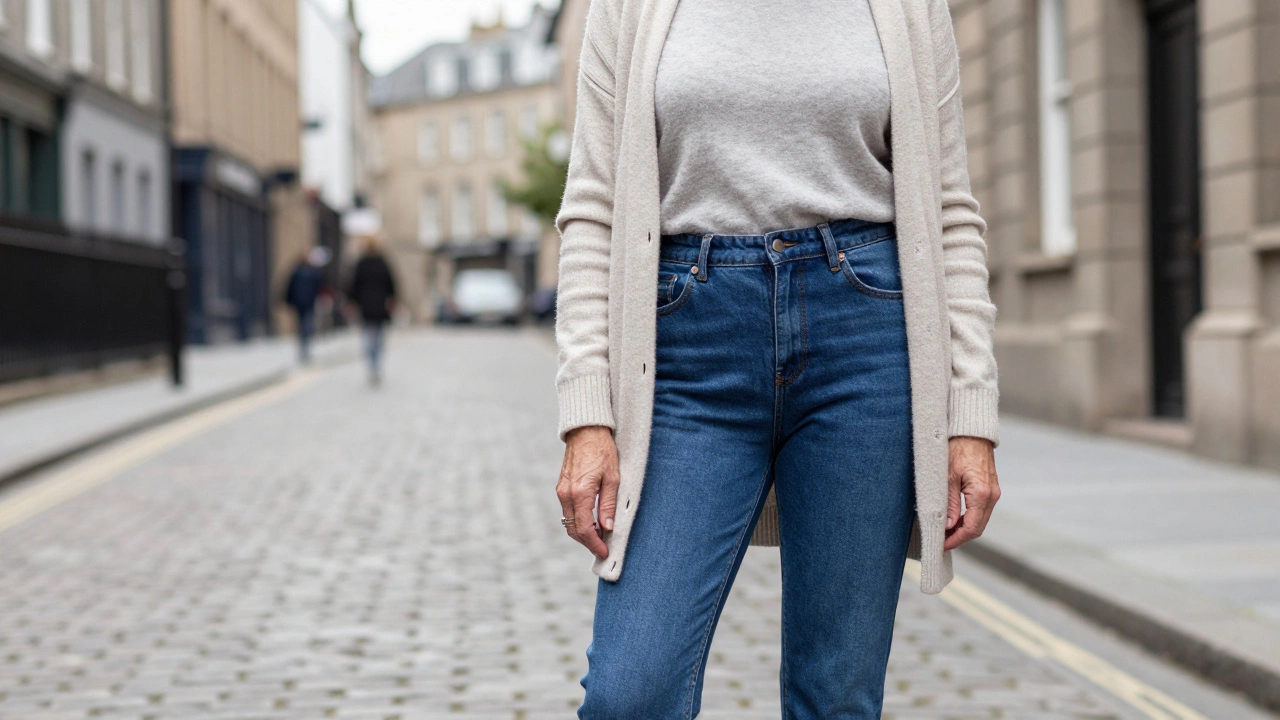
We all have that one pair of denim we love, but traditional rigid jeans can be a nightmare for someone in their nineties. Bending over to put them on requires flexibility many don’t have anymore, and tight waistbands can restrict breathing or digestion. However, that doesn’t mean saying goodbye to denim entirely. The key is finding the right cut and fabric.
Look for stretch denim with a high elastane content. Brands available in Ireland, such as Uniqlo (available online) or local retailers like Brown Thomas and Dunnes Stores, offer trousers with elasticated waists hidden under a belt loop appearance. These provide the look of jeans without the struggle. For those who find pulling up pants too difficult, consider adaptive clothing brands that use magnetic closures or side-zip openings. While these are less common in high-street shops, they are increasingly available through specialized suppliers in the UK and Ireland.
Avoid low-rise cuts, which can dig into the hips and cause chafing. Instead, opt for mid-to-high-rise styles that sit comfortably on the natural waist. If the person uses a walker or wheelchair, ensure the hem length is correct-too long, and the fabric catches on wheels; too short, and it exposes vulnerable knees to cold drafts.
Layering for the Irish Climate
Ireland’s weather is famously unpredictable. One minute it’s sunny in Cork, the next it’s drizzling in Donegal. For a 90-year-old, temperature regulation can be impaired due to slower metabolism and reduced circulation. Layering is not just a fashion choice; it’s a health necessity.
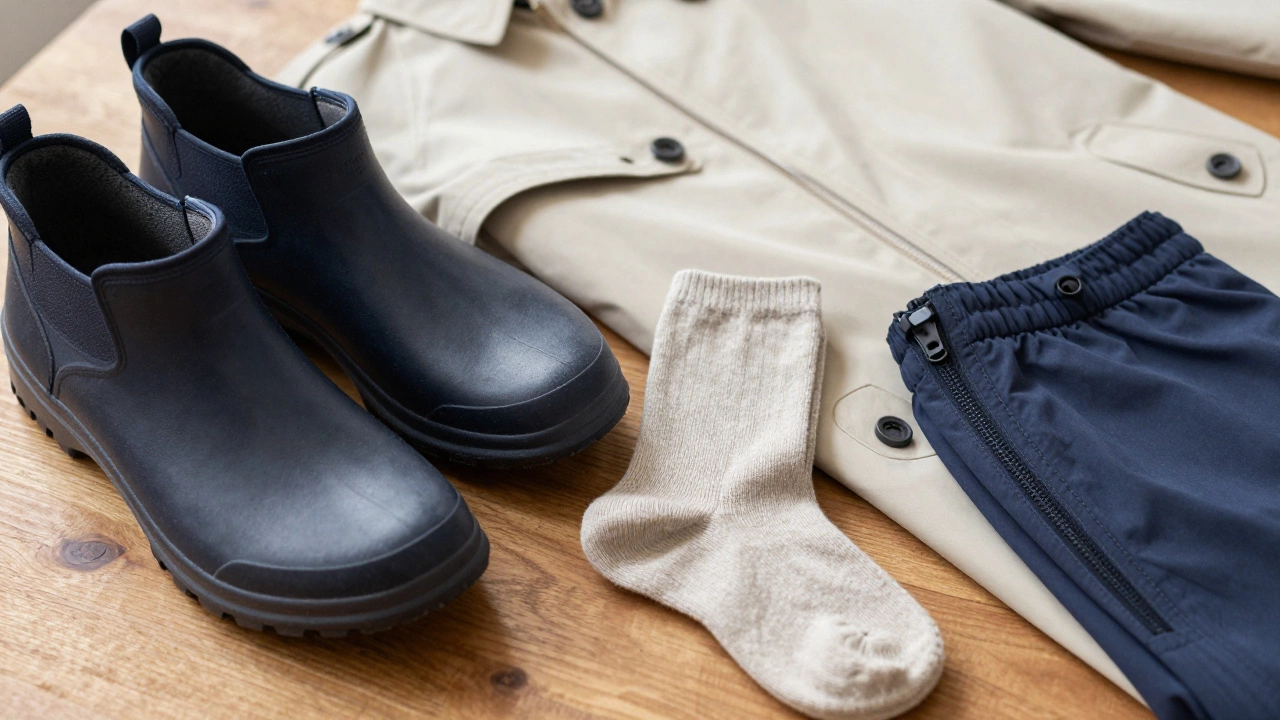
- Base Layer: Start with soft, breathable fabrics against the skin. Cotton is good, but merino wool is better for moisture-wicking and warmth without bulk. Avoid rough seams that could irritate sensitive skin.
- Middle Layer: A cardigan or a lightweight fleece provides insulation. Cardigans are ideal because they open fully, making it easier to dress someone who may need assistance. Look for ones with large buttons or zippers instead of small, fiddly snaps.
- Outer Layer: A waterproof, windproof jacket is essential. In Ireland, rain is frequent, so a trench coat or a technical shell keeps the chill out. Ensure it has a hood if possible, as hats can sometimes fall off or be forgotten.
Consider the ease of removal. If someone gets too hot indoors, they should be able to shed layers easily. Velcro closures or large zipper pulls can make this process independent and dignified.
Footwear: Safety First on Cobblestones
Our historic towns are beautiful, but the cobbles in places like Kilkenny or Limerick are hazardous for anyone with balance issues. Footwear is the most critical part of the outfit for preventing falls.
Forget high heels or slippery leather soles. Opt for shoes with non-slip rubber grips and a wide base for stability. Brands like Clarks or Ecco offer excellent options with cushioned insoles that support arches and reduce foot pain. Elastic laces or slip-on designs with a secure heel counter prevent tripping over loose shoelaces.
If the person wears socks, choose seamless toes to prevent blisters. Thin, cotton socks can bunch up inside shoes, causing discomfort. Wool-blend socks keep feet warm in damp conditions, which is crucial for maintaining overall body temperature.
Adaptive Clothing: Dignity Meets Function
As we age, fine motor skills decline. Buttons, zippers, and ties become frustrating barriers. Adaptive clothing is designed to solve these problems without sacrificing style. This isn’t just for those in care homes; it’s for anyone who values independence.
- Magnetic Closures: Shirts and jackets with hidden magnets snap together effortlessly. No more struggling with tiny buttons.
- Side-Zip Trousers: These allow someone to put on pants while sitting down, reducing strain on the back and hips.
- Tagless Labels: Itchy tags behind the neck or on the sides can cause significant irritation. Seamless or printed labels are much gentler on aging skin.
In Ireland, companies like Age Friendly Ireland resources can point you toward local suppliers or charities that offer adaptive wear. Online retailers also ship to Ireland, providing a wider range of choices.
Color and Pattern Choices
Don’t assume that older women prefer only muted tones. Many vibrant personalities thrive in bright colors. However, consider contrast. High-contrast patterns can help with depth perception, which often declines with age. A dark top with light trousers, or vice versa, can make it easier to see where one garment ends and the other begins, aiding in dressing independently.
Also, think about visibility. If the person walks outdoors, especially in the early morning or late afternoon during winter months, incorporating reflective elements or bright colors can enhance safety near roads.
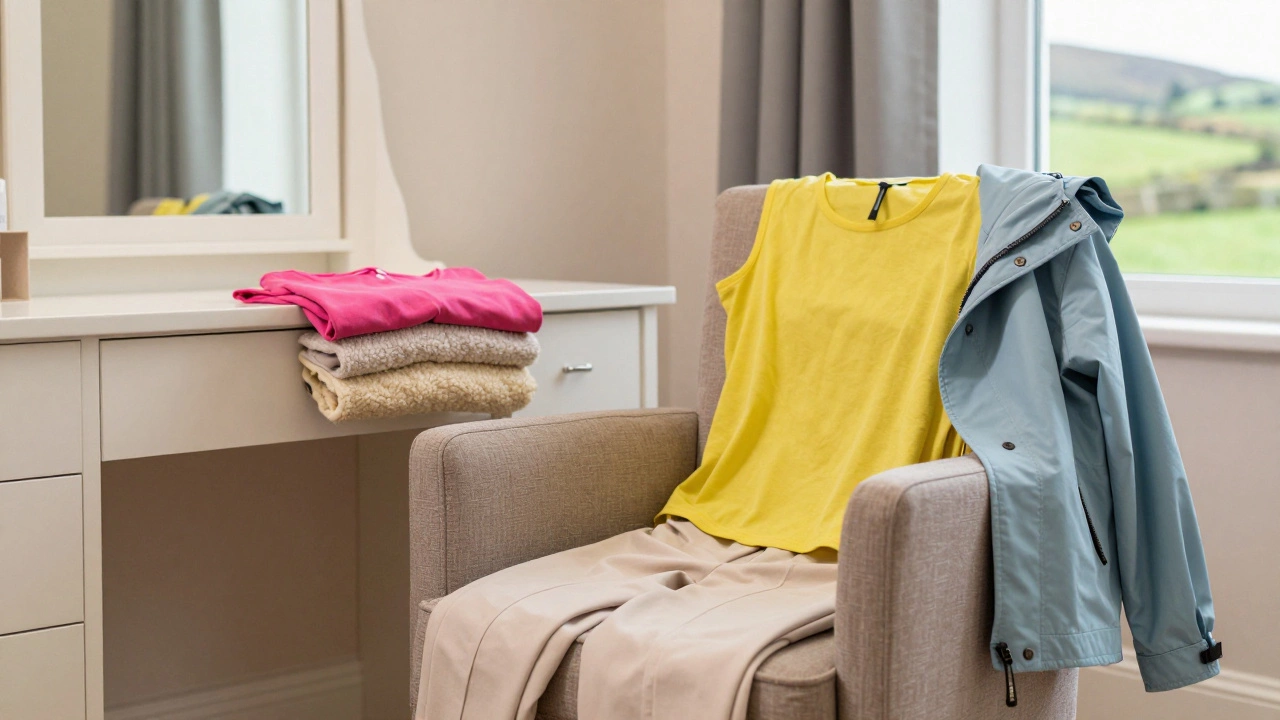
Practical Tips for Caregivers and Family
If you’re helping a loved one get dressed, involve them in the decision-making process. Ask what they feel comfortable in. Respect their preferences, even if they differ from current trends. Autonomy is vital for mental well-being.
Create a dedicated space for getting dressed with good lighting and a sturdy chair. Keep frequently worn items within easy reach. Consider using a dressing table with a mirror at eye level to check appearance.
Regularly assess fit. Weight fluctuations are common in old age. Clothes that were perfect six months ago might now be too tight or too loose. Tight clothing can restrict blood flow, while loose clothing can trip hazards. Adjust sizes as needed.
| Item | Key Feature | Why It Matters |
|---|---|---|
| Jeans/Trousers | Elastic waist, stretch fabric | Easy to put on, comfortable for sitting |
| Jacket | Waterproof, windproof, zippered | Protects against Irish rain and wind |
| Shoes | Non-slip sole, slip-on design | Prevents falls on wet surfaces |
| Tops | Soft fabric, magnetic closures | Reduces skin irritation and dressing effort |
| Hat/Scarf | Lightweight, secure fit | Retains heat without slipping off |
Where to Shop in Ireland
Finding suitable clothing locally can be challenging. Here are some suggestions:
- Dunnes Stores: Offers affordable basics with decent quality. Their senior-friendly ranges often include softer fabrics and simpler designs.
- Brown Thomas: For higher-end options, they carry brands that focus on elegance and comfort, suitable for special occasions.
- Local Charities: Shops like the Spencer Trust or St. Vincent de Paul often have gently used, high-quality items that can be tried on for fit.
- Online Retailers: Websites specializing in adaptive clothing ship to Ireland. Look for reviews from other Irish customers to gauge sizing and delivery times.
Remember, the best outfit is one that makes the wearer feel confident and comfortable. Whether it’s a pair of soft jeans for a walk in Phoenix Park or a cozy cardigan for tea with friends, prioritize their needs and preferences above all else.
Can a 90-year-old woman still wear jeans?
Yes, but choose stretchy, high-waisted styles with elastic bands. Avoid rigid denim that is hard to pull up. Adaptive jeans with side zips are also a great option for easier dressing.
What type of shoes are best for walking on Irish cobblestones?
Shoes with non-slip rubber soles, wide bases, and good arch support are essential. Slip-on styles with elastic laces prevent tripping. Brands like Clarks or Ecco offer suitable models.
How should I layer clothes for Irish weather?
Use three layers: a soft base layer (merino wool), a warm middle layer (cardigan or fleece), and a waterproof outer layer. This allows adjustment to changing temperatures throughout the day.
Where can I buy adaptive clothing in Ireland?
While high-street stores have limited options, online retailers shipping to Ireland offer a wide range. Local charity shops may also have second-hand adaptive items. Check with Age Friendly Ireland for supplier lists.
Why is contrast important in senior clothing?
High-contrast colors (e.g., dark top, light bottom) help with depth perception, which often declines with age. This makes it easier to see garment boundaries and dress independently.