Irish Summer Wardrobe Checker
Click on the items in your wardrobe to decide if they belong in your Summer Collection or the Storage Bin.
Walking out the door in Dublin or Galway during July is a bit of a gamble. One minute you're squinting into a rare beam of sunshine, and the next, a sudden Atlantic breeze makes you wish you'd stayed in bed. Because our weather is so unpredictable, the question of which clothes to ditch for the season isn't just about heat-it's about weight, breathability, and not overheating while walking down Grafton Street. If you're trying to figure out what doesn't belong in your summer clothes in Ireland collection, you need to look at fabrics that trap heat and styles that don't breathe.
Key Takeaways for Your Seasonal Swap
- Heavy wools and thick knits are the first to go.
- Avoid synthetic fabrics like polyester that trap sweat.
- Swap heavy denim for linen or lightweight cotton.
- Keep a "just in case" light layer, but ditch the heavy winter coats.
- Footwear should move away from insulated boots toward breathable options.
The Heavy Hitters: What to Store Away
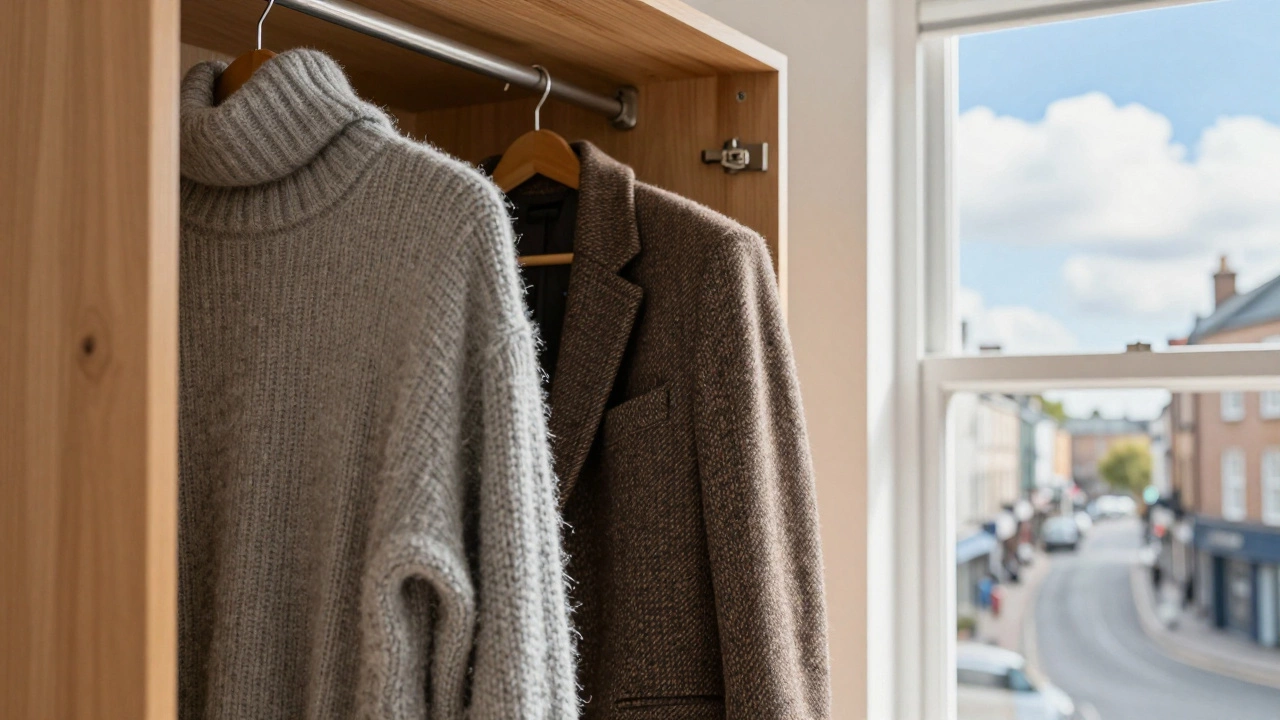
The most obvious culprits are the heavy-duty winter pieces. Cashmere is a luxury wool fabric known for its intense warmth and softness. While a light cashmere wrap is great for a breezy evening at the Cliffs of Moher, those thick, chunky cashmere sweaters are far too warm for an Irish June. When the temperature hits 18°C-which feels like a heatwave to us-wearing a heavy knit will leave you drenched in sweat the moment you step into a crowded shop or hop on a Luas carriage.
Then there's the Tweed. Tweed is a rough, woolen fabric, traditionally associated with Scottish and Irish country wear. It's a staple of our cultural identity and perfect for a damp November walk in Connemara, but it's far too dense for summer. The tight weave that keeps out the freezing wind in January will act like a sauna in July. Unless you're attending a very formal event where a tweed blazer is required, leave the heavy wool blends in the attic.
Similarly, Thermal Underwear should be completely removed from your rotation. Whether it's Merino wool base layers or synthetic heat-trapping sets, these are designed to keep core heat in. In the summer, your goal is the opposite: heat dissipation. Wearing thermals under your trousers during a trip to the Wild Atlantic Way is a recipe for discomfort.
Fabrics That Fail the Summer Test
It's not just about the thickness of the garment, but what it's made of. Polyester is a synthetic polymer fiber that is durable but lacks breathability. You'll find it in many "fast fashion" pieces from stores like Penneys, but in the height of summer, it's your worst enemy. Polyester doesn't absorb moisture; it traps it. If you're walking through Phoenix Park on a humid afternoon, a polyester shirt will make you feel sticky and trapped.
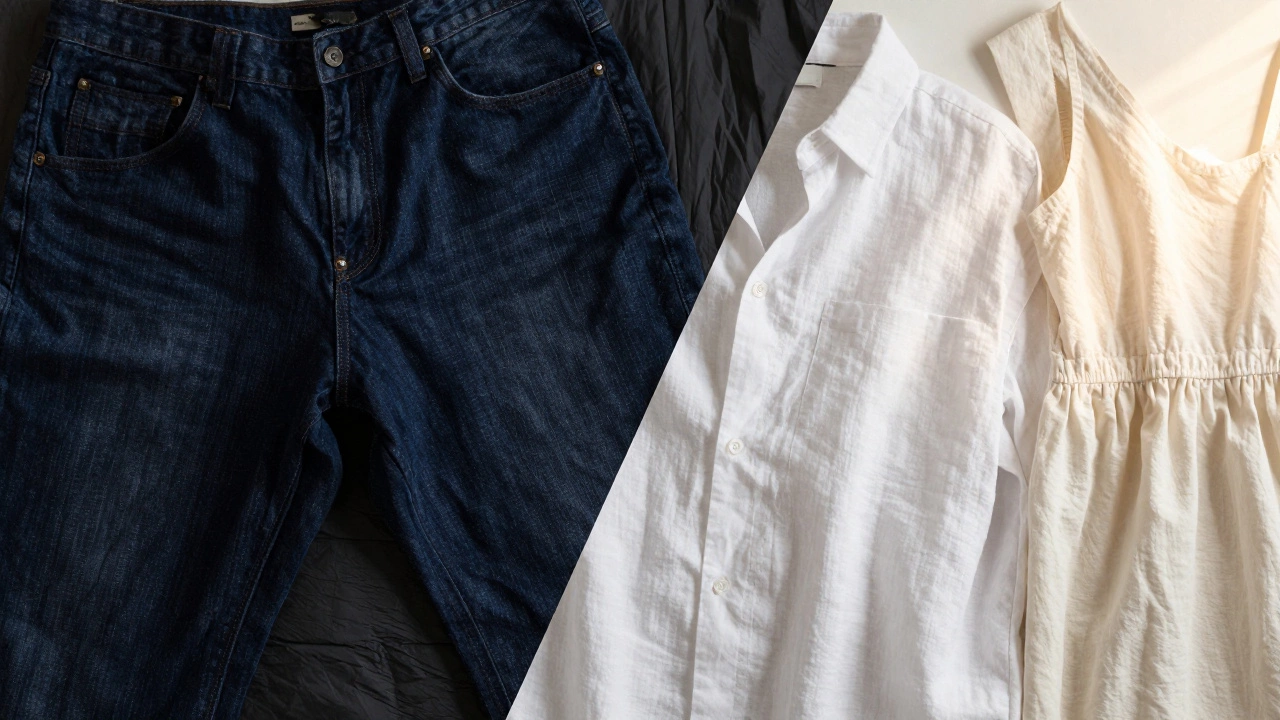
Heavyweight Denim is another tricky one. While we all love a good pair of jeans, the thick, raw denim used in winter-weight trousers is too restrictive and hot for summer. If you insist on denim, look for "light-wash" or lightweight blends, but generally, the heavy, dark indigo denim meant for winter should be swapped out for something more airy.
| Fabric Type | Summer Status | Why? |
|---|---|---|
| Linen | Recommended | Highly breathable, wicks moisture. |
| Heavy Wool | Avoid | Traps excessive body heat. |
| Polyester | Limit | Does not breathe; causes sweating. |
| Cotton | Recommended | Natural, soft, and breathable. |
| Acrylic | Avoid | Synthetic heat retention. |
Footwear That's Too Much
Your feet are the first to let you know when you're wearing the wrong gear. Combat Boots or heavy leather work boots are great for trekking through mud in the Burren during November, but they're far too heavy for summer. Leather that isn't perforated or breathable will cause your feet to overheat, leading to blisters and general discomfort during a summer stroll through Killarney.
Avoid Fleece-Lined Shoes entirely. There's no reason to have artificial fur or wool lining in your footwear when the sun is actually making an appearance. Instead, move toward canvas sneakers or sandals. Just remember, in Ireland, "summer sandals" should still be sturdy enough to handle a sudden rain shower on a cobblestone street.
The Outerwear Dilemma
We can't just talk about what to remove without mentioning the "middle ground." You should definitely ditch the Parkas. A full-length, insulated parka is designed for sub-zero temperatures, not for a trip to a beer garden in Cork. If you're wearing a parka in July, you're essentially carrying a duvet around with you.
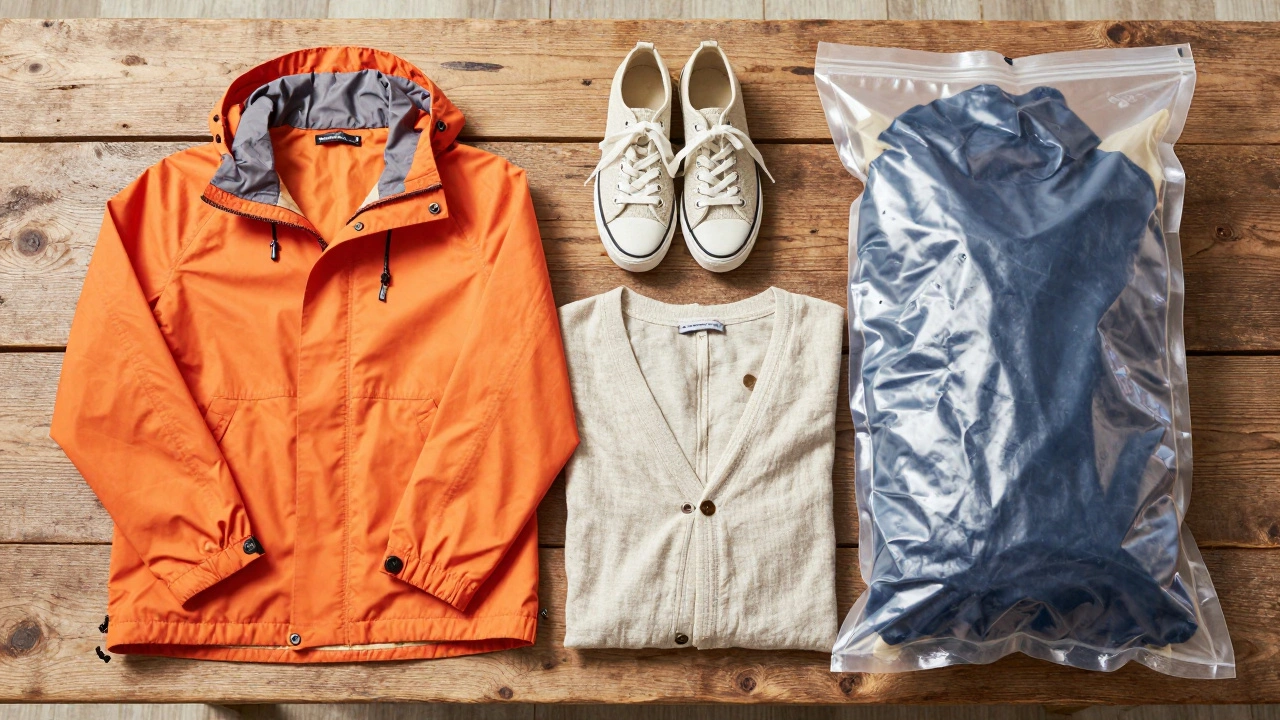
However, don't throw away every single jacket. The secret to surviving a summer in the Republic or the North is the light shell. A heavy winter coat is out, but a lightweight, waterproof windbreaker is a non-negotiable. It protects you from the drizzle without making you sweat. If you can't see through the fabric or it feels like a tent, it's too heavy for the season.
Practical Swaps for the Irish Climate
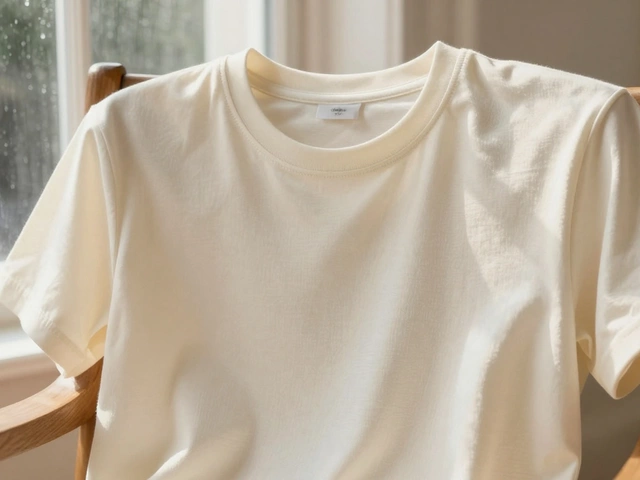
If you're wondering what to put in the "away" bin and what to keep, think about layering. Instead of one heavy piece, use three light ones. Swap your thick wool socks for thin cotton ones. Replace those heavy-duty hoodies with a simple cotton T-shirt and a light cardigan.
For those wearing Summer Dresses, avoid heavy velvets or thick satins. Opt for viscose or linen blends. A linen dress is perfect for a day at the seaside in Howth because it allows air to circulate, keeping you cool even if the humidity rises.
Is denim ever okay for summer in Ireland?
Yes, but choose lightweight denim. Avoid the thick, raw denim usually worn in winter. Light-wash jeans or denim skirts are breathable enough for most Irish summer days, provided they aren't too tight, which can trap heat.
Why is polyester bad for summer?
Polyester is a synthetic plastic-based fabric. Unlike cotton or linen, it doesn't allow air to pass through and doesn't absorb sweat. This creates a greenhouse effect against your skin, making you feel much hotter than the actual air temperature.
Can I wear a light sweater in July?
Absolutely. In Ireland, summer often involves a "drop" in temperature the moment the sun goes behind a cloud. A light cotton knit or a thin cardigan is perfect. Just avoid anything with "thermal" or "heavy wool" in the description.
What's the best fabric for the Irish summer?
Linen is widely considered the best. It's incredibly breathable and dries quickly, which is a lifesaver if you get caught in a sudden Irish rain shower. Cotton is a close second for comfort and versatility.
Should I store my leather jackets?
Generally, yes. Heavy leather is a windbreaker and heat-trapper. Unless it's a very thin lambskin, a leather jacket is usually too warm for a sunny day. Save it for the shoulder seasons like September or May.
Next Steps for Your Wardrobe
If you're not sure where to start, do a "pinch test" on your clothes. If the fabric is thick and doesn't allow any light through when held up to a lamp, it's probably too heavy for summer. Start by moving your parkas, heavy tweeds, and thermals to vacuum-sealed bags to save space.
For those of you moving into a new place or updating your style, look for pieces that can be layered. A simple linen shirt can be worn alone during a heatwave or paired with a light jumper when the evening chill hits. That flexibility is the only way to truly conquer the Irish summer.