Sportswear Price Calculator
Savings Tip:
Compare to similar items in Poland or France where costs are significantly lower due to reduced distribution overhead.
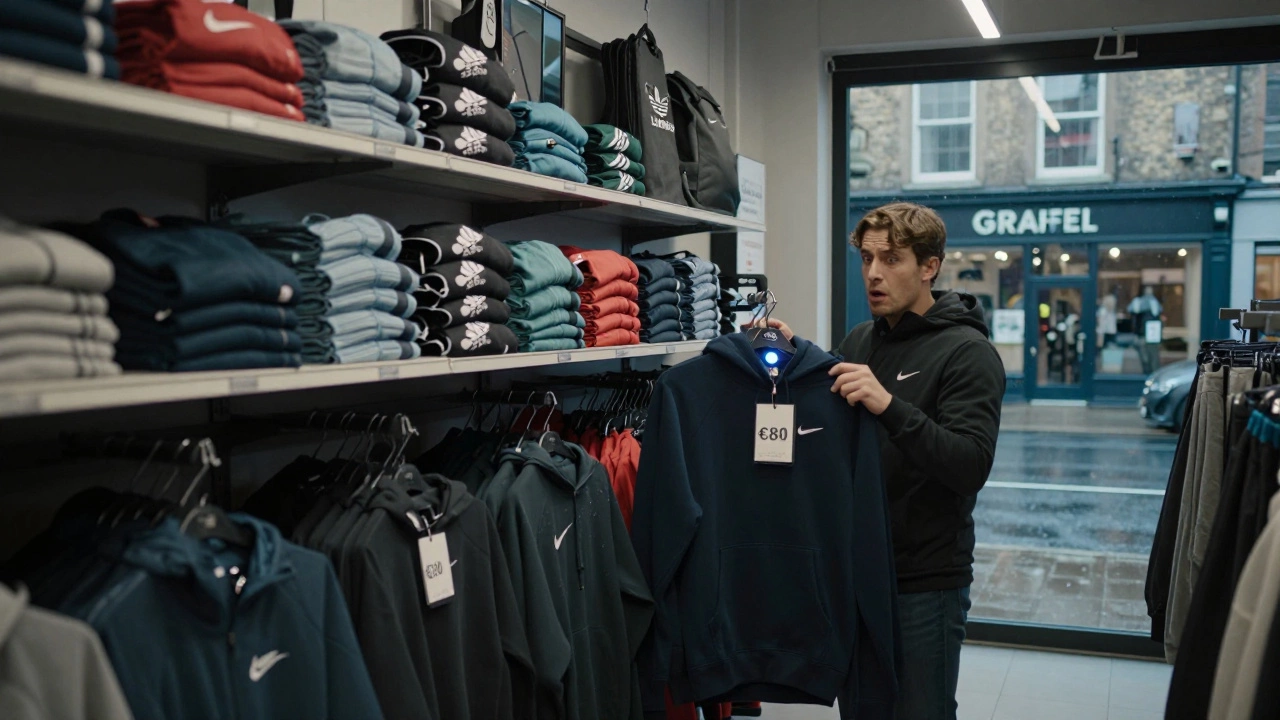
Have you ever looked at the price tag on a pair of running tights or a moisture-wicking hoodie in Ireland and felt like you’d been handed a bill for a small car? You’re not alone. In Dublin, Galway, or even a small town in County Clare, the cost of sportswear can feel wildly out of step with what you’d pay for basic clothing. Why does a simple technical top in Ireland cost €80 when a similar one in a Polish online store lands at €30? The answer isn’t just about branding-it’s about logistics, demand, and the hidden costs of doing business here.
Import Costs and Supply Chain Strain
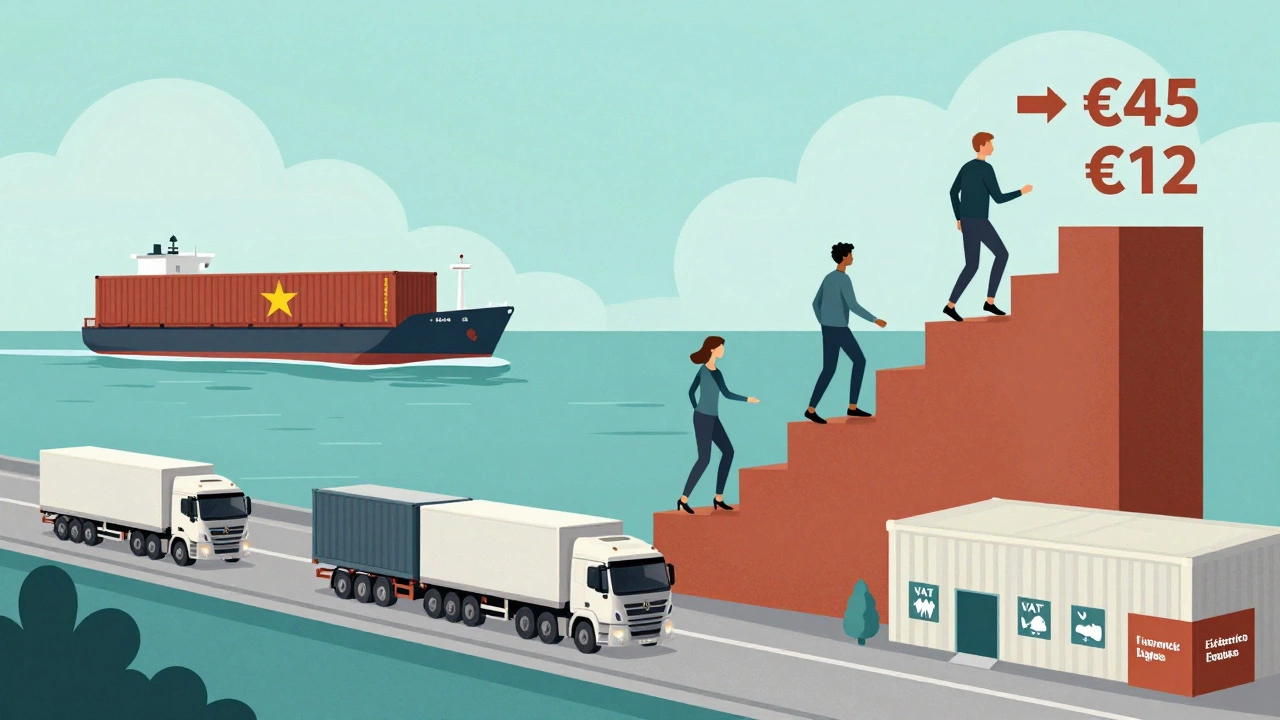
Most sportswear sold in Ireland doesn’t come from local factories. Over 90% is imported, mostly from Southeast Asia, with China, Vietnam, and Bangladesh as top sources. Getting those goods here means crossing the Irish Sea, paying EU import duties, VAT at 23%, and then handling fees from distributors. A pair of leggings that cost €12 to make in Vietnam might hit €45 on the shelf in Ireland after all those middlemen, taxes, and transport fees pile up. Compare that to the UK, where some brands have domestic warehouses and lower VAT rates on sportswear-suddenly, the price gap starts to make sense.
Think about the journey: a container ship docks at Dublin Port, then trucks haul the boxes to logistics hubs in Limerick or Cork. From there, they’re sorted and sent to retailers across the country. That’s not cheap. And when fuel prices spike-as they did in late 2024-those costs get passed on. In Ireland, where the population is spread thin across rural towns and cities, distribution is less efficient than in densely packed countries like Germany or the Netherlands. That inefficiency shows up in your price tag.
Brand Premiums and Local Market Dynamics
When you walk into a store like Decathlon in Dundrum or JD Sports in Limerick, you’re not just buying fabric and stitching. You’re paying for logos, research, and marketing. Brands like Nike, Adidas, and Lululemon spend millions on global campaigns featuring Olympic athletes and Premier League stars. In Ireland, those campaigns are just as visible-on billboards near the M50, on bus shelters in Galway, on Instagram feeds of local fitness influencers. That marketing budget? It’s baked into every item.
And here’s something few people talk about: demand. Ireland has a booming fitness culture. In 2025, over 68% of adults in Ireland reported exercising at least once a week-higher than the EU average. Gyms in Dublin are packed. CrossFit boxes in Cork are full. Trail running in the Wicklow Mountains is a weekend ritual. That demand gives retailers power. They know people will pay more for gear that looks good and works well. So why drop prices? They don’t have to.
There’s also the myth of “quality.” Many Irish shoppers believe that if it’s expensive, it must be better. That’s not always true. A €100 pair of running shorts might have the same seam construction as a €45 pair from a lesser-known brand. But because the big names dominate retail shelves, they set the standard. Even Irish-made brands like Fit Ireland a Dublin-based activewear label founded in 2021 that uses recycled ocean plastics and partners with local gyms have to price high to compete with global giants.
The Role of Retail Space and Operating Costs
Retail space in Ireland isn’t cheap. A small shopfront on Grafton Street in Dublin costs over €100 per square foot per year. Even in smaller towns like Sligo or Ennis, rent has climbed 18% since 2022. These costs don’t just affect fashion stores-they hit sportswear retailers too. That €80 hoodie? Part of that price covers the rent for the display rack it sits on.
Staffing is another factor. Irish minimum wage is €12.70/hour (as of 2026), one of the highest in Europe. A sales assistant in a Decathlon store in Ballincollig isn’t just stacking shelves-they’re helping customers choose the right size, explaining moisture-wicking tech, and answering questions about sustainability. That service adds value, but it also adds cost.
Compare that to online-only brands like Gymshark or even smaller Irish direct-to-consumer brands like Clare Active a County Clare-based brand that sells running gear through its website and sponsors local 5K races. They skip the physical store entirely and pass savings to customers. That’s why many Irish runners now order from websites based in the UK or EU mainland.
Why Irish Brands Struggle to Compete on Price
You might think, “Why not just buy local?” But manufacturing sportswear in Ireland is nearly impossible at scale. The cost of cotton, dye, and labor here is too high. Even if a company like Connacht Gear a small Galway-based startup that produces sustainable activewear using Irish wool blends wanted to make a hoodie in Ballinasloe, the raw materials alone would cost double what they’d pay in Bangladesh.
Plus, Ireland’s small population-just over five million-means economies of scale are hard to achieve. A brand making 10,000 units here won’t get the same per-unit savings as a brand making 500,000 in Poland. So Irish-made sportswear often costs €100+ because it’s made in tiny batches, using ethical labor, and shipped from a single warehouse in County Mayo.
How to Save Money Without Sacrificing Quality
Here’s the good news: you don’t have to overpay. Many Irish shoppers already know this. Here’s what works:
- Buy off-season. Retailers in Ireland clear out winter gear in April and summer gear in October. A €120 jacket might drop to €45. Set a reminder in your phone.
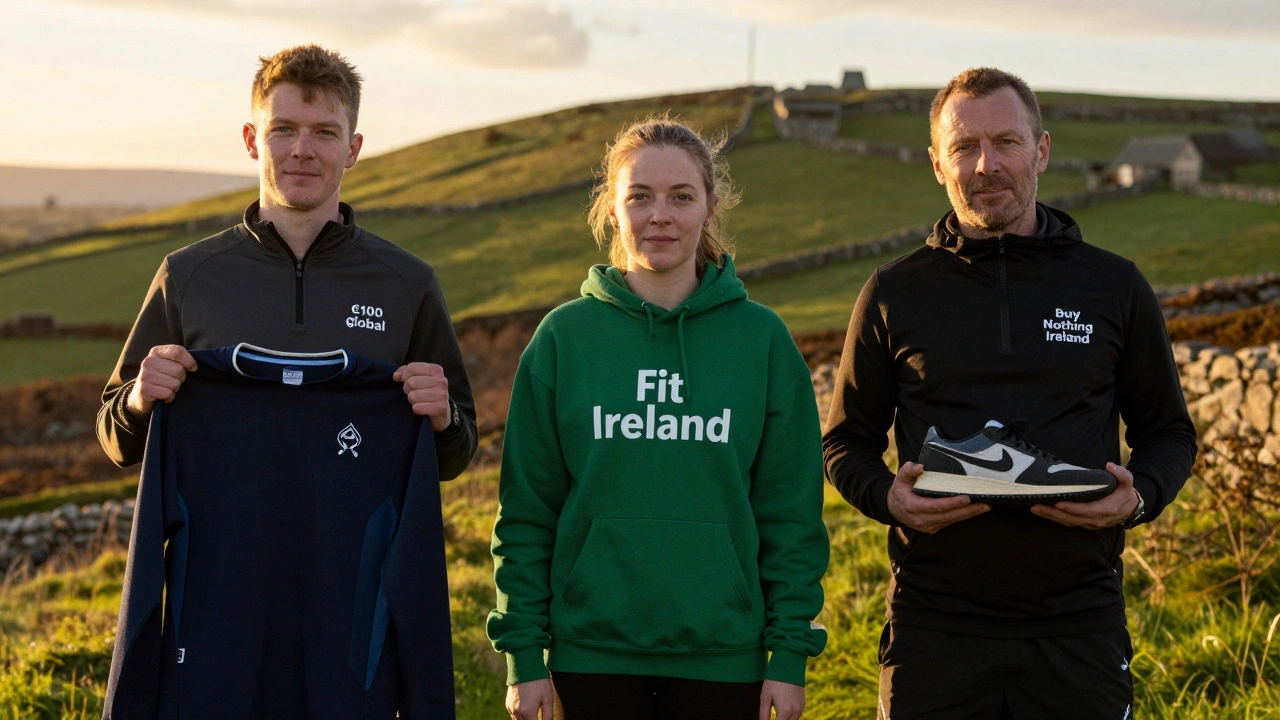
- Shop secondhand. Apps like Buy Nothing Ireland and Facebook groups for Galway runners or Dublin gym communities have thousands of barely worn items. A pair of Nike running shoes from 2023? Often €20.
- Look to EU retailers. Websites like Decathlon’s French or Polish sites ship to Ireland with low fees. A €35 pair of leggings from Decathlon Poland arrives in 5 days.
- Support Irish startups. Brands like Sligo Sport a County Sligo-based brand that uses recycled polyester and donates 10% of profits to local youth sports clubs offer quality gear at 30% less than global brands, because they cut out the middlemen.
And don’t forget the Irish weather. You don’t need a €150 waterproof jacket if you’re just running through a drizzle in Limerick. A €40 windproof layer from a local outdoor shop will do just fine.
What’s Changing in 2026?
There are signs of change. The Irish government introduced a new tax incentive in January 2025 for companies that manufacture sportswear locally using sustainable materials. A few small factories in Waterford and Kilkenny are now making base layers for Irish brands. Online marketplaces like IrishActive.ie are connecting consumers directly with makers in Cork and Donegal.
And consumers are waking up. Social media is full of Irish runners comparing prices, sharing hauls from Polish sites, and calling out inflated retail margins. The tide is turning-not because of legislation, but because people are asking: “Why am I paying this much?”
The truth? Sportswear isn’t expensive because it’s high-tech. It’s expensive because the system is built to keep it that way. But in Ireland, where community, practicality, and a bit of cheeky skepticism run deep, more people are choosing to shop smarter.