Leather Shoe Rotation & Lifespan Estimator
Enter your shoe details to see the potential savings in lifespan and comfort when adopting a rotation strategy.
Your Shoe Profile
Estimated Impact
Enter your details to calculate the benefits of rotation.
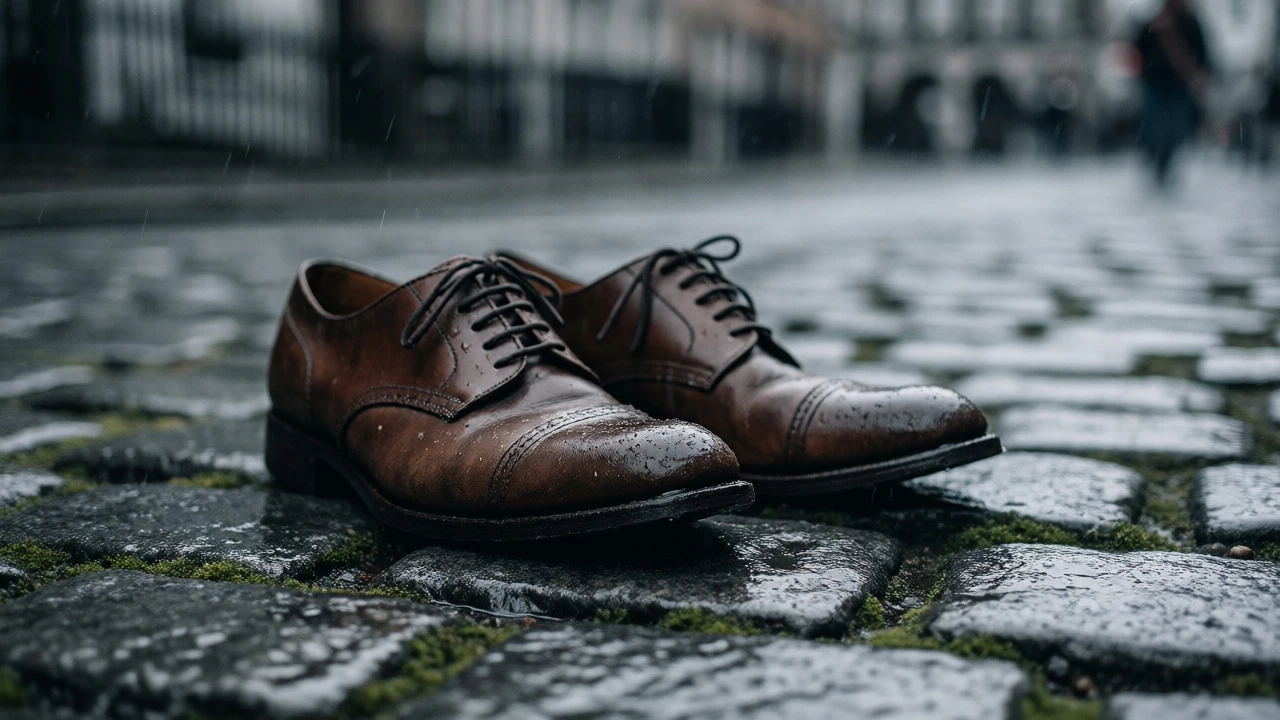
If you’re walking around Dublin’s cobbled streets or commuting through the damp chill of Cork, you’ve probably wondered if it’s okay to wear your favourite pair of leather shoes a type of footwear made from animal hide that is durable but requires specific maintenance two days in a row. It’s tempting, especially when you find a comfortable pair that fits perfectly. But here’s the hard truth: wearing the same leather shoes on consecutive days is bad for your feet and even worse for your shoes. In Ireland, where rain is practically a seasonal constant and humidity levels stay high year-round, this rule matters more than in drier climates.
The Science of Moisture and Material
Your feet produce sweat. On average, each foot has about 250,000 sweat glands, producing up to half a pint of moisture per day. When you wear closed-toe leather shoes, that moisture gets trapped. Leather is a natural material, which means it’s porous. It absorbs sweat like a sponge. If you wear them again before they dry out completely, you’re essentially putting wet socks on your feet.
In Ireland, the ambient humidity doesn’t help. Our maritime climate keeps the air moist, slowing down the evaporation process inside the shoe. A pair of oxfords worn in Galway might take 24 hours just to reach a "dry enough" state. Wearing them again at hour 18 means you’re trapping bacteria and fungi in a warm, damp environment. This isn’t just uncomfortable; it’s a recipe for athlete’s foot and blisters.
Extending the Life of Your Investment
Leather shoes are an investment. Whether you bought them from a local cobbler in Limerick or picked up a premium pair from Brown Thomas, you want them to last. Constant flexing without rest causes the leather to break down faster. The fibers need time to relax and return to their original shape.
Think of it like a muscle. If you run a marathon every single day without rest, you’ll get injured. Same with your shoes. The midsole materials (often foam or cork) compress under weight. They need downtime to expand back to full volume. If you skip the rest day, the cushioning collapses permanently. Your $200 shoes start feeling like $20 shoes within six months instead of lasting five years.
| Factor | Consecutive Wear | With 24-Hour Rest |
|---|---|---|
| Drying Time | Incomplete (moisture remains) | Complete (internal humidity drops) |
| Odor Control | Bacterial growth increases | Bacteria die off naturally |
| Shape Retention | Creases deepen rapidly | Fibers relax and recover |
| Lifespan | Reduced by ~30% | Maximized potential |
Ireland’s Weather Demands a Strategy
Let’s be real: you can’t avoid rain in Ireland. From the Atlantic winds hitting Kerry to the drizzle in Belfast, your shoes will get wet. If you only have one good pair of leather boots, you’re fighting a losing battle against mold and warped soles.
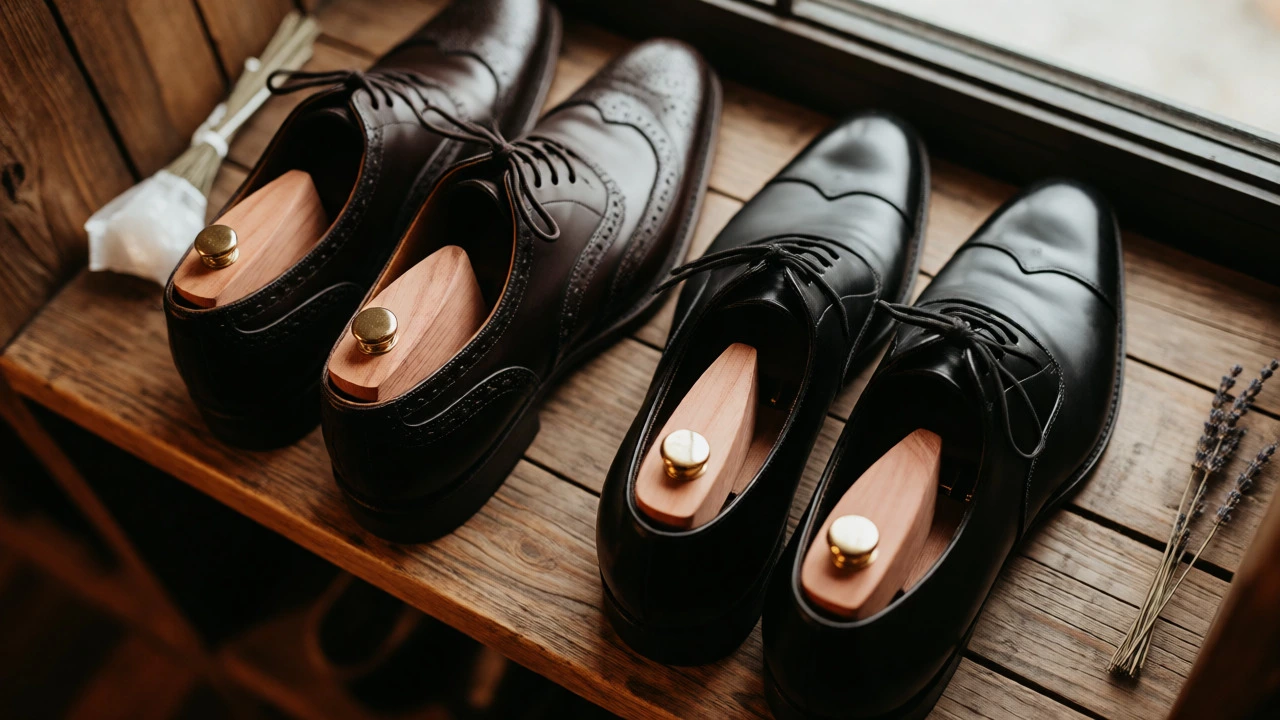
The solution isn’t expensive; it’s organizational. You don’t need ten pairs of shoes. You need two. Rotate between them. Monday, Wednesday, Friday for Pair A. Tuesday, Thursday for Pair B. This gives each pair at least 24 hours to air out. If you live in a particularly damp area like Westport or Dingle, consider extending this to 48 hours during winter months. Use cedar shoe trees. They absorb residual moisture and help maintain the toe box shape. You can find quality cedar trees in most haberdasheries across the country, or order online from Irish retailers like Clarks or Hackett London.
Health Risks You Can Avoid
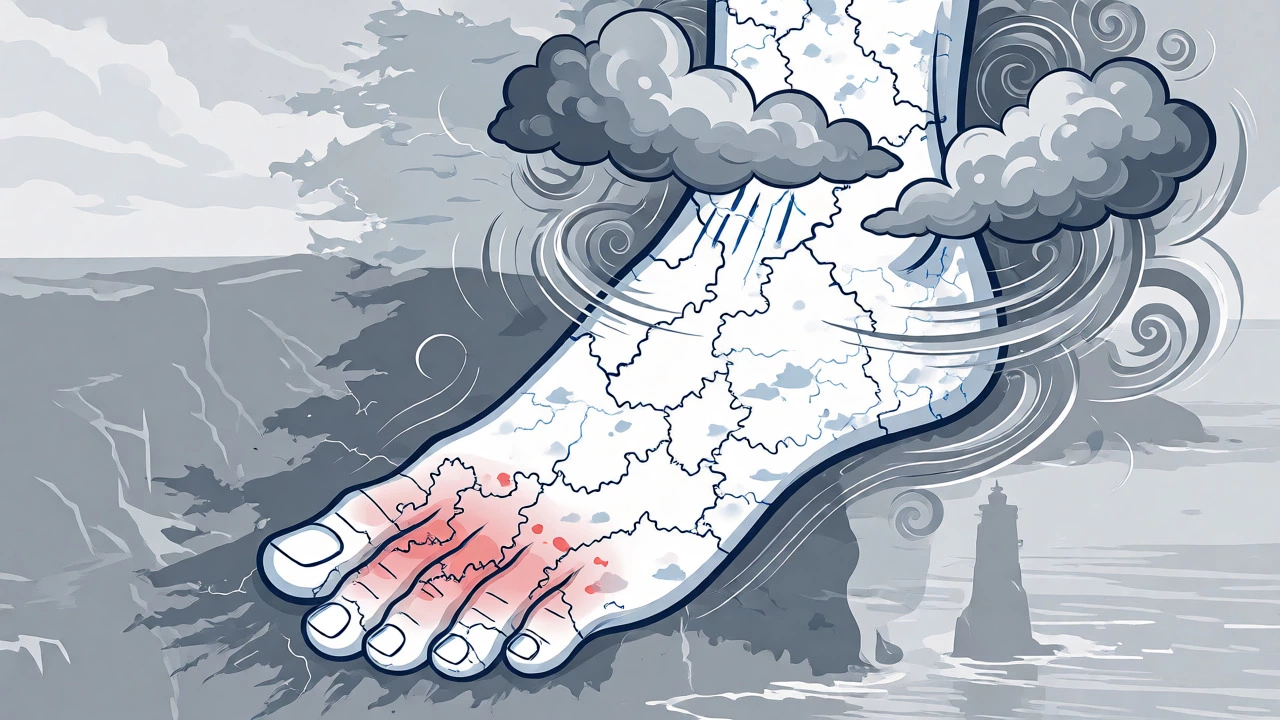
Ignoring rotation leads to more than just smelly shoes. Fungal infections thrive in dark, moist environments. Athlete’s foot (tinea pedis) is common among people who don’t let their feet breathe. Symptoms include itching, scaling, and cracking skin between toes. Once you have it, it’s stubborn to treat.
Blisters are another issue. Wet leather rubs differently than dry leather. It becomes softer and more abrasive in certain spots. By rotating shoes, you allow the lining to stiffen slightly, reducing friction points. For those with sensitive skin or conditions like eczema, this simple habit can prevent flare-ups triggered by bacterial buildup.
Practical Tips for Irish Commuters
If you commute via Luas in Dublin or train in Cork, you’re likely carrying bags or dealing with crowded spaces. Here’s how to manage rotation without hassle:
- Keep spare shoes at work: If space allows, store a second pair under your desk. Change into them upon arrival. This lets your morning shoes air out while you work.
- Use silica gel packets: Toss a few in each shoe overnight. They’re cheap and effective at pulling out moisture.
- Avoid plastic bags: Never store wet shoes in plastic. Leather needs to breathe. Use cotton dust bags or open shelves.
- Clean immediately: If you step in a puddle near St. Stephen’s Green, wipe the shoes with a damp cloth as soon as you get home. Don’t let mud dry on the leather.
What About Synthetic Materials?
You might think synthetic shoes solve this problem. They don’t. While synthetics don’t absorb water like leather, they trap heat more efficiently. Sweat stays on the surface of your skin rather than being wicked away. This creates a similar humid microclimate. The principle of rotation applies to all closed-toe footwear, regardless of material. However, leather does offer better long-term durability if cared for properly, making the extra effort worthwhile.
When Is It Okay to Break the Rule?
Are there exceptions? Sure. If you’re traveling and have limited luggage space, wearing the same shoes for two days won’t kill you. Just stuff them with newspaper overnight to absorb moisture. Or if you have waterproof lined leather boots designed for heavy rain, they may handle consecutive wear better due to internal membranes. But for daily office wear or casual outings, stick to the rotation. Your future self-and your wallet-will thank you.
Living in Ireland means adapting to our elements. We dress for rain, we plan for wind, and we should care for our shoes accordingly. Treating your leather shoes like a living part of your wardrobe, not just an object, pays dividends in comfort and longevity. So next time you’re tempted to slip into yesterday’s loafers, remember: give them a day off. Your feet deserve the respect.
How long do leather shoes need to dry after getting wet?
In Ireland's humid climate, wet leather shoes typically need 24 to 48 hours to dry completely. Using cedar shoe trees and placing them in a well-ventilated room (not near direct heat sources like radiators) speeds up the process and prevents warping.
Can I wear the same leather shoes two days in a row if they are waterproof?
Waterproof linings keep external water out, but they also trap internal sweat. Even waterproof leather shoes benefit from a 24-hour rest period to allow internal moisture from perspiration to evaporate, preventing odor and fungal growth.
Do shoe trees really help extend the life of my shoes?
Yes, especially cedar shoe trees. They absorb moisture from the interior, reduce odors, and help maintain the shoe's shape by pushing out creases formed during walking. This significantly extends the lifespan of quality leather footwear.
Is it bad for my feet to wear the same shoes every day?
Yes. Consistent pressure on the same areas of your feet without variation can lead to overuse injuries, blisters, and fungal infections. Rotating shoes changes the pressure points slightly, giving different parts of your foot relief.
How many pairs of shoes do I actually need?
For most people, three pairs cover all bases: one for formal/office wear, one for casual/daily use, and one for bad weather or sports. This ensures no pair is worn more than twice a week, allowing adequate drying time.