Irish Summer Denim Comfort Calculator
Find out if your favorite pair of jeans is too hot for today's forecast.
Calculate Your Score
Adjust the sliders and select options to see how comfortable your outfit will be.
Quick Tips for This Scenario
- Select inputs to generate specific advice.
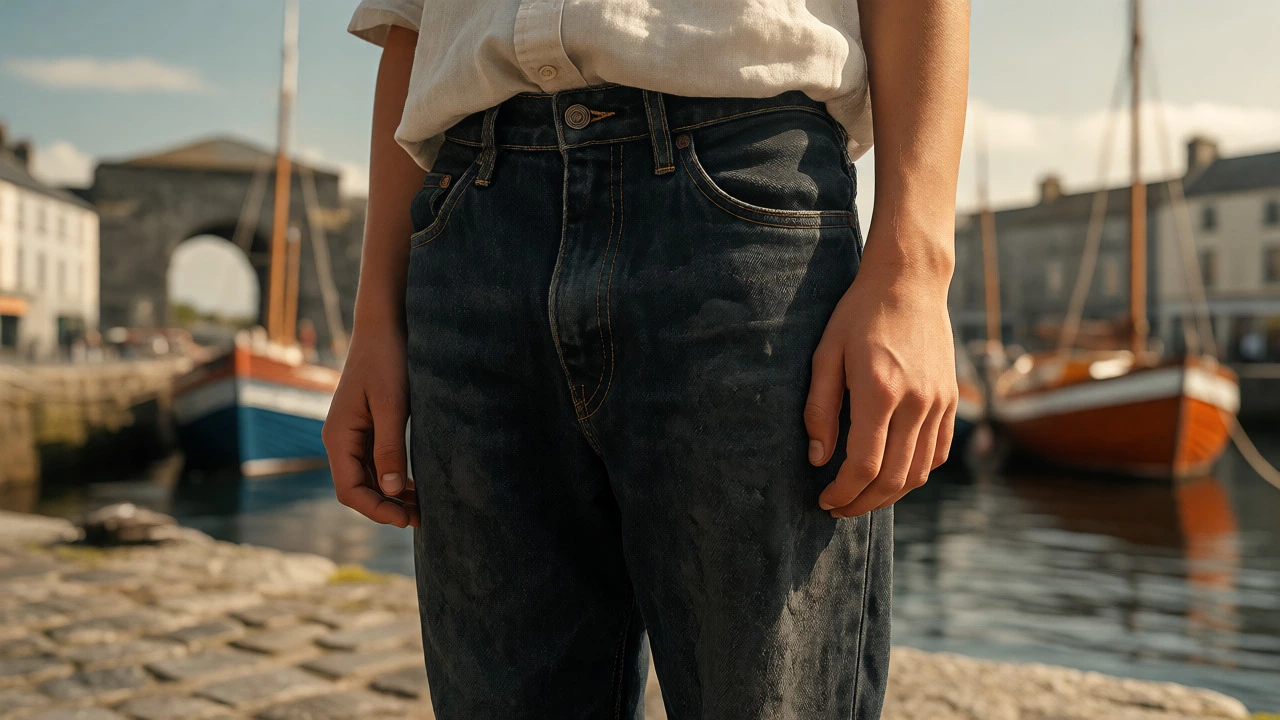
Standing on the Quays in Galway during a rare July heatwave, you can feel the humidity clinging to your skin. It’s 25 degrees Celsius, maybe pushing closer to 30 if the sun is unobstructed by those famous grey clouds. You’re wearing your favorite pair of dark wash jeans. Five minutes later, you regret it. The question isn't just about comfort; it's about whether traditional denim belongs in an Irish summer at all. For years, we’ve treated jeans as year-round staples because our climate rarely gets truly tropical. But as summers get warmer and more unpredictable, the old rules are breaking down. If you’re wondering if you should pack the denim or leave it in the drawer, the answer depends less on the temperature alone and more on what kind of denim you’re wearing and where you’re going.
The short answer? Yes, heavy denim is often too hot for high-temperature days in Ireland, but not all jeans are created equal. Denim is a cotton twill fabric that traps heat due to its density and lack of breathability compared to linen or lightweight cotton. However, modern manufacturing has introduced lighter weights and stretch blends that change the equation entirely.
Understanding Why Denim Feels Different
Think about why you wear a coat in winter. It’s about insulation. Traditional jeans, typically weighing between 12oz and 14oz per square yard, act like a mild insulator. In Dublin traffic or while waiting for a Luas tram in Salthill, that extra layer becomes a burden. Cotton absorbs moisture-sweat-but holds onto it. Unlike synthetic performance fabrics that wick sweat away, cotton stays damp against your skin. This creates that clammy, uncomfortable feeling known as 'swamp crotch' or general leg stickiness. When the humidity spikes, which happens frequently along the Wild Atlantic Way, evaporation slows down. Your body tries to cool itself, but the fabric prevents the air from circulating close to your skin. It’s physics, not just fashion preference.
But here is the nuance: not every pair of jeans behaves this way. A skinny fit made of rigid, non-stretch denim will feel significantly hotter than a relaxed-fit jean with elastane. The fit matters as much as the material. Tight garments restrict airflow, creating a microclimate around your legs that heats up rapidly. Loose fits allow air to move, providing a natural cooling effect even if the fabric itself is still denim.
The Rise of Lightweight Denim
If you love the look of jeans but hate the heat, look for specific tags. Manufacturers now produce "summer weight" denim, often ranging from 6oz to 9oz. These fabrics are thinner, allowing more light and air to pass through. Brands popular in Irish stores, from Penneys (Primark) to independent boutiques in Cork’s English Market area, have started stocking these specifically for the May-to-August window.
- Check the Weight: Look for descriptions mentioning "lightweight," "airy," or specific ounce counts under 10oz.
- Look for Open Weaves: Some denim is woven loosely, creating tiny gaps that improve ventilation.
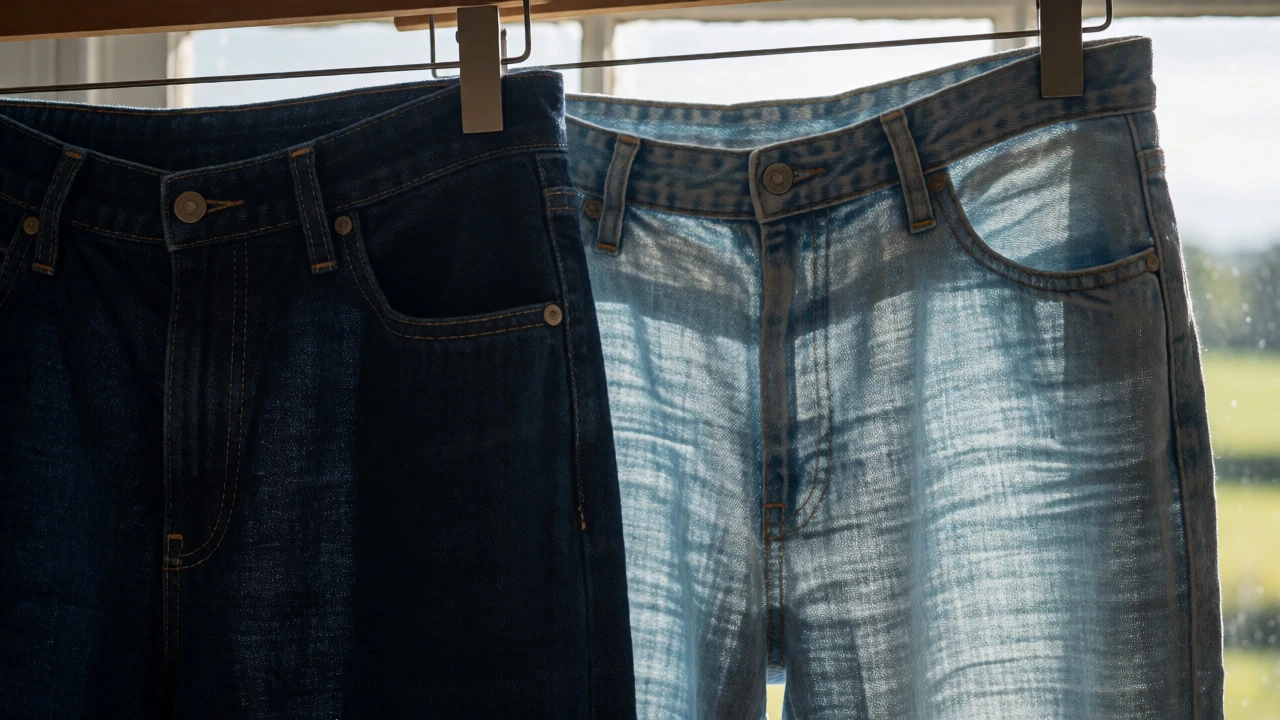
- Avoid Heavy Indigo: Dark dyes absorb more solar radiation. Lighter washes reflect sunlight better, keeping you cooler.
I remember buying a pair of "air-weight" jeans from a local tailor in Galway last August. They looked like standard blue jeans but felt almost like thick trousers. Wearing them to a festival in Clonmel was a game-changer. I didn’t miss the dress, yet I maintained the casual aesthetic I prefer.
When to Switch to Summer Dresses
This is where the comparison with summer dresses becomes relevant. While this article focuses on jeans, it’s impossible to ignore their main competitor for women’s wardrobes in warm weather. Dresses, particularly those made from linen, viscose, or thin cotton, offer superior breathability. They don’t cling to the legs, and they cover less surface area near the ankles, where heat tends to escape.
In Ireland, cultural norms around dressing have shifted. Ten years ago, seeing someone in shorts or a sleeveless top on a sunny day might have drawn stares in rural areas. Now, especially in cities like Dublin, Limerick, and Galway, practicality wins. If the forecast predicts over 25°C, many locals instinctively reach for linen shirts or sundresses. Jeans become the exception, reserved for evenings when temperatures drop-a common occurrence in our maritime climate.
Practical Tips for Surviving Heat in Jeans
If you must wear jeans-perhaps for work where dress codes are strict, or for a night out where dresses feel impractical-you can mitigate the discomfort. Here is how to hack your denim for hot days:
- Roll the Cuffs: Exposing your ankles allows heat to escape. It also looks stylish and works well with sneakers or loafers. In coastal towns like Lahinch or Bundoran, this is already a common sight among surfers and locals alike.
- Choose Stretch Blends: Denim with 2-3% elastane or spandex moves with your body rather than restricting it. This reduces friction and allows slight air gaps to form as you walk.
- Wear Breathable Underlayers: Avoid synthetic underwear. Stick to cotton or bamboo blends that manage moisture better. The layer next to your skin determines much of your comfort level.
- Time Your Wear: Save the heavy denim for early mornings or late evenings. During peak heat hours (usually 2 PM to 5 PM), switch to lighter alternatives if possible.
Comparing Fabric Choices for Irish Summers
To help you decide what to pack for the next warm spell, here is a breakdown of common lower-body options available in the Irish market. Note that availability varies by retailer, but these categories are consistent across major chains like Brown Thomas, Arnotts, and online Irish retailers.
| Fabric Type | Breathability | Durability | Best For |
|---|---|---|---|
| Traditional Denim (12oz+) | Low | High | Cool evenings, rainy days |
| Lightweight Denim (6-9oz) | Medium | Medium | Mild summer days, office wear |
| Linen Trousers | Very High | Low | Heatwaves, beach trips |
| Cotton Chinos | Medium-High | Medium | Casual Fridays, city walks |
| Synthetics (Polyester) | Variable | High | Avoid unless moisture-wicking tech |

The Cultural Shift in Irish Fashion
We used to pride ourselves on enduring the cold. Layering up was a badge of honor. But as global temperatures rise, so does our expectation for comfort. In urban centers, there is a growing acceptance of "smart casual" attire that prioritizes function. You’ll see fewer people in full suits and more in chinos or lightweight denim paired with blazers. This shift isn’t just about vanity; it’s about adapting to a changing environment. The Irish meteorological service (Met Éireann) has noted increasing frequency of heat alerts. Adapting your wardrobe is a practical response to these new realities.
Tourists visiting the Aran Islands or hiking the Burren often ask locals what to wear. The advice is always layered: start light, add layers only when needed. Jeans are the middle ground-too warm for midday hikes, perfect for the pub afterwards. Understanding this rhythm is key to dressing well without overheating.
Final Verdict: Keep Them, But Choose Wisely
So, are jeans too hot for 90 degrees Fahrenheit (approx. 32°C)? Absolutely. Are they too hot for 75°F (24°C)? Not necessarily, if you pick the right pair. In Ireland, we rarely hit extreme highs, but the humidity makes moderate temps feel oppressive. Treat heavy denim as a transitional piece, not a summer staple. Invest in one or two pairs of lightweight, light-colored jeans for those unexpected sunny spells. Pair them with breathable tops and comfortable shoes. And when the sun really beats down on the Cliffs of Moher, don’t hesitate to swap them for a breezy dress or shorts. Comfort is the ultimate style statement.
What is the coolest type of jeans to wear in summer?
The coolest jeans are those labeled "lightweight" or "summer weight," typically under 10oz in thickness. Look for open-weave denim or blends with high cotton content and minimal synthetic fibers. Lighter colors also reflect heat better than dark indigo.
Is linen better than jeans for hot weather in Ireland?
Yes, generally speaking. Linen allows for maximum airflow and dries quickly if you sweat. However, linen wrinkles easily and may not be suitable for formal settings. Jeans offer more structure and durability, making them better for work environments where appearance matters more than pure comfort.
Can I wear jeans to festivals in Ireland during summer?
It depends on the weather forecast. For events like Electric Picnic or Galway Arts Festival, check the daily prediction. If rain is expected, jeans are excellent for protection and warmth. If it’s a heatwave, lightweight shorts or skirts are often more comfortable. Many attendees bring both options.
Do dark jeans make you hotter than light jeans?
Yes, dark colors absorb more solar radiation, converting it into heat. Light washes or white denim reflect sunlight, helping to keep your body temperature lower. This difference is most noticeable in direct sunlight, such as on a boat trip or outdoor terrace.
How do I prevent jeans from smelling bad in hot weather?
Cotton denim holds odor-causing bacteria when damp with sweat. To prevent smells, wear breathable underwear, avoid wearing the same pair multiple days in a row during heatwaves, and air them out thoroughly after each wear. Washing too frequently damages the fabric, so spot cleaning and airing are preferred.