Indoor Footwear Etiquette Checker
Select your scenario below to see the correct cultural response regarding footwear.
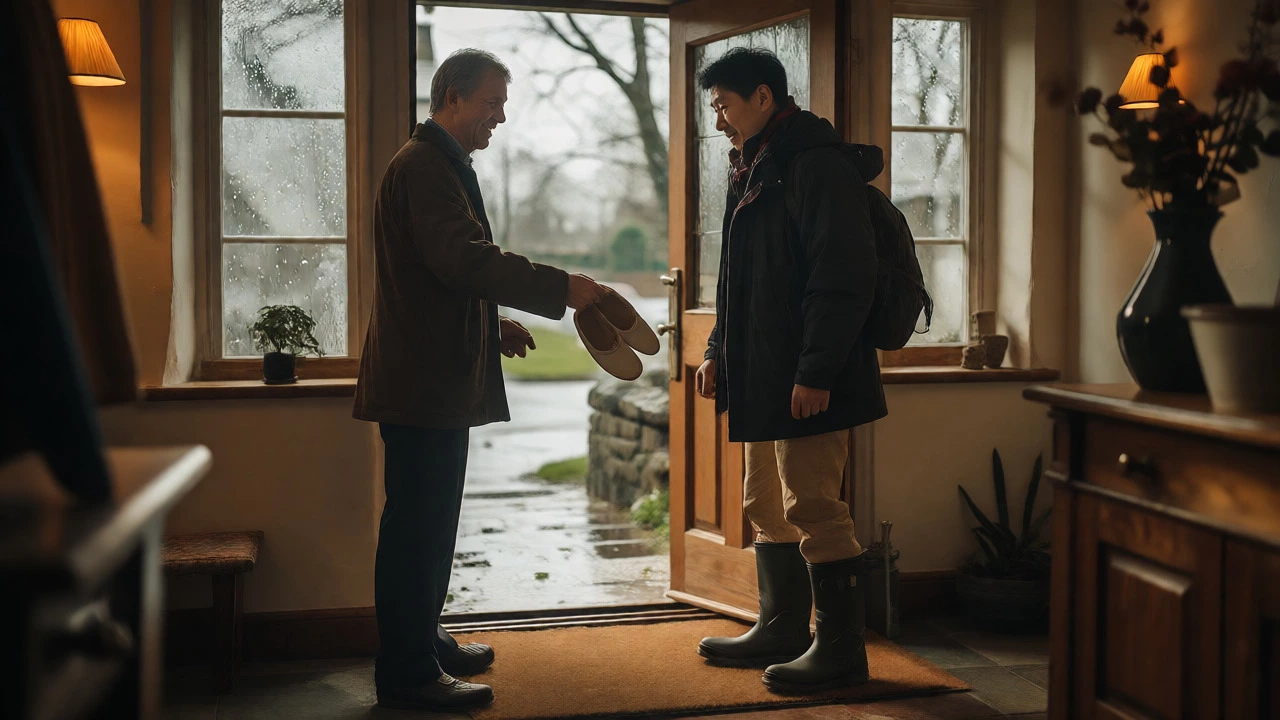
Hosting at Home (Ireland)
You are welcoming Chinese guests into your Irish home.Visiting a Beijing Apartment
You are invited to a traditional family home in winter.Business Meeting in Shenzhen
Meeting in a modern corporate office building.Traditional Teahouse
Private room with tatami-style seating.If you have ever hosted a Chinese friend or colleague in your home in Ireland, you might have noticed them hesitate at the door. They aren't being shy; they are navigating a strict cultural rule that many Westerners overlook. The short answer to "Do Chinese people not wear shoes in the house?" is yes, absolutely. But it’s more nuanced than just leaving them at the threshold. In China, the concept of indoor cleanliness is deeply tied to health and respect, and this often extends to wearing specific indoor slippers rather than walking barefoot or in socks alone.
For those of us living here, from the damp streets of Dublin to the rural quiet of Galway, our own relationship with indoor footwear is complicated by our weather. We track mud, rain, and peat into our homes constantly. So, when we host guests from cultures with different hygiene standards, things can get awkward. This guide breaks down exactly what happens behind the closed doors of a Chinese household, why slippers are non-negotiable, and how you can navigate these interactions smoothly whether you’re visiting Beijing or hosting a delegate in Cork.
The Core Rule: No Outdoor Shoes Indoors
In most parts of East Asia, including China, Japan, and Korea, outdoor shoes are considered dirty. They carry bacteria, street grime, and bad luck (in some traditional beliefs) into the private sanctuary of the home. Unlike in many Western countries where people might walk across a carpet in trainers, a Chinese family will remove their shoes before stepping onto the tiled or wooden floor of their living room. This isn't just about keeping the floors clean; it's a sign of respect for the host and the space itself.
But here is the twist that often confuses visitors: they don’t usually go barefoot. Walking around in socks on a cold tile floor is uncomfortable and, frankly, seen as slightly informal or even unhygienic if you’ve been outside. Instead, the standard practice is to switch into dedicated indoor slippers. These are distinct from the fluffy bedroom slippers you might see in a luxury hotel in Kerry. They are practical, often rubber-soled, and kept specifically for use inside the apartment.
Why Slippers Are Essential in Chinese Homes
You might wonder, "Why not just wear socks?" There are a few practical reasons rooted in daily life in Chinese cities. First, climate control varies wildly. While modern apartments in Shanghai or Guangzhou have heating, older buildings or transitional seasons can leave floors freezing. Socks offer little insulation against cold tiles. Second, slipper culture provides a barrier between your feet and the floor. Even if a home looks spotless, there’s a psychological comfort in knowing you aren't touching the surface directly with your skin or thin fabric.
Furthermore, slippers serve a social function. When you enter a Chinese home, the host will almost always provide a pair of spare slippers. Refusing them can be interpreted as rejecting their hospitality. It’s similar to refusing a cup of tea offered by an Irish grandmother-it creates a small, unnecessary rift in rapport. The slippers provided are often simple, plastic, or foam slides. Don’t expect designer brands unless you are in a very high-end residence. They are utilitarian tools for maintaining the boundary between the 'outside world' and the 'inside peace'.
Cultural Nuances: Barefoot vs. Socks vs. Slippers
It is worth noting that attitudes are shifting among younger generations in urban centers like Shenzhen or Hangzhou. Some young professionals, influenced by global trends, might be more relaxed about walking in thick woolen socks. However, relying on this assumption is risky. If you are unsure, always assume the slipper rule applies. Here is a quick breakdown of what is acceptable:
- Outdoor Shoes: Never worn indoors. Always removed at the entrance.
- Bare Feet: Generally avoided in formal settings or with elders. Can be seen as too casual or vulnerable.
- Socks: Acceptable if they are clean and dry, but slippers are preferred for warmth and hygiene.
- Indoor Slippers: The gold standard. Provided by the host or brought by the guest.
There is also a hierarchy to these slippers. You might notice that the host wears nicer, perhaps leather-trimmed slippers, while guests are given basic plastic ones. Do not take offense. This isn't a slight; it’s simply practicality. Guest slippers need to withstand various foot sizes and frequent washing. If you are invited over, bring your own pair of comfortable, easy-to-remove slippers if you have sensitive feet or prefer specific support. It shows thoughtfulness and ensures your comfort without burdening the host.
Hosting Chinese Guests in Ireland: Practical Tips
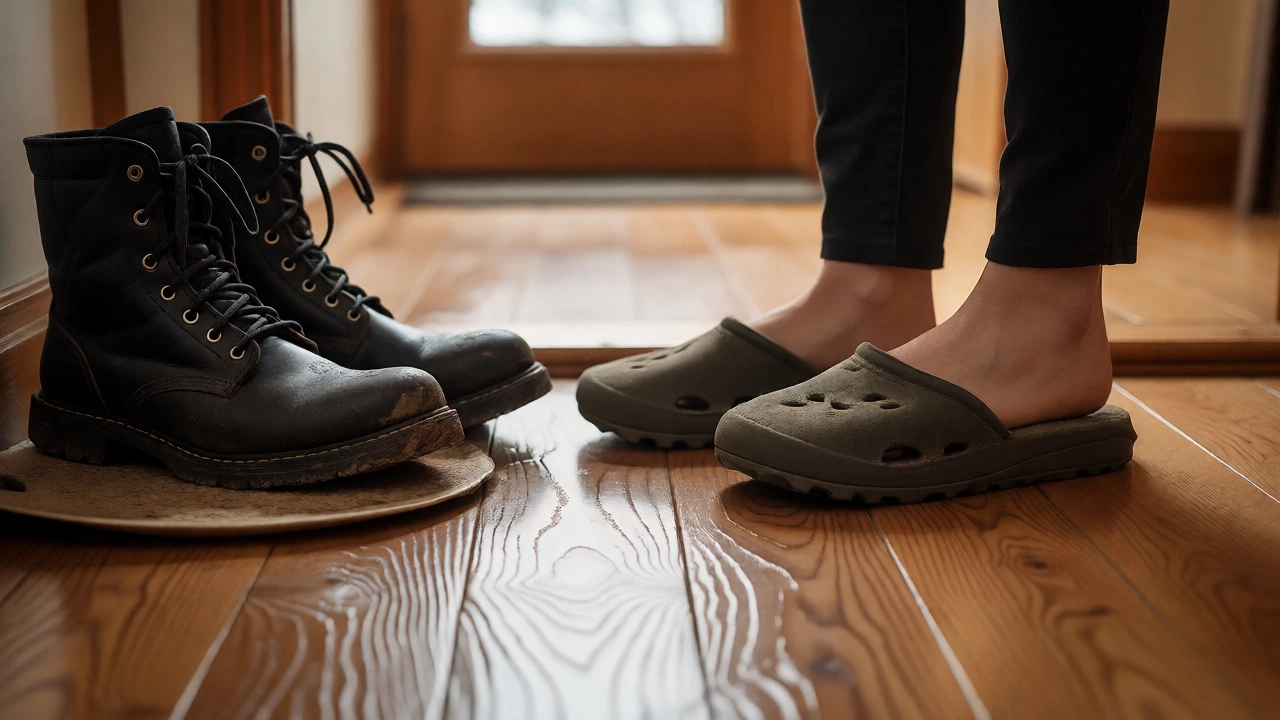
Living in Ireland means dealing with rain. Lots of it. If you are hosting Chinese colleagues or friends, you need to manage the transition from wet outdoor boots to indoor comfort carefully. Here is how to handle it like a pro:
- Create a Dry Zone: Place a sturdy mat or tray near the door. Chinese guests will appreciate having a place to stand while changing shoes so they don’t drip water onto the clean floor. In Galway, where the wind can blow rain sideways, a covered porch area is a huge plus.
- Offer Slippers Proactively: Have a basket of clean, new-looking slippers ready. Avoid used ones unless you are extremely close friends. In China, sharing personal items like worn slippers can feel intimate or unsanitary depending on the level of closeness.
- Check Floor Temperature: If your home has underfloor heating, mention it! Chinese guests will be delighted. If you have cold stone floors, consider laying down rugs in key areas or offering thicker slippers. Nothing kills a vibe faster than freezing toes during a polite conversation.
- Respect the Boundary: Once shoes are off, try not to wear heavy boots back inside later in the evening. If you need to step out to check the mail, take them off again upon re-entry. Consistency reinforces respect for their customs.
Irish hospitality is famous for its warmth, but adapting these small details goes a long way. It signals that you understand and value their background, turning a simple dinner into a memorable cultural exchange.
Regional Differences Within China
China is vast, and habits vary by region. In northern cities like Beijing, winters are harsh, and homes are well-heated. Indoor slippers are often thick and fleece-lined to keep feet warm. In southern regions like Guangdong, where humidity is high and winters mild, slippers are lighter, often made of breathable mesh or plastic. If you are traveling within China, observe what locals do. In rural villages, you might see people wearing rubber sandals indoors, which would look odd in a city apartment but is perfectly normal in a farm setting.
Also, consider the type of housing. In high-rise apartments, noise reduction is a concern. Soft-soled slippers prevent thumping noises that disturb neighbors below. This is less of an issue in detached houses in the Irish countryside, but it’s a good reminder that indoor footwear choices often serve multiple community-oriented purposes beyond just personal comfort.
What About Business Settings?
This rule mostly applies to private homes. In business hotels, conference centers, or offices in China, you typically wear your regular office shoes. However, if a meeting moves to a traditional teahouse or a private dining room with tatami-style seating, you may be asked to remove shoes. Always watch your host. If they start unbuckling their loafers, follow suit immediately. Being caught with shoes on in a no-shoes zone is one of the most common faux pas for foreign business travelers.
For Irish expats working in tech hubs like Shenzhen, learning this code is part of professional integration. It shows attention to detail and respect for local protocols, which can subtly boost your credibility with local partners.
Frequently Asked Questions
Is it rude to wear shoes in a Chinese home?
Yes, it is generally considered rude and unhygienic to wear outdoor shoes inside a Chinese home. It suggests you do not respect the cleanliness of the host's space. Always remove them at the door unless explicitly told otherwise.
Should I wear socks or slippers if no slippers are provided?
If no slippers are offered, clean socks are better than bare feet. However, it is polite to ask if you should put on slippers. Bringing your own pair is a safe and appreciated strategy.
Are Chinese indoor slippers different from Western ones?
They are often simpler and more utilitarian. While Western slippers might focus on style or plush comfort, Chinese indoor slippers prioritize ease of cleaning, durability, and temperature regulation. They are rarely decorative.
Do all Chinese people follow this rule?
Most do, especially in traditional households and among older generations. Younger, urban dwellers may be more flexible, particularly if they live in westernized apartments, but the default expectation remains shoe-free indoors.
How should I handle muddy Irish rain when hosting Chinese guests?
Provide a large, absorbent mat at the entrance and ensure the path to the living area is dry. Offer waterproof boot trays if necessary. Having a dedicated 'wet zone' helps guests change comfortably without tracking mud further into the house.
Final Thoughts for Irish Hosts and Travelers
Navigating cross-cultural etiquette doesn't require memorizing a textbook. It starts with observation and a willingness to adapt. For Irish readers, understanding the significance of indoor slippers in Chinese culture transforms a potential awkward moment into a gesture of goodwill. Whether you are sipping tea in a Beijing hutong or serving stew in a cottage in Donegal, respecting the shoe rule shows you care about your guest's comfort and values.
Next time you pack for a trip to Asia, toss in a lightweight pair of foldable slippers. And next time you host international friends in Ireland, set out a fresh pair of clean slippers by the door. It’s a small act, but in the world of international relations, small acts build big bridges.