Sportswear & Athleisure Knowledge Quiz
Loading question...
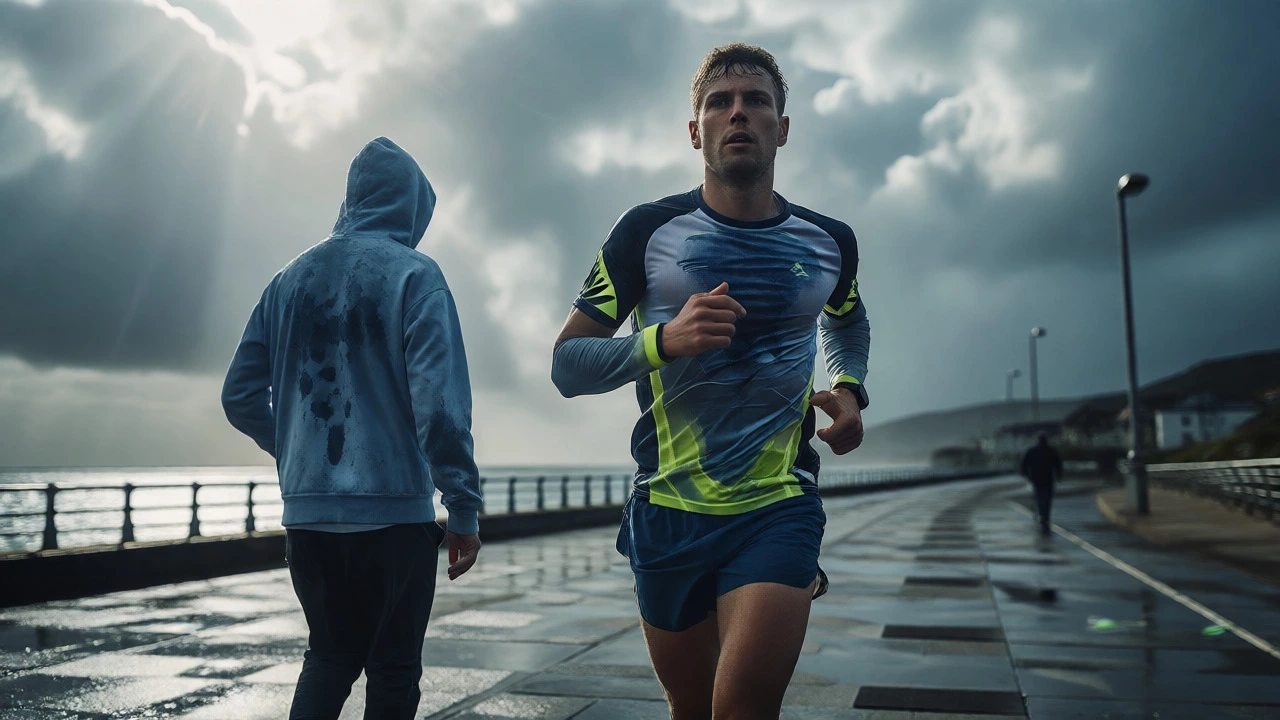
You walk into a shop in Galway or Dublin, looking for something to wear while jogging along the Salthill promenade or heading to a Tuesday night Gaelic football match. You see a hoodie, a pair of track pants, and a moisture-wicking jersey. Which one is actually sportswear? It’s a question that trips up a lot of people because the line between 'athletic clothing' and 'casual streetwear' has blurred significantly in recent years.
In Ireland, where our weather can shift from sunshine to horizontal rain in twenty minutes, understanding what qualifies as sportswear isn't just about fashion-it's about function. If you’re wearing cotton jeans to run in the Phoenix Park, you’re going to have a bad time. But if you’re wearing a high-performance compression top to a pub quiz, you might get some odd looks. So, what exactly counts? Let’s break down the technical, functional, and cultural definitions of sportswear, specifically tailored for the Irish market and climate.
Defining Sportswear: Function Over Fashion
At its core, sportswear is clothing designed specifically for physical activity, prioritizing performance features like breathability, flexibility, and durability over aesthetic trends. Unlike regular casual wear, which focuses on comfort and style for static activities (like sitting at a desk or walking to the bus stop), sportswear is engineered to handle movement, sweat, and environmental stressors.
Think about the difference between a standard cotton t-shirt and a synthetic running tee. The cotton shirt absorbs sweat, gets heavy, clings to your skin, and takes hours to dry-especially problematic in our damp Irish climate. A proper piece of sportswear uses technical fabrics that wick moisture away from your body, allowing it to evaporate quickly. This keeps you warmer when you stop moving and prevents that chilling 'wet dog' feeling after a workout.
The key attributes that define an item as sportswear include:
- Moisture Management: Fabrics that pull sweat away from the skin (wicking).
- Range of Motion: Cuts and materials that allow full extension without restriction.
- Durability: Reinforced stitching to withstand friction and repeated washing.
- Thermal Regulation: Ability to keep you cool during exertion or warm in cold conditions.
The Technical Fabric Factor
If you want to know if an item is true sportswear, check the label. Traditional athletic wear relied heavily on natural fibers, but modern technical fabrics are synthetic or blended materials engineered for specific athletic properties. Here is how common materials stack up against each other for Irish conditions:
| Fabric Type | Best For | Irish Climate Suitability | Common Use Case |
|---|---|---|---|
| Cotton | Low-intensity yoga, lounging | Poor (absorbs water, slow drying) | Post-gym chill, indoor pilates |
| Polyester | Running, cycling, team sports | High (dries fast, lightweight) | GAA jerseys, running shorts |
| Merino Wool | Hiking, winter running | Excellent (warm even when wet) | Base layers for Connemara hikes |
| Nylon/Elastane | Compression, swimming | Good (stretchy, durable) | Cycling bibs, swimwear |
In Ireland, Merino wool has seen a massive surge in popularity among hikers and trail runners. Brands like Icebreaker or local Irish producers like Ardmore Merino understand that we need warmth without the bulk. Cotton, while comfortable, is often referred to by outdoor enthusiasts as 'the enemy' because once it gets wet from rain or sweat, it loses its insulating properties entirely.
Sportswear vs. Athleisure: Where’s the Line?
This is where things get tricky. You’ll see people wearing matching sets of leggings and sports bras to brunch in Ranelagh or shopping on Grafton Street. Is this sportswear? Technically, yes, it originated as sportswear. But culturally, it has morphed into athleisure, which is a trend of wearing athletic apparel and footwear outside of the gym as everyday casual wear.
The distinction lies in intent and design. True sportswear is built for performance. Athleisure is built for comfort and aesthetics, often borrowing elements from sportswear but sacrificing some technical performance for style. For example, a pair of joggers made from thick fleece with no elastic cuffs might look great with sneakers, but they aren’t ideal for a high-intensity interval training (HIIT) class because they trap heat and lack mobility.
However, the lines are blurring. Many brands now produce 'hybrid' garments. Take a look at the rise of stylish windbreakers sold by brands like Nike or Adidas. They are technically sportswear because they offer water resistance and light weight, but they are cut in a way that fits well with jeans and a t-shirt. In the Irish context, this hybrid approach is incredibly practical. You might cycle to work in Cork, needing gear that handles rain and wind, but then head straight to a meeting. You don’t want to change clothes. That’s the sweet spot of modern sportswear: versatile enough for the commute, tough enough for the sport.
Context Matters: GAA, Soccer, and Gym Culture
Sportswear isn't one-size-fits-all; it changes based on the sport. In Ireland, our sporting landscape is unique, dominated by Gaelic games, soccer, rugby, and increasingly, fitness culture.
Gaelic Athletic Association (GAA) gear is a distinct category of team sportswear characterized by lightweight jerseys, shorts, and socks designed for high-contact field sports. Unlike soccer kits, which are often tighter, GAA jerseys have traditionally been looser to allow for shoulder charges and grappling. However, modern O’Neills or Oneills gear is becoming more fitted and technical, using advanced polyester blends to manage sweat during those rainy November matches in Croke Park.
Rugby wear sits somewhere in between. It needs to be extremely durable to withstand scrums and rucks. You’ll notice reinforced seams and thicker collars. If you try to play rugby in thin running tights, they will rip within minutes. Conversely, playing tennis in heavy rugby shorts would leave you exhausted before the first set ends due to the extra weight and restricted leg movement.
Then there’s the gym. Here, sportswear is defined by fit and freedom. Compression tops help with muscle support, while breathable mesh panels prevent overheating in stuffy urban gyms in Dublin or Belfast. The 'right' sportswear depends entirely on the activity. Wearing hiking boots to a spin class is a recipe for blisters. Wearing running shoes to hike the Slieve League cliffs means you’ll slip on the wet rocks. Always match the shoe and the fabric to the terrain.

Weather-Proofing Your Kit for Ireland
You cannot talk about sportswear in Ireland without talking about rain. It’s not just a nuisance; it’s a constant variable. Standard sportswear from global brands might not account for the specific type of damp chill we experience here. Therefore, layering becomes a critical component of what constitutes effective sportswear in this region.
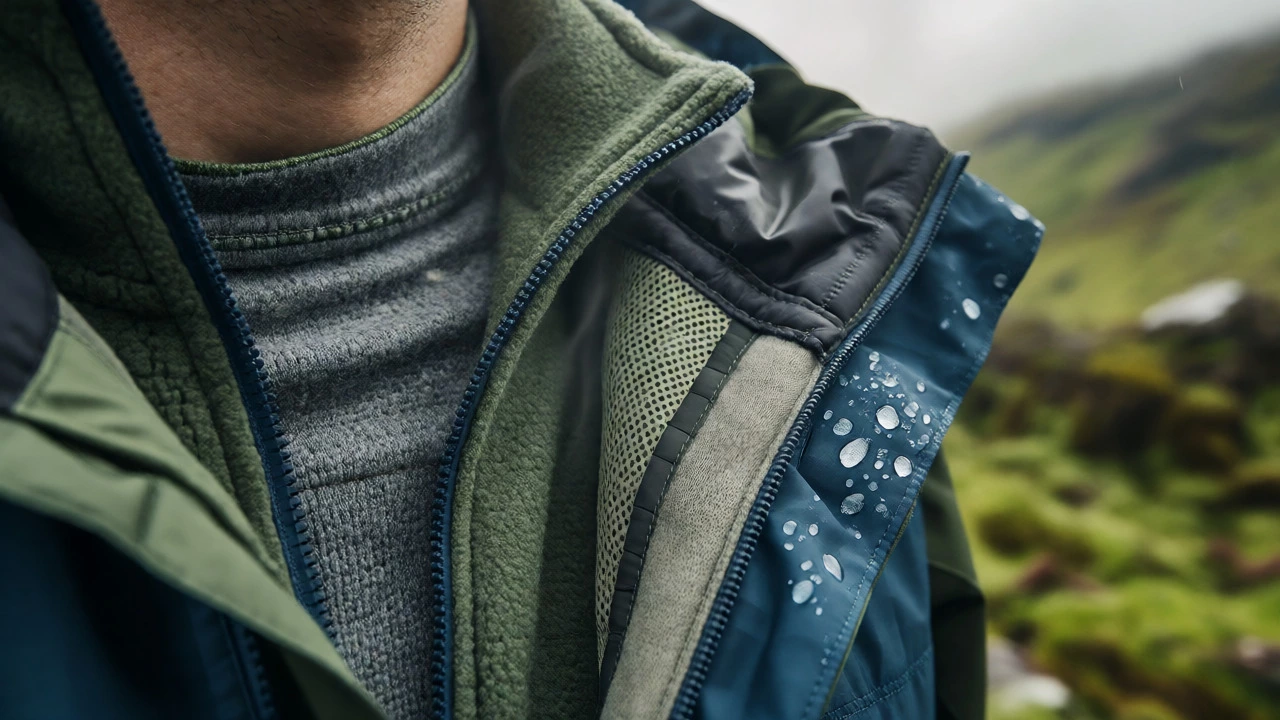
A proper Irish sportswear kit usually follows a three-layer system:
- Base Layer: Skin-tight, moisture-wicking. Merino wool or synthetic. Never cotton.
- Mid Layer: Insulation. Fleece or light synthetic puff. Traps heat.
- Outer Layer: Protection. Waterproof and windproof shell. Look for technologies like Gore-Tex or proprietary equivalents like Pertex Shield.
Many people mistakenly buy a single 'rain jacket' and think they are covered. But if that jacket doesn’t breathe, you’ll sweat inside it, and then freeze when you stop. True sportswear for the Irish outdoors must balance waterproofing with breathability. When shopping, look for 'hydrostatic head' ratings (for waterproofing) and 'MVTR' (Moisture Vapor Transmission Rate) for breathability. A good all-rounder for coastal runs in Clare might have a 10k/10k rating (10,000mm waterproof / 10,000g/m²/24h breathable).
Identifying Quality Sportswear: A Buyer’s Checklist
So, next time you’re browsing Decathlon in Blanchardstown or checking out premium retailers like Brown Thomas for high-end activewear, use this checklist to determine if an item is genuinely considered sportswear:
- Check the Seams: Are they flat-locked? Raised seams cause chafing during movement. Flat seams are a hallmark of quality athletic construction.
- Test the Stretch: Pull the fabric horizontally and vertically. Does it snap back? Poor recovery means the garment will bag out after ten minutes of exercise.
- Look for Ventilation: Are there mesh panels under the arms or behind the knees? These strategic vents are crucial for temperature control.
- Assess the Fit: Try it on with the intended activity in mind. Can you squat? Can you reach overhead? If it restricts you, it’s not sportswear for *you*, regardless of the brand name.
- Read the Care Label: Technical fabrics often require gentle washing without fabric softener. Fabric softener clogs the pores of synthetic fibers, destroying their wicking ability. If the label says 'do not use softener,' it’s likely genuine technical gear.
Remember, price doesn’t always equal performance. Some budget-friendly options from local Irish suppliers or major chains offer excellent value for general fitness. Save the premium investment for specialized activities like long-distance trail running or competitive swimming, where marginal gains in weight and drag matter.
Is athleisure considered sportswear?
Yes, athleisure is derived from sportswear. While it is primarily worn for casual purposes, the garments themselves (leggings, hoodies, trainers) originate from athletic designs. However, pure athleisure may lack the high-performance technical features required for intense workouts, so it is best viewed as a sub-category focused on lifestyle rather than peak performance.
Can I wear cotton for running in Ireland?
It is generally not recommended. Cotton absorbs moisture and dries very slowly. In Ireland's humid and rainy climate, a wet cotton shirt will make you feel cold quickly after stopping your run, increasing the risk of hypothermia or discomfort. Synthetic or merino wool base layers are far superior for managing sweat and external rain.
What is the difference between sportswear and activewear?
The terms are often used interchangeably, but 'activewear' is a broader term that includes any clothing suitable for physical activity, including casual gym clothes. 'Sportswear' typically implies clothing designed for specific sports with higher performance demands, such as professional team kits or specialized running gear. Activewear can be less technical, focusing more on general comfort and style.
Do I need expensive waterproof jackets for running in Galway?
Not necessarily. For short runs, a lightweight windbreaker with DWR (Durable Water Repellent) coating is often sufficient. Expensive Gore-Tex jackets are better suited for long-duration exposure to heavy rain, such as hiking or ultra-marathons. For typical 5km runs, prioritize breathability over extreme waterproofing to avoid overheating.
Are sneakers considered sportswear?
Functional sneakers designed for running, training, or court sports are definitely sportswear. However, fashion sneakers (like classic canvas shoes) that lack cushioning, arch support, or breathable uppers are considered casual footwear, even if they resemble athletic styles. Always choose footwear based on the biomechanical needs of your activity.