
Work Shoe Selector for Irish Workers
Select all that apply to your work situation:
💡 Quick Tips
- ✓ Replace shoes every 6–12 months
- ✓ Rotate between two pairs daily
- ✓ Try shoes on late afternoon when feet swell
- ✓ Check midsole compression before buying
If you’ve ever spent a shift on your feet in a Dublin café or walking the floors of a Cork factory, you know the specific ache that sets in by mid-afternoon. It’s not just tiredness; it’s a sharp throb in the heels or a dull burn in the arches. In Ireland, where wet weather and uneven pavements are part of daily life, this discomfort is amplified. Whether you’re serving pints in Galway, managing stock in a Limerick warehouse, or teaching in a rural classroom, work shoes are often the first line of defense against chronic pain. But buying the right pair isn’t always straightforward, especially when budgets are tight and options seem limited.
The good news? You don’t have to accept foot pain as the price of doing business. With a few strategic adjustments-starting with footwear but extending to posture and recovery-you can significantly reduce strain. This guide cuts through the noise to give you practical, Ireland-specific advice for keeping your feet happy, no matter how long your shift runs.
Why Your Feet Hurt (And Why It’s Worse in Ireland)
Foot pain at work usually stems from three sources: poor footwear, prolonged standing, and inadequate recovery. But local conditions play a bigger role than most realize. Ireland’s climate means many workers face damp floors in kitchens, hospitals, and retail spaces. Wet surfaces increase slip risk, which makes people tense up and alter their gait, straining muscles and joints. Meanwhile, our love for cobbled streets in cities like Kilkenny or Derry means even your commute adds impact stress before you’ve clocked in.
Then there’s the cultural factor. Many Irish workplaces still operate under outdated dress codes that prioritize appearance over comfort. Think thin-soled leather shoes for office staff or non-slip clogs without arch support for hospitality workers. These choices might look professional, but they do nothing to absorb shock or distribute weight evenly. Over time, this leads to plantar fasciitis, shin splints, or knee pain-all preventable with better gear.
Choosing the Right Work Shoes in Ireland
Not all work shoes are created equal. What works for a nurse in Beaumont Hospital won’t suit a builder in Waterford. Start by identifying your primary activity:
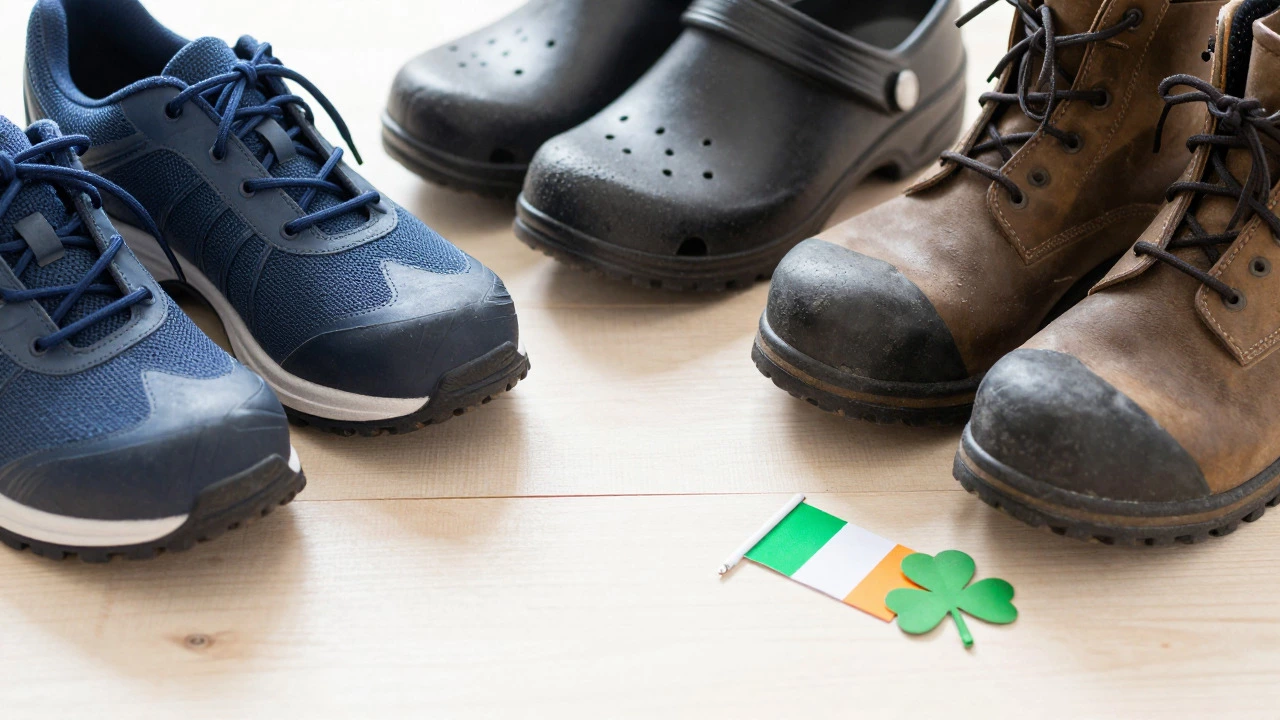
- Prolonged standing: Look for maximum cushioning and wide toe boxes. Brands like Skechers Arch Fit or Hoka One One offer models designed for 10+ hour shifts.
- Wet/slippery environments: Prioritize grip. Vibram soles or specialized rubber compounds (like those in Crocs Professional Clogs) provide traction on tiled or concrete floors.
- Heavy lifting or outdoor work: Steel-toe caps and ankle support are non-negotiable. Brands like Timberland PRO or Caterpillar dominate here, with many retailers offering PPE-compliant options across Ireland.
Where to buy? Avoid fast-fashion traps. Instead, visit specialist stores like Foot Locker Pro, Sports Direct’s workwear section, or local cobbler shops in towns like Ennis or Wexford that can customize fits. Online, check out Soletrader.ie or Amazon UK (with free shipping to Ireland), but always read reviews from fellow Irish workers-they’ll mention real-world performance in rain, mud, and grease.
| Shoe Type | Best For | Key Feature | Price Range (€) |
|---|---|---|---|
| Skechers Arch Fit | Standing all day | Arch support + memory foam | 80-120 |
| Crocs Bistro Pro | Kitchens/hospitals | Non-slip, easy-clean sole | 40-60 |
| Hoka Bondi SR | Nursing/retail | Maximum cushioning, rocker sole | 130-150 |
| Timberland PRO Boondock | Construction/outdoors | Steel toe, waterproof, anti-fatigue | 110-140 |
Beyond Shoes: Insoles, Posture, and Recovery
Even the best shoes fall short if you’re not using them correctly. First, consider custom orthotics. If you have flat feet or high arches, off-the-shelf inserts won’t cut it. Visit a podiatrist in your area-many clinics in Galway, Cork, and Dublin offer NHS-covered assessments for severe cases. Otherwise, brands like Superfeet or Powerstep sell semi-custom insoles at pharmacies like Boots or Irish Life Pharmacy.
Next, rethink your stance. Standing perfectly still is worse than shifting weight. Try micro-movements: rock gently on your balls of your feet, alternate legs, or use an anti-fatigue mat if your employer allows it. These mats are widely available from Safety-First.ie or local hardware stores like Dunnes Stores’ DIY section.
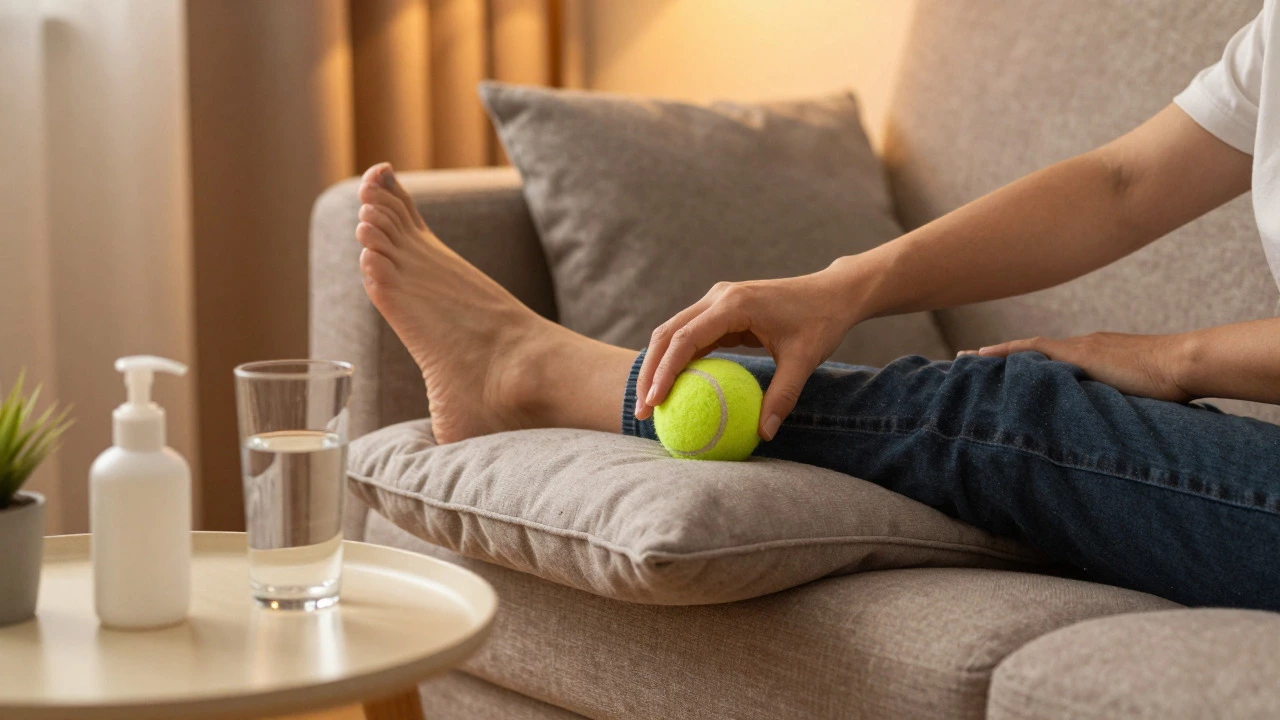
Recovery matters too. After a long shift, elevate your feet above heart level for 15 minutes. Roll a tennis ball under your arches to release tension. And never skip stretching-hamstring and calf stretches take two minutes but prevent morning stiffness.
Employer Responsibilities Under Irish Law
Here’s what many workers don’t know: under the Safety, Health and Welfare at Work Act 2005, employers must provide suitable protective equipment-including footwear-if job tasks require it. If your current shoes contribute to injury, document the issue and request a review. The Health and Safety Authority (HSA) offers free guidance, and unions like SIPTU or ICTU can advocate on your behalf.
In healthcare and construction, PPE allowances are standard. In retail or hospitality, push harder. Frame it as productivity: fewer sick days mean smoother operations. Some forward-thinking companies in Dublin already subsidize ergonomic footwear-it’s worth asking.
When to See a Professional
If pain persists despite better shoes and habits, see a GP or podiatrist. Conditions like plantar fasciitis respond well to early treatment-stretching, night splints, or cortisone injections. Delaying care turns manageable issues into chronic problems. In Ireland, private podiatry costs €80-120 per session, but many health insurance plans (VHI, Laya, Irish Life) cover referrals. Check your policy before booking.
Also watch for red flags: numbness, swelling that doesn’t go down, or pain radiating up your leg. These could signal nerve compression or circulation issues needing urgent attention.
Quick Checklist: Protect Your Feet Daily
- Replace shoes every 6-12 months, depending on wear.
- Rotate between two pairs to let materials recover.
- Moisturize feet nightly to prevent cracking (use Urea-based creams).
- Keep nails trimmed straight across to avoid ingrown toes.
- Stay hydrated-dehydration worsens muscle cramps during shifts.
Your feet carry you through every day. Treat them with respect, and they’ll keep going strong. No more limping home after a double shift. No more avoiding stairs because your knees protest. Just solid, reliable support-from head to toe.
What are the best work shoes for standing all day in Ireland?
Look for shoes with maximum cushioning and arch support. Top picks include Skechers Arch Fit, Hoka Bondi SR, and New Balance Fresh Foam. These brands are readily available in Irish stores like Sports Direct, JD Sports, and online via Soletrader.ie. Always try them on late in the day when your feet are slightly swollen for the most accurate fit.
Do I need steel-toe boots if I work indoors?
Only if there’s a risk of falling objects or heavy machinery nearby. For pure indoor roles like retail or admin, lightweight sneakers or clogs suffice. However, if you occasionally step outside onto gravel or uneven ground, composite-toe shoes offer protection without the bulk of steel.
Can my employer force me to wear uncomfortable shoes?
Under Irish law, employers must ensure footwear doesn’t cause harm. If your assigned shoes lead to pain or injury, report it formally. Request alternatives or subsidies. Unions like SIPTU can help negotiate changes, especially if multiple staff members complain.
How often should I replace my work shoes?
Every 6-12 months, depending on usage. Check the midsole-if it’s compressed or cracked, shock absorption is gone. Outsoles worn smooth lose grip. Don’t wait until they fall apart; proactive replacement prevents injuries.
Are orthotic insoles worth the cost in Ireland?
Yes, especially if you stand over six hours daily. Off-the-shelf options from Boots or Irish Life Pharmacy cost €15-30 and help mild discomfort. Custom orthotics from a podiatrist run €150-300 but address structural issues. Many health insurers cover part of the cost with a GP referral.