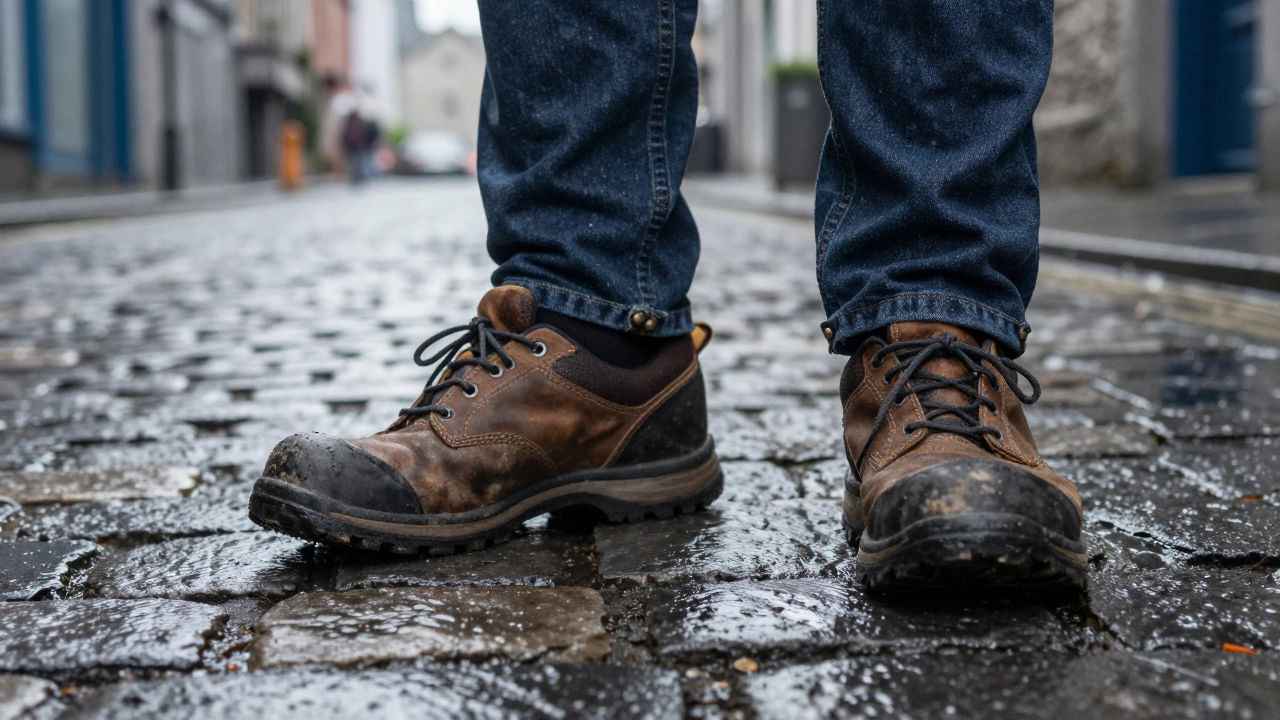
Foot Pain Relief Planner
Generate a personalized routine to reduce foot pain from standing all day based on your job type and current symptoms.
Standing for eight hours a day feels like walking on gravel by the time you clock out. Your arches ache, your heels throb, and sometimes that sharp sting shoots up your calves. If you work in retail, healthcare, or hospitality, this isn’t just an annoyance-it’s a daily battle. You might think it’s normal wear and tear, but chronic foot pain can lead to bigger issues like knee strain or back problems if you ignore it.
The good news? Most standing-related foot pain is preventable and treatable with the right combination of footwear, habits, and simple exercises. You don’t need expensive treatments to find relief. Sometimes, the fix is as simple as swapping your old sneakers for a pair designed for support, or taking five minutes every hour to stretch your calves. I’ve spent years testing different shoes and routines, especially here in Galway where we do a lot of walking on uneven stone streets, and I’ve learned what actually works versus what’s just marketing hype.
Before we get into the specifics, it helps to understand why your feet hurt in the first place. When you stand still for long periods, your body weight compresses the joints and soft tissues in your feet. Without movement, blood flow slows down, causing fluid buildup and inflammation. This is why your feet often swell by the end of the shift. The pain usually starts in the plantar fascia-that thick band of tissue connecting your heel to your toes-or in the ball of your foot, where pressure concentrates most heavily.
Choosing the Right Work Shoes
Your shoes are the foundation of foot health when you’re on your feet all day. Cheap fashion sneakers might look great, but they often lack the structural support needed for prolonged standing. Look for shoes with three key features: cushioning, arch support, and a wide toe box.
Cushioning absorbs shock. Materials like memory foam or EVA (ethylene-vinyl acetate) midsoles help distribute pressure evenly across your foot. Arch support prevents your foot from flattening out, which reduces strain on the plantar fascia. A wide toe box allows your toes to splay naturally, improving balance and reducing cramping. Brands like Brooks, Hoka, and Dansko are popular among nurses and teachers because they prioritize these elements over style.
If you’re buying new work shoes, try them on in the afternoon. Your feet swell throughout the day, so shoes that fit snugly in the morning might feel tight by evening. Walk around the store, not just stand. Pay attention to how your heel slips, whether your toes hit the front, and if there’s any pinching on the sides. Don’t break in painful shoes-discomfort early on means injury later.
| Feature | Why It Matters | What to Avoid |
|---|---|---|
| Cushioning | Absorbs impact, reduces joint stress | Flat, hard soles with no midsole layer |
| Arch Support | Maintains foot structure, prevents overpronation | Completely flat insoles with no contour |
| Toe Box Width | Allows natural toe movement, improves balance | Narrow, pointed fronts that squeeze toes together |
| Heel Height | Low heels reduce calf strain | High heels or completely zero-drop flats without support |
Daily Habits That Reduce Foot Strain
Even the best shoes won’t save you if you stand in one spot for hours without moving. Movement keeps blood flowing and muscles engaged. Try shifting your weight from foot to foot, rolling from heel to toe, or doing small marches in place. These micro-movements act like pumps, pushing blood back up your legs and preventing swelling.
Anti-fatigue mats are another game-changer, especially if you work behind a counter or at a stationary desk. These mats provide a slight give underfoot, encouraging subtle muscle contractions that keep circulation active. They’re common in kitchens and factories, but many office workers use them too. If your workplace doesn’t provide one, consider bringing your own. A basic mat costs less than a pair of quality insoles and lasts for years.
Hydration plays a surprising role in foot pain. Dehydrated muscles cramp more easily, and poor hydration can worsen inflammation. Drink water regularly throughout your shift, not just when you’re thirsty. Limit caffeine and alcohol, which can dehydrate you further. Pairing hydration with electrolyte-rich snacks like bananas or nuts helps maintain muscle function.
Stretches and Exercises for Relief
You don’t need a gym membership to strengthen your feet and calves. Simple stretches done before, during, and after work can make a huge difference. Here are four moves that target the most common problem areas:
- Calf Stretch: Stand facing a wall, place one foot forward and bend the knee, keeping the back leg straight. Lean into the wall until you feel a stretch in the back calf. Hold for 30 seconds. Repeat on both sides. Tight calves pull on the Achilles tendon, increasing tension in the foot.
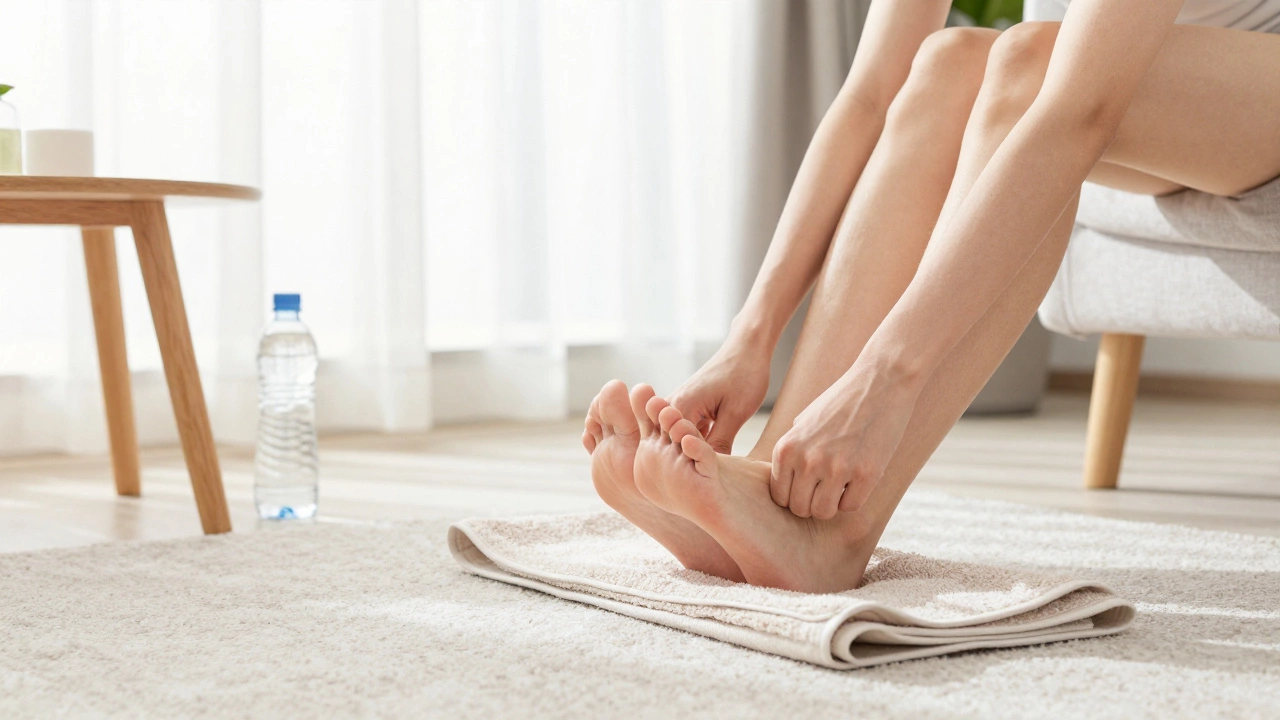
- Towel Scrunches: Sit in a chair with a towel on the floor. Use your toes to scrunch the towel toward you, then release. Do 10-15 repetitions per foot. This strengthens the intrinsic foot muscles that support your arches.
- Plantar Fascia Roll: Freeze a water bottle and roll it under your foot for 5-10 minutes. The cold reduces inflammation while the rolling motion massages tight tissue. Do this in the morning or after work.
- Ankle Circles: Lift one foot off the ground and rotate your ankle clockwise 10 times, then counterclockwise 10 times. Switch feet. This improves joint mobility and reduces stiffness.
Consistency matters more than intensity. Doing these stretches once a week won’t help much. Aim for short sessions multiple times a day, especially before starting your shift and right after finishing. Over time, you’ll notice less soreness and better endurance.
When to See a Professional
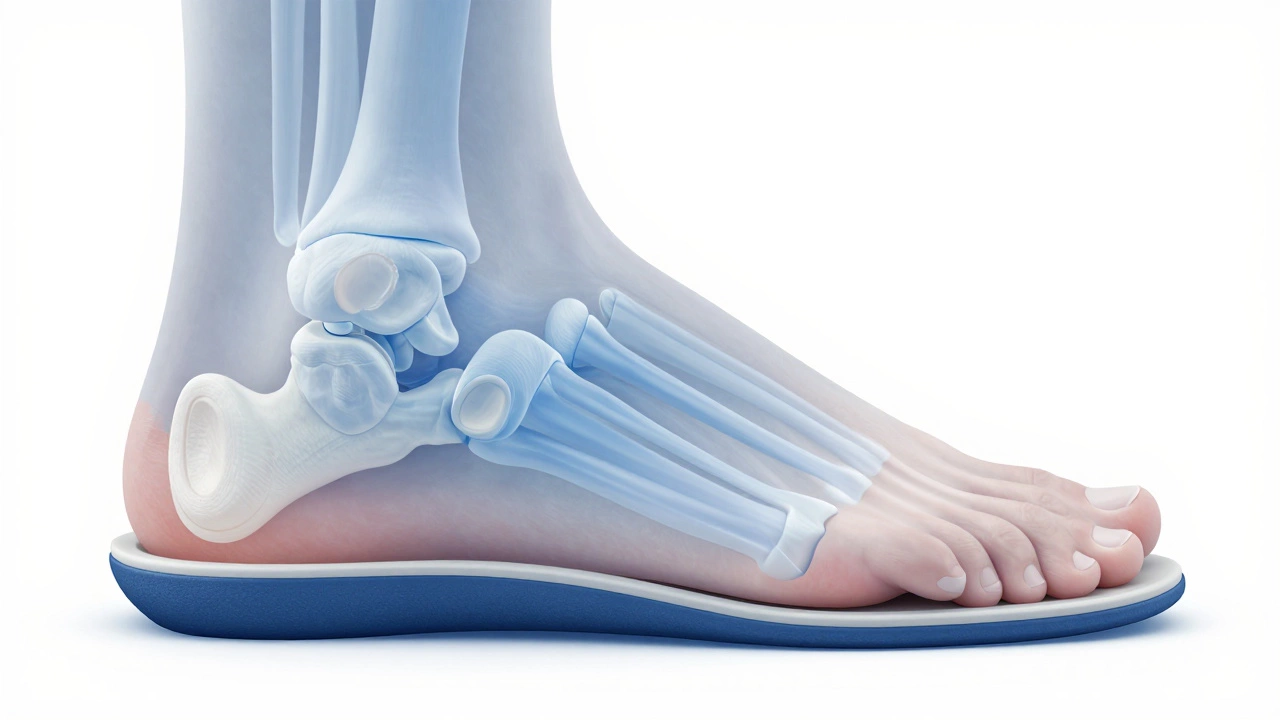
Not all foot pain goes away with home care. If you experience sharp, stabbing pain in your heel, especially with your first steps in the morning, you might have plantar fasciitis. Swelling that doesn’t improve overnight, numbness, tingling, or redness could signal nerve compression or infection. In these cases, see a podiatrist or physical therapist.
A professional can assess your gait, check for structural issues like flat feet or high arches, and recommend custom orthotics. Off-the-shelf inserts help some people, but custom-made ones are molded to your exact foot shape, providing precise support. They’re more expensive upfront, but they last longer and often prevent recurring injuries.
Physical therapy can also teach you targeted exercises to correct imbalances. For example, weak hip muscles can cause your knees to collapse inward, putting extra stress on your feet. Strengthening those hips takes pressure off your lower limbs. A therapist will design a plan based on your specific needs, rather than generic advice.
Quick Tips for Immediate Relief
Sometimes you need fast relief during a long shift. Keep these tricks in mind:
- Elevate your feet whenever possible. Prop them on a stool or crate during breaks to reduce swelling.
- Apply ice packs to sore areas for 10-15 minutes. Wrap ice in a towel to avoid skin damage.
- Use over-the-counter anti-inflammatory gels sparingly. They can numb pain temporarily but don’t address the root cause.
- Change socks if they get damp. Moisture increases friction, leading to blisters and irritation.
Remember, prevention is easier than cure. Investing in good shoes, staying mobile, and stretching regularly will save you from months of discomfort. Your feet carry you through life-treat them well.
What causes foot pain from standing all day?
Prolonged standing puts constant pressure on your feet, reducing blood flow and causing inflammation. Poor footwear, lack of movement, and underlying conditions like plantar fasciitis can worsen the pain.
How long does it take for foot pain to go away?
Mild pain may improve within days with rest and proper shoes. Chronic issues like plantar fasciitis can take weeks or months to heal fully, especially without treatment.
Are orthotics worth the cost?
Custom orthotics are more expensive but offer personalized support. If you have persistent pain or structural issues, they’re often worth the investment compared to repeated trips to the doctor.
Can I wear running shoes for work?
Some running shoes provide good cushioning, but they’re designed for forward motion, not static standing. Look for models labeled for walking or all-day comfort instead.
Should I see a doctor for foot pain?
Yes, if pain is severe, persistent, or accompanied by swelling, numbness, or redness. Early diagnosis prevents minor issues from becoming chronic problems.