Suit Quality Inspector
Select the features present in the suit you are inspecting. This tool calculates a quality score based on expert guidelines.
1. Fabric Analysis
2. Construction & Structure
3. Finishing Details
Quality Score
Start Checking
Select features from the checklist to see if this suit is worth buying.
In Ireland's damp climate, prioritize wool content and half/full canvas construction to prevent bubbling and mold issues.
Buying a suit in Ireland can feel like navigating the tricky waters off the Aran Islands if you don’t know what to look for. Whether you’re hunting for a wedding outfit in Galway, need something sharp for a corporate role in Dublin’s financial district, or just want to look your best for a local event, the stakes are high. A bad suit doesn’t just look bad; it feels uncomfortable, wrinkles after one hour, and falls apart after two dry cleansings. The difference between a cheap suit and a quality one isn’t always about the price tag on the rack-it’s about the construction hidden inside.
In this guide, we’ll break down exactly how to spot a cheap suit by examining the fabric, the stitching, the lining, and the fit. We’ll focus on practical advice that applies whether you’re browsing the high streets of Cork, checking out boutiques in Limerick, or shopping online from your kitchen table in Kilkenny. Let’s get straight into the details so you can avoid those costly mistakes.
The Fabric Test: Touch and Look
The first thing you should do is touch the fabric. High-quality suits are usually made from wool, even in summer. Wool breathes, resists wrinkles, and drapes nicely over your body. Cheap suits often use polyester blends or 100% polyester. Polyester traps heat, which is no fun during a long reception in a crowded hall in Kerry. It also has that shiny, plastic-like sheen that screams “budget.”
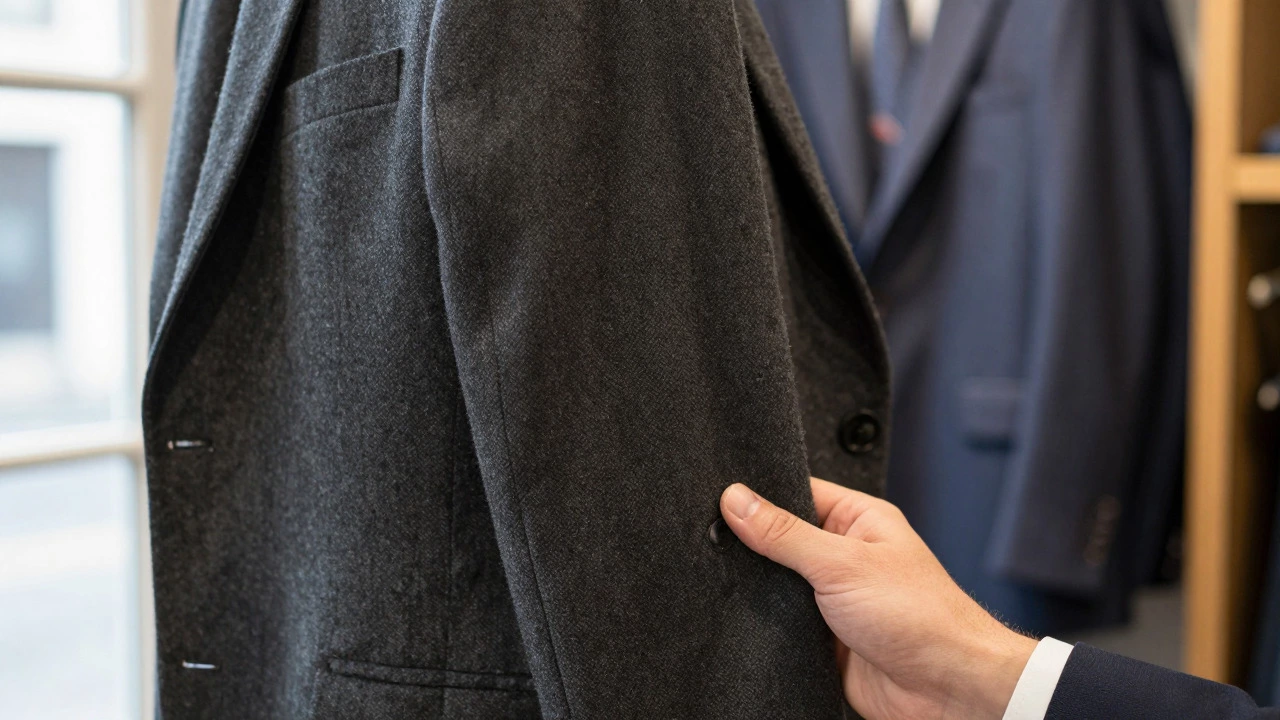
Wool Content is the gold standard for suit fabrics, offering durability, breathability, and wrinkle resistance. When you run your hand over a good wool suit, it should feel soft but substantial. If it feels slick, slippery, or cold to the touch, walk away. Check the label. If it says “Polyester” or “Acrylic,” it’s likely a cheap suit. Even if it says “Wool Blend,” check the percentage. Anything under 50% wool starts losing those premium qualities.
Look at the weave. Quality wool has a tight, consistent weave. Cheap fabric often looks loose or uneven. Hold the jacket up to the light. You shouldn’t see gaps in the weave. In Ireland, where weather changes quickly, you want a fabric that holds its shape. A cheap suit will bag out at the elbows and knees within weeks of regular wear.
Construction: Fused vs. Canvas
This is the most technical part, but it’s crucial. The chest of a suit jacket needs structure to hold its shape. There are two main ways to build this structure: fused and canvassed.
Cheap suits are almost always fused. This means the outer fabric is glued to an inner layer using heat and adhesive. Over time, especially with the humidity and temperature changes common in Ireland, that glue breaks down. The result? Bubbles forming in the lapel or chest area. You’ve probably seen these jackets in thrift shops or on people who bought their first suit years ago. They look lumpy and distorted.
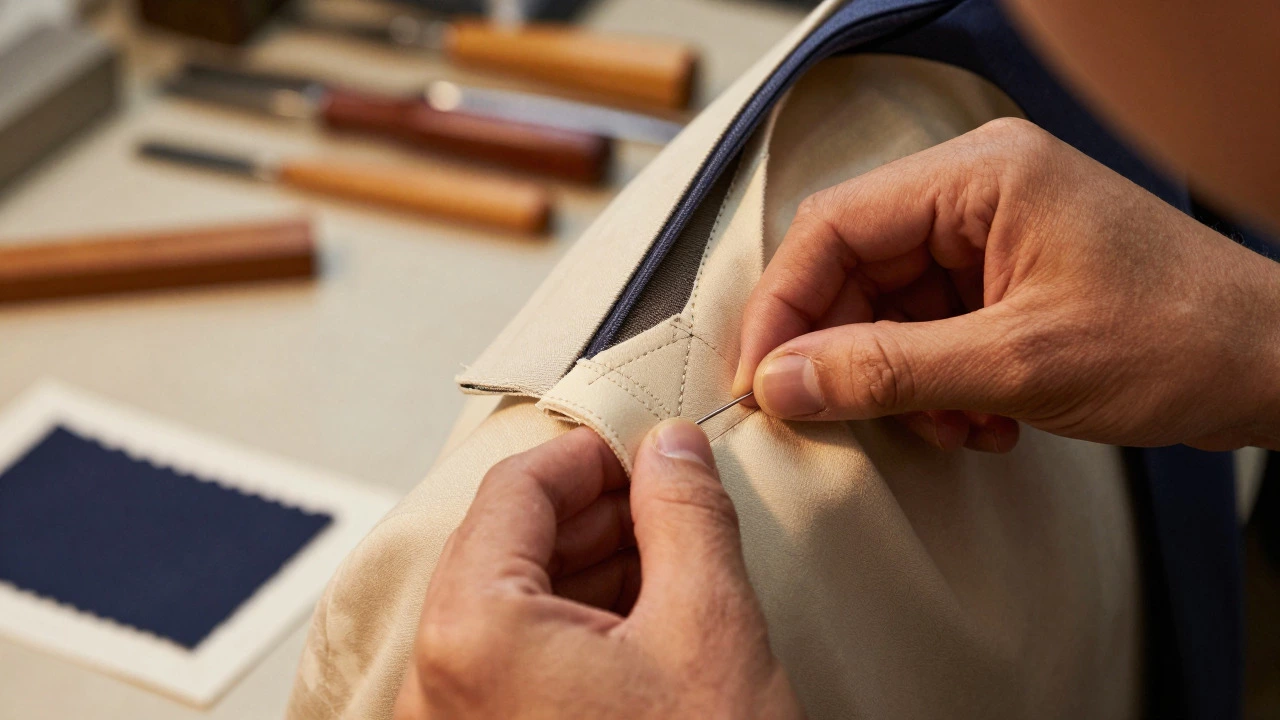
Quality suits use a canvas-a layer of haircloth or cotton stitched between the fabric and the lining. This allows the jacket to move with your body and maintain its shape for years. To check this, pinch the front of the jacket near the button. If it feels thick and stiff, like cardboard, it’s fused. If it feels flexible and layered, it’s likely canvassed. Half-canvas constructions are a good middle ground, offering some structure without the full price of a bespoke suit.
| Feature | Fused (Cheap) | Half-Canvas (Mid-Range) | Full Canvas (Premium) |
|---|---|---|---|
| Method | Glued interlining | Stitched canvas in chest only | Stitched canvas throughout |
| Durability | Low (bubbles over time) | Medium-High | Very High |
| Fit & Drape | Stiff, boxy | Natural drape | Excellent natural drape |
| Price Range (Ireland) | €100 - €250 | €300 - €600 | €700+ |
Stitching and Details
Zoom in on the seams. Cheap suits have sloppy stitching. Look for loose threads, uneven seam allowances, or stitches that pull the fabric together awkwardly. Quality suits have clean, even stitching with no visible loose ends. Pay attention to the buttons. On a cheap suit, buttons are often sewn on loosely or with plastic that cracks easily. Real horn or high-quality resin buttons are a sign of better craftsmanship.
Check the pockets. Are they lined? Cheap suits often skip pocket linings to save money. A lined pocket adds weight and helps the pocket sit flat against your body. Also, look at the flap on the breast pocket. It should lie flat and not curl up. If it curls, the fabric is too thin or the construction is poor.
Another red flag is the vent. Most modern suits have vents at the back-single or double. These allow you to put your hands in your pockets without the jacket bunching up. On a cheap suit, the vent might be poorly finished, with raw edges showing through. Or worse, there’s no vent at all, which makes the jacket ride up when you sit or walk. In Ireland, where we value practicality, a well-finished vent is essential for comfort.
The Lining: Inside Job
Flip the jacket inside out. The lining should be smooth and easy to slide your arms into. Cheap suits use cheap polyester linings that snag easily or feel scratchy. Better suits use Bemberg or acetate linings, which are smoother and more durable. Check the stitching along the edges of the lining. It should be neat and secure. If the lining is pulling away from the seams, the suit is already falling apart.
Also, look at the interior pockets. Are they deep enough? Do they have zippers for security? Cheap suits often have shallow, unlined interior pockets that offer little utility. A quality suit considers functionality, with deeper pockets and sometimes zippered compartments for phones or wallets.
Fit and Alterations
Even the best-looking suit will fail if it doesn’t fit. Cheap suits are designed to fit a generic range of bodies, which means they rarely fit anyone perfectly. Look for excess fabric around the shoulders, waist, or sleeves. If the shoulders extend past your natural shoulder line, the suit is too big. If the sleeves are too long or short, they can be altered, but shoulder alterations are expensive and difficult.
In Ireland, many tailors in cities like Dublin, Cork, and Galway offer alteration services. However, altering a cheap suit is often not worth it because the fabric and construction won’t hold up to the stress of resizing. A mid-range suit with a good cut is easier to tailor than a cheap one with poor proportions. Always try on the suit and move around. Sit down, raise your arms, walk. Does the jacket ride up? Do the trousers bind at the thighs? If yes, it’s not the right suit, regardless of price.

Where to Buy Suits in Ireland
If you’re looking to avoid cheap suits, know where to shop. Department stores like Dunnes Stores or Penneys (Primark) offer very affordable options, but they are mostly fast fashion with low durability. For better quality, consider retailers like Marks & Spencer, which offers decent mid-range suits with better fabrics. For higher-end options, look at boutiques in Dublin’s Grafton Street area or Cork’s English Market vicinity. Brands like Ted Baker, Hugo Boss, or local Irish designers often provide better construction and materials.
Online shopping is convenient, but it’s harder to assess quality. Stick to reputable retailers with good return policies. Read reviews specifically mentioning fit and durability. If a review mentions “bubbling” or “poor stitching,” take note. In Ireland, consumer protection laws are strong, so don’t hesitate to return a suit that doesn’t meet expectations.
Maintaining Your Suit
Once you’ve bought a good suit, care for it properly. Don’t wash it frequently. Dry cleaning every few wears is sufficient. Use a wooden hanger to maintain the shoulder shape. Store it in a breathable garment bag, not plastic. In Ireland’s damp climate, ensure your wardrobe is well-ventilated to prevent mold. Rotate your suits so they have time to rest between wears. This extends their life significantly.
What is the biggest sign of a cheap suit?
The biggest sign is fused construction, where the fabric is glued rather than stitched. This leads to bubbling in the lapels and chest over time. Additionally, shiny polyester fabric and sloppy stitching are major red flags.
Is it worth buying a cheap suit for a one-time event?
It depends. If you’re on a tight budget, a cheap suit might suffice for a single event. However, consider renting instead. Renting a quality suit often costs less than buying a new cheap one and ensures you look sharp without the risk of poor fit or discomfort.
Where can I find affordable but quality suits in Ireland?
Marks & Spencer offers reliable mid-range suits. Outlet malls in areas like Blanchardstown (Dublin) or Pallas Cove (Cork) may have discounted brands. Online retailers with good return policies are also viable, provided you check reviews carefully.
How do I tell if a suit is made of real wool?
Check the label for “100% Wool” or a high wool percentage. Real wool feels soft but substantial, not slippery or shiny. It also breathes well and resists wrinkles. If it feels plastic-like or static-prone, it’s likely synthetic.
Can I alter a cheap suit to make it fit better?
Minor alterations like hemming trousers or taking in the waist are possible. However, major changes like adjusting shoulders are difficult and often not cost-effective on cheap suits due to poor construction. It’s better to buy a suit that fits well off the rack.