Irish Weather Outerwear Advisor
Not sure what to wear for your next outing? Answer these questions to get a tailored recommendation based on length, insulation, and social context.
Recommendation: Wear a Jacket
Reasoning will appear here.
Standing on a damp street corner in Dublin or waiting for a bus in Galway, you’ve probably asked yourself this question while shivering: jacket or coat? The distinction seems obvious until you’re staring at two similar-looking pieces of outerwear in Penneys or Brown Thomas, both promising to keep you dry in an Atlantic squall. In Ireland, where the weather changes faster than a pub quiz answer, knowing the real difference between these two garments isn’t just about fashion-it’s about survival and comfort. While people often use the terms interchangeably, there are clear structural, functional, and cultural lines that separate them.
The Length Rule: Where Does It End?
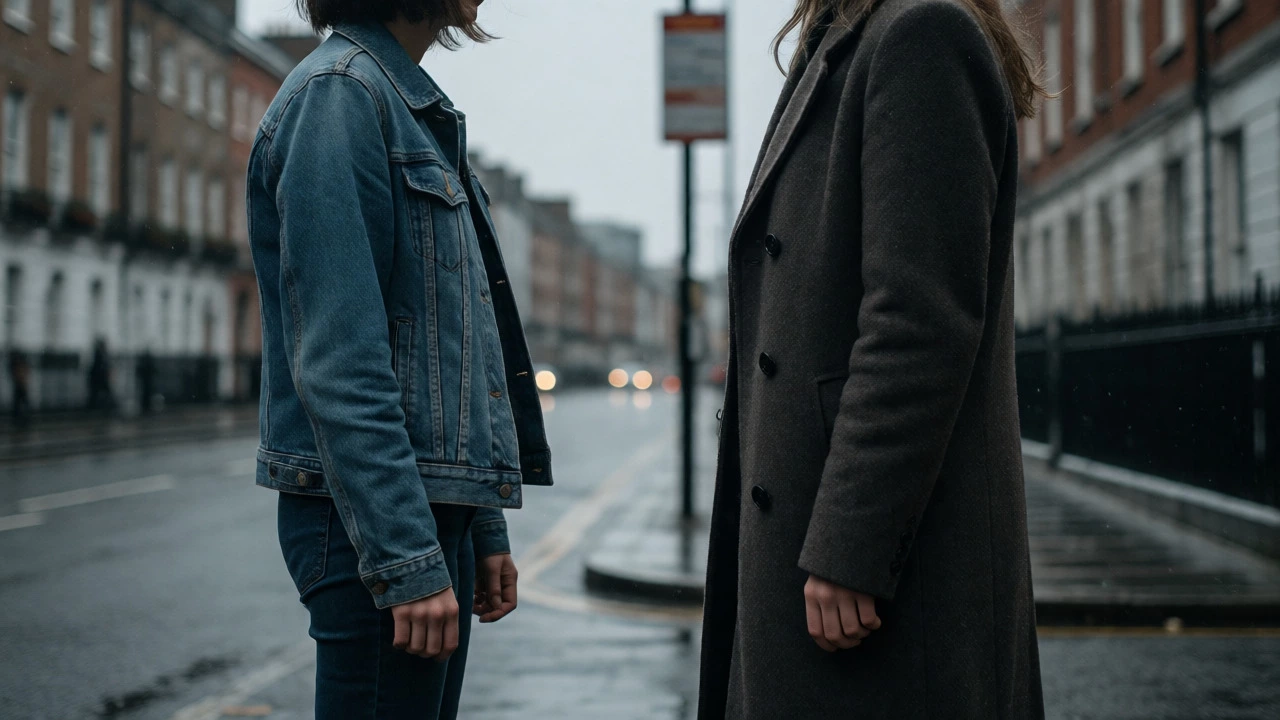
The most immediate way to tell them apart is by looking at where the hem lands. A jacket typically ends at the waist or hips. Think of your denim jacket from Levi’s or a smart blazer you’d wear to a conference in Cork. These pieces sit above the knee, allowing for easier movement when you’re cycling along the Grand Canal or climbing the stairs in a cramped city apartment.
A coat, on the other hand, extends below the hip, usually hitting mid-thigh, knee, or even ankle length. This extra fabric serves a specific purpose: protection. In our climate, where wind whips off the sea and rain comes sideways, that longer coverage shields your trousers and legs from getting soaked. If you’re wearing a trench coat like those sold in M&S, it’s designed to cover more surface area, acting as a barrier against the elements that a shorter jacket simply can’t match.
Structure and Lining: Why Coats Feel Heavier
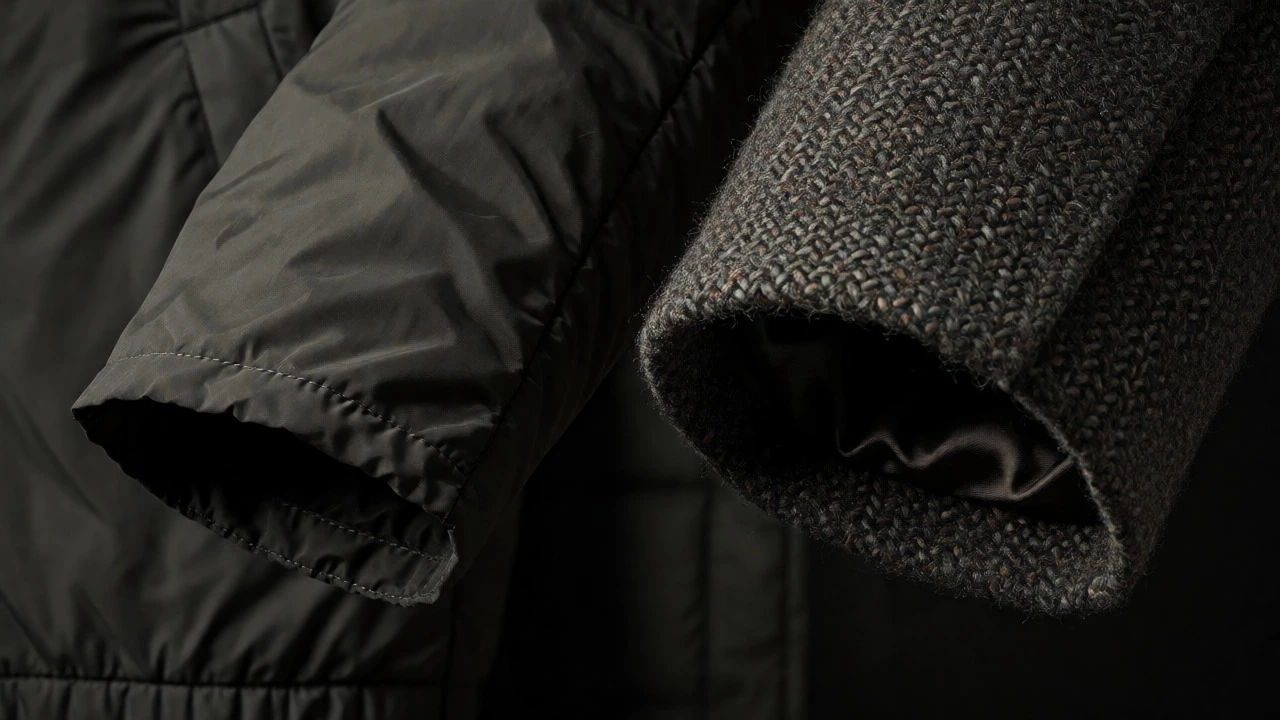
Pick up a jacket and a coat side-by-side. You’ll notice the weight difference immediately. Jackets are generally unlined or lightly lined because they are meant to be worn over other layers without adding bulk. They prioritize flexibility and breathability. A leather biker jacket, for instance, offers some wind resistance but relies on its material density rather than internal insulation.
Coats are built with structure. They almost always feature full linings-often silk, polyester, or wool blends-and may include additional insulation like down feathers or synthetic fill. This construction traps heat close to your body. Consider the classic wool coat found in heritage brands like Harris Tweed or local tailors in Belfast. These coats have a distinct drape and stiffness due to their lining and heavier fabric weights (measured in GSM), designed to retain warmth during long commutes or outdoor events like the Galway Races.
| Feature | Jacket | Coat |
|---|---|---|
| Length | Waist to Hip | Mid-thigh to Ankle |
| Lining | Minimal or None | Full Lining + Insulation |
| Weight | Lightweight | Heavy/Medium |
| Formality | Casual to Smart-Casual | Casual to Formal |
| Weather Protection | Moderate (Wind/Rain) | High (Cold/Wind/Rain) |
| Layering | Worn over shirts/thin knits | Worn over sweaters/blazers |
Functionality in the Irish Climate
Why does this matter here? Because our weather is unpredictable. One minute it’s sunny in Kilkenny, the next it’s pouring in Waterford. Jackets excel in mild conditions or transitional seasons like spring and autumn. They are perfect for layering over a hoodie if you’re heading out for a pint after work. They don’t restrict arm movement, which is crucial if you’re driving a car or using public transport frequently.
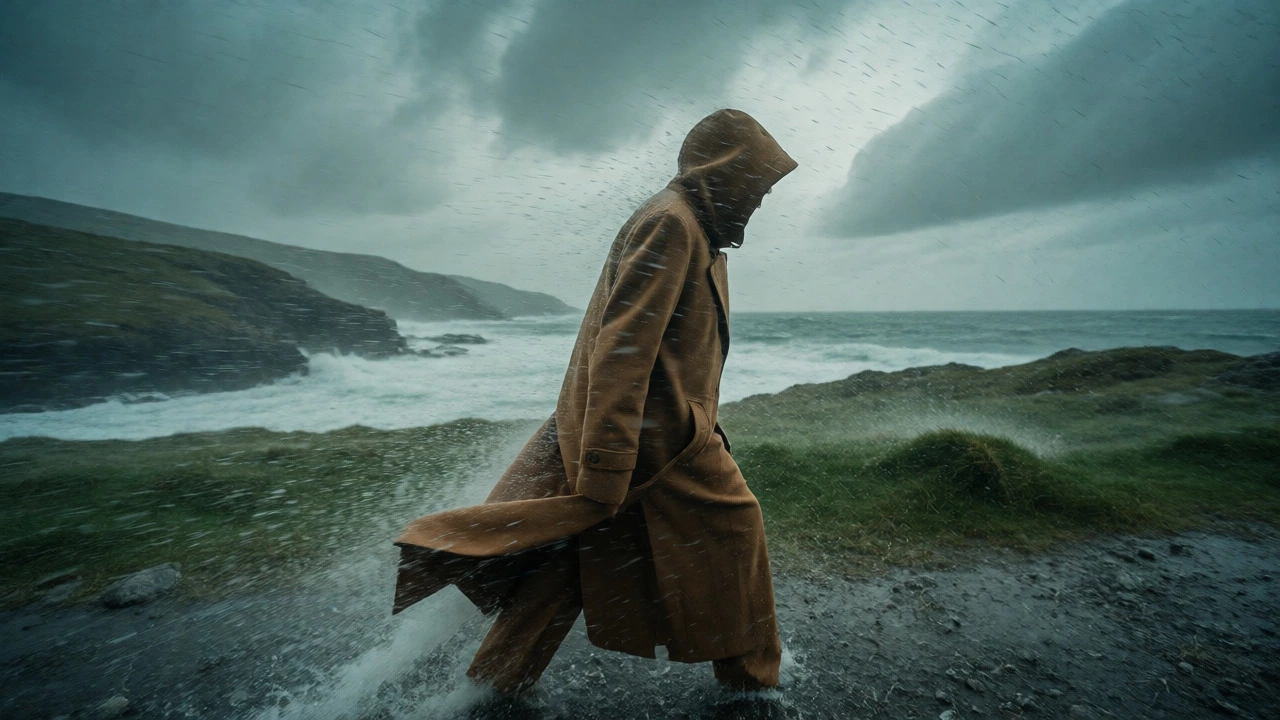
Coats shine when temperatures drop below 10°C or when wind chill becomes significant. During winter months, especially in northern counties like Donegal, a jacket alone won’t cut it. You need the thermal mass of a coat. Furthermore, many coats come with hoods, storm flaps, and higher collars that protect your neck-a common cold spot for Irish residents who forget scarves. If you live near the coast, the salt spray and persistent drizzle make the water-resistant capabilities of a proper coat essential.
Fashion Context: Casual vs. Formal Occasions
In Irish social settings, the choice between a jacket and a coat signals intent. Wearing a suit jacket to a casual Friday night out in Dublin might feel too stiff. Conversely, showing up to a wedding reception in Limerick wearing only a denim jacket might look underdressed unless styled carefully.
Coats carry a different social weight. A well-tailored overcoat is acceptable attire for business meetings, funerals, or formal dinners. It commands respect and seriousness. However, modern trends have blurred these lines. Oversized puffer jackets, once purely utilitarian, are now fashion statements seen on Grafton Street. But traditionally, if you’re entering a building for a professional engagement, you remove your coat. You might keep your jacket on if the venue is informal. Understanding this etiquette helps you navigate social situations without feeling awkwardly overdressed or underprepared.
Material Matters: Wool, Leather, and Synthetics
The materials used define the category boundaries further. Jackets often utilize lighter fabrics: cotton canvas, nylon, thin leather, or lightweight wool blends. These materials offer durability against abrasion but limited thermal retention. Your standard Harrington jacket, iconic in Irish youth culture, uses waterproof nylon and a light lining-great for showers, poor for freezing nights.
Coats rely on heavier, denser materials. Pure wool, cashmere, shearling, and heavy tweeds dominate this space. These fabrics are expensive but last decades if cared for properly. Brands like Mulberry or high-end Irish manufacturers focus on these natural fibers because they breathe well and regulate temperature effectively. Synthetic alternatives exist for budget-conscious shoppers, but they often lack the longevity and aesthetic appeal of traditional coat materials. When shopping in stores like Arnotts or House of Fraser, check the label: 100% wool suggests a coat-grade quality, while polyester blends are more common in fast-fashion jackets.
Which Should You Buy First?
If you’re building a wardrobe from scratch in Ireland, start with a versatile jacket. A dark navy or black blazer works for office days and weekend dates. Pair it with jeans and boots, and you’re ready for almost any scenario except deep winter. Once you have a solid jacket collection, invest in one high-quality coat. Choose a neutral color like charcoal or camel so it matches everything. This piece will save you during the coldest months and elevate your overall style instantly.
Consider your lifestyle. Do you commute by Luas tram in Dublin? A long coat protects your legs from wind inside the open-air sections. Do you walk dogs in Connemara? A waterproof shell jacket might be more practical than a wool coat that gets muddy. Assess your daily routine before spending €300+ on outerwear.
Is a parka a jacket or a coat?
A parka is technically a type of coat, specifically designed for extreme cold. It features a hood, fur trim, and heavy insulation. However, short parkas that end at the hip are often categorized as jackets in retail settings. If it has a drawstring waist and covers your thighs, treat it as a coat for layering purposes.
Can I wear a jacket instead of a coat in winter?
You can, but you’ll likely be colder. Jackets lack the insulation and length to block wind and retain heat effectively in sub-5°C temperatures. To make a jacket work in winter, you must layer heavily underneath, such as wearing a thick sweater or fleece. Even then, exposed legs will suffer from wind chill.
What is the best coat for rainy Irish weather?
Look for a trench coat made from waxed cotton or treated wool. These materials repel water better than standard wool. Alternatively, a technical raincoat with taped seams offers superior protection but less style. For a balance, choose a double-breasted wool coat with a water-resistant finish.
Do I need a belt on my coat?
Not necessarily. Belts help cinch the waist for a tailored silhouette and prevent the coat from flapping open in strong winds. If you prefer a loose, comfortable fit, skip the belt. Just ensure the coat fits well across the shoulders so it doesn’t slide off.
How do I care for a wool coat?
Avoid frequent washing. Spot clean stains with a damp cloth. Air it out after wearing to let moisture evaporate. Dry clean only twice a year to preserve the fibers. Store it on a wide wooden hanger to maintain shoulder shape, never folded in a bag.