Chore Coat Material & Style Selector
Not sure which fabric to choose for the Irish climate? Select your primary use case and environment to get a recommendation.
Our Suggestion
Fill in the details to see the perfect match for your lifestyle.
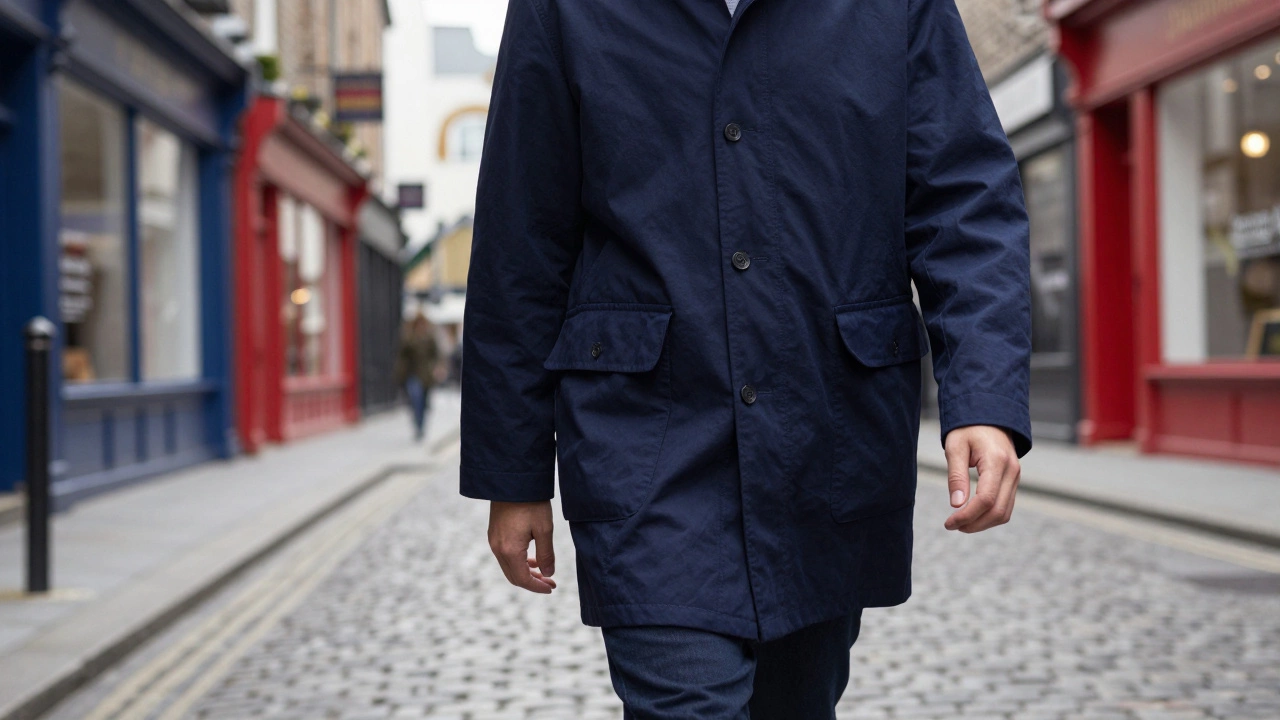
You've probably seen them while walking through the Creative Quarter in Dublin or browsing the independent shops in Galway: those boxy, sturdy jackets with a few oversized pockets and a relaxed fit. They aren't just a random trend; they are the French chore coat, a garment that has travelled from the farms of France to become a staple of the modern wardrobe in Ireland. If you're tired of fast fashion and looking for something that can actually handle a damp Tuesday in County Clare, this is the jacket you need to know about.
Quick Takeaways for the Irish Buyer
- What it is: A utilitarian work jacket (Bleu de Travail) designed for durability and movement.
- Why it works here: Perfect for layering against the Irish breeze and rugged enough for garden work or city commutes.
- Key Features: Heavy cotton drill or moleskin, multiple patch pockets, and a straight cut.
- Style Tip: Pairs perfectly with raw denim or heavy chinos and a pair of leather boots.
The Origins of the Bleu de Travail
To understand what this piece is, we have to look at the Bleu de Travail. The Bleu de Travail is a traditional French workwear jacket, typically made from a durable blue cotton drill fabric, worn by factory workers and farmers in the late 19th and early 20th centuries. It wasn't designed for a runway; it was designed for the dirt. The blue dye was chosen because it was cheap and hid stains well, much like how indigo became the standard for denim.
Unlike a tailored blazer, which restricts your arms, the chore coat was built for action. It features a loose fit so the wearer could move freely while hauling sacks of grain or fixing machinery. In an Irish context, this mirrors the history of our own rugged workwear, reminding us of the heavy linens and wools used in rural communities across Munster and Connacht before synthetic fabrics took over.
Why the Chore Coat Fits the Irish Lifestyle
Ireland’s weather is famously unpredictable. We don't just have "rain"; we have mist, drizzle, wind, and sudden downpours all in the same hour. The French chore coat is a brilliant middle-ground layer. Because it's typically made from Cotton Drill (a strong, warp-faced fabric), it provides a decent barrier against the wind without making you overheat the moment you step into a warm pub or a crowded shop in Grafton Street.
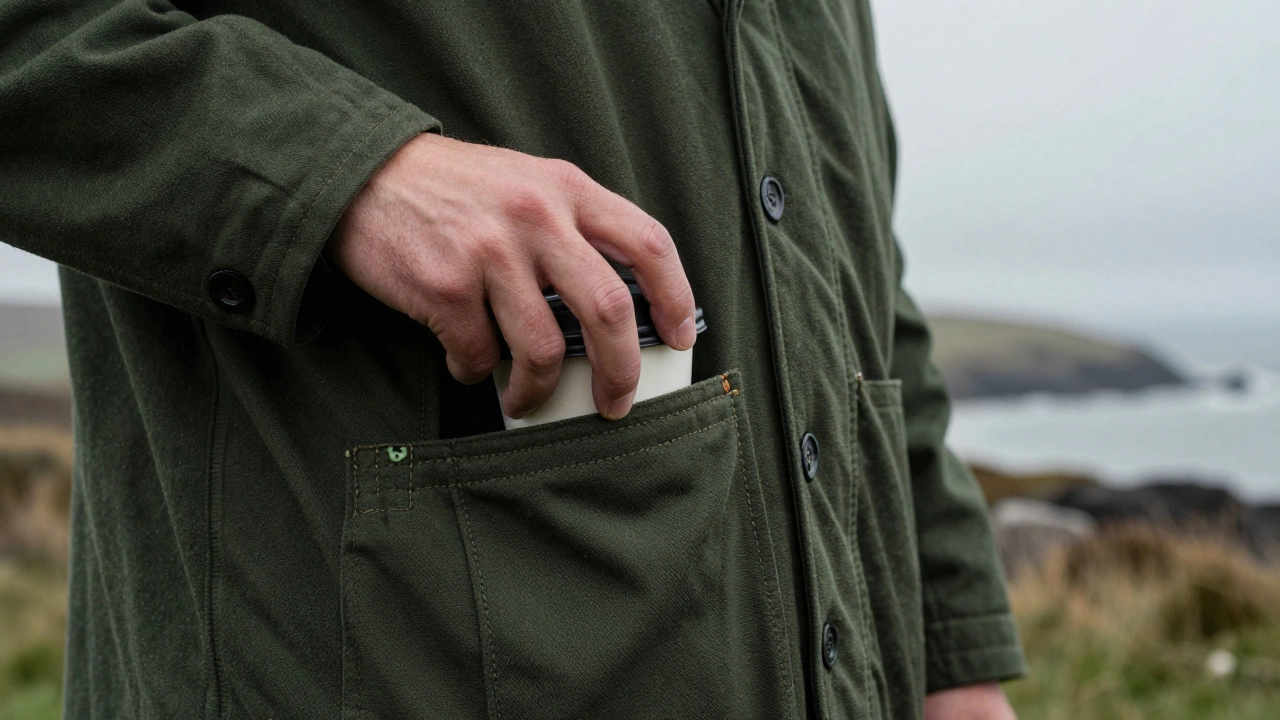
For someone living in a coastal town like Kinsale or working in the windy corridors of the Docklands, the chore coat serves as a versatile shell. It's heavy enough to be a jacket in early autumn but light enough to sit under a heavy wax jacket or a wool overcoat when the January frost hits. The abundance of pockets is also a practical win for us-you can tuck your phone, keys, and a reusable coffee cup into the patch pockets without needing a bulky bag.
| Fabric | Durability | Warmth | Best Use Case |
|---|---|---|---|
| Cotton Drill | High | Low/Medium | Daily city wear, Spring/Autumn |
| Moleskin | Very High | Medium/High | Windy coastal areas, Winter layering |
| Heavy Linen | Medium | Low | Summer evenings, light gardening |
How to Style a Chore Coat in Ireland
The beauty of the chore coat is its simplicity. It doesn't scream "fashion," which is exactly why it works. If you're heading to a casual meeting in a co-working space in Cork or just meeting friends for a pint, you want to look put-together but not like you're trying too hard.
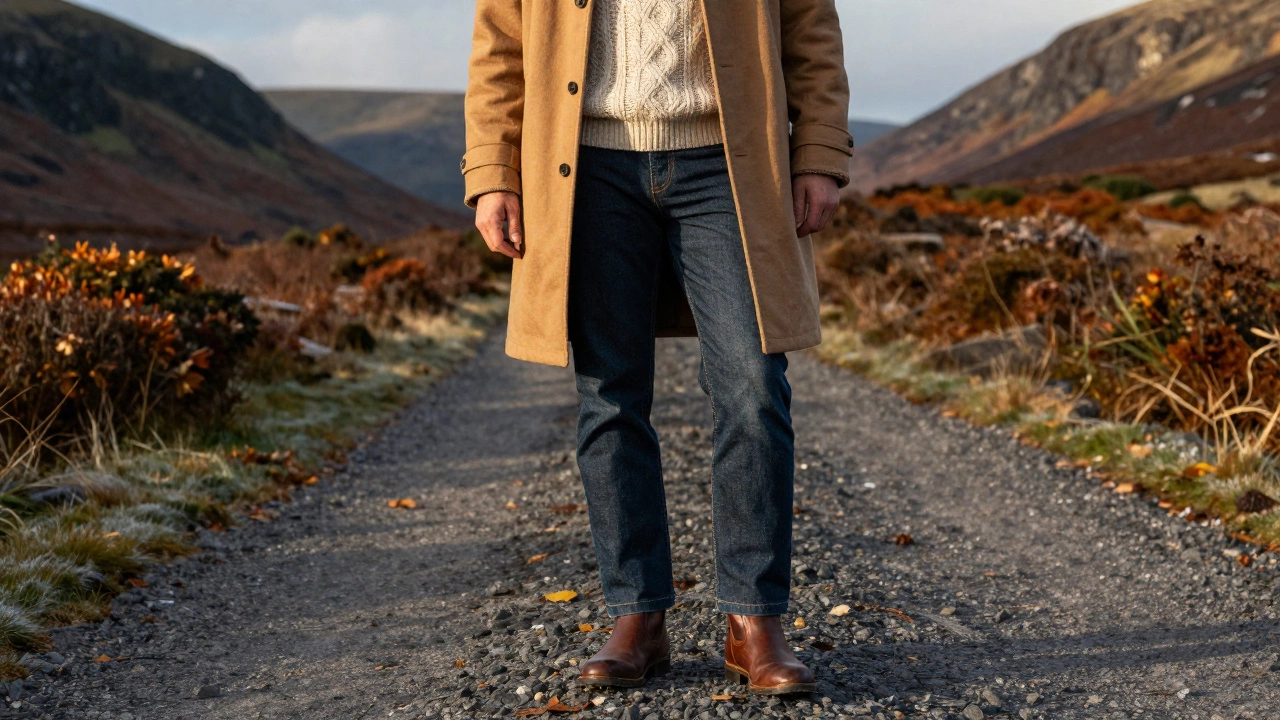
Start with a base layer. A heavy-weight white t-shirt or a navy Breton Stripe Shirt is the classic pairing. Because the jacket has a boxy silhouette, avoid wearing oversized trousers, or you'll end up looking like a tent. Instead, go for slim or straight-cut Raw Denim. The stiffness of raw denim complements the structured feel of the cotton drill.
For footwear, stay away from flashy sneakers. A pair of sturdy brown leather boots or classic Desert Boots keeps the outfit grounded in its workwear roots. If you're in the city, a clean white leather sneaker works, but once you hit the gravel paths of the Wicklow Mountains, stick to the boots. For the ultimate Irish winter twist, throw a chunky Aran knit sweater underneath the coat. The contrast between the rustic wool and the smooth cotton drill is a masterclass in texture.
What to Look for When Buying
Not every jacket that looks like a chore coat actually is one. If you're shopping at boutiques in the English Market or looking online, check these specific details to ensure you're getting a quality piece:
- The Stitching: Look for reinforced stitching on the pockets. Since these are designed to hold gear, the corners of the pockets should have a "bar tack" (a series of tight zig-zag stitches) to prevent ripping.
- The Fabric Weight: If the fabric feels like a thin dress shirt, it's not a chore coat. It should have some heft. Feel for the thickness; a good one should be able to stand up slightly on its own.
- The Cut: It should be straight. If it has a tapered waist or a dramatic flare, it's a fashion interpretation, not a true workwear piece.
- The Buttons: Look for durable buttons-often urea or horn-rather than cheap plastic that will snap the first time you catch it on a door handle.
Sustainable Fashion and the Workwear Mindset
One of the biggest reasons the chore coat has gained traction in the Irish market is the shift toward Sustainable Fashion. We're moving away from the "buy it today, bin it tomorrow" cycle. The chore coat is an antidote to that. Because it's made from high-density cotton, it doesn't wear out quickly. In fact, like a good pair of leather boots, it gets better as it ages.
Fading, fraying at the cuffs, and a few paint splatters don't ruin a chore coat; they give it character. It tells a story of where you've been and what you've done. For the environmentally conscious shopper in Ireland, buying one high-quality chore coat instead of three cheap polyester jackets is a win for both the wallet and the planet. Many local designers are now using organic cotton or recycled fabrics to create these jackets, blending traditional French design with modern Irish ethics.

Common Pitfalls to Avoid
While the chore coat is versatile, there are a few mistakes people make. First, don't treat it like a raincoat. While cotton drill is tough, it isn't waterproof. If you're caught in a sudden downpour in Galway, the fabric will soak up water. If you need genuine rain protection, pair your chore coat with a lightweight technical shell or carry a sturdy umbrella.
Second, be careful with sizing. The chore coat is supposed to be oversized, but "oversized" doesn't mean "too big." The shoulder seam should still sit roughly on the edge of your shoulder. If the sleeves are swallowing your hands, it's too large. You want a silhouette that looks intentional, not like you're wearing your father's old gardening jacket.
Is a French chore coat the same as a trucker jacket?
No. A trucker jacket (like the classic Levi's style) is usually shorter, tighter, and made of denim with a specific pointed collar and chest pockets. A chore coat is longer, boxier, and usually features larger patch pockets on the front and sides, designed for carrying tools rather than just a wallet.
Can I wear a chore coat to a business-casual office in Dublin?
Yes, absolutely. In most modern Irish offices, a navy or charcoal chore coat can replace a blazer. Pair it with a button-down shirt and chinos, and you'll look professional but approachable. It's a great way to signal a creative or modern approach to business attire.
How do I wash my chore coat without ruining the color?
Since most are dyed with deep indigo or navy, they can bleed. Wash your chore coat inside out in cold water on a gentle cycle. Avoid using harsh bleaches. For the best results, hang it to dry naturally. The air-drying process helps maintain the structure of the heavy cotton fabric.
What is the best color for someone living in Ireland?
While the classic "bleu" is the most iconic, navy, olive green, and tan are the most practical for the Irish environment. Navy hides city grime, olive blends perfectly with the lush green landscapes of the countryside, and tan is great for a softer, more autumnal look.
Where can I find authentic chore coats in Ireland?
You can find them in high-end independent boutiques in Dublin 2 and Galway city, as well as through specialized workwear brands online. Look for brands that specify "cotton drill" or "moleskin" to ensure you're getting the authentic weight and feel of a traditional French work jacket.
Final Advice for the New Owner
If you've just bought your first chore coat, my best advice is to stop worrying about it. Don't baby the fabric. Wear it while you're painting a room, wear it to the farmers market, and wear it on a hike through the Burren. The more you wear it, the more it will mold to your body and the more the fabric will soften. That's the whole point of workwear-it's a garment that earns its keep through use. Once it has a few wrinkles and a bit of a fade, you'll realize it's not just a jacket, but a dependable companion for the unpredictable Irish elements.