Find Your Perfect Jeans Match
Answer three quick questions to find the best denim brand for your life in Ireland.
You’re standing on Grafton Street in Dublin, rain drizzling against the pavement, and you realize your favorite pair of trousers has finally given up. You need a replacement that can handle the damp Irish weather, survive a pub crawl, and still look sharp enough for a casual Friday at the office. But when you walk into the first shop, you’re hit with a wall of options. Which brand is famous for jeans? It’s a question that seems simple but gets complicated once you start digging into the history of denim.
For most people in Ireland, the answer usually starts with one name: Levi’s. But is it actually the only brand worth buying? Or are there other contenders that offer better fit, durability, or style for our specific climate and culture? Let’s break down the giants of denim, see why they’re famous, and help you decide which pair deserves a spot in your wardrobe next time you’re shopping in Cork, Galway, or Belfast.
The Undisputed King: Why Levi’s Owns the Denim World
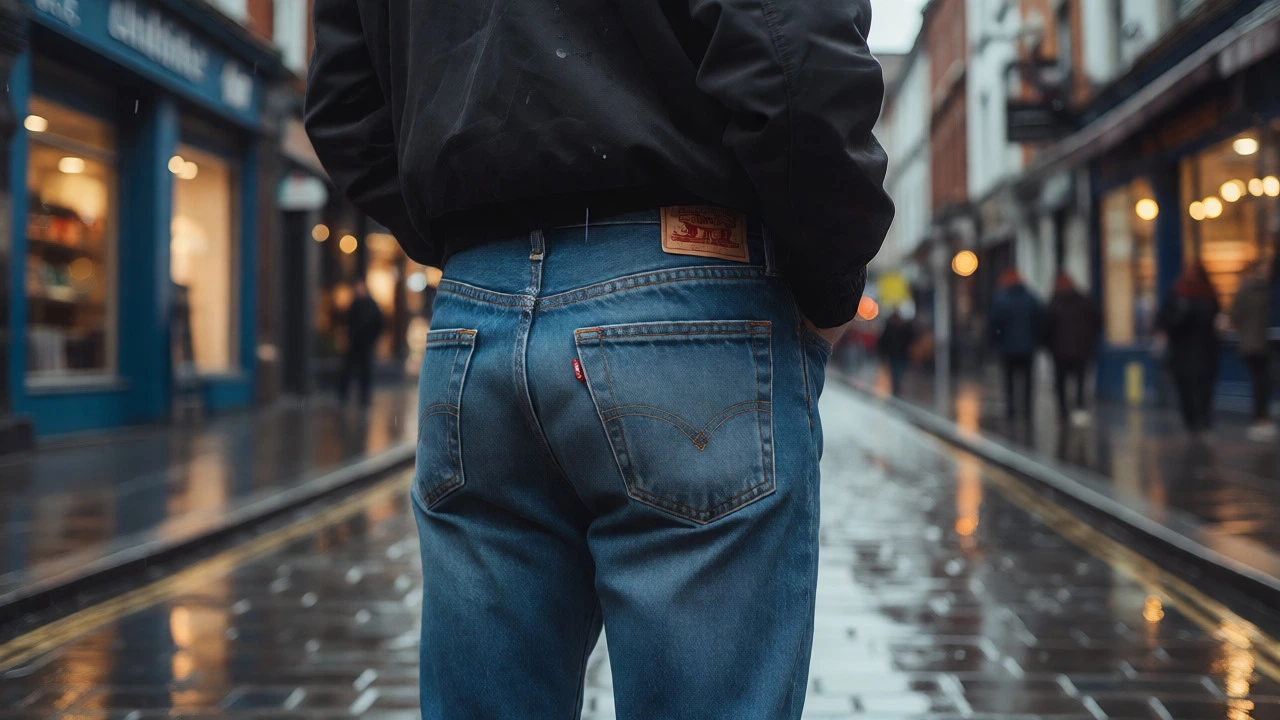
If you ask anyone on the street to name a jean brand, half will say Levi’s before you finish the sentence. That’s not just marketing hype; it’s historical fact. Levi Strauss & Co. is the original creator of blue jeans, having patented the riveted work pant in 1873. The company started as a dry goods business in San Francisco during the Gold Rush, selling sturdy canvas pants to miners who kept tearing their clothes on rocks and timber.
Why does this matter to you in Ireland? Because Levi’s didn’t just invent the product; they standardized it. When you buy a pair of 501 Original Fit jeans, you’re buying a piece of industrial history that hasn’t changed its core design in over 140 years. They use a specific weight of denim (usually 12-14 oz) that holds its shape well, which is crucial if you’re wearing them all day in a drafty office in Dublin 2.
In Ireland, Levi’s has a massive presence. From the flagship store on Henry Street to the outlets in Kildare Village, they are everywhere. Their fame comes from consistency. If you know your size in a 501, you generally know your size in a 511 or a 512. For shoppers who value reliability over chasing trends, Levi’s remains the safest bet. However, their fame also means they are ubiquitous. You might run into three other people wearing the exact same cut while waiting for a bus in Galway.
The Rivalry: Wrangler vs. Lee
While Levi’s gets the glory, two other American brands have been fighting for market share since the mid-20th century: Wrangler and Lee. These aren’t just knock-offs; they are distinct entities with different target audiences and construction methods.
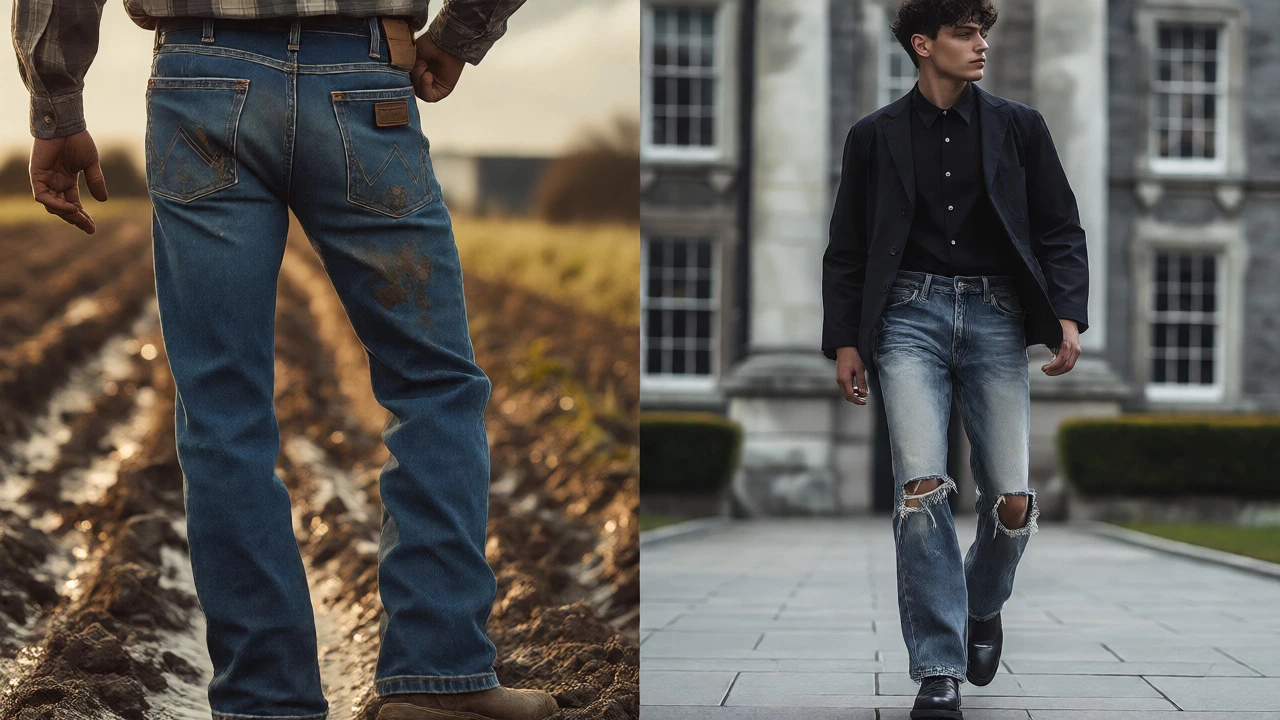
Wrangler was built for cowboys. Launched in 1947 by Blue Bell, the brand focused on functionality for ranchers. Their signature feature is the "boot-cut" leg, designed to slide easily over cowboy boots. In Ireland, we don’t have many cattle ranchers riding horses across open plains, but we do have a strong agricultural sector. Farmers in Tipperary or Clare often prefer Wranglers because the fabric is treated to be more resistant to stains and abrasion than standard denim.
Lee took a different approach. Founded in 1889, Lee introduced the zipper fly to jeans in 1926, replacing the button fly used by Levi’s. This small change revolutionized comfort. Lee also pioneered the "Lazy S" back pocket stitching pattern, which reduces stress on the fabric near the hip. Today, Lee positions itself as a lifestyle brand, offering softer fabrics and slimmer cuts that appeal to urban dwellers in cities like Limerick or Waterford who want comfort without the rugged, stiff feel of traditional workwear.
| Brand | Famous For | Best For | Price Range (Ireland) |
|---|---|---|---|
| Levi’s | History, 501 Model, Rivets | Classic Style, Durability | €80 - €120 |
| Wrangler | Cowboy Heritage, Boot Cut | Workwear, Agriculture, Value | €50 - €80 |
| Lee | Zipper Fly, Soft Denim | Comfort, Urban Casual | €60 - €90 |
The Premium Contenders: Diesel and Nudie Jeans
If you’re tired of seeing the same blue washes in every shop window, you might look toward European premium brands. Two names stand out in the Irish fashion scene: Diesel and Nudie Jeans.
Diesel, an Italian brand founded in 1978, became famous for its rebellious advertising campaigns and experimental washes. They treat denim like clay, distressing, bleaching, and shaping it into avant-garde forms. In Dublin’s Temple Bar or around Trinity College, you’ll see young professionals wearing Diesel slim-fits. They’re expensive-often exceeding €150-but they offer a distinct aesthetic that separates you from the crowd. However, be warned: some of their thinner, stretch-heavy fabrics don’t last as long as traditional rigid denim, especially if you’re cycling through city traffic.
On the other end of the spectrum is Nudie Jeans, a Swedish brand that has gained a cult following in Ireland for its sustainability focus. Nudie uses organic cotton and offers free repairs for life at their partner shops. There are several repair spots in Dublin and Cork where you can bring in torn jeans and have them fixed for free. This appeals to the growing number of Irish consumers who care about ethical consumption. If you live in Galway, you can visit their local stockists to get advice on how to break in raw denim properly. Nudie’s fame isn’t just about looks; it’s about a philosophy of ownership and maintenance.
The Fast Fashion Dilemma: Zara, H&M, and Primark
You cannot talk about jeans in Ireland without mentioning Primark. With its headquarters in Dublin, Primark is a global phenomenon. It’s famous for offering jeans at prices that seem almost too good to be true-often under €20. For students in Cork or families budgeting in Dundalk, Primark is the go-to. The quality has improved significantly in recent years, with better stitching and fabric blends, but they lack the heritage and longevity of Levi’s or Nudie.
Zara and H&M occupy the middle ground. They chase trends rapidly. If wide-leg jeans become popular in Paris, they’ll be on the shelves in Dublin within weeks. Their fame lies in accessibility and style variety rather than craftsmanship. If you want a specific cut for a wedding or a night out but don’t plan to wear the jeans daily, these brands are practical. Just check the tag for elastane content; high-stretch jeans lose their shape faster after washing, a common complaint among Irish buyers who line-dry their clothes due to energy costs.
How to Choose the Right Brand for Your Life in Ireland
Selecting the right brand depends less on popularity and more on your daily routine. Here’s a quick decision tree to help you navigate the aisles:
- Do you work outdoors or in agriculture? Go with Wrangler. The tough denim and practical pockets withstand mud, hay, and hard labor. Plus, they’re affordable enough to replace if they get destroyed.
- Do you want a classic, versatile look for office and weekends? Stick with Levi’s. The 501 or 511 fits are timeless and pair well with blazers or hoodies. They hold their color well despite frequent washing.
- Are you environmentally conscious? Choose Nudie Jeans or Patagonia. Patagonia, another outdoor-focused brand, makes durable hemp-blend jeans that are excellent for hiking in the Wicklow Mountains. Both brands prioritize sustainable materials and fair labor practices.
- Do you prioritize trendiness and low cost? Try Zara or Primark. Perfect for experimenting with new styles like barrel-leg or micro-mini without breaking the bank.
Remember, the "best" brand is subjective. What works for a tech worker in Silicon Docks might not suit a farmer in Westmeath. Consider the climate too. Ireland is damp. Heavy, raw denim takes longer to dry. If you don’t have a tumble dryer, opt for lighter-weight fabrics from Lee or fast-fashion brands that include synthetic blends for quicker drying times.
Beyond the Big Names: Local and Emerging Trends
While global brands dominate, there’s a quiet rise in interest for smaller, artisanal denim makers. Some Irish boutiques now stock Japanese selvedge denim, known for its shuttle-loom weaving technique that creates a tighter, more durable fabric. Brands like Iron Heart or Studio D’Artisan are finding niche audiences among denim enthusiasts in major cities. These jeans cost upwards of €250, but they age beautifully, fading uniquely to the wearer’s body.
Additionally, second-hand markets are booming. Platforms like Depop and local charity shops in towns like Sligo or Killarney often carry vintage Levi’s from the 80s and 90s. Buying pre-owned reduces waste and gives you access to discontinued cuts that no longer exist in stores. It’s a smart way to participate in the circular economy while finding unique pieces.
Final Thoughts on Denim Fame
So, which brand is famous for jeans? Historically and globally, it’s Levi’s. But fame doesn’t always equal suitability. Wrangler brings rugged utility, Lee offers comfort, Diesel delivers style, and Nudie provides ethics. Primark ensures accessibility. The Irish market supports all of these because we are a diverse group of people with varied lifestyles. Next time you’re shopping, ignore the logo on the back pocket for a moment. Feel the fabric. Check the stitch density. Think about where you’ll wear them. That’s how you find the pair that’s truly famous-for being perfect for you.
Is Levi’s really the oldest jeans brand?
Yes, Levi Strauss & Co. is widely recognized as the inventor of modern blue jeans. While Jacob Davis partnered with Levi Strauss to patent the rivet reinforcement in 1873, the company has maintained continuous production and branding since then, making it the oldest surviving major jeans manufacturer.
Why are Wrangler jeans cheaper than Levi’s?
Wrangler targets the workwear and agricultural market, focusing on durability and value rather than fashion prestige. Their supply chain and marketing strategies are optimized for volume sales at lower price points, whereas Levi’s invests heavily in brand heritage, retail experience, and fashion collaborations, which drives up the cost.
Can I find Nudie Jeans repair services in Ireland?
Yes, Nudie Jeans partners with independent tailors and repair shops across Ireland. Major cities like Dublin, Cork, and Galway have registered repair stations where you can bring any Nudie jeans for free repairs, regardless of where you bought them. You can locate the nearest station via their official website locator tool.
Are expensive jeans actually better quality?
Generally, yes. Expensive jeans often use higher-grade cotton, such as long-staple or selvedge denim, which is stronger and fades better. They also typically feature better hardware (zippers, buttons) and more precise stitching. However, price doesn't guarantee fit; a cheap pair that fits perfectly may serve you better than an expensive pair that feels uncomfortable.
What is the most popular jeans style in Ireland right now?
As of 2026, straight-leg and relaxed-fit jeans remain highly popular in Ireland due to their comfort and versatility. While skinny jeans had a long reign, there is a noticeable shift towards wider legs, influenced by global trends and the practicality needed for layering during colder months. Vintage-inspired cuts from brands like Levi’s and Levis’ reissues are particularly sought after.