Streetwear vs Sportswear Style Quiz
This interactive tool helps you identify your dominant style category based on practical factors relevant to the Irish climate and culture. Answer 5 quick questions to get your personalized recommendation.
What is the main reason you buy new clothes?
Which fabric feels most comfortable to you in the Irish weather?
How do you prefer your clothes to fit?
How do you handle sudden rain while out in Dublin or Cork?
What role does local identity play in your wardrobe?
Athleisure Hybrid
Score: 3/5You thrive on mixing categories...
Shopping Recommendations for You:
- Base Layers: Invest in high-quality moisture-wicking tees from JD Sports or Sports Direct.
- Outerwear: Look for packable rain shells that can be worn over hoodies.
- Footwear: Clean white sneakers are your best bridge between the two worlds.
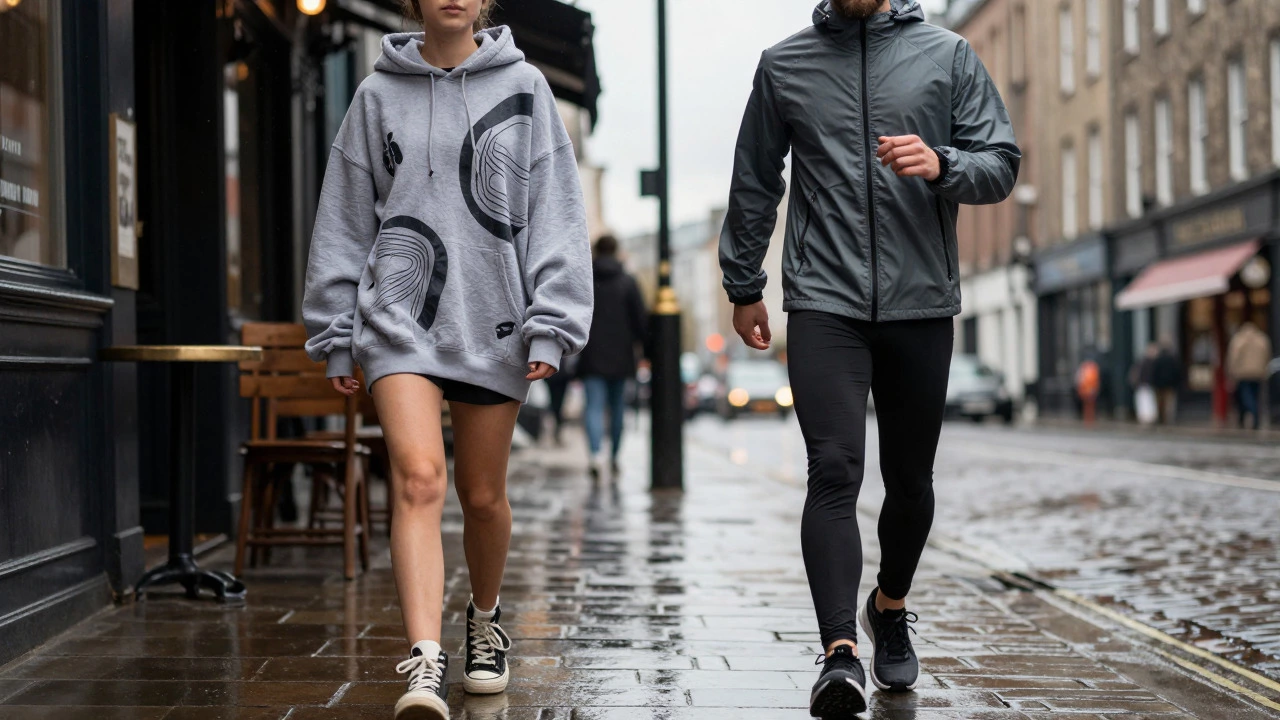
Walk down Grafton Street in Dublin on a rainy Tuesday, and you’ll see two distinct styles clashing and blending. One person is wearing a chunky, oversized hoodie with bold graphics, paired with high-top sneakers. Another is in a sleek, moisture-wicking jacket and technical leggings, ready to run through the Phoenix Park despite the drizzle. This visual split highlights a common confusion in the fashion world: what exactly separates streetwear from sportswear? In Ireland, where the weather dictates our wardrobe choices and local culture values both comfort and style, understanding this difference matters more than ever.
Many shoppers assume that if it’s comfortable, it’s sportswear. If it’s cool, it’s streetwear. But the lines are blurrier than they appear. For residents of the Republic of Ireland, from the urban hubs of Cork and Galway to the quieter towns in the midlands, knowing how to mix these categories can save money and ensure you’re dressed appropriately for everything from a morning jog to a night out in Temple Bar. Let’s break down the real distinctions, looking at materials, origins, and practical use cases specific to our island lifestyle.
Defining the Core Distinctions
At its heart, Sportswear is apparel designed specifically for physical activity, prioritizing function, performance, and body mechanics. Think of running shorts, compression tights, or basketball jerseys. The primary goal here is utility. When you buy sportswear, you are buying a tool. It needs to wick sweat away from your skin, allow full range of motion, and withstand rigorous washing cycles. Brands like Nike and Adidas dominate this space, but locally, you might find specialized gear in stores along O’Connell Street that cater to specific sports like hurling or Gaelic football, which have unique kit requirements not found in global mainstream sportswear.
Streetwear, on the other hand, is a fashion subculture originating from urban youth culture, skateboarding, and hip-hop, characterized by casual, often graphic-heavy clothing. It started in the 1980s and 90s in New York and Los Angeles but has evolved into a global aesthetic. In Ireland, streetwear has taken on a distinct flavor. It’s less about the specific sport being played and more about the attitude. A classic example is the puffer jacket. Originally a functional piece for extreme cold (sportswear), it became a staple of streetwear when brands like Moncler or local Irish designers started styling it with denim and sneakers. The value proposition shifts from "how well does this keep me dry while hiking?" to "does this look good with my limited edition sneakers?"
Material and Construction: Function vs. Form
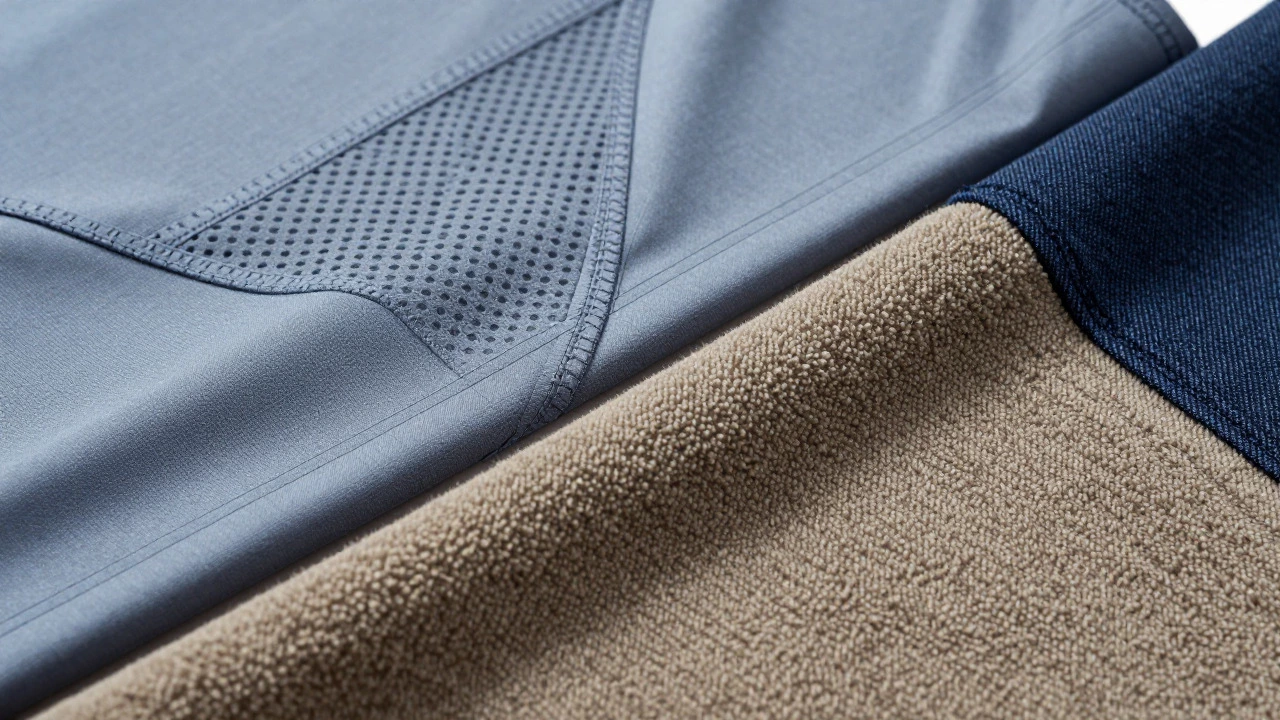
The most tangible difference lies in the fabric. If you pick up a standard sportswear t-shirt, you’ll likely feel synthetic materials like polyester or spandex. These fabrics are engineered. They have mesh panels for ventilation, flatlock seams to prevent chafing, and four-way stretch. This is crucial for activities like cycling or gym sessions. In the Irish climate, where humidity can be high even in winter, moisture-wicking properties are a non-negotiable feature for anyone serious about fitness.
Streetwear, conversely, leans heavily on cotton, fleece, and denim. You’ll find heavy-weight cotton hoodies, canvas jackets, and relaxed-fit jeans. These materials breathe differently. Cotton absorbs moisture rather than repelling it, which is why a pure cotton tee isn’t ideal for a hard run but is perfect for sitting in a pub in Limerick after work. The construction of streetwear pieces is often looser. Oversized fits, dropped shoulders, and exaggerated hems are design choices meant to create a silhouette, not to aid movement. While some streetwear brands now incorporate technical fabrics, the core identity remains rooted in casual, everyday comfort rather than athletic performance.
| Attribute | Sportswear | Streetwear |
|---|---|---|
| Primary Purpose | Physical Performance | Casual Style & Identity |
| Common Materials | Polyester, Spandex, Nylon | Cotton, Fleece, Denim |
| Fit | Slim, Compression, or Athletic Cut | Oversized, Relaxed, Boxy |
| Key Features | Moisture-wicking, Breathable Mesh | Graphic Prints, Bold Logos, Pockets |
| Ireland Context | GAA Kits, Gym Gear, Rain-Ready Layers | Dublin Urban Style, Local Brand Collabs |
The Irish Weather Factor
Let’s talk about rain. It’s the great equalizer in Ireland. How do these two categories handle our unpredictable weather? Sportswear has adapted significantly. Modern rain jackets are no longer just bright orange windbreakers; they are lightweight, packable, and stylish enough to wear to dinner. Brands have blurred the line here, creating "athleisure" pieces that look like streetwear but perform like sportswear. However, traditional sportswear still struggles with prolonged wet conditions if it’s not specifically waterproof. A standard running shirt will soak through within minutes of steady rain.
Streetwear, particularly in the Irish context, has embraced layering. The classic Irish streetwear look involves a base layer, a warm mid-layer like a wool sweater or fleece, and a waterproof outer shell. This approach is practical because it allows you to adjust as the weather changes throughout the day. You might start the morning in a light hoodie for a walk in St. Stephen’s Green, add a puffer vest for lunch, and put on a rain shell for the commute home. This versatility is a hallmark of how Irish consumers interact with streetwear. It’s not just about looking cool; it’s about surviving the elements without sacrificing style.
Local Brands and Cultural Identity
Ireland has a vibrant local fashion scene that bridges the gap between these two categories. While global giants like Supreme and Carhartt have a strong presence in Dublin and Cork, local brands are making their mark. For instance, Irish labels often collaborate with local artists to create limited-edition graphic tees, blending streetwear aesthetics with national pride. You might see designs referencing Celtic history, local slang, or iconic Irish landscapes.
In terms of sportswear, the cultural significance of Gaelic games cannot be overstated. GAA (Gaelic Athletic Association) kits are a form of sportswear that doubles as tribal identity. Wearing a jersey from your local club, whether it’s the Dubs, the Blues, or a smaller county team, is a statement of belonging. This is different from wearing a generic Nike jersey. It’s personal. Similarly, the rise of local gyms and climbing centers in cities like Belfast and Waterford has created demand for specific sportswear that reflects local community vibes, often featuring subtle branding rather than loud logos.
How to Mix and Match: Practical Advice
You don’t have to choose one side. The modern Irish wardrobe thrives on mixing. Here are some practical tips for combining streetwear and sportswear effectively:
- Start with the Base: Use technical sportswear as your base layer. A moisture-wicking t-shirt under a streetwear hoodie keeps you dry during transit but looks casual once you arrive at your destination.
- Layer Smartly: Pair a slim-fit sportswear jacket with loose streetwear pants. This creates a balanced silhouette that works for both walking and sitting.
- Footwear is Key: Sneakers are the bridge between the two worlds. Chunky streetwear sneakers can go with athletic shorts, while clean white minimal sneakers can elevate a pair of technical joggers.
- Weather Check: Always prioritize functionality for the forecast. If it’s pouring, ditch the cotton streetwear for a waterproof sportswear shell, even if it’s less stylish. You can always swap clothes later.
Consider a typical Saturday in Dublin. You might wake up and put on technical running tights and a zip-up hoodie for a morning run in the park. Afterward, instead of changing completely, you might throw on a pair of denim jeans over the tights and a vintage-style streetwear jacket. By noon, you’re ready for brunch in Ranelagh. This seamless transition is possible only when you understand the differences and similarities between the two categories.
Where to Shop in Ireland
Knowing where to find these items is just as important as knowing what they are. For sportswear, major retail chains like Sports Direct and JD Sports have extensive branches across Ireland, offering competitive prices on global brands. For more specialized gear, check out local sporting goods stores in city centers, which often carry GAA-specific equipment and regional brand collaborations.
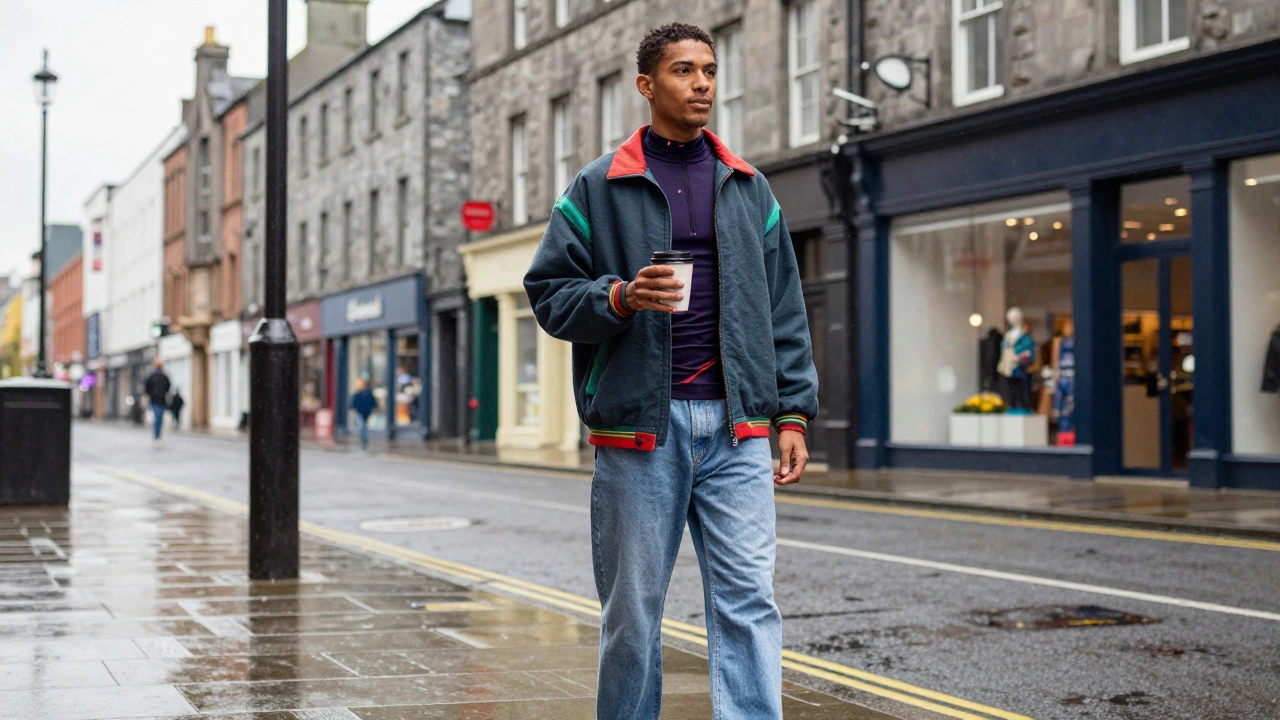
For streetwear, the landscape is more fragmented. High-end pieces can be found in boutique stores in areas like Smithfield in Dublin or the Shandon district in Cork. Thrift shops are also a goldmine for streetwear enthusiasts, offering unique vintage finds at lower price points. Online shopping has exploded in recent years, with many Irish-based e-commerce sites curating local and international streetwear brands. When shopping online, pay attention to sizing charts, as streetwear tends to run larger than sportswear, which is often cut slimmer for performance reasons.
Frequently Asked Questions
Is athleisure considered streetwear or sportswear?
Athleisure is a hybrid category that blends elements of both. It takes the functional fabrics of sportswear and applies them to casual, streetwear-inspired silhouettes. In Ireland, athleisure is extremely popular due to its versatility for commuting and casual social settings.
Which is better for Irish winter weather?
Neither is inherently better; it depends on the activity. For static activities like standing in a queue, streetwear layers (wool/fleece) provide better insulation. For active movement in the cold, sportswear base layers with a waterproof outer shell are superior for managing sweat and wind chill.
Can I wear GAA jerseys as streetwear?
Absolutely. Many people in Ireland style their local GAA club jerseys as part of their streetwear look. Pairing a jersey with baggy jeans and sneakers is a common aesthetic that celebrates local identity while embracing urban fashion trends.
What is the main cost difference between the two?
Entry-level sportswear is generally cheaper due to mass production and focus on function. High-end streetwear can be significantly more expensive, especially for limited editions or designer collaborations. However, basic streetwear items like plain hoodies can be very affordable, comparable to basic sportswear tees.
How should I care for sportswear versus streetwear?
Sportswear requires careful washing to maintain technical properties. Avoid fabric softeners, which can clog moisture-wicking fibers. Wash inside out on a gentle cycle. Streetwear, typically made of cotton or denim, is more durable. You can wash it normally, though turning items inside out helps preserve prints and colors. Air drying is recommended for both to extend garment life.